avg —
Italian Bread

Instructions
First I prepare the yeast sponge for the future dough. In a small bowl I combine 200 ml of warm water (no hotter than 40 °C) with a cube of fresh pressed yeast (20 g) and 2 tablespoons of sugar. I whisk it until the yeast and sugar dissolve, then add 1 tablespoon of flour from the total amount to kick off fermentation. I put the sponge in a warm, draught-free place for a quarter of an hour (15 minutes) – during this time it should rise actively and form a fluffy foamy cap.
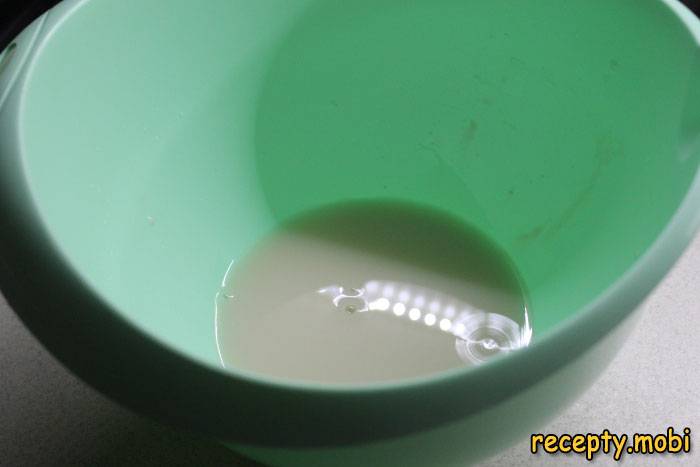
As soon as the characteristic fluffy foamy cap forms on the surface of the sponge (a sign that the yeast is working actively), I pour in 3 tablespoons of good olive oil – it gives the homemade Italian bread its characteristic Mediterranean aroma and soft texture. I add 1 teaspoon of salt and stir thoroughly with a spoon until smooth.

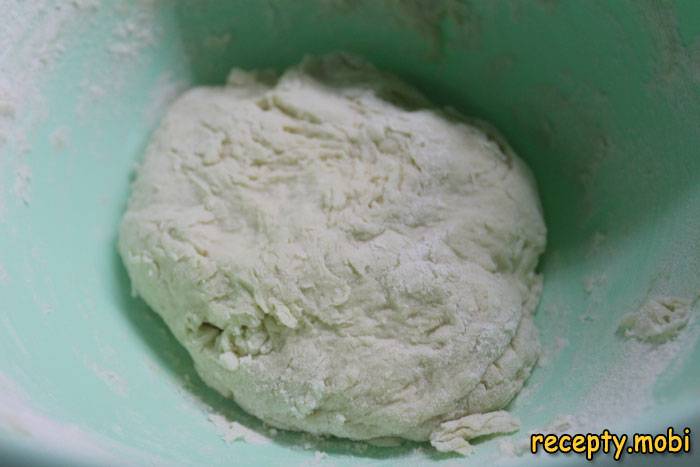
Gradually I sift the remaining flour (about 500 g) into the mixture, forming a soft, elastic dough. I knead it by hand for 5–7 minutes – the finished dough may be slightly sticky, but soft and easy to work with. To make it easier, you can lightly oil your hands with olive oil. I leave the dough in a deep bowl covered with a damp towel, in a warm place, to rise for about half an hour (30 minutes) – it should double in size. The room temperature should not exceed 40 °C, otherwise the yeast may stop working.
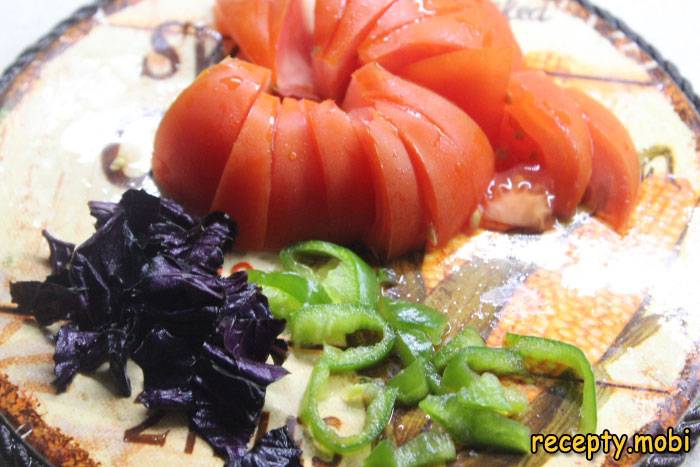
While the dough is rising, I prepare the fragrant Italian topping. Any favourite combination will do – a classic Italian mix of fresh tomatoes, chopped basil and hot chilli pepper. I finely chop 2–3 medium tomatoes (remove the seeds and excess juice), chop a small bunch of fresh basil and ¼ of a chilli pod (deseeded for mild heat).
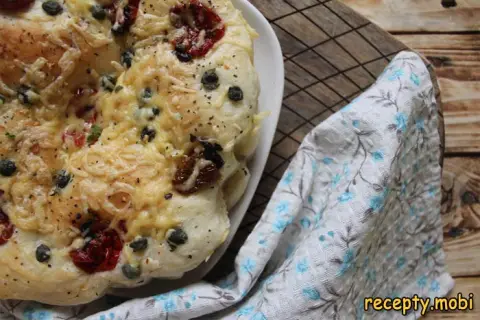
Carefully I transfer the risen dough into a round or rectangular baking tin lightly greased with olive oil. I spread the dough out by hand across the whole tin to a thickness of 2–3 cm – this is classic Italian focaccia. I brush the surface of the dough generously with olive oil using a pastry brush – this is a crucial step for the right texture. I cover the top of the dough evenly with the prepared topping, gently pressing each piece into the dough with my fingers so the tomatoes don't slide off during baking.
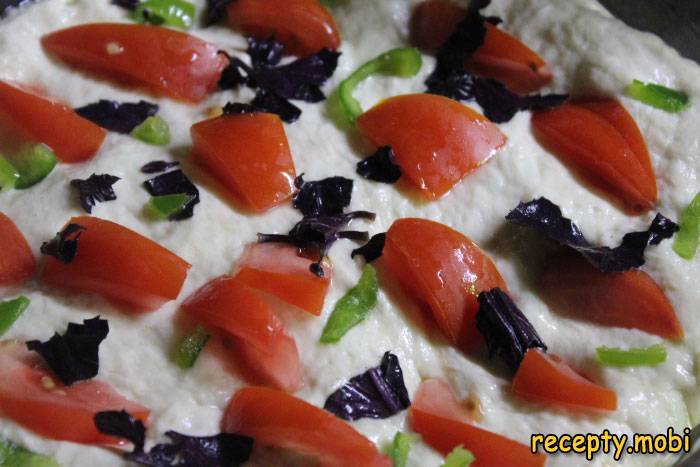
I drizzle the topping with olive oil once more (1 tablespoon) – this gives the tomatoes a glossy, slightly caramelised flavour as they bake. I put the tin into an oven preheated to 220 °C. The baking time is about 15 minutes, until a wooden toothpick comes out dry from the centre of the bread. Don't open the oven for the first 10 minutes – a sudden change in temperature will make the bread collapse.
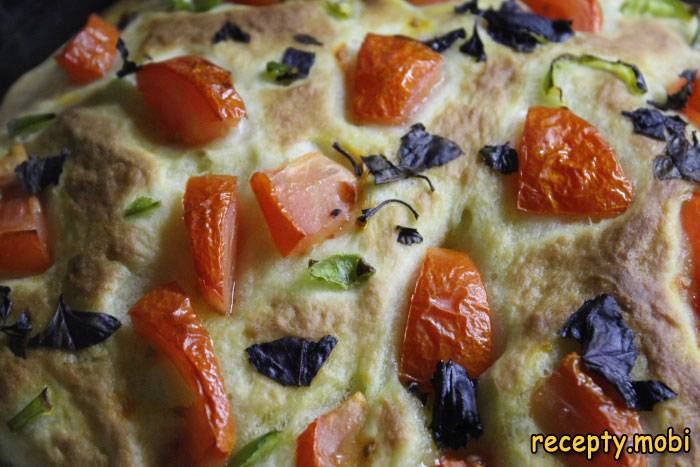
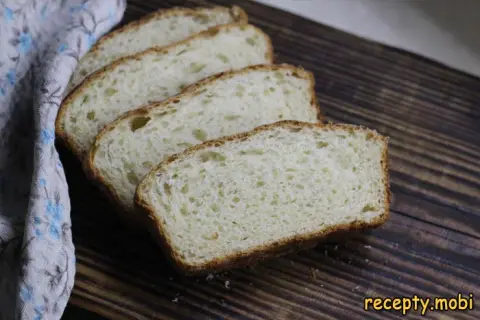
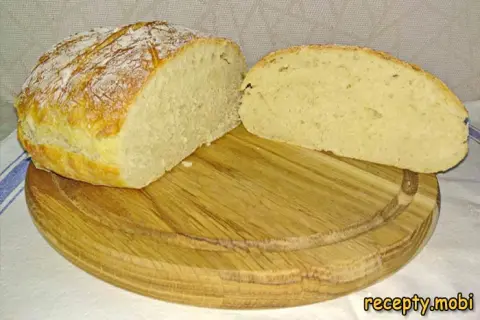
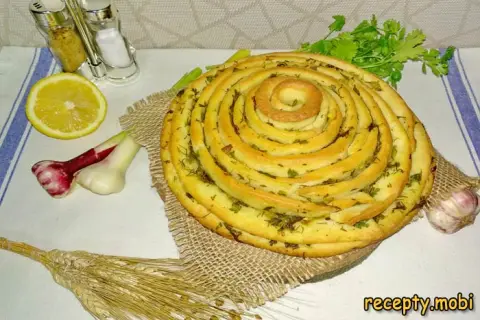
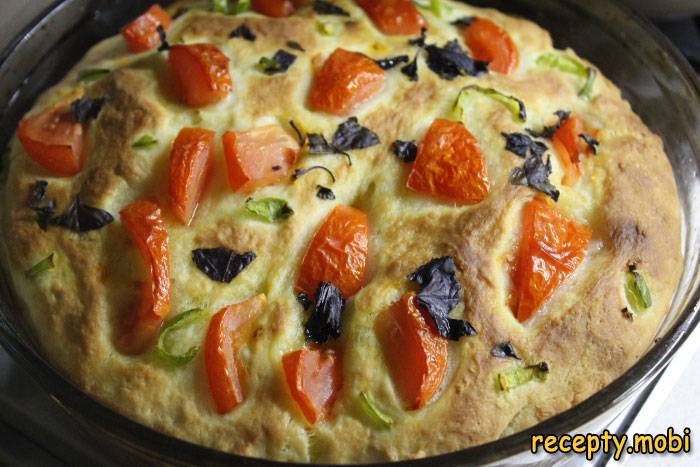
The fragrant and incredibly tasty homemade Italian bread is ready! The kitchen fills with the characteristic Mediterranean aroma of tomatoes, basil and olive oil. I let the bread cool for 10 minutes right in the tin, then carefully turn it out and slice the cooled focaccia into portions. I serve it with soup, salad, Italian pasta or simply as a fragrant snack on its own. A restaurant-quality homemade version is ready!


Tips
- 1
Use only good unrefined extra-virgin olive oil – it gives the finished baking its characteristic fruity Italian aroma and golden colour. Refined oil will not give the same result.
- 2
The water temperature for the sponge should not exceed 40 °C – otherwise the live yeast will die instantly and the dough won't rise. Test the temperature on the inside of your wrist – it should feel warm, but not scalding.
- 3
You can vary the topping to taste: add olives (black or green), sun-dried tomatoes, fresh rosemary, dried herbes de Provence, grated parmesan, or garlic in olive oil. Each combination gives its own character.
- 4
Serve the Italian bread warm – that way the flavour comes out best, the oil and basil release their aromas, and the crumb stays fluffy. Cooled bread can be warmed up in the oven at 150 °C for 3 minutes.
FAQ
Can I use dry yeast instead of fresh pressed yeast? +
Yes, this is a handy and popular option for Italian bread. Replace the 20 g of fresh pressed yeast with 7 g of dry yeast (the standard ratio is roughly 1:3). Dissolve the dry yeast in the warm water with the sugar and 1 tablespoon of flour, and wait for a fluffy foamy cap to form, about 10–15 minutes. Some types of instant dry yeast can be added straight to the flour without prior activation – read the instructions on the packet. With the right technique the result is practically identical to fresh yeast. The dry-yeast version is more convenient for long storage – fresh pressed yeast spoils quickly.
How long does the finished Italian bread keep? +
At room temperature, in a closed bag or container, it keeps for up to 2 days without losing flavour. On the second day the focaccia dries out a little, but this is easy to fix: before serving, warm it in the oven at 180 °C for 3–5 minutes or in a toaster. It will become soft and fragrant again. In the fridge it keeps for up to 5 days, but the crumb will firm up. You can freeze it for up to 2 months – cut the bread into portions, wrap them in foil and place them in the freezer. Thaw at room temperature for 30 minutes and warm in the oven for 5 minutes to restore freshness. Homemade bread is always tastier than shop-bought.
What is Italian bread with tomatoes best served with? +
Italian bread goes wonderfully with: good extra-virgin olive oil and balsamic vinegar for dipping (the classic Italian way), a variety of soups (minestrone, cream of mushroom, Ukrainian borscht), fresh vegetable salads (caprese, Greek salad, tomatoes with mozzarella), Italian pasta (bolognese, carbonara, pesto) and meat dishes (steaks, carpaccio). For wine – a dry red Chianti or a white Pinot Grigio. To serve on its own – simply with parmesan and olives. A homemade Italian dinner always begins with fragrant focaccia.
Why didn't my Italian bread rise during baking? +
There are three main reasons: the yeast was out of date or too old (check the use-by date and appearance – fresh pressed yeast should be light beige and crumbly, while dark, sticky yeast is already dead); the water for the sponge was too hot or too cold (the optimum is 35–40 °C, test it on your wrist); or the dough was proved in a cold room (the temperature should be 25–30 °C). Too much salt in the sponge can also have an effect – it slows the yeast down. The fix: if the dough hasn't risen in 30 minutes, it may need another 15–20. A homemade trick: leave the dough to rise in a switched-off oven with the light on – it makes an ideal warm environment for activating the yeast.
- Comment
or post as a guest
Be the first to comment.