avg —
Rye Bread in the Oven with Caraway and Greens

Instructions
I begin by making the sponge – it is the foundation of a light, airy yeast bread. Pour 1 cup of milk (250 ml) into a deep bowl, add the sugar (3 tbsp) and stir. Warm the mixture gently in the microwave or on the hob to around 35–38°C – the milk should feel pleasantly warm but not hot. Crumble the fresh yeast (50 g) into the warm milk and add 4 tablespoons of rye flour. Stir until smooth.
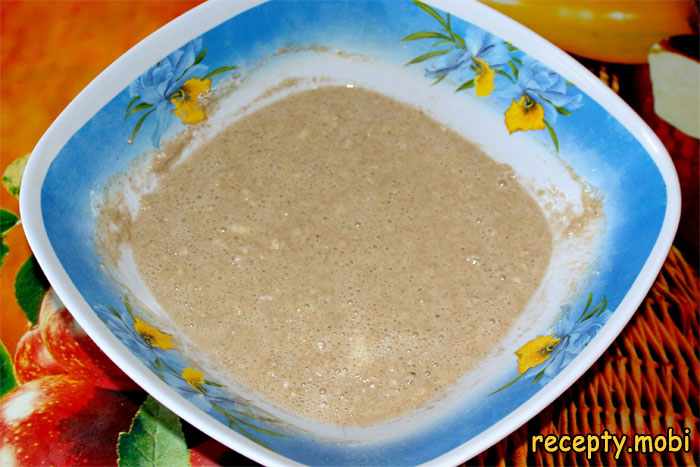
Set the sponge aside in a warm place for 15–20 minutes. In this time it should froth up and roughly double in volume – a sign that the yeast is active and the bread will be light. Important: the sponge must be kept warm; at a room temperature below 20°C it may not rise.
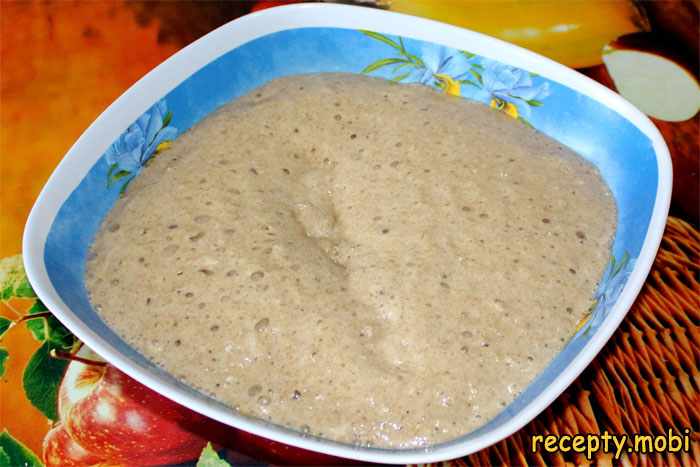
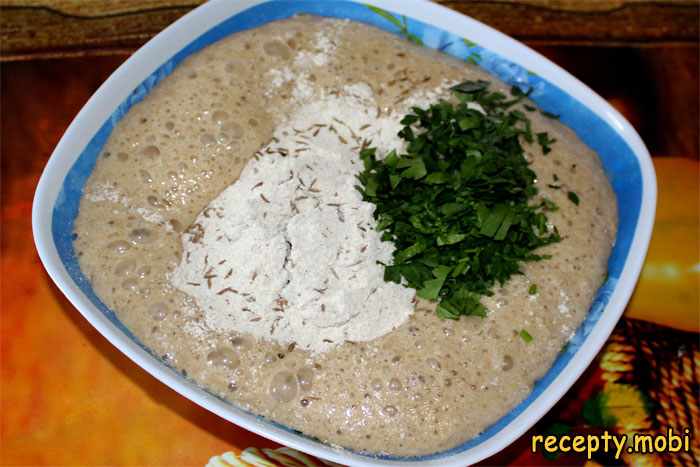
While the sponge is proving, finely chop the fresh parsley on a board with a sharp knife. Warm the remaining milk (250 ml) gently until just warm. Add the salt (1 tsp), the warm milk, the rest of the rye flour, the chopped parsley and the caraway seeds to the risen sponge. Keep a little caraway (about 1 tbsp) back to sprinkle on top of the bread.
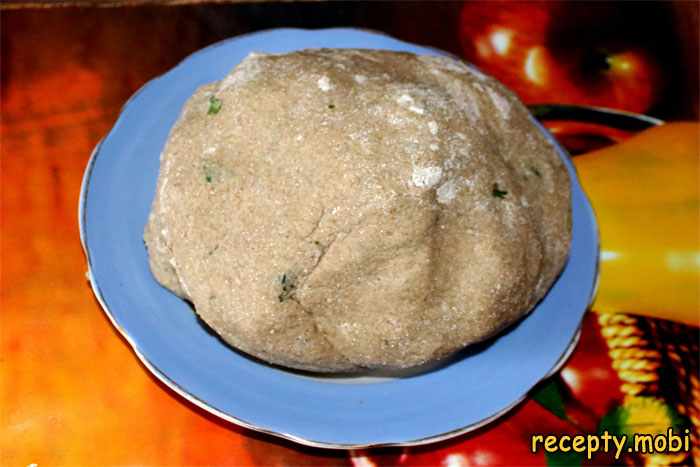
On a clean work surface dusted with flour, knead a stiff dough. Knead it thoroughly for at least 10 minutes – this matters for developing the gluten and getting an elastic dough. Transfer the dough to a clean bowl, cover with a tea towel and leave in a warm place for 30 minutes for the first rise.
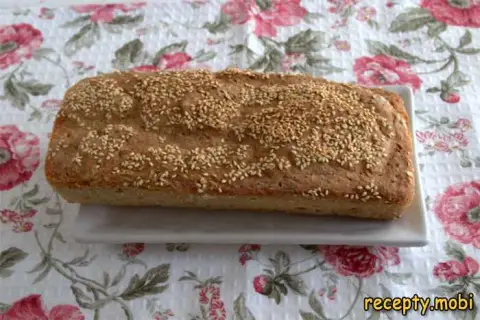
After the first rise, knock the dough back and let it rest again for 20–30 minutes. Repeat this twice – it makes the bread softer and more open. Grease a rectangular baking tin with vegetable oil and lay in the prepared dough, shaping it into a loaf. Brush the top of the bread with vegetable oil and sprinkle with the reserved caraway seeds.
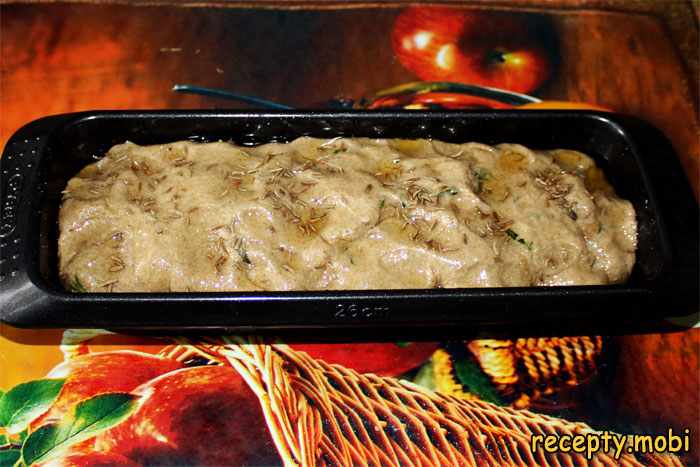
Put the tin into an oven preheated to 180°C. Bake the bread for about 50 minutes until it has a golden-brown crust. In this time it will brown on the outside and bake through inside. Check it is done with a wooden skewer – it should come out dry.
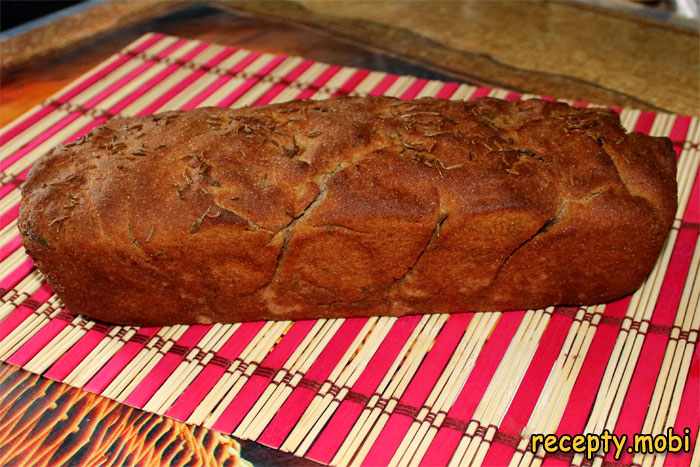
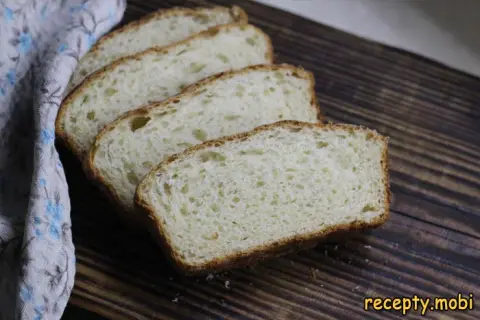
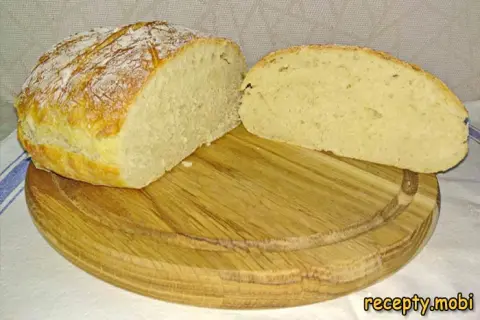
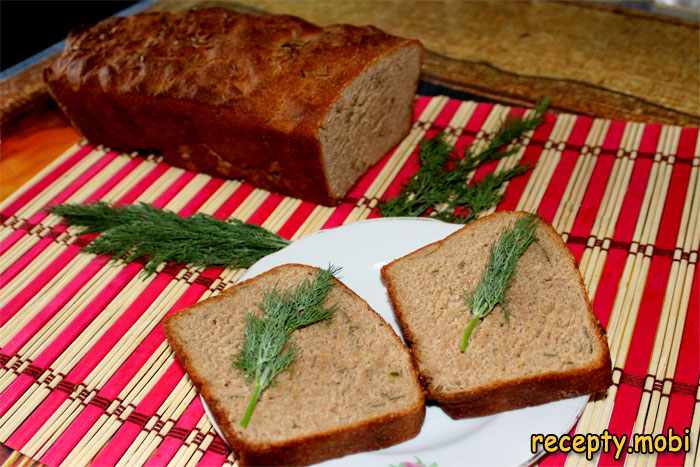
Take the finished rye bread out of the oven and let it stand in the tin for 10 minutes, then carefully turn it out and cool it on a wire rack. The bread comes out aromatic, with a crisp crust on the outside and a soft, open crumb inside. I serve it warm at the table – that is when it tastes best.


Tips
- 1
I use only fresh (pressed) yeast – it raises rye dough better than dried yeast. If you use dried yeast, reduce the amount to 15–17 g, but the proving time will be longer.
- 2
I warm the milk to 35–38°C – if it is hotter than 45°C, the yeast will die and the dough will not rise. I check the temperature with a finger – it should feel pleasantly warm.
- 3
For a more pronounced rye flavour you can replace part of the milk (100 ml) with kvass or kefir. The bread will have a slight tang, typical of true rye bread.
- 4
I keep the finished bread in a cotton cloth or a paper bag at room temperature for up to 3–4 days. In a plastic bag the crust softens and the bread goes mouldy faster.
FAQ
Can I use dried yeast instead of fresh? +
Yes, replace the 50 g of fresh yeast with 15–17 g of fast-action dried yeast. Add dried yeast straight into the flour, without activating it first. The proving time for the sponge will increase to 30–40 minutes.
Why did my bread turn out dense and underbaked inside? +
Most likely the dough did not prove enough, or the oven was too hot on the outside. Rye dough needs a longer rise than wheat dough. Also check that the yeast is fresh.
Can I add wheat flour? +
Yes, you can replace up to 30% of the rye flour with wheat flour (300 g wheat + 700 g rye). The bread will be lighter and rise more easily, but the rye flavour will be less pronounced.
What herbs can I use instead of parsley? +
Dill, coriander, spring onion or a mix of them all work well. You can also add dried herbs – oregano, basil, herbes de Provence. Use three times less of dried herbs than fresh ones.
Can I freeze the finished bread? +
Yes, once cooled the bread can be sliced and frozen for up to 2 months. I defrost it at room temperature or in a toaster. To bring back the crisp crust, I warm it in the oven at 180°C for 5–7 minutes.
- Comment
or post as a guest
Be the first to comment.