avg —
Napoleon Cake from Ready-made Layers with Custard in 5 Minutes

Instructions
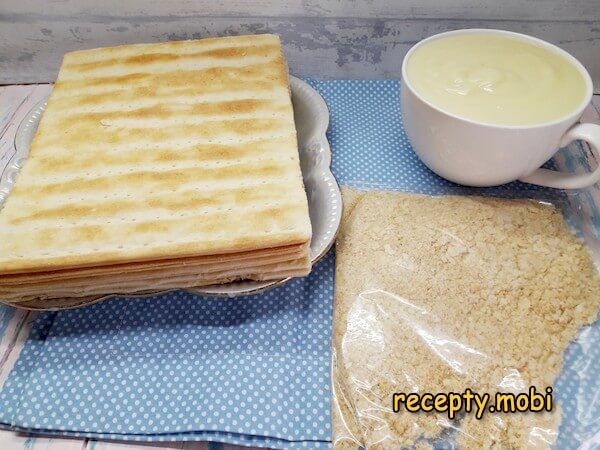
I prepare all the ingredients in advance. The custard must be completely cooled and thick – if it is warm, it makes the layers slippery and the cake may "float". If I make the custard the night before, I cover it with cling film placed in direct contact with the surface so that a skin does not form.
The puff pastry layers are very fragile, especially at the edges. I work with them on a perfectly flat surface – for example, on a tray or a wooden board. I place the first layer down, apply 4–5 tablespoons of custard and spread it gently across the surface. The custard should penetrate every unevenness – this determines how moist the cake will be.
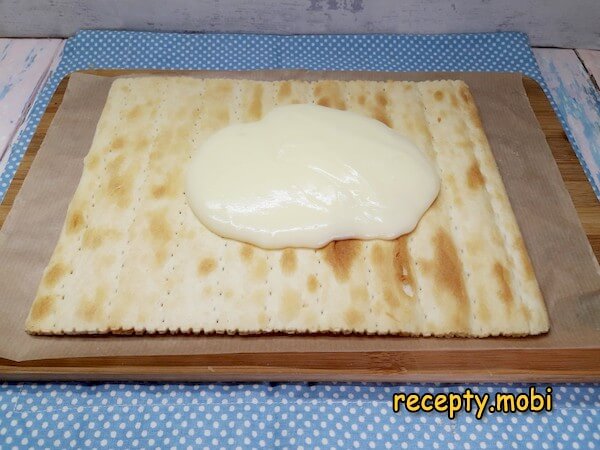
I spread the custard over the entire surface of the layer in a thin but even coat. I pay special attention to the edges: no dry spots should remain – it is exactly through them that the cake quickly loses its texture and turns out a little dry.
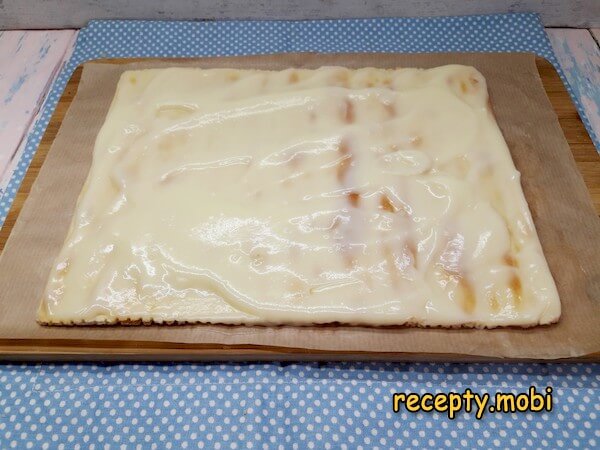
I carefully lay the next layers, repeating the spreading. It is important not to press with your hands – I simply "place" the next layer on top. I use almost all of the custard, leaving a couple of spoonfuls for the final stage. I cover the assembled cake with paper or a container lid and leave it for 1 hour at room temperature – this is enough time for the layers to begin soaking and to soften.
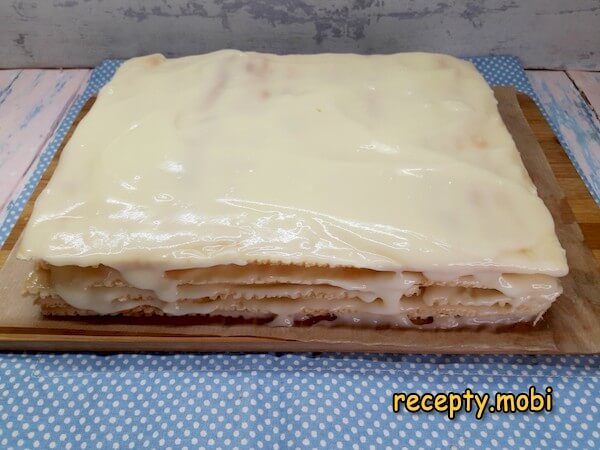
After an hour the layers settle slightly – now I can gently spread the remaining custard over the sides. If the set includes a packet of crumbs, I use it to coat the sides and top. If not, I simply crush 1 layer. Then I move the cake to the refrigerator for at least 2 hours, and preferably overnight: in the cold it sets and becomes truly melting.
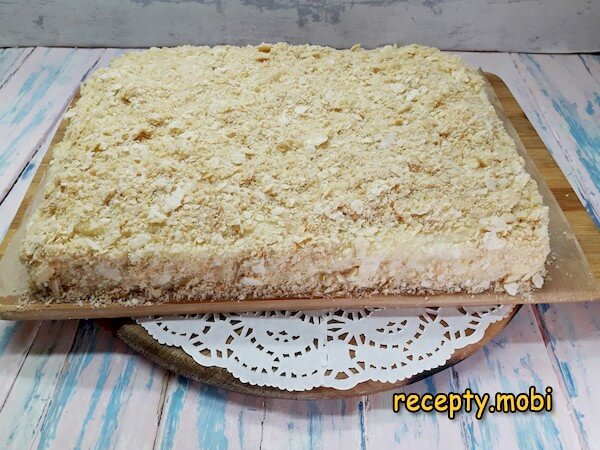
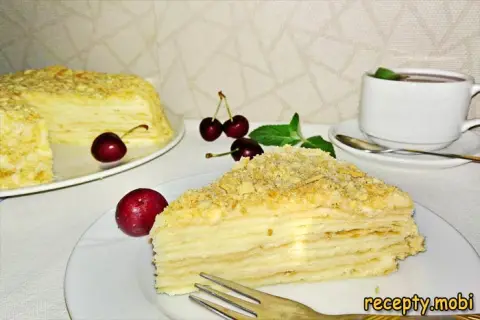
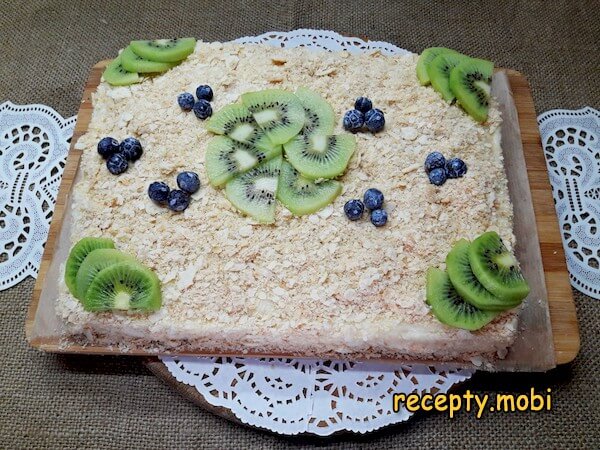
The Napoleon cake from ready-made layers with custard is ready. Before serving, I decorate the cake if I like. It can be a handful of fresh berries, thin fruit slices or mint leaves. Such decoration makes the dessert festive. But even without decorations it will delight with its soft, soaked structure and rich flavour.


Tips
- 1
FULLY COOLED CUSTARD is the secret to shape. Warm custard runs out between the layers and the cake "floats". Cold custard holds the layers.
- 2
DO NOT SKIMP ON CUSTARD – the secret to moistness. A thin coat and the cake will be dry. The custard should "float" slightly between the layers so the soaking is rich.
- 3
1 HOUR AT ROOM TEMPERATURE + 2 IN THE REFRIGERATOR – the secret to texture. First the warmth starts the soaking, then the cold sets the structure. The best result is a night in the cold.
- 4
CRUMBS FROM 1 LAYER – the secret to decoration. If there is no packet of coating, I crush one layer into crumbs for the sides and top. The same principle works in other kinds of layered cakes.
Video

FAQ
Can the custard be replaced with another? +
Yes, you can use buttercream, sour cream-based or cream-based fillings – the main thing is that it soaks the layers well. Alternatives: a cream of condensed milk and butter (faster, but sweeter), 25% sour cream cream + icing sugar (lighter), "Charlotte" cream of butter and eggs (a classic), "Plombir" cream of semolina and butter, mascarpone with condensed milk (premium). Not suitable: runny creams (they run off), gelatine mousses (too dense), whipped cream (it settles quickly under the weight of the layers). For a "classic Napoleon" – custard is a must.
What to do if the layers are too brittle? +
I work with them slowly, on a flat surface (a tray, a cutting board). If necessary, lightly mist them with water from a spray bottle – the layers become more pliable. You can warm the package slightly near a radiator for 5–10 minutes (without opening it) – the layers become more elastic. Do not throw away broken pieces – use them in the middle of the cake between whole layers, or crush them for the coating. The main thing is not to press during assembly, but simply to place the layers.
How long does the cake keep? +
In the refrigerator under cling film – up to 48 hours. It is better to eat it within 24 hours – at that point it is at its most tender, with the layers having soaked up the custard evenly. Beyond 48 hours the layers can soak through completely and lose their structure. Freezing is not recommended – on thawing the custard may separate and the structure of the layers will deteriorate. Before serving, let it stand for 15–20 minutes at room temperature so the custard softens and the cake "wakes up".
What to serve Napoleon cake with? +
A classic with tea: with a cup of black tea with lemon or milk. With a cup of latte or cappuccino. With a glass of milk (family style). With fresh berries (strawberries, raspberries, blueberries) on top or alongside. With a cup of cocoa with marshmallows for children. With a glass of dessert wine or Baileys liqueur. With dried-fruit compote. With a cup of herbal tea for an afternoon snack. With whipped cream served separately in a dish. With a glass of fruit juice. For a "family celebration" – with champagne at the end of the meal. A universal dessert for any occasion.
- Comment
or post as a guest
Be the first to comment.