RU EN
No-Bake Chocolate Biscuit Cake Without Gelatin

difficulty Medium
0 views this month
0 saved by readers
0 ratings
avg —
Cake

No-Bake Chocolate Biscuit Cake Without Gelatin

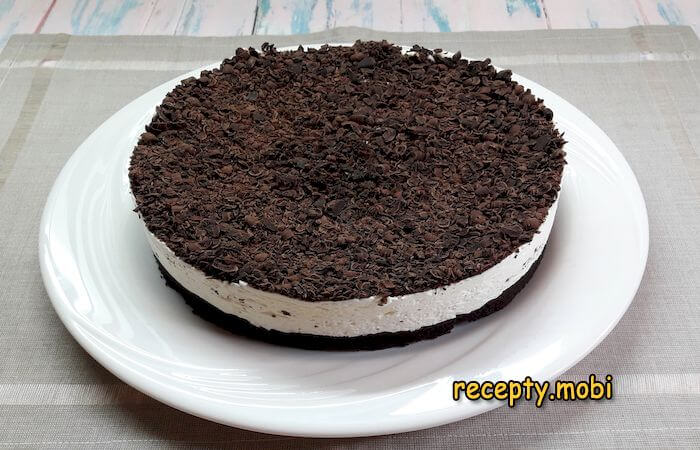
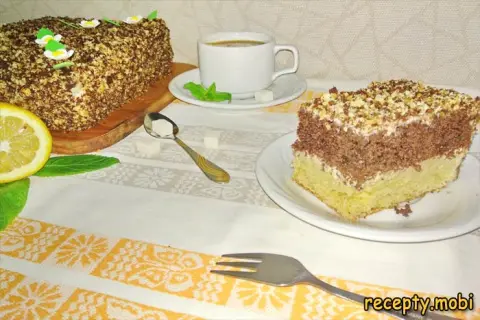
The no-bake chocolate biscuit cake without gelatin is the busy host's best friend, an elegant dessert that needs no oven, no piping skills, and no setting agents to deliver a beautifully sliceable cake with a crisp chocolate cookie base and a silky cottage cheese cream that holds its shape on every plate.
Yield 4 servings
Calories 323 kcal
Difficulty Medium
Jump to recipe

Instructions

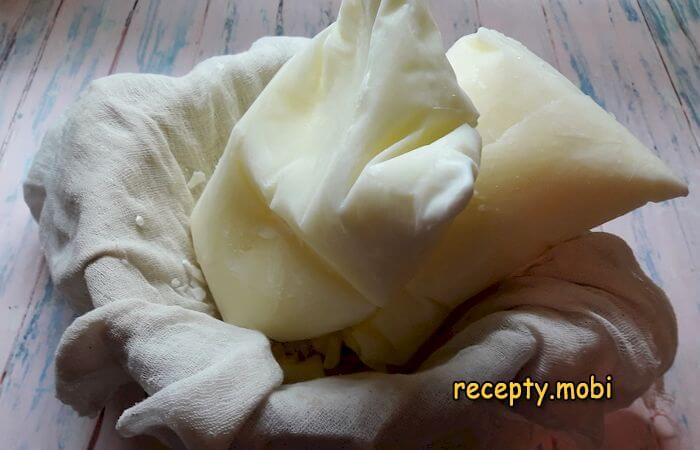
  1. If using store-bought cottage cheese, skip the next four points and jump straight to step five. For the homemade version, freeze the kefir in its packaging until solid, remove from the carton, and place the frozen block inside a colander lined with four layers of cheesecloth or thin cotton fabric.

    Step 1
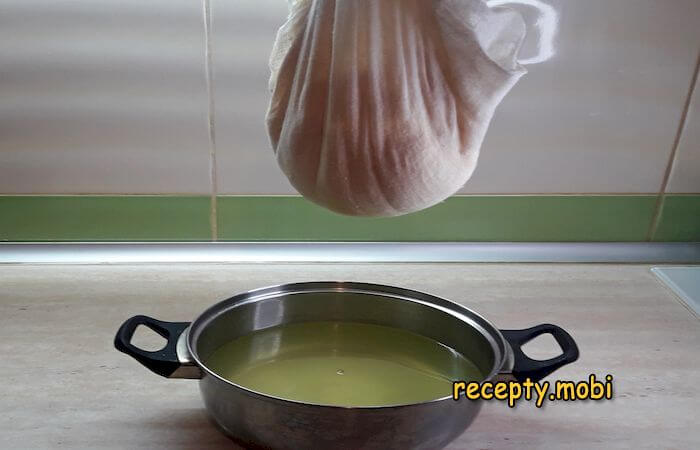
  2. After the kefir has thawed completely, gather the corners of the cheesecloth into a bundle and hang it over a deep bowl for four hours so the whey drips out into the container below. Sus pension above the bowl works best because it lets gravity do the draining work without pressing the curds together too tightly at the bottom of the cloth.

    Step 2
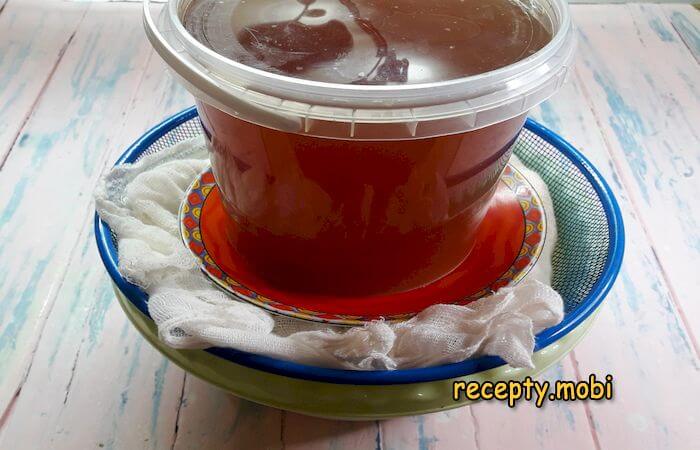
  3. For a denser final cottage cheese suitable for cream-cake work, leave the bundle wrapped and place a light weight on top for two more hours. The added pressure pushes out additional whey and produces a thicker, more sliceable curd that whips up into a smoother cream than wetter cottage cheese would deliver.

    Step 3
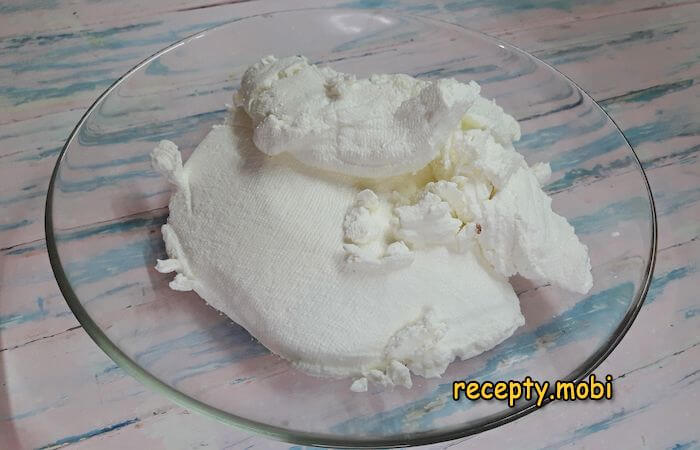
  4. Unwrap the cheesecloth and lift out the delicate creamy cottage cheese; the yield is approximately four hundred grams from two litres of starting kefir. The drained whey can be saved for use in pancake batter, savory pies, or as a tenderizing soak for tough meat cuts. Refrigerate any unused whey in a sealed container.

    Step 4
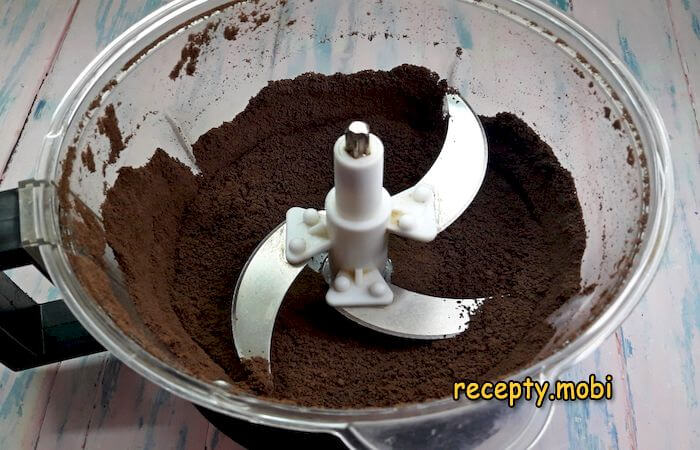
  5. The fastest way to crush the cookies is in a food processor or mini chopper; pulse them into uniform fine crumbs. Without one of those gadgets, place the cookies in a heavy zip-top bag, seal it tightly, and roll a heavy rolling pin back and forth across the bag until all the cookies have reduced to fine crumbs.

    Step 5
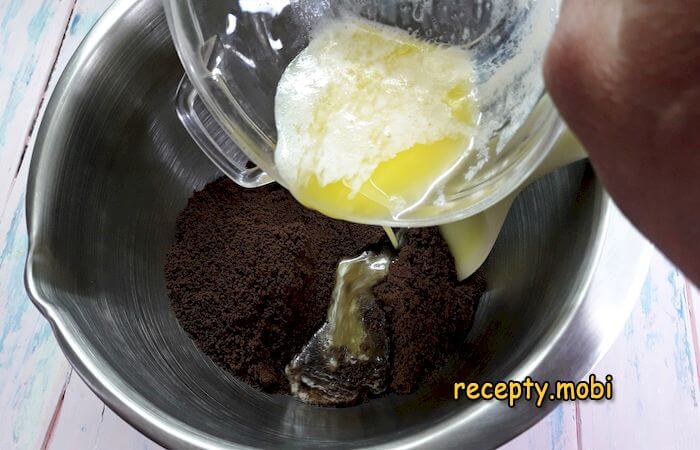
  6. Pour the slightly warmed melted butter over the cookie crumbs in a wide bowl. Mix everything thoroughly with a fork or your fingers until every crumb feels evenly coated and the mixture takes on a uniform damp sandy texture across the entire bowl.

    Step 6
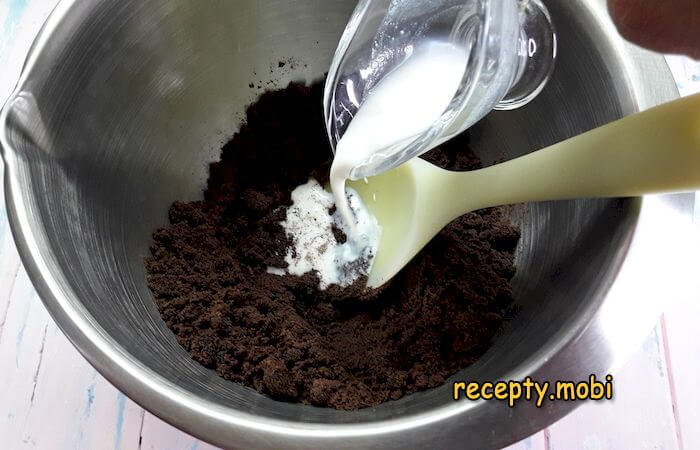
  7. Pour the milk over the buttered crumbs and mix again. The structure of the base should become pliable and hold together when squeezed in the palm but still crumble easily when pressed lightly with a fork. Adjust by adding milk a teaspoon at a time if the mixture feels too dry to hold together.

    Step 7
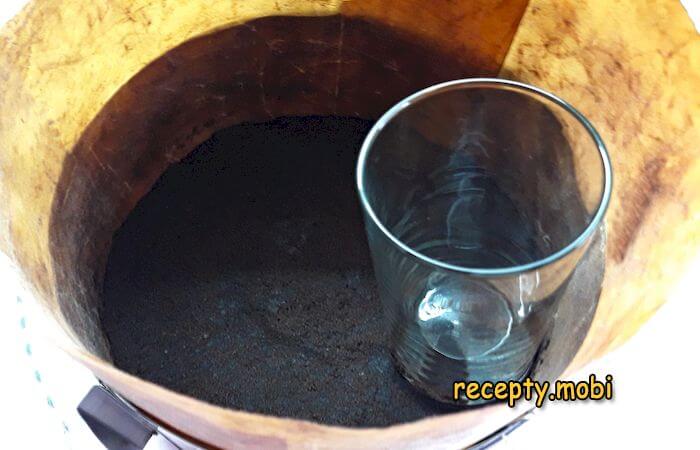
  8. Line the sides of an eighteen-centimetre cake mold with silicone baking strips or baking film. Tip the buttered crumb mixture into the mold and press it down moderately with a flat object like the bottom of a glass; pack firmly enough to hold together but not so hard that the base turns rock-solid. Slide the mold into the refrigerator while you prepare the cream.

    Step 8
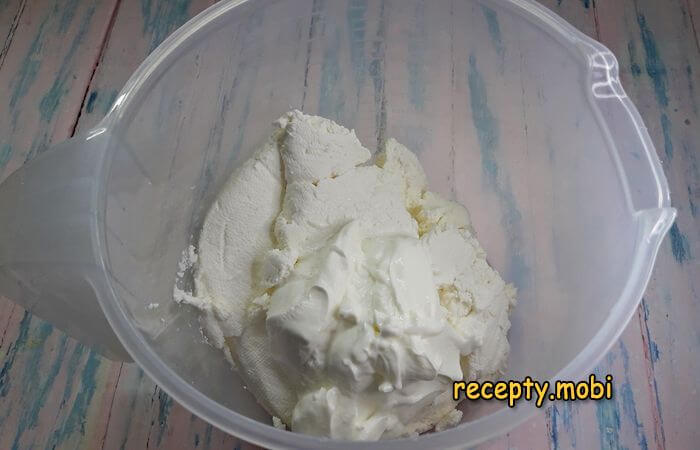
  9. Now make the cream. Combine the cottage cheese with the sour cream in a deep mixing bowl. The sour cream loosens the cottage cheese and provides the moisture needed for the blending step that comes next.

    Step 9
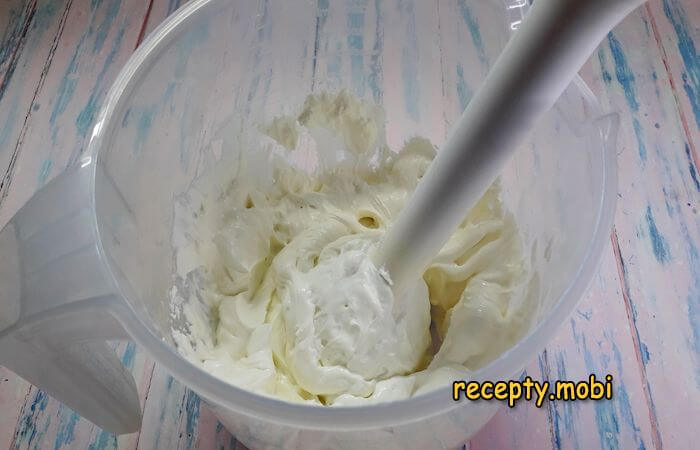
  10. Blend the cottage cheese and sour cream with an immersion blender until the texture turns completely silky-smooth without any visible lumps. The blender does the work that no amount of stirring with a spoon can replicate; properly blended cottage cheese feels almost like cream cheese in the finished cake.

    Step 10
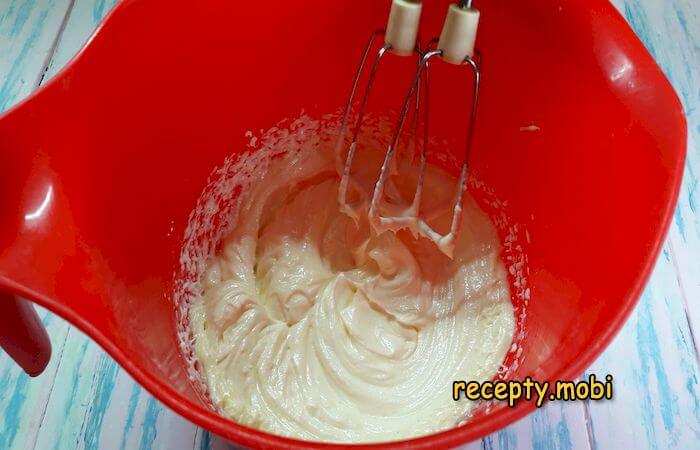
  11. In a separate bowl, beat the soft butter with the vanillin and powdered sugar using a stand mixer or hand mixer on high speed. Whip until the mixture turns pale, light, and noticeably airy in volume, about three to four minutes. The aerated butter base provides the structural stability that lets this no-bake cake hold its shape without any gelatin.

    Step 11
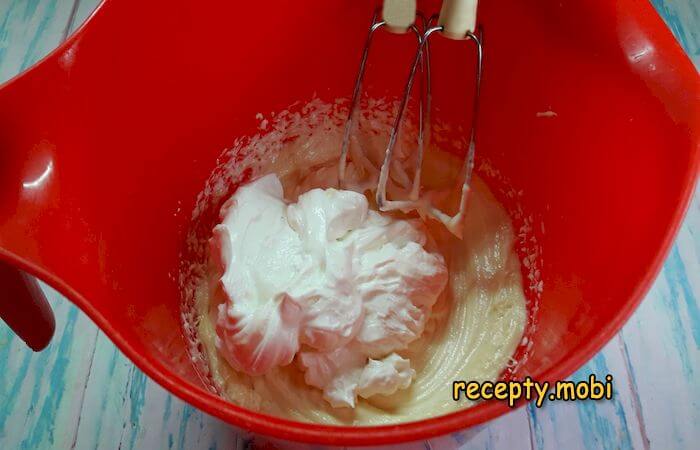
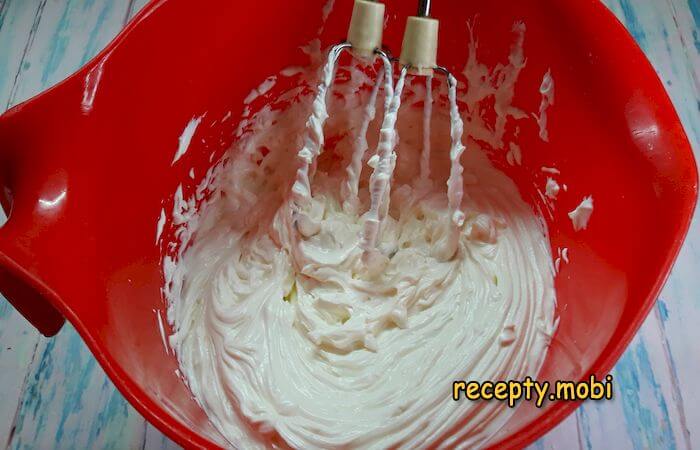
  12. Add half of the blended cottage cheese mixture to the whipped butter and turn the mixer back on. Whip the combined mixture until smooth and uniform, watching that the butter does not split. Mixing the components at the same temperature is critical for a smooth cream.

    Step 12
  13. After the first half of the cottage cheese has incorporated fully, fold in the remaining half by hand with a flexible spatula. The hand-folding step preserves the airy structure already built into the mixture by the butter beating; aggressive mixer work at this stage would deflate everything.

    Step 13
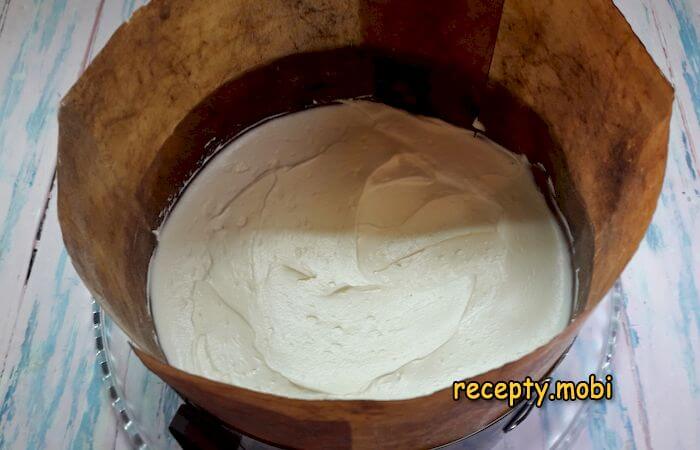
  14. Pull the chilled cookie base out of the refrigerator and spoon the finished cream over its surface. Smooth the cream into an even layer with the back of a spatula or an offset palette knife, working out to the edges of the silicone-lined mold for a clean perimeter all around.

    Step 14
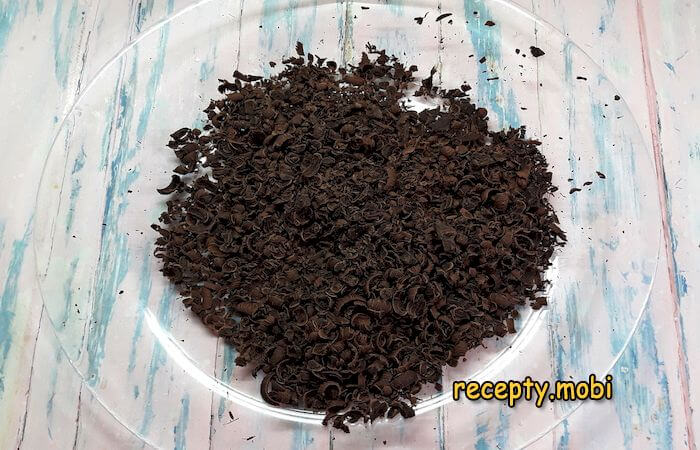
  15. Grate the chocolate decoration on the coarse side of a vegetable grater. Grating the chocolate cold from the refrigerator produces clean curls; warm chocolate sticks to the grater holes and crumbles into ugly fragments rather than the elegant shavings the cake deserves.

    Step 15
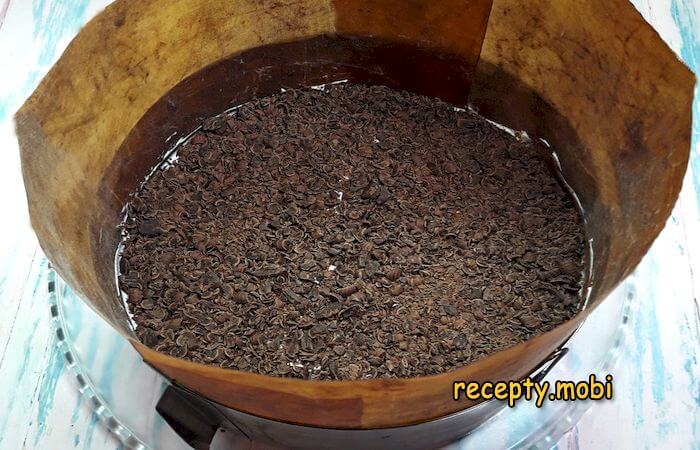
  16. Sprinkle the grated chocolate evenly across the surface of the cream, covering the top with a generous golden-dark crown. Return the decorated cake to the refrigerator and chill for the setting period before serving.

    Step 16
  17. After about two hours of refrigeration, gently lift away the silicone strips from the sides of the cake. The no-bake chocolate biscuit cake without gelatin is ready to slice and serve. The recipe welcomes additions like fresh strawberries, cherries, or raspberries layered into the cream for variety, but even the basic version delights every guest with its airy non-cloying cream over the crisp chocolate cookie base. Try it and enjoy your meal.

    Step 17

Tips

  • 1

    Use the highest-quality butter you can find for both the base and the cream. The recipe calls for eighty-two and a half percent butter for good reason: anything less contains too much water and produces a soft, watery cream that fails to hold its shape after slicing. Premium butter delivers the rich creamy texture that makes this cake truly memorable, and the difference is unmistakable in the finished slice on the plate.

  • 2

    Bring all the dairy ingredients (butter, cottage cheese, sour cream) to room temperature before blending. Cold ingredients refuse to combine into a smooth cream and produce ugly little flecks of separated butter throughout the finished mixture. Pull everything from the refrigerator at least two hours ahead of starting the recipe, longer in cold kitchens. For another classic dessert with similarly delicate cream work, see custard dough cake with custard "Plombir".

  • 3

    Pack the cookie base firmly enough to hold together but not so tightly that it turns rock-solid under the cream. The right firmness lets the base slice cleanly under a knife without crumbling apart on the plate, while still yielding pleasantly to the bite rather than presenting a hard cookie wall. Use the bottom of a flat glass with steady downward pressure for the most even result across the whole surface area of the mold.

  • 4

    Refrigerate the assembled cake for at least two hours, ideally four, before serving. The chill time lets the cream set firmly enough to slice cleanly and the flavors meld into a unified whole rather than separate components stacked on top of each other. Overnight chilling produces the very best texture and flavor balance. Try the assembly trick on the related cookie-and-cream concept of the festive chocolate shortbread cookies for a different dessert experience.

FAQ

Can I make this cake without dairy for a vegan version? +

Yes, several plant-based alternatives produce excellent results that closely match the original. Replace the butter with a high-quality vegan baking margarine that has comparable fat content. Swap the cottage cheese for blended firm tofu or thick coconut yogurt; both produce smooth creamy textures after blending. Use coconut cream in place of the sour cream for added richness. The vegan version sets up just as well as the dairy original because the structural stability comes from whipped fat rather than from any animal protein, and the chocolate shaving topping remains the same in either version.

How long does the cake stay fresh in the refrigerator? +

The assembled cake keeps well for up to five days in a covered container in the refrigerator without significant loss of texture or flavor. Cover loosely with cling film to prevent the surface from drying out and to stop the cream from absorbing other refrigerator odors. The texture actually improves over the first twenty-four hours as the flavors meld and the cream sets fully. Beyond five days, the cookie base starts to soften noticeably as it absorbs moisture from the cream above, so the cake is best consumed within that window for peak quality.

Can I freeze the no-bake cake for longer storage? +

Yes, the assembled cake freezes beautifully for up to two months without any noticeable loss of texture. Wrap the cake tightly in two layers of cling film, then in foil to prevent freezer burn. Thaw overnight in the refrigerator before serving; do not attempt to thaw at room temperature because the warm air softens the cream too quickly and risks separating the butter. Once thawed, the cake tastes virtually identical to fresh-made, and even guests rarely guess that it spent any time in the freezer at all.

What can I add to the cream for variety? +

Several additions transform the basic recipe into different flavor profiles. Fresh berries (strawberries, raspberries, or cherries) folded gently into the cream layer add bursts of fruit and bright color contrast. Crushed nuts (walnuts, almonds, or hazelnuts) bring satisfying crunch and a more sophisticated flavor. A spoonful of strong espresso powder turns the dessert into a coffee-chocolate cake. Grated lemon zest brightens the cream and balances the rich chocolate base. For a holiday version, fold in chopped candied orange peel and a splash of orange liqueur for an elegant adult-only treat that elevates the simple recipe into special-occasion territory.

Write comments...
symbols left.
or post as a guest
Loading comment... The comment will be refreshed after 00:00.

Be the first to comment.