Write a comment
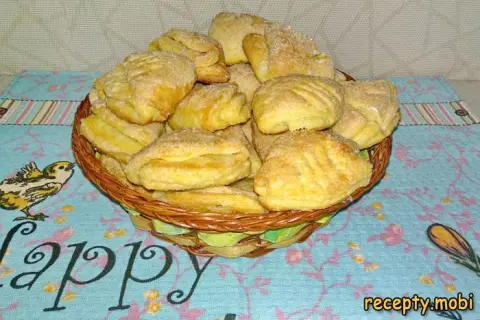
Chocolate Shortbread Cookies

Chocolate Shortbread Cookies

Chocolate shortbread cookies are the kind of treat you can pull together in the smallest pocket of free time during a busy day. The dough takes only a few minutes to mix, calls for ingredients that already live in most pantries, and rewards a brief rest in the refrigerator with a tender, crumbly bite that breaks cleanly under the fingers. The cocoa adds a deep chocolate flavor without the heaviness of melted chocolate, while a handful of oat flakes lends a gentle chew and a homemade character. Serve them with hot milk, a strong cup of tea, or freshly squeezed fruit juice for an instant lift.

Yield6 servings.
Time60 minutes.
Calories359 kcal per 100 grams of the dish.

Ingredients

Show ingredients
  • wheat flour — 200 g;
  • oat flakes — 100 g;
  • sour cream 15–20% — 100 g;
  • sugar — 80 g;
  • egg — 1 piece;
  • vegetable oil — 50 ml;
  • cocoa powder — 3 tbsp;
  • baking powder — 1 tsp.

Preparation

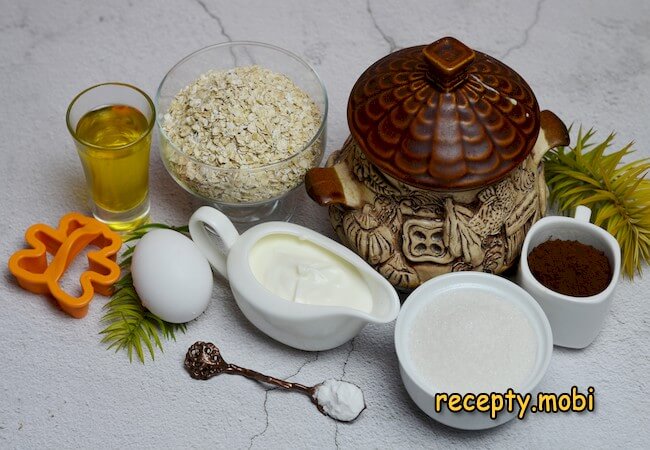
  1. Begin by lining up the dry components, paying close attention to the oat flakes. Choose the quick-cooking variety, the kind that is thin and brittle and breaks apart easily under finger pressure. Larger rolled oats remain too tough during the short baking window and disrupt the tender shortbread texture.
    Ingredients for making chocolate shortbread cookies - photo step 1
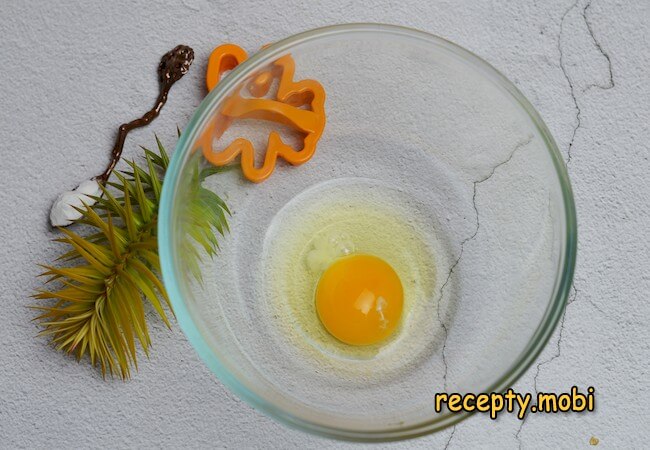
  2. Crack a single egg into the mixing bowl. One egg is exactly the right amount for this batch; an extra egg makes the shortcrust pastry tougher and robs it of the loose, crumbly bite that gives the cookies their character.
    Egg - photo step 2
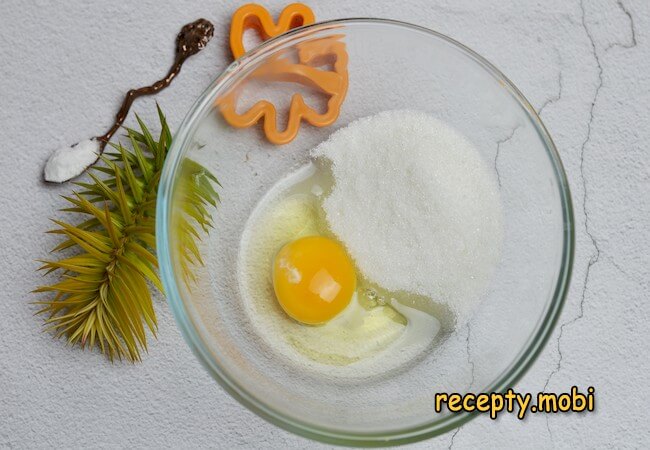
  3. Add the measured sugar to the egg. The amount listed delivers a moderate sweetness that lets the cocoa shine through without becoming cloying. Anyone with a stronger sweet tooth can stir in an extra teaspoon, but resist the urge to double it or the dough will spread thin in the oven.
    Egg and sugar - photo step 3
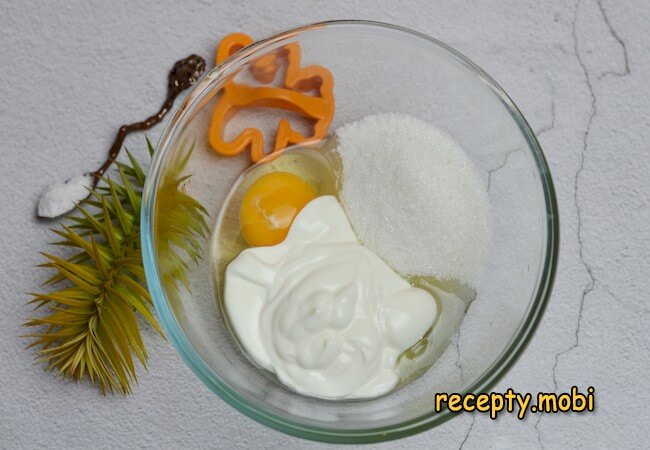
  4. Pour in the thick sour cream and stir gently to combine it with the egg and sugar. Full-fat sour cream gives the dough its richness and helps the cookies stay moist for several days after baking, so do not be tempted to use a low-fat version.
    Making chocolate dough for cookies - photo step 4
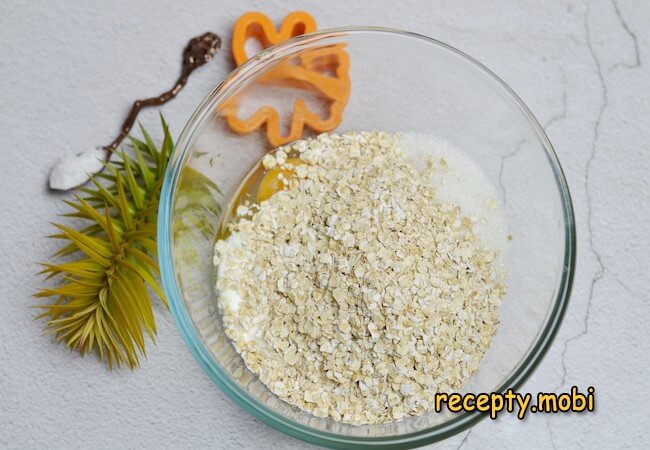
  5. Weigh out the oat flakes and tip them straight into the bowl. There is no need to crush them further; the flakes will remain visible inside the finished cookie and contribute a pleasant chewy contrast to the crumbly base.
    Making chocolate dough for cookies - photo step 5
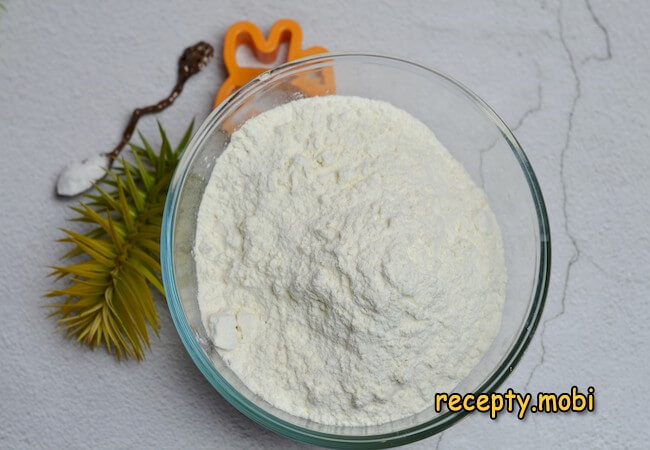
  6. Sift in the wheat flour using the exact amount listed in the recipe. Adding extra flour past this point tightens the dough and produces hard, dry cookies rather than the desired soft and crumbly result.
    Making chocolate dough for cookies - photo step 6
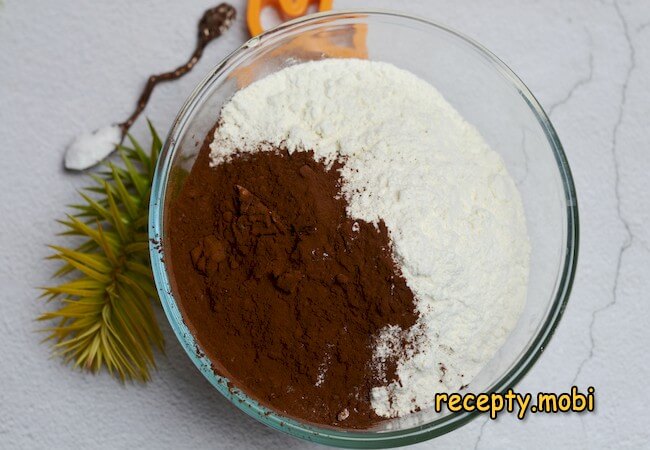
  7. Spoon in the cocoa powder, scooping each tablespoon level rather than heaped. Excess cocoa makes the cookies taste bitter and dries out the dough. A level scoop yields a clean chocolate flavor that pairs naturally with the oat flakes and sour cream.

    Making chocolate dough for cookies - photo step 7
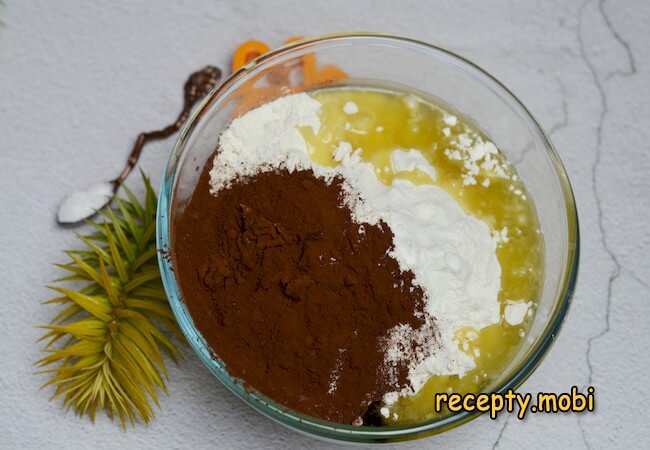
  8. Pour in the fifty milliliters of vegetable oil. A neutral oil such as refined sunflower or grapeseed works best because it carries no competing flavor; olive oil would dominate the cocoa with its grassy notes.
    Making chocolate dough for cookies - photo step 8
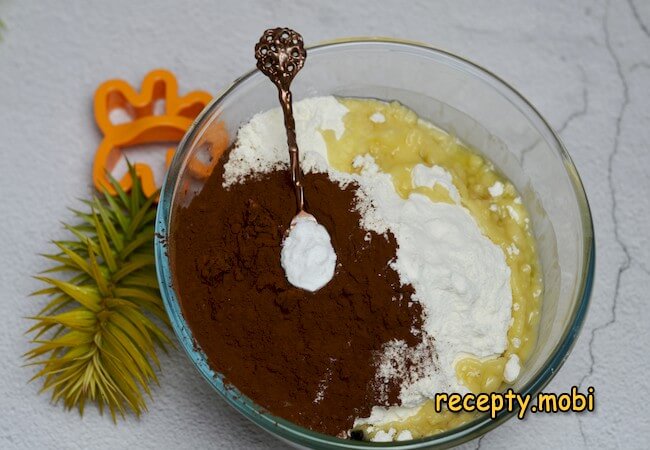
  9. Add the baking powder, this time with a small heap on the spoon. The slight extra dose helps the dough rise enough to stay tender despite the heavy chocolate and oat additions, which would otherwise weigh down the texture.
    Making chocolate dough for cookies - photo step 9
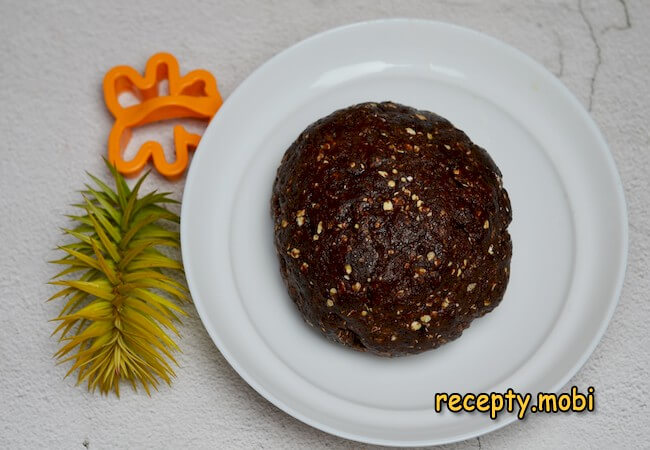
  10. Shortcrust pastry suffers when overworked, so combine the ingredients quickly with a flexible spatula or your fingertips. As soon as the dough comes together into a ball, wrap it in cling film and slide it into the refrigerator for twenty to thirty minutes to firm up.
    Chocolate dough - photo step 10
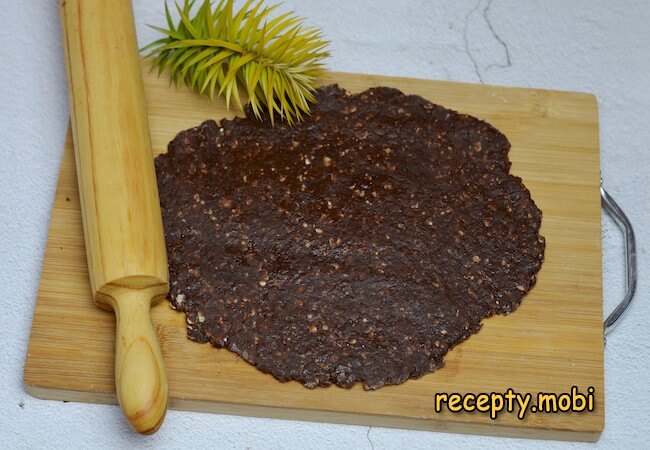
  11. Take the chilled dough out and roll it on a lightly floured work surface to a thickness of five to eight millimeters. Even thickness ensures the cookies bake at the same rate and finish with a consistent crumbly texture.
    Rolled out chocolate dough - photo step 11
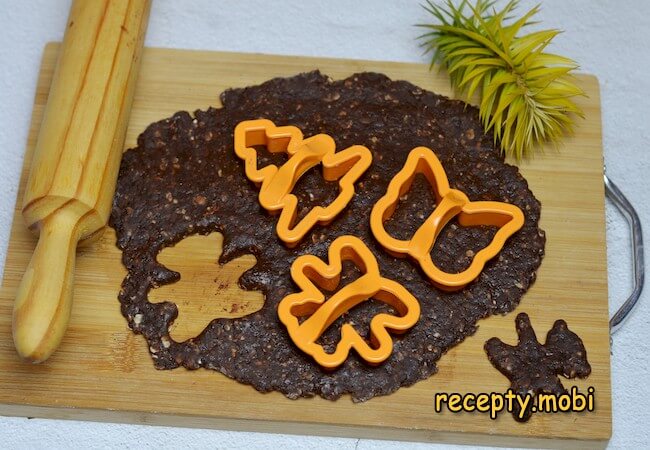
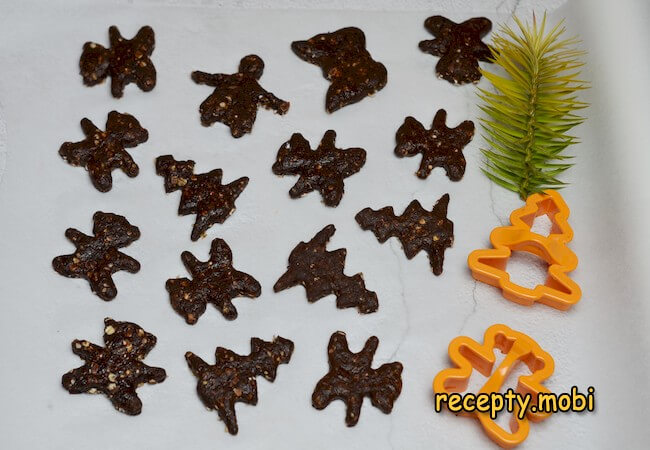
  12. Cut out shapes with a cookie cutter or, if you do not have any, press a thin coffee cup down through the dough to make neat round disks. Reroll any scraps once and cut again so nothing goes to waste.
    Making chocolate shortbread cookies - photo step 12
  13. Slide a sheet of baking parchment under the cut shapes, then lift the parchment by the corners and transfer the whole sheet onto a baking tray. This trick keeps the soft dough from stretching or distorting on the move.
    Making chocolate shortbread cookies - photo step 13
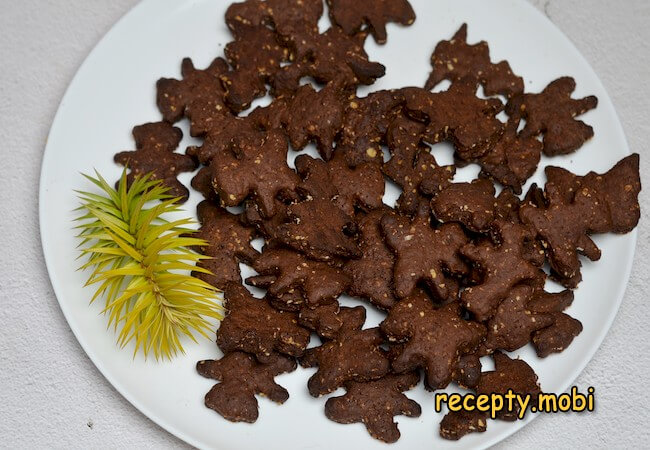
  14. Place the tray of shortcrust shapes into a hot oven preheated to one hundred and eighty degrees Celsius. Bake for twenty minutes, then check; the cookies should feel set on top but still tender underneath. Let them cool briefly on the tray before transferring to a serving plate.
    Chocolate Shortbread Cookies
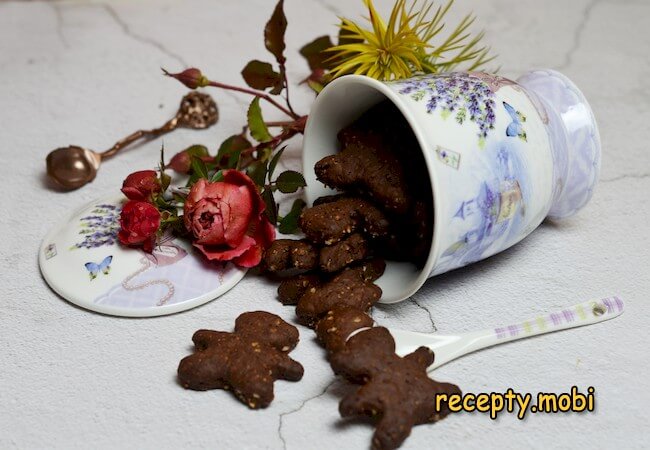
  15. Chocolate shortbread cookies keep beautifully in a paper bag or a tin box, away from any source of moisture. In dry storage they remain crumbly and crunchy for a full week and lose none of the warm cocoa flavor, making them ideal for gifting or stashing away for guests.
    Chocolate Shortbread Cookies

Tips and Tricks

Tip 1. Always chill the dough before rolling, even when you are short on time. The brief rest in the refrigerator firms the fat and lets the flour absorb moisture, which together produce the signature crumbly texture of true shortbread. Skipping this step leaves the dough sticky and difficult to handle, and the baked cookies turn out flat and tough rather than tender and short.

Tip 2. Use Dutch-processed cocoa for a deeper, smoother chocolate flavor. Natural cocoa powder works in this recipe but carries a sharper, more acidic edge that some palates find harsh. Dutch-processed cocoa has been alkalized to mellow the bitterness and is the type used in most professional bakeries. Pair the warm cookies with a slice of soft homemade angel cake for a contrasting dessert plate.

Tip 3. Roll the dough between two sheets of baking parchment instead of dusting the work surface with flour. The parchment method keeps the dough from absorbing extra flour, which would dry out the cookies and dull the chocolate flavor. It also makes lifting the rolled sheet onto the tray effortless and prevents the soft shapes from cracking on the move.

Tip 4. Store the cooled cookies with a small piece of parchment between layers if stacking them in a tin. The parchment absorbs any stray moisture from the air and stops the surface of one cookie from sticking to the next. For a sweet partner at the tea table, try a slice of warm pumpkin muffins with chocolate glaze, which echoes the cocoa note in the cookies.

Frequently Asked Questions

Why did my chocolate shortbread cookies spread too much in the oven?

Excessive spreading usually means the dough was not chilled long enough or the kitchen was too warm when the cookies went into the oven. Cold fat melts slowly and lets the cookie hold its shape; warm fat liquefies on contact with the heat and pulls the dough outward. Return the cut shapes to the refrigerator for an extra ten minutes if your kitchen is hot, and place the tray on the middle rack so the bottom heat does not melt the dough before the top has set.

Can I add chopped nuts or chocolate chips to the dough?

Yes, both additions work beautifully and let you customize the cookies to suit your mood. Stir in up to fifty grams of chopped walnuts, hazelnuts, or almonds along with the oat flakes for a richer, crunchier bite. Chocolate chips or small chunks of dark chocolate can be folded in at the same stage; aim for around sixty grams. Keep the additions small and evenly chopped so they distribute well during baking.

Can I substitute the sour cream with a non-dairy alternative?

Yes, several plant-based alternatives produce excellent results that closely match the original. Coconut cream, the thick layer skimmed from the top of a chilled can of coconut milk, gives the richest body and works as a direct one-to-one swap. Unsweetened cashew cream offers the most neutral flavor and matches the silky texture of dairy sour cream almost perfectly. Soy yogurt thickened with a teaspoon of lemon juice also performs well. Choose whichever option matches the rest of your dietary needs and the cookies will turn out just as tender and crumbly.

How should I store the baked cookies for the longest shelf life?

Store the fully cooled cookies in an airtight tin or a paper bag kept in a cool, dry corner of the kitchen. The dryer the storage environment, the longer the cookies retain their characteristic crumbly snap. Place a small piece of parchment between layers if stacking them, and avoid plastic containers in humid kitchens because they trap moisture against the surface. Stored properly, the cookies remain crisp and flavorful for a full week, and they can be frozen in a sealed bag for up to two months without losing texture.

Write comments...
symbols left.
or post as a guest
Loading comment... The comment will be refreshed after 00:00.

Be the first to comment.