avg —
Christmas Cookies with Glaze, Cinnamon, and Ginger

Instructions
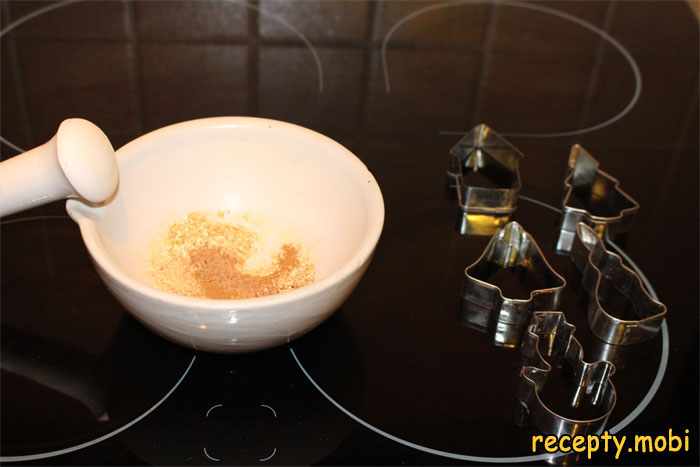
I begin by preparing the spices – this is the secret behind a truly festive Christmas aroma. I place 1 tsp each of ground cinnamon and ginger, a pinch of nutmeg, 3 cloves, and a pinch of anise into a mortar. I grind everything with the pestle until it becomes an even powder – about 2 minutes. Freshly ground spices give a brighter aroma than ready-made blends from a packet.
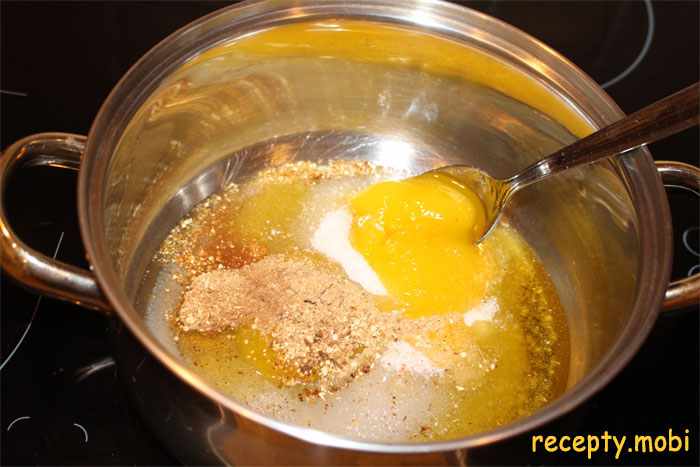
I put 75 g of sugar and 3 tbsp of honey or molasses into a small heavy-bottomed saucepan. I add the ground spices and the dried orange and lemon zest. I place it over medium heat and warm it through, stirring constantly with a wooden spatula. I bring the mixture to a boil – the sugar should dissolve completely and the mass should become smooth and fragrant. There is no need to boil it; the first bubbles are enough.
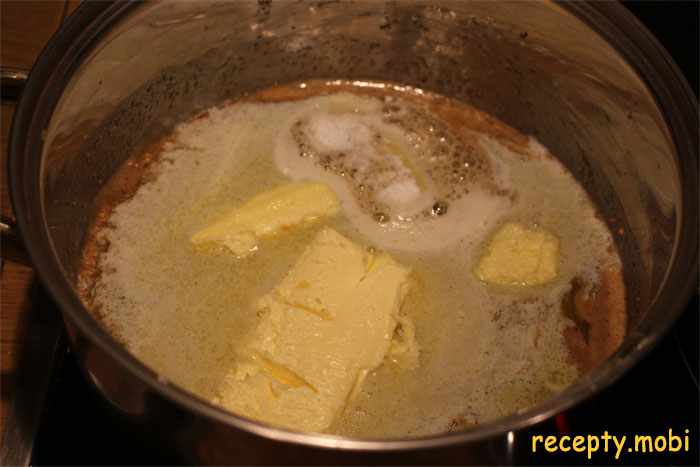
I take the saucepan off the heat and immediately add 80 g of butter cut into small cubes – it melts quickly in the hot mixture. Then I sprinkle in 2/3 tsp of baking soda – the mass will begin to foam and increase in volume, which is the normal reaction of the soda with the acid in the honey. It is the baking soda that gives the cookies their characteristic porous texture and helps them rise during baking. I stir thoroughly until smooth.
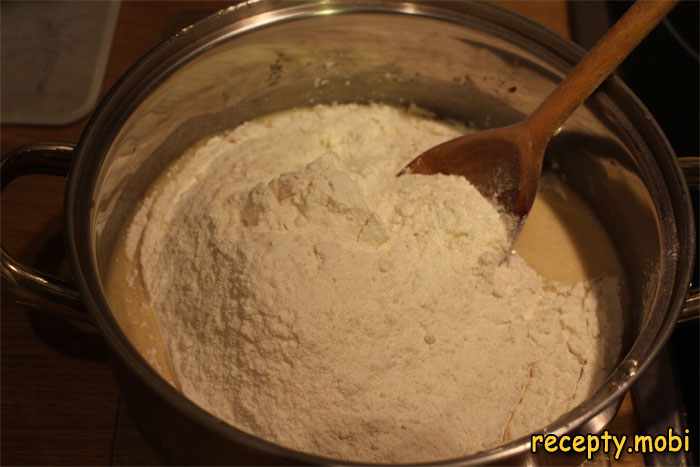
I gradually add the sifted flour in portions of 50–70 g, stirring after each addition. In total, about 220 g of flour is needed. The dough should turn out soft and slightly sticky to the hands – do not add all the flour at once, because the dough will become firmer as it cools. I knead it by hand into an even, pliable mass without lumps of flour.
I shape the dough into a flat disc, wrap it in cling film, and put it in the fridge for 30–40 minutes. Chilling is essential – it makes the dough firmer and easier to roll out, and it also lets the spices develop their aroma more fully. If the dough rests longer (up to 24 hours), the flavour of the cookies will be even richer.
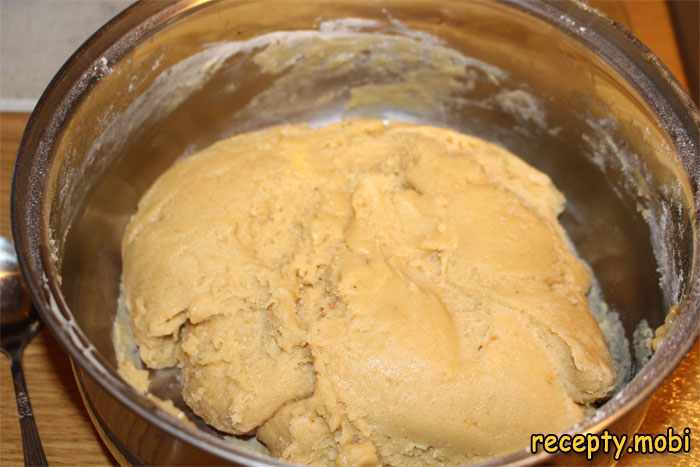
I lightly dust the work surface with flour. I roll out the chilled dough with a rolling pin to a thickness of 3–4 mm – thinner cookies would be too fragile, while thicker ones would not bake through in the centre. I cut out shapes with special cutters: stars, Christmas trees, gingerbread people. I gather the dough scraps, roll them out again, and cut more – this way all the dough is used without waste.
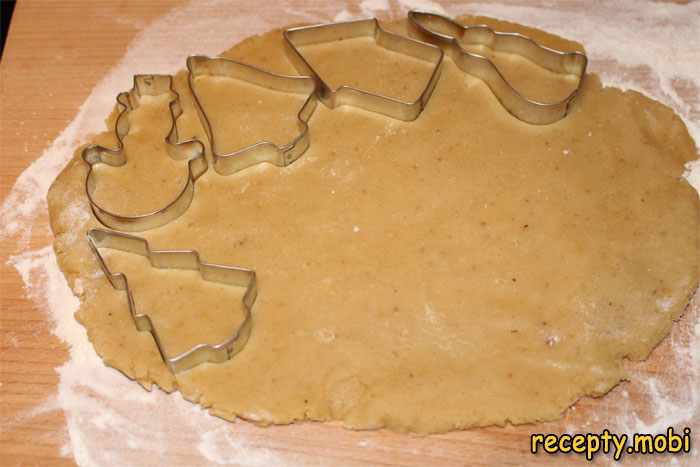
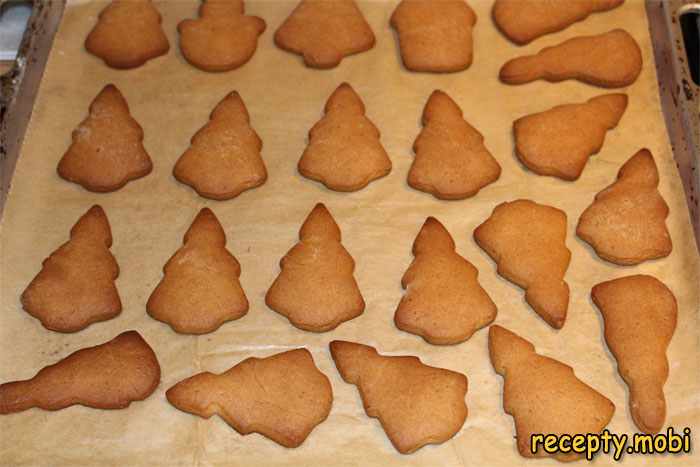
I place the cut-out shapes on a baking tray lined with parchment, leaving 2 cm between them – the cookies expand slightly while baking. I bake them in an oven preheated to 180°C for exactly 8–10 minutes. It is important not to overbake them – gingerbread dough darkens quickly and turns bitter. The finished cookies should be golden-brown and soft to the touch – they will harden as they cool. I transfer them to a wire rack to cool completely.
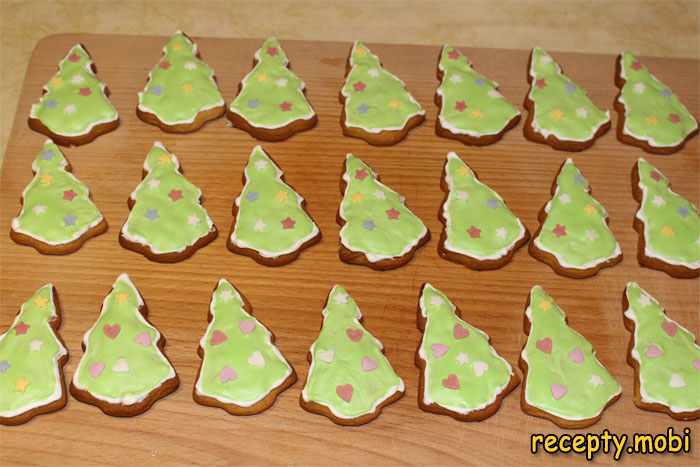
I prepare the royal icing: I sift 200 g of icing sugar and 0.5 tsp of cornstarch into a dry bowl. I add 1 egg white at room temperature and beat it with a mixer on low speed for 2–3 minutes until it forms a fluffy white mass. I pour in 0.5 tsp of lemon juice and beat for another 2–3 minutes – the icing will become glossy. I bring it to the consistency of thick sour cream by adding water drop by drop. If desired, I add food colouring. I transfer the icing into a piping bag and decorate the cooled cookies with patterns.


- Comment
or post as a guest
Be the first to comment.