Write a comment
Cottage Cheese Cookies Roses with Meringue

Cottage Cheese Cookies Roses with Meringue

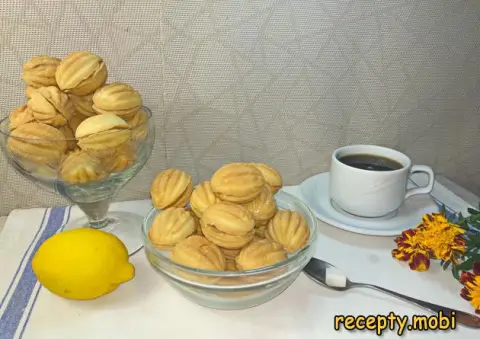
Cottage Cheese Cookies Roses are one of those iconic homemade treats that almost everyone with a Slavic grandmother remembers from childhood, and they remain absolutely perfect for a gentle home tea party today. The cookies turn out beautifully soft on the inside with a properly crispy crust on the outside and a delicious meringue layer rolled into the centre that adds an extra dimension of flavour and texture. Cottage Cheese Roses come together quickly and easily, requiring nothing more than a small handful of pantry-staple ingredients that most households already have on hand.

This is exactly the kind of bake that always seems timely on a quiet Sunday morning when the whole family is gathered at home, the rain is drumming gently on the windows, and a generous pot of tea is brewing on the stove. The cookies pair beautifully with any warm drink, the recipe scales up easily for larger groups, and the children love both helping to roll up the spirals and eating the finished results. A double batch never lasts long when there are willing hands at the table to help eat them.

Yield36 pieces.
Calories346 kcal per 100 grams of the dish.

Preparation time: 90 minutes.

Ingredients

Show ingredients
  • cottage cheese - 250 g;
  • flour - 250 g;
  • butter - 150 g;
  • eggs - 2 pcs;
  • sugar - 200 g;
  • salt - a pinch;
  • baking powder - 1 tsp.

Preparation

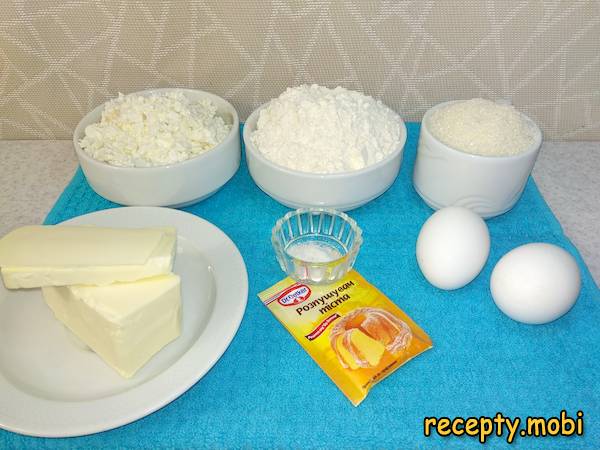
  1. Gather all the necessary ingredients on a clean work surface for making the cottage cheese cookies Roses with meringue. Cottage cheese of any fat content and consistency works well in this recipe. The butter must be very cold straight from the refrigerator, while the eggs should be at cool room temperature for proper whipping later in the process.
    Ingredients for making cottage cheese roses - photo step 1
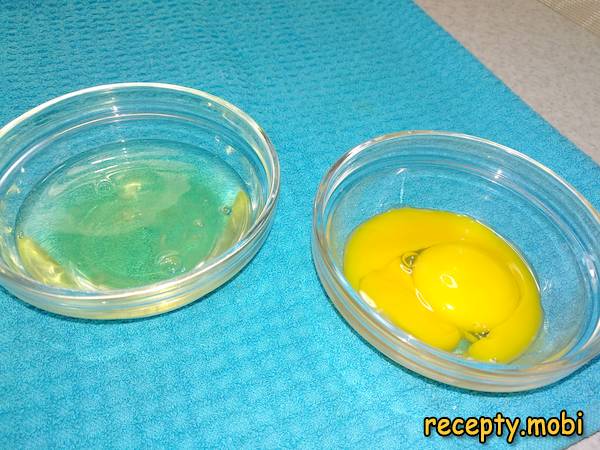
  2. Carefully separate the eggs into whites and yolks while still cold from the refrigerator. Cold eggs separate more cleanly than warm ones, with the yolks holding their shape better and slipping cleanly out of the surrounding whites without breaking unexpectedly during the process.
    Separating yolks and whites - photo step 2
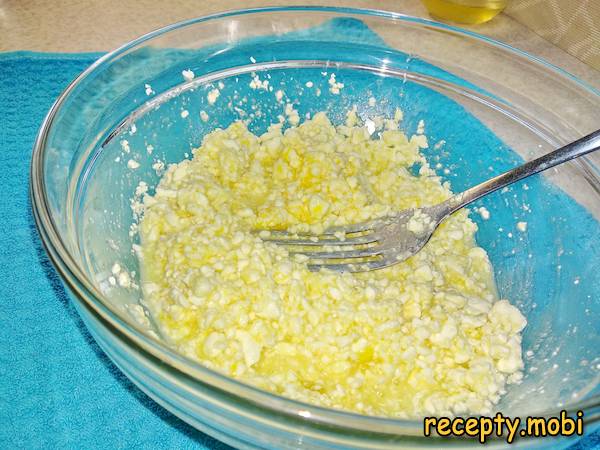
  3. In a deep mixing bowl, combine the cottage cheese, 100 grams of sugar (half the recipe total) and the prepared egg yolks. Mash everything together until smooth using an ordinary fork. The cottage cheese can stay slightly lumpy if you prefer a more rustic texture in the finished cookies.
    Mixing cottage cheese, sugar and prepared yolks - photo step 3
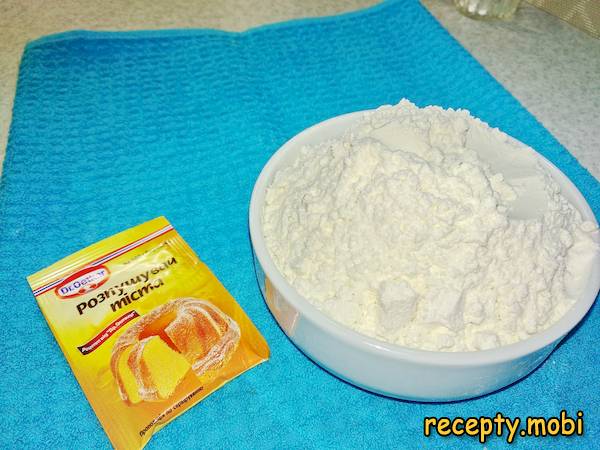
  4. Add the baking powder to the flour and stir to distribute evenly. Adding the leavener directly to the flour ensures even distribution throughout the dry ingredients and prevents pockets of pure baking powder ending up in the finished dough, which can taste unpleasantly metallic.
    Adding baking powder to the flour - photo step 4
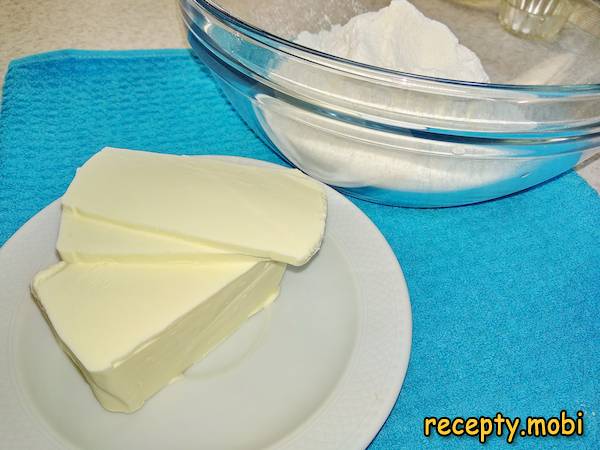
  5. Sift the dry ingredients into a large clean mixing bowl. Take the cold butter out of the refrigerator just at this stage, since the butter needs to stay cold for the dough to develop properly during the next step.
    Butter and flour - photo step 5
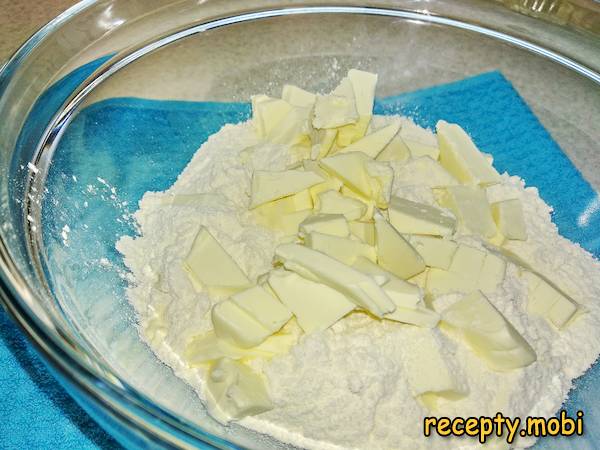
  6. Finely chop the cold butter into small cubes and transfer it to the bowl with the sifted flour. Smaller cubes integrate more easily and produce a more uniform crumbly texture in the finished dough than larger chunks of butter.
    Flour with butter - photo step 6
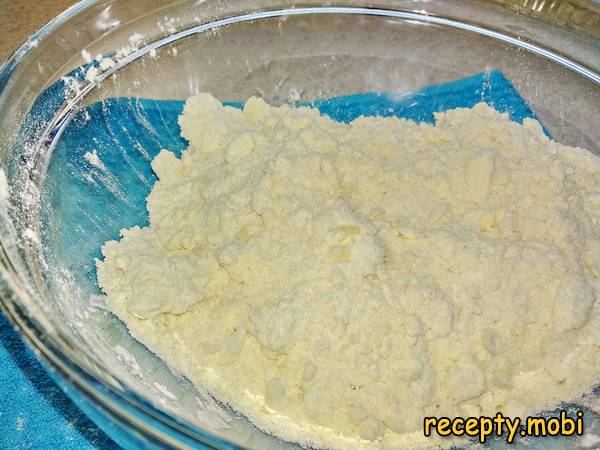
  7. Rub the cold butter into the flour with your fingertips until the mixture resembles fine sandy crumbs. Work quickly to keep the butter cold during this step, since warm melted butter will produce a tough dough rather than the desired tender flaky result in the finished cookies.
    We rub the flour with butter into a uniform crumb - photo step 7
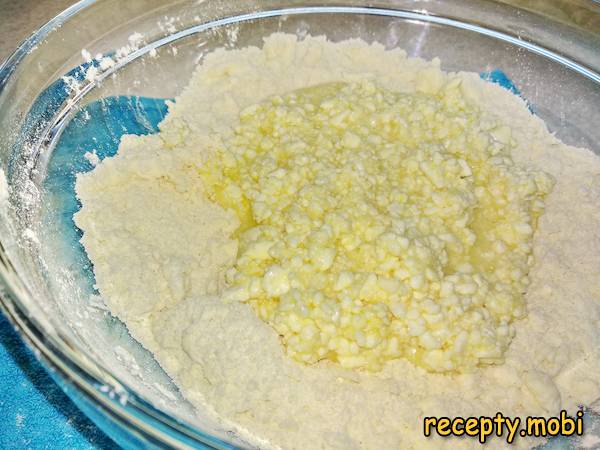
  8. Transfer the prepared cottage cheese mixture to the bowl with the flour-and-butter crumbs. Pour it directly over the crumbs without stirring, since you want to combine everything together in a single brief mixing motion in the next step.
    Transfer the cottage cheese mixture to the bowl with flour - photo step 8
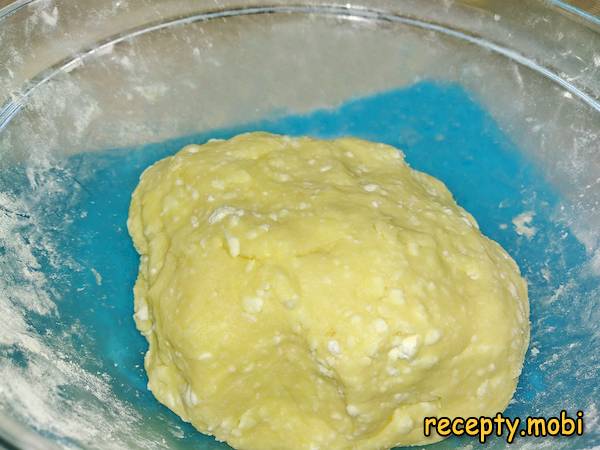
  9. Knead the dough together quickly until everything just comes together. If small lumps of cottage cheese remain visible in the dough, they will produce interesting pockets of texture in the finished cookies that resemble crushed nuts. Transfer the prepared dough to a sealed plastic bag and chill in the refrigerator for about twenty minutes to firm up.
    Cottage cheese dough - photo step 9
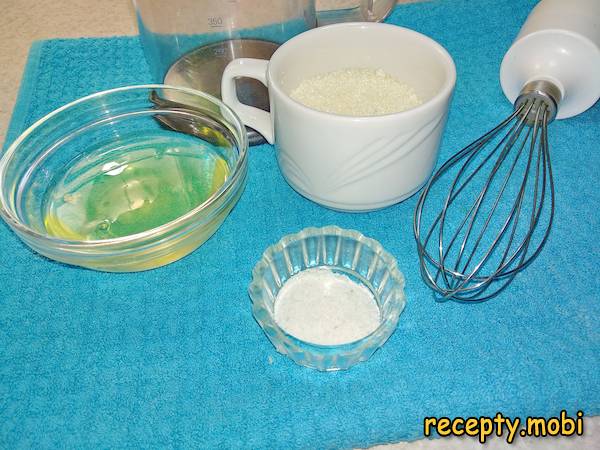
  10. Meanwhile, prepare the meringue. Place the prepared egg whites and a pinch of salt into a clean blender cup or stand mixer bowl. Whip the egg whites into a soft foam, then gradually add the remaining 100 grams of sugar a tablespoon at a time while continuing to whip at maximum speed.
    Ingredients for preparing whipped whites - photo step 10
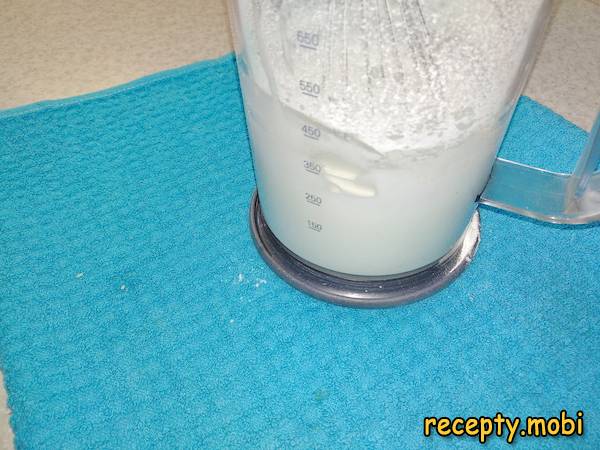
  11. Continue whipping until the egg whites form a stiff glossy fluffy meringue that holds firm peaks when the whisk is lifted from the bowl. The meringue should be smooth and shiny rather than grainy, which would indicate undissolved sugar.
    Whites whipped into a fluffy foam
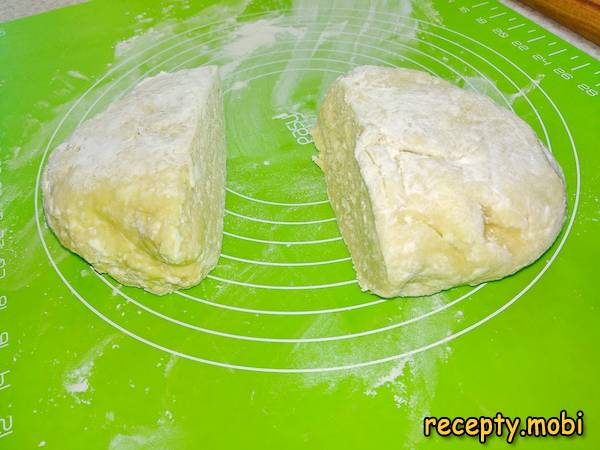
  12. Take the chilled cottage cheese dough out of the refrigerator and divide it into two equal parts on a lightly floured work surface. Splitting the dough makes it easier to handle and roll out without the rolled portion warming up too much before you can finish shaping the cookies.
    Cottage cheese dough - photo step 12
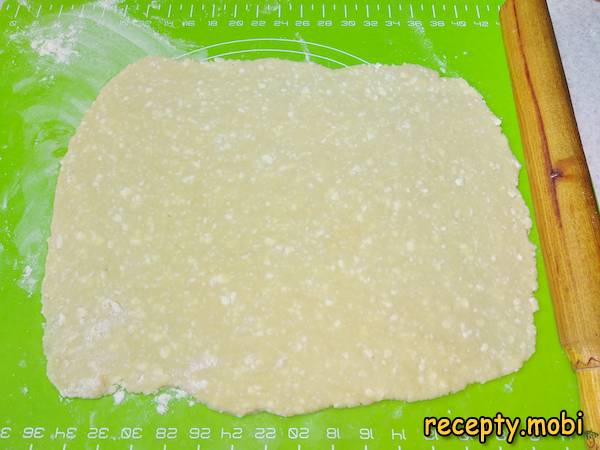
  13. Roll one portion of the dough into a thin even rectangular sheet on the lightly floured work surface. Aim for about five millimetres thick, which is thin enough to roll up tightly but thick enough to support the meringue filling without tearing during shaping. Keep the second portion in the refrigerator until you are ready for it.
    Rolled cottage cheese dough - photo step 13
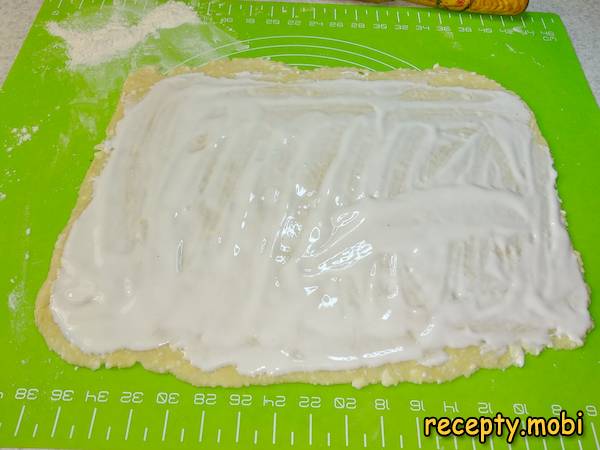
  14. Spread half of the prepared meringue evenly across the rolled-out dough using an offset spatula or the back of a spoon. Take care to spread right to the edges so every roll-up will contain a generous filling, but leave a tiny clean border on one long edge for sealing the spiral.
    Spreading the dough with whipped whites - photo step 14
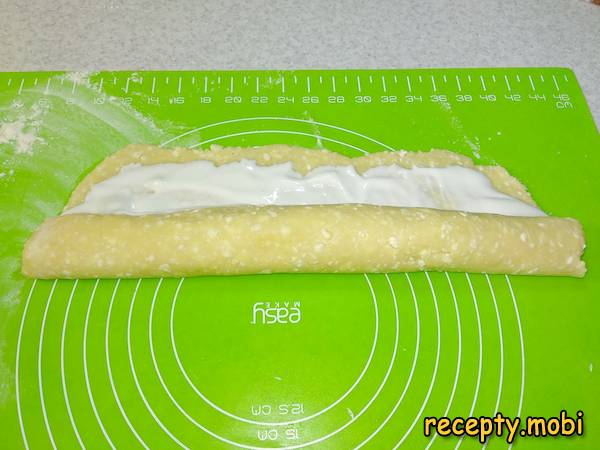
  15. Roll the dough up into a fairly loose log starting from one of the long edges. Avoid rolling too tightly, since aggressive rolling will squeeze the delicate meringue out the sides of the log rather than letting it stay nicely contained inside the dough spiral.
    Making cottage cheese roses - photo step 15
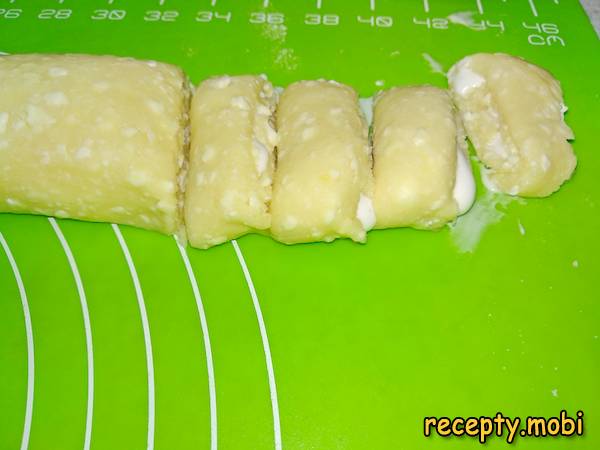
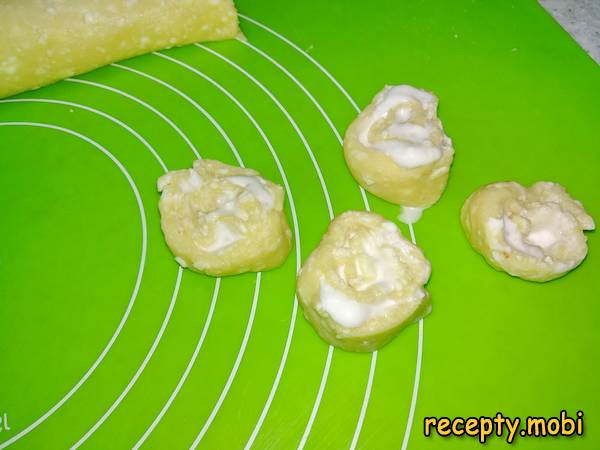
  16. Use a sharp knife to cut the rolled log into circles about two centimetres wide. The slices should reveal the beautiful spiral pattern of meringue and dough when viewed from the cut side, which is exactly what gives these cookies their distinctive rose-like appearance.
    Making cottage cheese roses - photo step 16
  17. Gently round each cut piece with cupped fingers to neaten the spiral shape and tuck in any loose edges. The handling should be brief and gentle, since over-handling can squash the spirals out of shape and lose their characteristic rose appearance.
    Making cottage cheese cookies roses - photo step 17
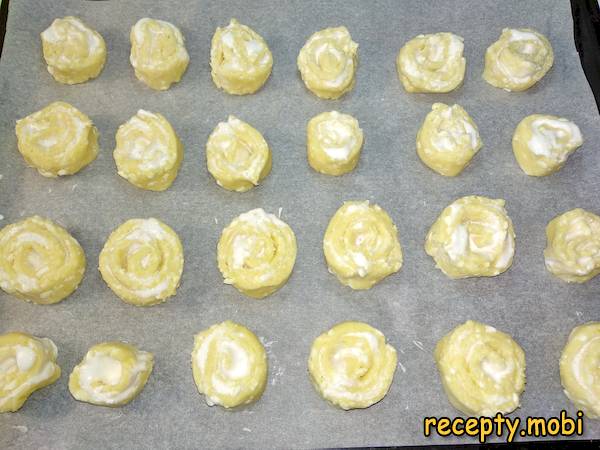
  18. Transfer the shaped roses to a baking sheet lined with parchment paper. The distance between the roses should be at least two to three centimetres, since they will spread slightly during baking. Preheat the oven to 180 degrees Celsius before this step so it is ready when the roses are arranged.
    Making cottage cheese cookies roses - photo step 18
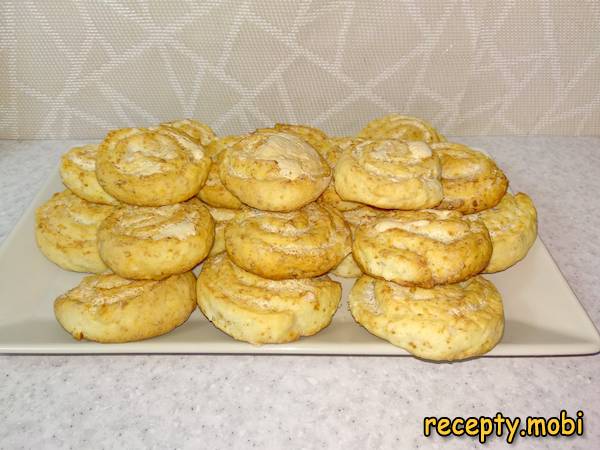
  19. Bake the cottage cheese cookies Roses for up to forty minutes until golden brown and beautifully crisped. In the finished cookies, the small lumps of cottage cheese resemble crushed nuts and add interesting texture. The cookies pair excellently with any drink: tea, coffee, compote or a glass of cold milk. Bon appetit!
    Cottage Cheese Cookies Roses

Cooking video

Tips and Tricks

Tip 1. Keep all the ingredients at the right temperature for best results. The butter must be straight-from-the-fridge cold for the proper crumbly texture in the finished dough, while the eggs should be at cool room temperature for the whites to whip up properly into stiff peaks. The cottage cheese itself can be at any temperature without affecting the result, since it gets thoroughly mashed and incorporated regardless of how warm or cold it starts out.

Tip 2. Roll the dough up loosely rather than tightly, since over-rolling squeezes the delicate meringue out of the spiral and ruins the characteristic appearance of the finished cookies. To pair these classic Slavic cookies with another properly traditional cottage-cheese-based dessert, try our beautifully rich custard curd Easter cake for a stunning twin-dessert celebration spread.

Tip 3. Bake the cookies on parchment paper rather than directly on a greased baking sheet, since the parchment prevents sticking without adding extra fat that could spread the cookies too much during baking. Always preheat the oven fully before sliding the baking sheet in, since putting cookies into a cold oven produces uneven baking and can leave the centres uncomfortably raw while the edges over-brown.

Tip 4. Store the cooled cookies in an airtight container at cool room temperature for up to five days for best results. For another beautiful homemade no-bake dessert that pairs wonderfully on the same tea-time tray, try our beautifully creamy cookie fish cake with sour cream and bananas as a richer alternative to these crispier cookies.

FAQ

Can I use ricotta instead of cottage cheese?

Yes, full-fat ricotta cheese works as a perfect substitute for traditional cottage cheese in this recipe. Drain the ricotta well in a fine sieve for at least an hour before using to remove excess whey, since extra moisture would make the dough too soft and produce flat spreading cookies rather than the characteristic rounded rose shape. Other strained soft fresh cheeses such as quark or fromage frais also work well in place of cottage cheese with broadly similar results in the finished bake.

Why did my meringue not whip properly?

Meringue that refuses to whip usually means either the bowl was greasy, the egg whites contained traces of yolk, or the eggs were too cold. Always use a clean dry glass or metal bowl (never plastic, since plastic absorbs grease), separate the eggs carefully to keep yolks completely out of the whites, and bring the eggs to cool room temperature before whipping. Even a tiny trace of fat or yolk will prevent the whites from forming stable peaks regardless of how vigorously you whip.

How long do these cookies keep?

Stored in an airtight tin or container at cool room temperature, the cookies stay genuinely fresh and crispy for up to five days. The texture gradually softens after the first couple of days as the cookies absorb moisture from the air, but the flavour stays excellent throughout. For longer storage of up to two months, freeze the baked cookies in a sealed container, then thaw at room temperature for an hour before serving. Avoid freezing the unbaked dough, which suffers significantly during defrosting.

Can I use a different filling instead of meringue?

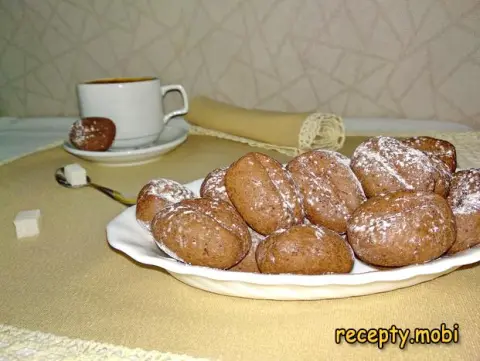
Absolutely. Sweetened cocoa powder mixed with a little softened butter produces a beautiful chocolate-rose variation, while a thin spread of fruit jam (apricot, raspberry or strawberry) creates fruity rolls. Chopped nuts mixed with cinnamon and brown sugar also work brilliantly for a more rustic flavour. Whichever filling you choose, keep it relatively dry, since wet fillings will leak out of the spirals during rolling and produce messy cookies rather than the clean spiral pattern.

Write comments...
symbols left.
or post as a guest
Loading comment... The comment will be refreshed after 00:00.

Be the first to comment.