avg —
Cottage Cheese Triangular Cookies

Instructions
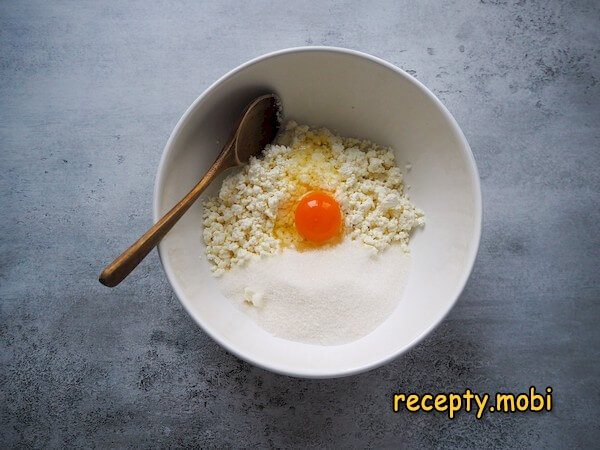
I mix the cottage cheese with the egg and sugar until smooth. Both crumbly cottage cheese and the block kind work for these cookies. If the curds are too large, you can lightly mash them with a spoon or press them through a sieve – though this is not essential.
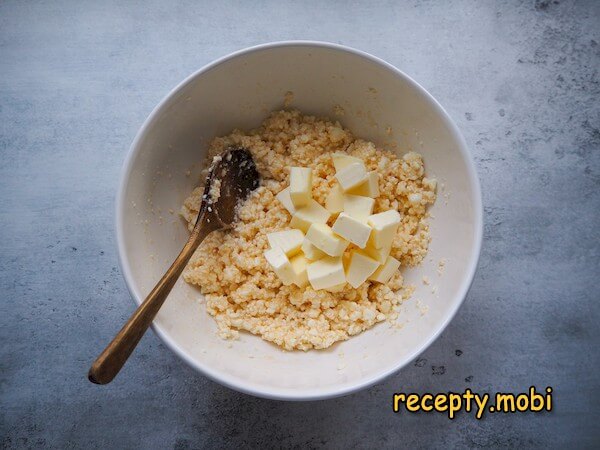
I add the butter to the cottage cheese mixture. It should be properly softened, which takes at least an hour, so I recommend doing this in advance. Butter with 82.5% fat is best.
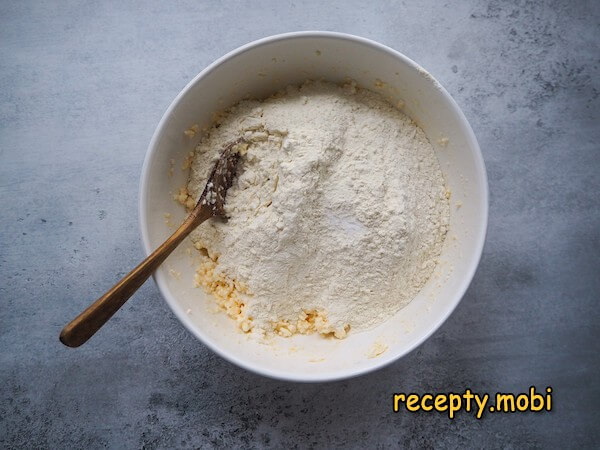
Next I add the flour to the dough. It does no harm to sift it through a sieve first. I add the salt and baking powder at the same time.
Now I knead the dough, then cover it with cling film and place it in the refrigerator for 25–30 minutes.
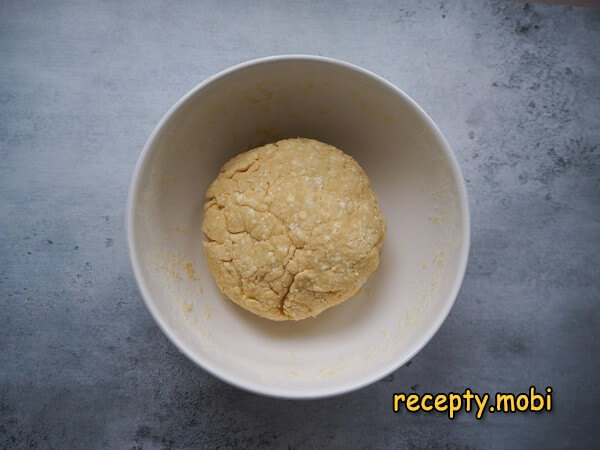
After that time, I roll the dough out to a thickness of 4–5 mm.

Using a round cutter or a cup, I cut out circles, which I fold in half and then in half again. You should end up with a sort of petal shape. You can sprinkle the tops with sugar, or even cinnamon, if you like.
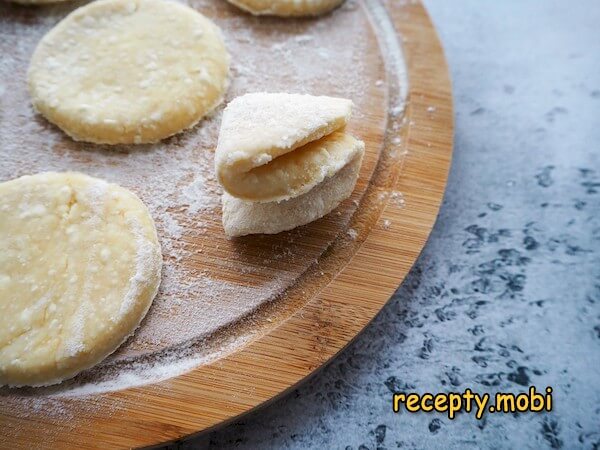
I place the Cottage Cheese Triangular Cookies in an oven preheated to 180 degrees for 30–35 minutes.



Tips
- 1
Soft butter is the secret to smooth dough. Cold butter makes the dough lumpy. An hour at room temperature lets the butter soften so it blends easily with the cottage cheese.
- 2
Thirty minutes in the fridge is the secret to a good shape. Warm dough sticks to the rolling pin and spreads. Chilled dough holds its shape when you fold it.
- 3
Sugar on top is the secret to a crispy crust. In the oven the sugar caramelises and forms a glossy finish. Without sugar, the cookies have no appetising crust.
- 4
Folding in both directions is the secret to the petal shape. One fold gives a half-moon, two give a neat triangle. The 4–5 mm thickness matters too. The same principle works for other kinds of cottage cheese cookies.
FAQ
Which cottage cheese should I choose? +
Ideally, fresh cottage cheese with 9% fat (300 g – a tender texture). Alternatives: homemade cottage cheese (300 g – the premium choice), 5% cottage cheese (300 g – the budget option for fat content), soft cottage cheese in a tub (300 g – easy to work with), grainy cottage cheese (300 g – needs to be pressed through a sieve), plain cottage cheese mass with no additives (300 g – already sweet, so reduce the sugar to 50 g). Fresh cottage cheese with a short shelf life is the premium option. Do not use: fat-free cottage cheese (the dough will be dry), out-of-date cottage cheese, or cottage cheese with fruit. For the classic Triangles, the fat content must be at least 5%.
What can I use instead of baking powder? +
Alternatives: soda slaked with acid (1/4 tsp + 0.5 tsp lemon juice – the budget option), plain bicarbonate of soda without slaking (1/3 tsp – a slightly bitter aftertaste), a mix of soda and cream of tartar (1/4 tsp each – the premium choice), ammonium carbonate (1/3 tsp – the old-fashioned option), or citric acid with soda (1/4 tsp each – a balance of acidity). Fresh baking powder in a sealed sachet is the premium option. Do not use: yeast (it gives a different dough structure) or out-of-date sachets (they will not provide any rise). For the classic version, baking powder is a must.
How long do the cookies keep? +
In a dry metal tin at room temperature – up to 5–7 days. In the refrigerator in a tightly sealed container – up to 10 days (but they will become less crisp). Longer than that and they dry out and lose their tenderness. Before serving, warm them briefly in the microwave for 10 seconds to bring back the softness. In the freezer – up to 1 month; defrost them in the tin for 2 hours at room temperature. Fresh cookies are at their best straight from the oven (with a warm crust). On the second or third day, the flavour deepens. Do not leave them out in the open air, as they go stale quickly.
What should I serve the cookies with? +
A classic pairing for tea: with a cup of black tea with lemon. With jasmine green tea. With a glass of warm milk (just like in childhood). With a cup of cocoa and a marshmallow. With 20% soured cream or jam on the side. With berry preserves (raspberry, cherry, strawberry). With condensed milk. With a cup of coffee with milk in the morning. With dried-fruit compote. With berry kissel. With plain yogurt (for a lighter, healthy-eating option). For a family tea party – with a selection of jams and honey. A versatile dessert for any time of day.
- Comment
or post as a guest
Be the first to comment.