avg —
Custard Easter Cake

Instructions
If you wish, prepare any filling, for example, candied fruits – 100 g and raisins – 50 g.

In a small bowl, combine 100 ml of milk, 1/2 tsp of sugar, all the yeast and 100 g of flour.
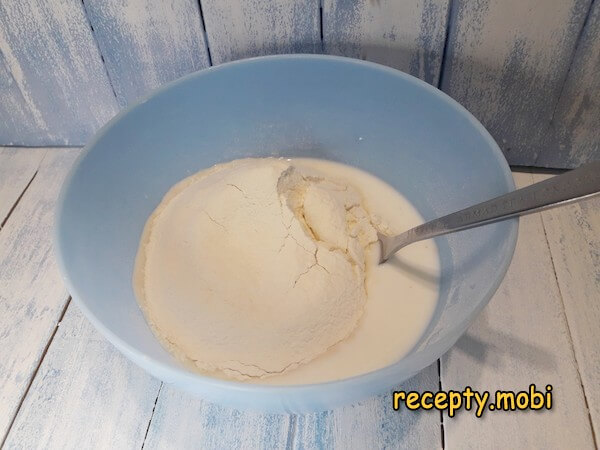
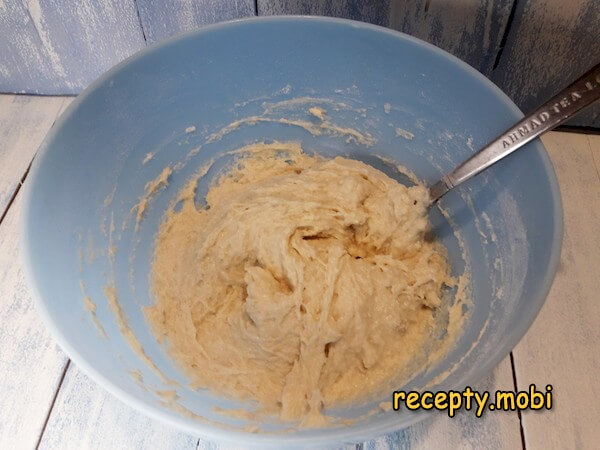
Mix it together and put it in a warm spot for 20 minutes to rise.
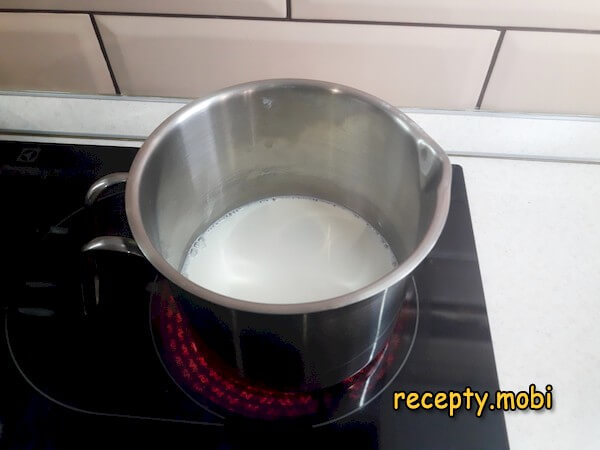
Meanwhile, prepare the custard base. Heat 200 ml of milk, without boiling it, until white steam appears. Dissolve the vanillin in it and take the saucepan off the heat.
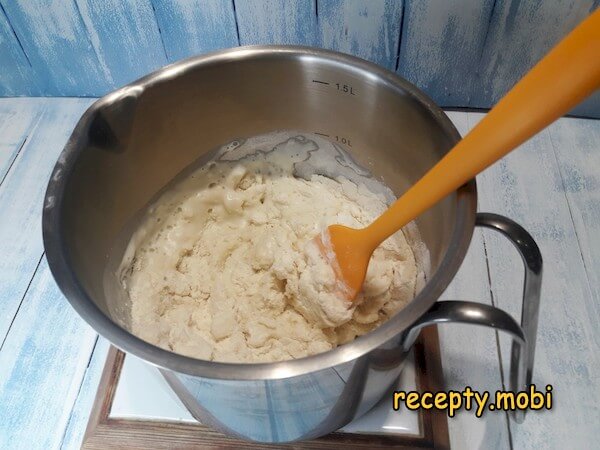
Immediately add 150 g of flour and mix quickly so it all brews. Let it cool to warm.
By this time the yeast sponge will have risen.
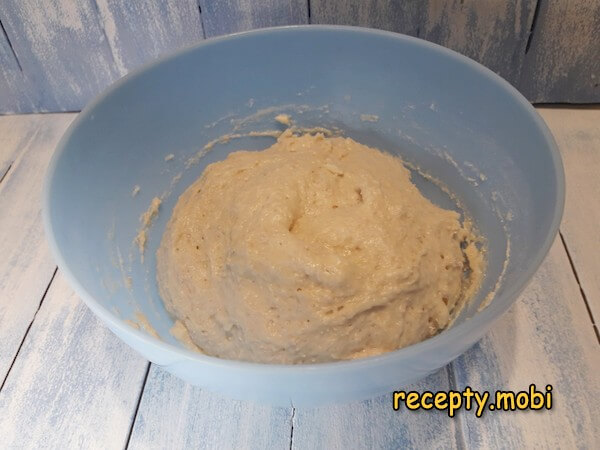
Into a large bowl, where all the mixing will be done, transfer the warm custard base and the yeast sponge.
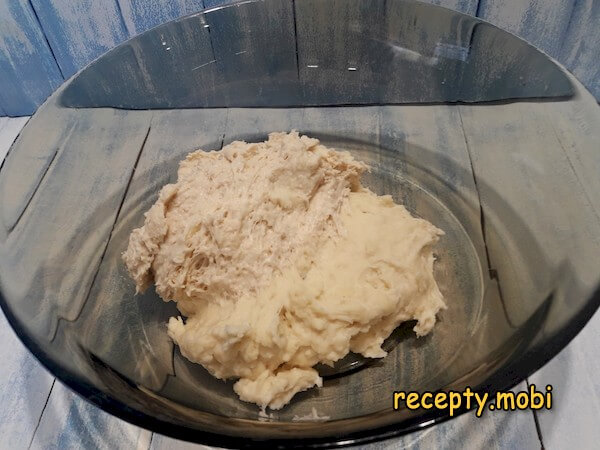
Mix them until they reach the consistency of a thick cream.
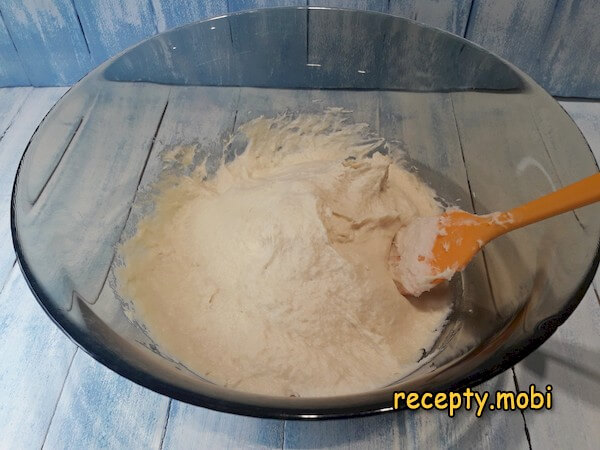
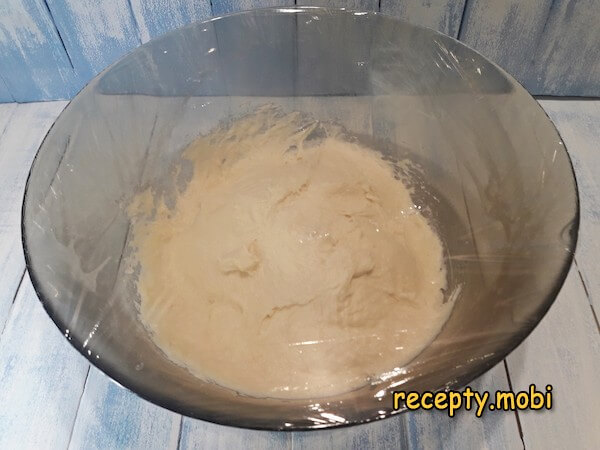
Cover the bowl with cling film and leave it for 1 to 1.5 hours to rise.
Separate the eggs into whites and yolks.
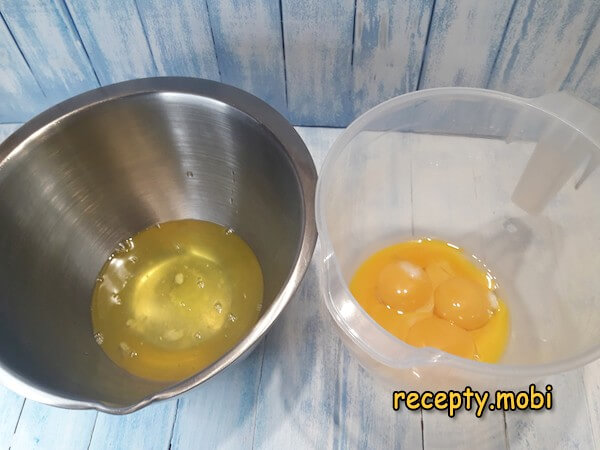
Add all the sugar and the turmeric to the yolks.
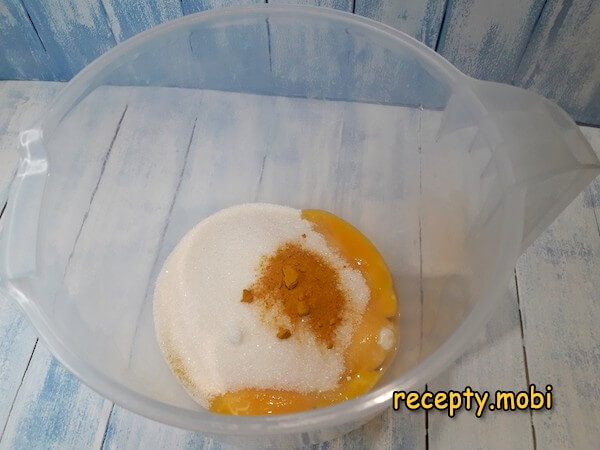
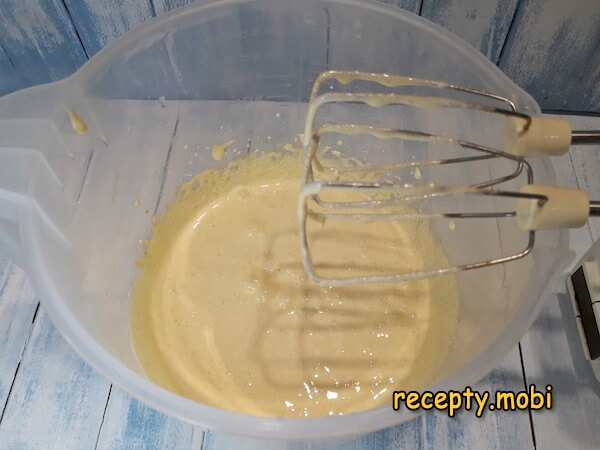
Beat them with a mixer until they grow in volume.
After the time given, the dough will have risen considerably.
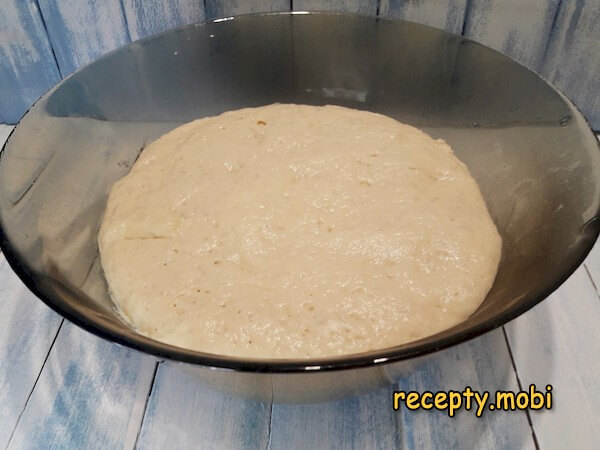
Add the whipped yolks to it and mix.
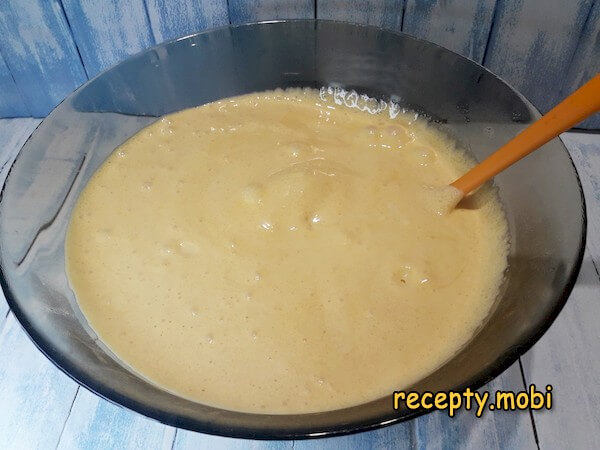
Add 150 g of flour to this mixture.
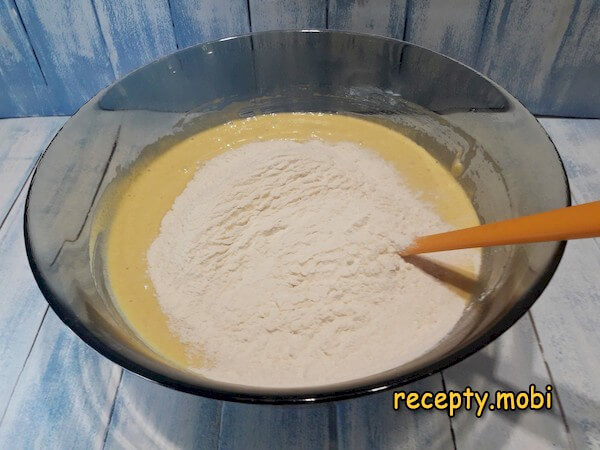
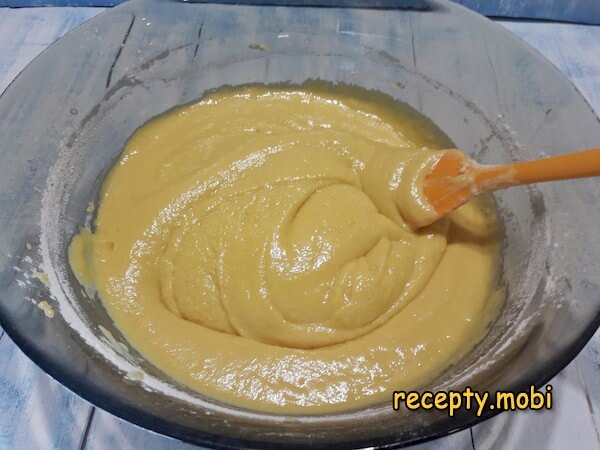
Mix the sticky dough. Hide it under film and put it in a warm spot for 1.5 to 2.5 hours so the fermentation continues.
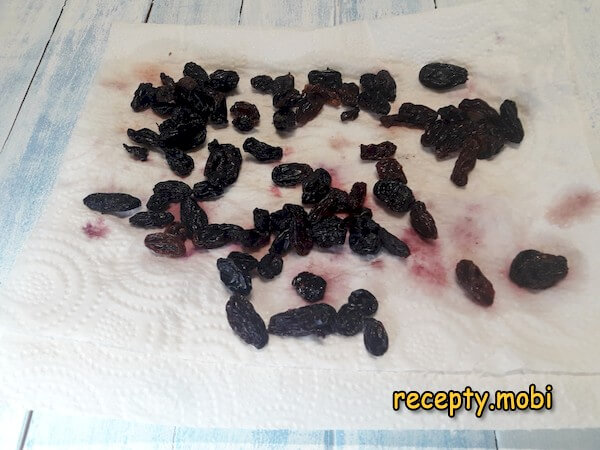
Meanwhile, you can scald the raisins with boiling water, rinse them and dry them on paper towels.
And now comes the final stage of preparing the dough. After the next rise, add the melted and cooled butter to it.
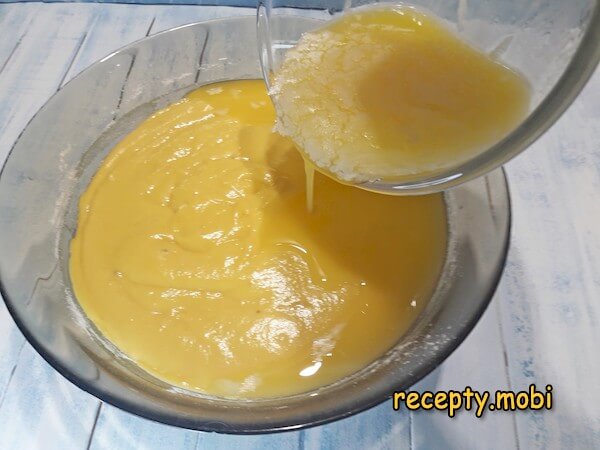
Mix everything in with a spatula or wooden spoon.
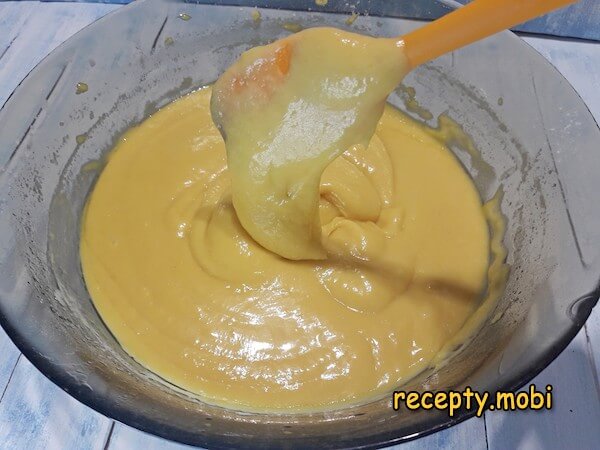
Thicken the mixture with 200 g of flour.
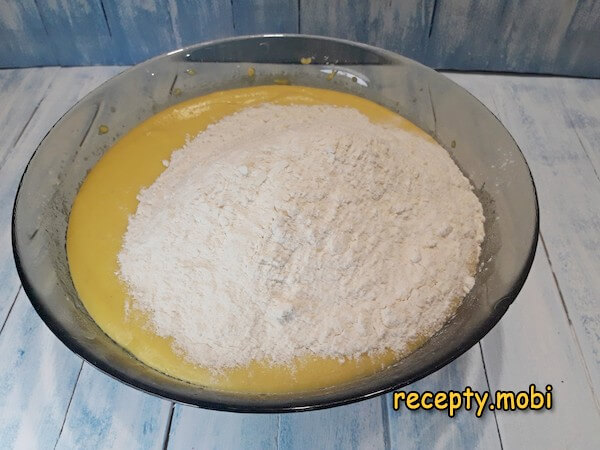
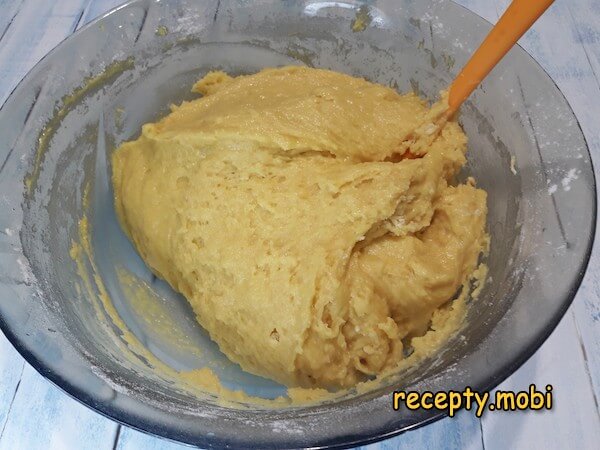
Knead it into the dough.
Beat the egg whites with the salt until you get a stable foam.
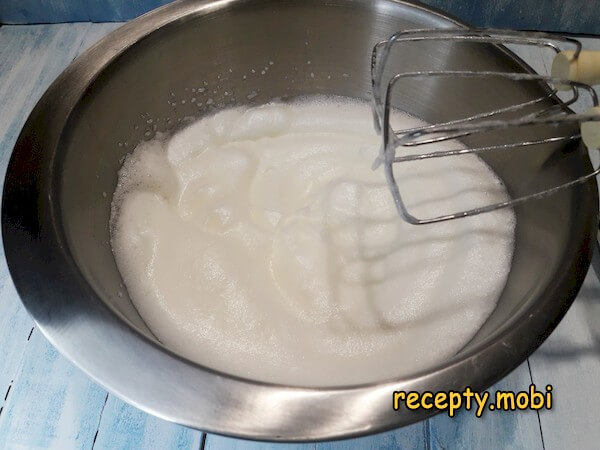
Transfer the fluffy mass into the main bowl.
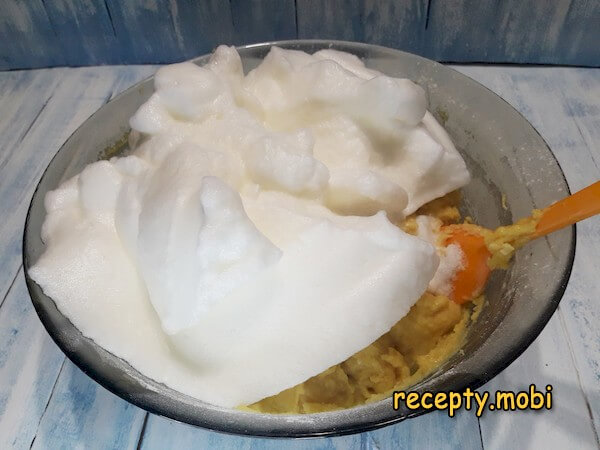
Combine everything until uniform.
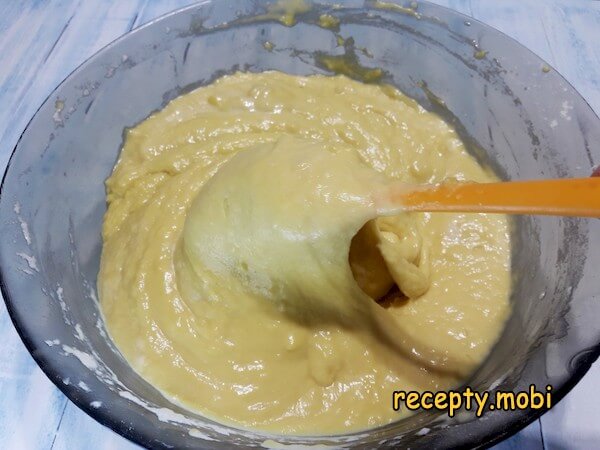
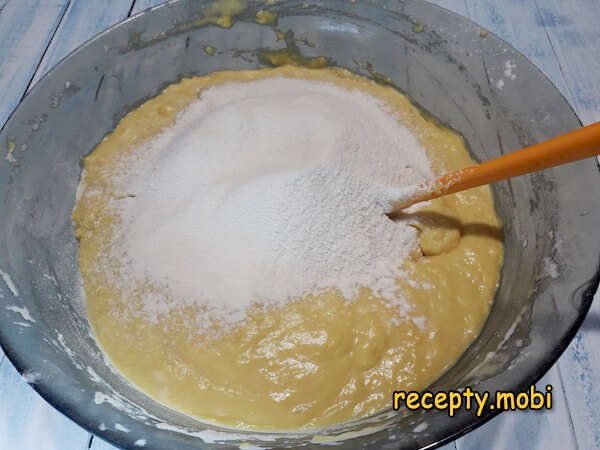
As soon as the whites are fully incorporated into the dough, add another 200 g of flour and mix again.
And last of all, pour in the vegetable oil.
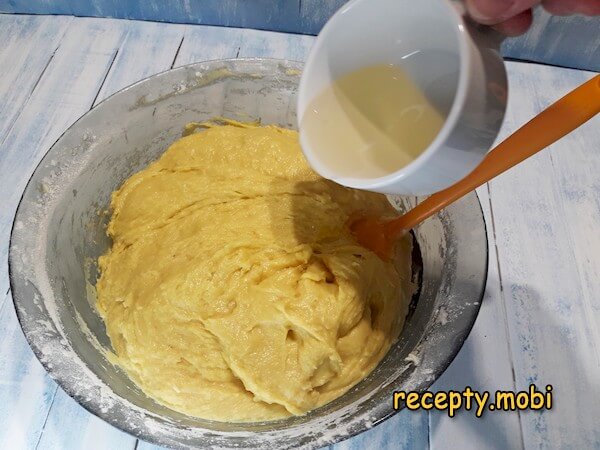
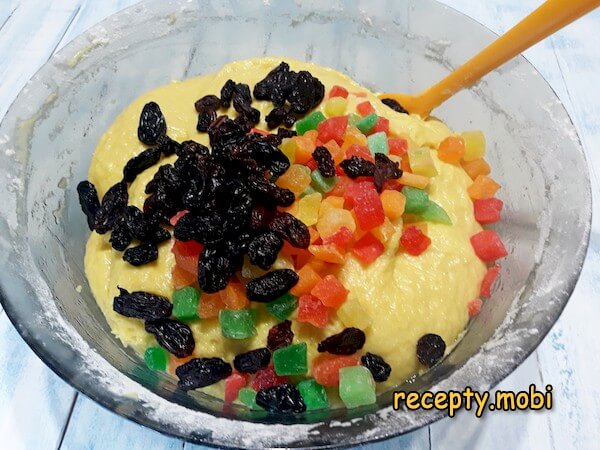
Once a smooth structure is reached, add the candied fruits and raisins. Distribute them evenly throughout the dough.
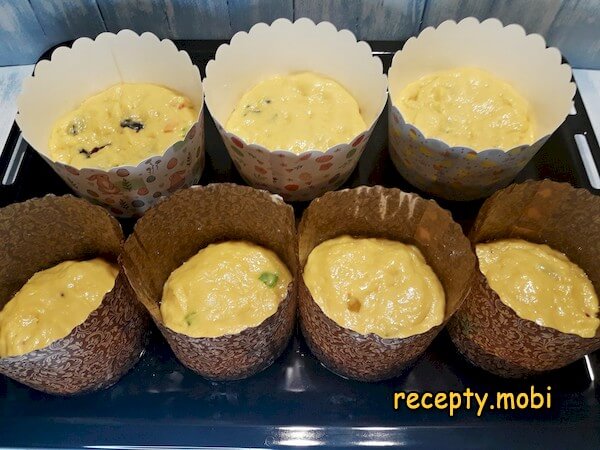
Now you can fill the moulds straight away, having greased them beforehand with vegetable oil. Tear off pieces of dough by hand, round them and place them in the bottom. The dough should come up to a little less than half the height of the mould.
Place the baking sheet with the moulds in the oven. Set the temperature to 35–40 °C and leave the cakes to proof. Because the dough is very rich, this can take up to two hours.
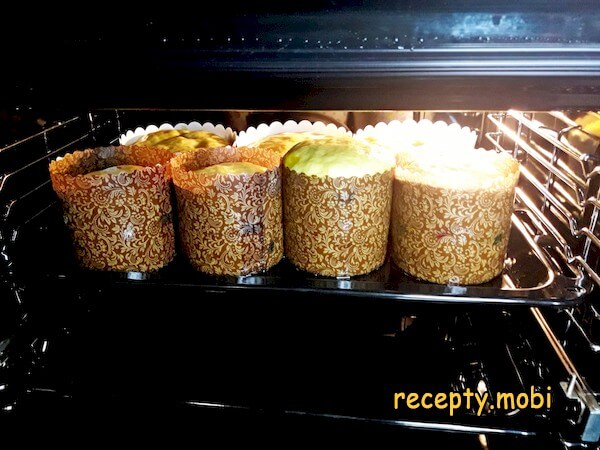
Bake the custard cakes at 180 °C for 15 minutes. In that time they will turn golden. Then lower the temperature to 160 °C and bake for another 15 to 30 minutes (depending on the size of the cake). Lay the baked cakes on their side on the table or a rack and turn them from time to time, so the crumb doesn't settle to one side.

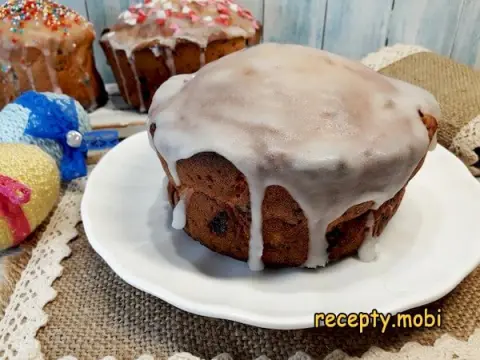
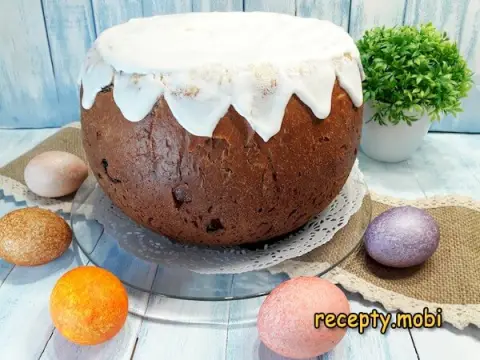
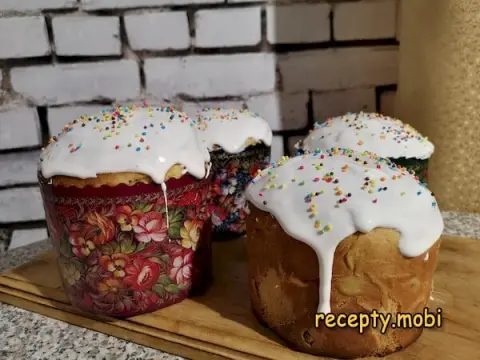
Once cooled, decorate the tops with royal icing and confectionery sprinkles.



Tips
- 1
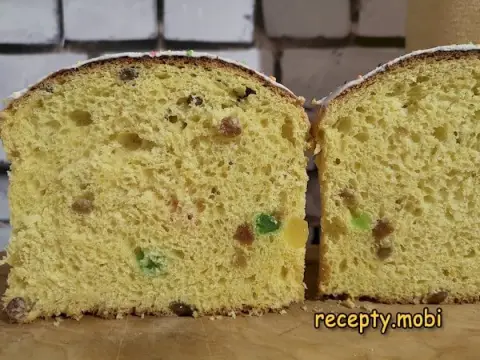
BREWING THE FLOUR – the secret to moistness. Part of the flour is brewed with hot milk; the gelatinisation of the starch holds the moisture, so the cake doesn't go stale for 7–10 days.
- 2
THREE RISES – the secret to airiness. The yeast sponge, plus the first dough, plus the proofing in the mould. The triple fermentation gives a fine-pored, silky crumb.
- 3
COOLING ON ITS SIDE – the secret to the shape. Rich dough collapses under its own weight. Laying it on its side and turning it keeps the crumb even and stops the top from deflating.
- 4
WHITES AT THE END – the secret to lightness. The beaten egg whites are added last, before the flour. They give airiness, just like in a sponge cake. The same principle works in other kinds of Easter cakes.
FAQ
Which yeast should you choose? +
The ideal choice is dry fast-acting yeast (15 g – easy to measure out). Alternatives: fresh pressed yeast (45 g – the classic, needs to be dissolved), active dry yeast (15 g – needs to be activated in the sponge), osmotolerant dry yeast (15 g – the premium choice for sweet dough), dry yeast in sachets (15 g – convenient). Saf-Moment, Pakmaya and Dr. Oetker are tried-and-tested brands. Fresh yeast keeps for 2–3 weeks – the premium option. Do not use: expired yeast (the dough won't rise) or brewer's yeast. For a classic kulich, you must use baking yeast with strong leavening power.
What can replace the turmeric? +
Alternatives: saffron (1/8 tsp – the premium choice, a brighter colour), no colour at all (without it, the crumb is white), yellow food colouring (3–4 drops – the budget option), 2 extra egg yolks (natural), dried ground carrot (1/2 tsp – a soft yellow), lemon zest plus egg yolks (natural). Pripravych, Kotanyi and Kamis are tried-and-tested turmeric brands. Fresh turmeric powder is the premium option. Do not use: a curry mix (it contains other spices and will throw off the flavour) or low-grade saffron substitutes. For a classic result, you must use pure turmeric or saffron.
How long does custard Easter cake keep? +
In an airtight box or bag at room temperature – 7–10 days (thanks to the custard base). In the fridge wrapped in film – up to 2 weeks (but it will be less aromatic). Before serving, let it stand for 30 minutes at room temperature. In the freezer (without icing) – up to 2 months; defrost it for 8 hours in the fridge, then apply the icing. A fresh cake is at its best 1–2 days after baking (once it has settled). By the 3rd to 5th day the aroma develops. Don't leave it out in the open without packaging – it will dry out.
What do you serve custard Easter cake with? +
The Easter classics: with dyed eggs and curd paskha. With a cup of black tea with lemon. With a glass of Cahors (church wine). With a glass of freshly squeezed grape juice. With a cup of coffee with milk. With berry jam. With 25% sour cream. With condensed milk. With fresh fruit. With a cup of herbal tea with mint. With Baileys cream liqueur. With hot cocoa and marshmallows for children. With a glass of homemade fruit liqueur. For an Easter breakfast – a versatile way to serve it. Festive baking for Bright Easter in its most tender form.
- Comment
or post as a guest
Be the first to comment.