avg —
Easter cakes with raisins

Instructions
I start with the sponge – this is the key to fluffy kulich. Pour the milk into a small saucepan and warm it gently until lukewarm (about 35–38°C). Crumble the fresh pressed yeast (25 g) with your fingers – if the yeast is fresh, it breaks easily into small pieces when pressed.
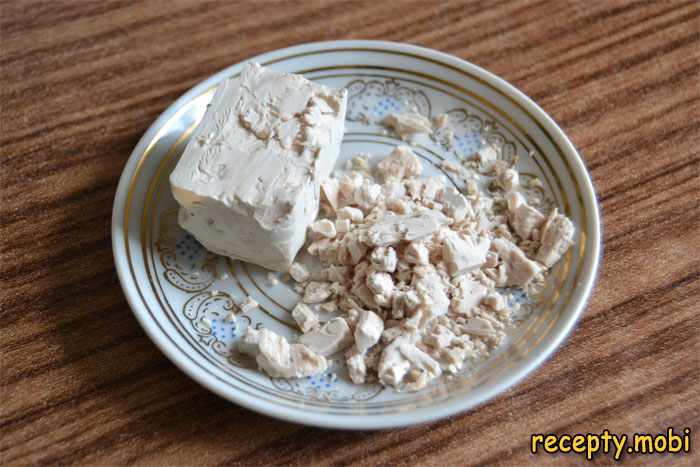
Tip the crumbled yeast into the warm milk and stir thoroughly until it dissolves completely. Add 2 teaspoons of sugar and a little more than half a cup of flour. Mix everything together, cover the bowl with a towel and set it in a warm place (near a radiator or the stove) for about 1 hour. The sponge is ready when it rises like a cap and begins to settle slightly.
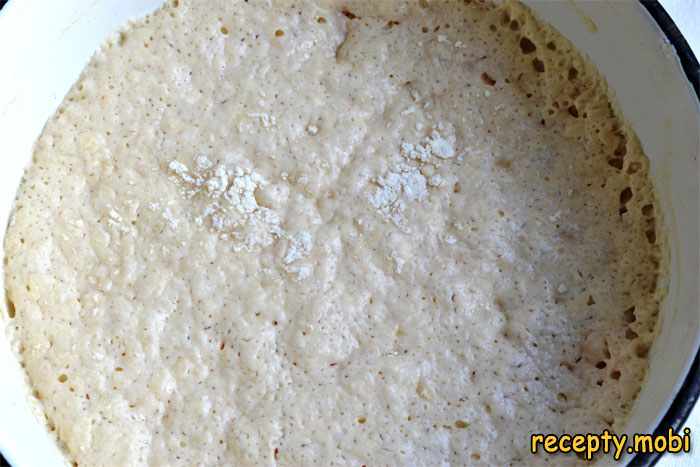
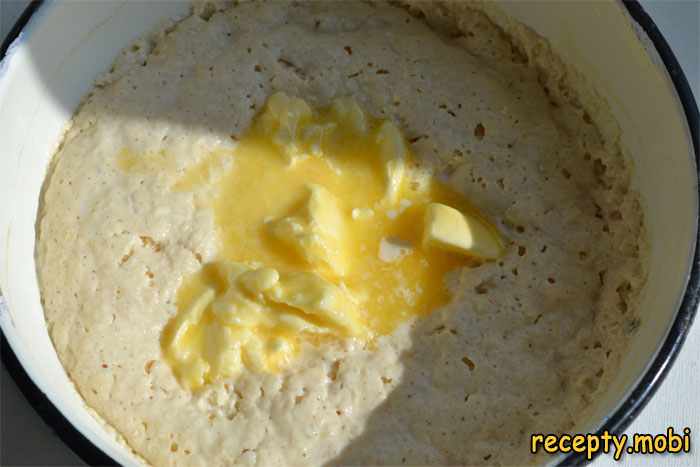
When the sponge is ready, add the remaining sugar (about 140 g) and the vanilla sugar (20 g). Melt the butter (75 g) and margarine (75 g) gently on the stove until soft, leave to cool, then add to the dough.
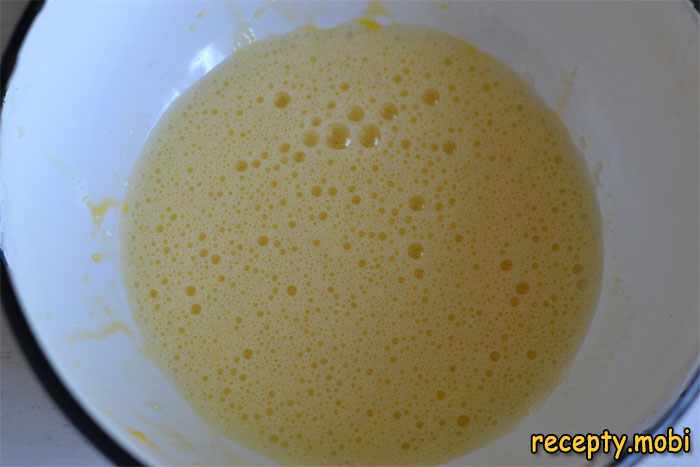
Separate the eggs (5 pcs) into yolks and whites in separate bowls. Beat the yolks with a mixer until they are pale and fluffy, pour into the dough and mix.
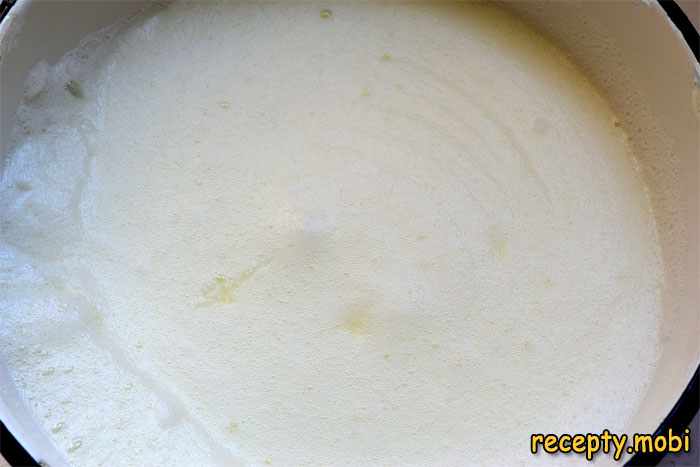
Beat the egg whites with a mixer with a pinch of salt until stiff peaks form. Gently fold the whipped whites into the dough, stirring from the bottom up to keep it airy.
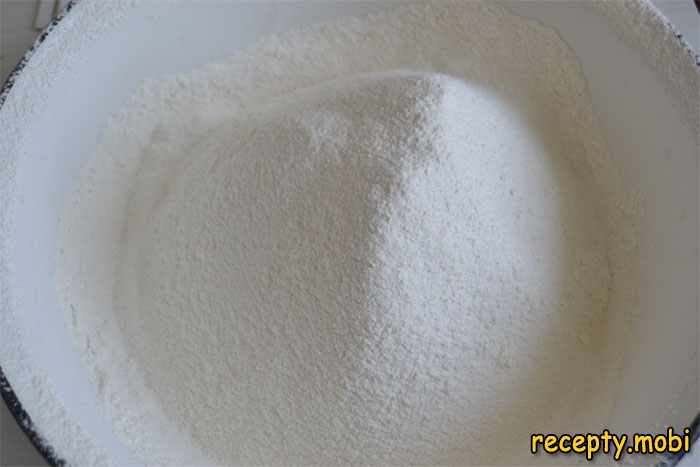
Sift the flour (600–800 g) 2–3 times to aerate it. Add the flour to the dough in small portions, kneading gradually. The amount of flour depends on its moisture content – the dough should be soft, but not heavy.
Knead the dough by hand for at least 30 minutes, adding the sunflower oil (1 tbsp). The dough should turn out soft and fluffy, coming away cleanly from your hands and the sides of the bowl. Cover the saucepan with a thick towel and set it in a warm place. When the dough has doubled in size, punch it down.
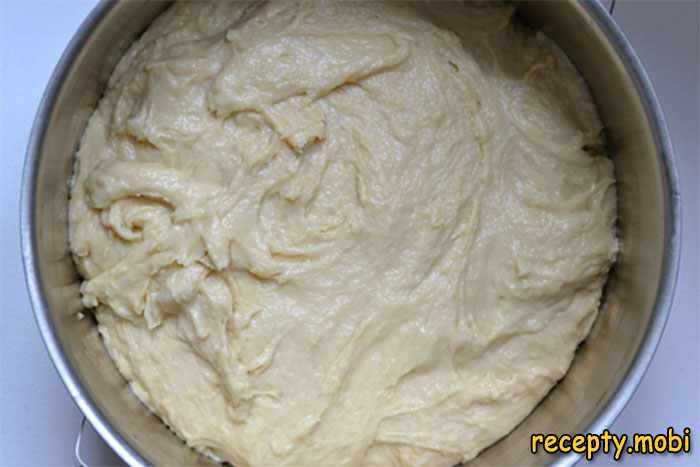
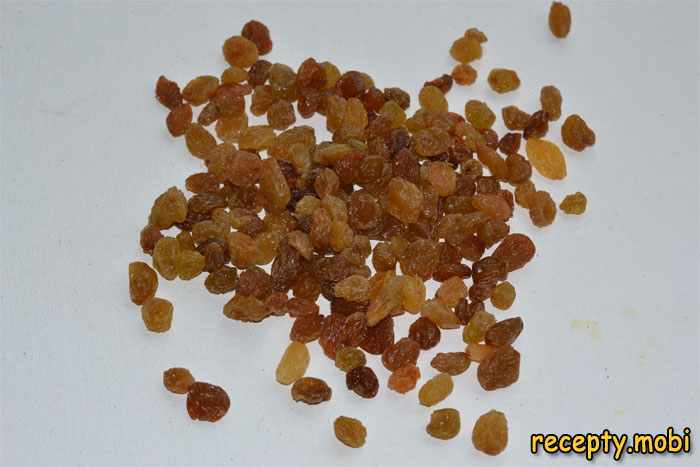
Rinse the raisins (100 g) in advance, cover with boiling water for 10 minutes, then pat dry and toss in a little flour. This helps the raisins distribute evenly through the dough and stops them sinking to the bottom.
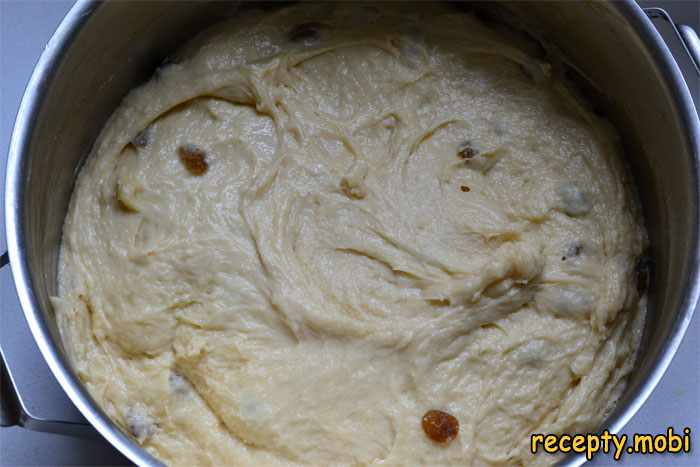
Add the raisins to the dough in small portions, distributing them evenly as you knead.
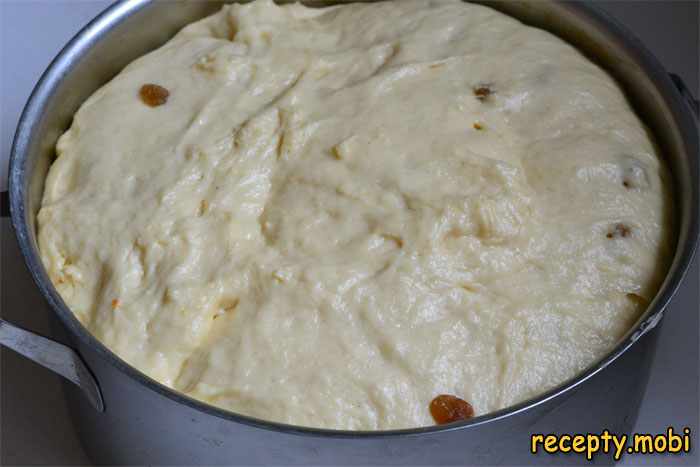
Put the dough back in a warm place to rise. When it reaches the edges of the saucepan, punch it down lightly – now the dough is ready for shaping into kulich.
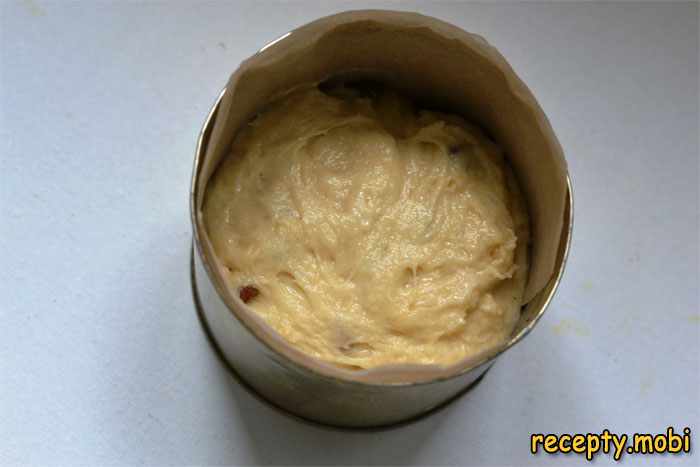
Line the kulich moulds with oiled parchment paper. Spoon the dough into the moulds, filling them to 1/3 of their volume. Cover with a napkin and set in a warm place – the dough should rise to the tops of the moulds. Preheat the oven to 180°C and bake the kulich for 20–25 minutes. If the tops start to brown too much, cover them with foil. The kulich are ready when they pull away slightly from the sides of the mould. Turn them out of the moulds and cool on a rack.
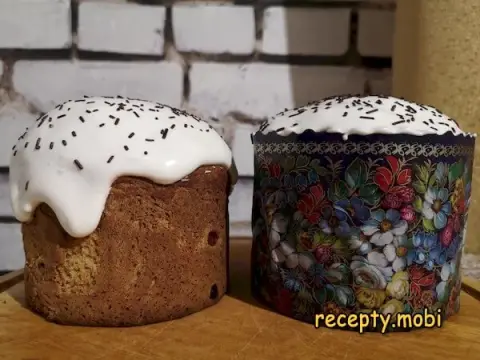
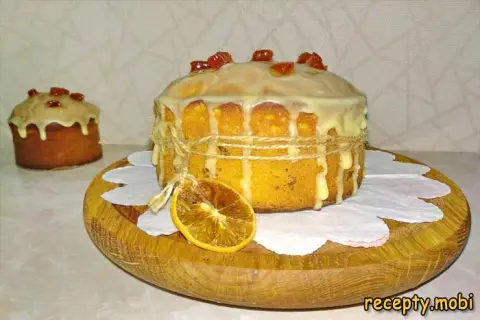
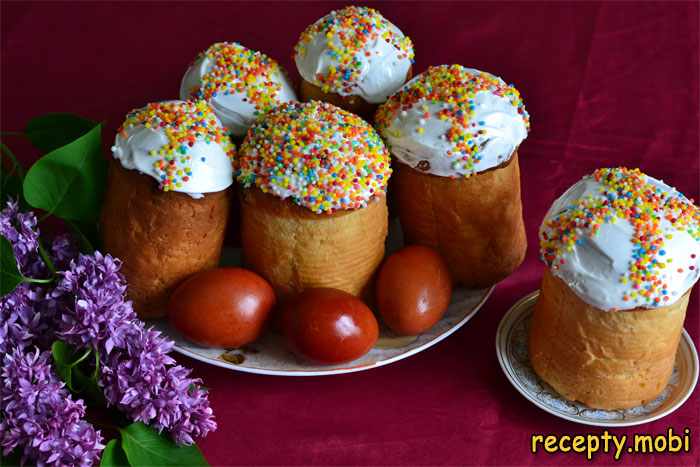
For the icing, beat 1 egg white with sugar (2/3 cup) with a mixer until you have a firm, glossy foam. Spread the icing over the cooled kulich and decorate as you like with sprinkles, candied fruit or nuts.


Tips
- 1
Use only fresh pressed yeast – it raises rich dough better. If you use dry yeast, replace the 25 g of pressed yeast with 8–10 g of instant dry yeast.
- 2
Use homemade milk for the sponge, or milk with at least 3.2% fat. It is important to warm it to 35–38°C – in hot milk the yeast will die, in cold milk it will not activate.
- 3
Knead the dough for at least 30 minutes – this is the key to fluffy kulich. Long kneading develops the gluten, so the dough becomes elastic and holds its shape well.
- 4
Store the finished kulich in a cloth bag or under a glass cover at room temperature for up to 7 days. Thanks to the high fat content they stay fresh for a long time.
FAQ
Why didn't my kulich rise, or why did they turn out dense? +
The most common causes are: stale yeast, milk that is too hot or too cold, insufficiently kneaded dough, or too cold a place for proving. The dough may also have been overloaded with flour – it should stay soft.
Can I replace the margarine with butter? +
Yes, you can use 150 g of butter instead of the mix of butter and margarine. The kulich will be a little more tender, but less crumbly. Margarine gives a particular texture.
How long do I bake large kulich? +
Small kulich (150 g) I bake for 20–25 minutes, medium ones (300–400 g) for 35–40 minutes, large ones (500–700 g) for 50–60 minutes. I check for doneness with a wooden skewer – it should come out dry.
Can I freeze the finished kulich? +
Yes, cooled kulich without icing can be frozen for up to 2 months. I thaw them at room temperature for 3–4 hours, then cover with icing. I apply the icing only just before serving.
What can I use instead of raisins? +
Instead of raisins you can add dried apricots, prunes, candied fruit, dried cranberries or dried cherries. Chopped nuts also work well – almonds, hazelnuts, walnuts. The total amount of add-ins is about 100–150 g.
- Comment
or post as a guest
Be the first to comment.