avg —
Italian Panettone

Instructions
Get all the ingredients ready. If you use fresh yeast, you will need 9 g of it. The butter must be at room temperature and have a soft consistency. The strong tea can be replaced with orange juice, cognac or rum.
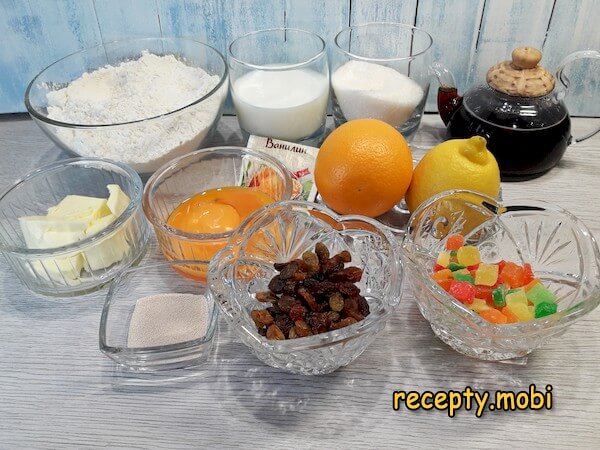
Wash the candied fruits together with the raisins and pour the strong tea over them. It is best to do this overnight.

In a separate bowl I make the starter. For this I combine the milk with the yeast and a spoonful of sugar (from the total amount). Then I sift in 3 tablespoons of flour, taken from the amount listed in the ingredients. After mixing, I cover the top with plastic wrap and set it in a warm place.
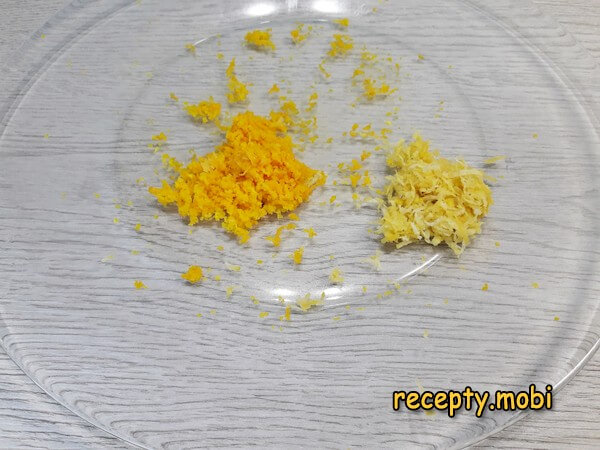
Grate the lemon and orange zest on a fine grater.
After an hour the starter will be fermenting vigorously.
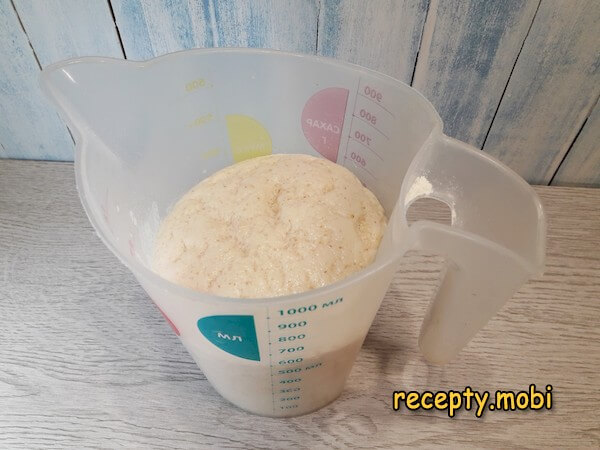
I transfer it to the mixer bowl and add the egg yolks.
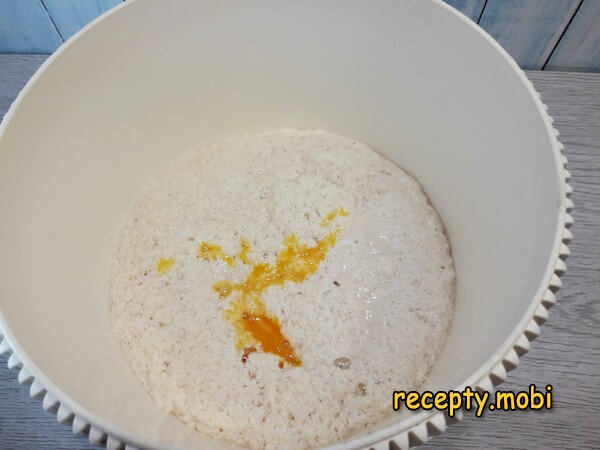
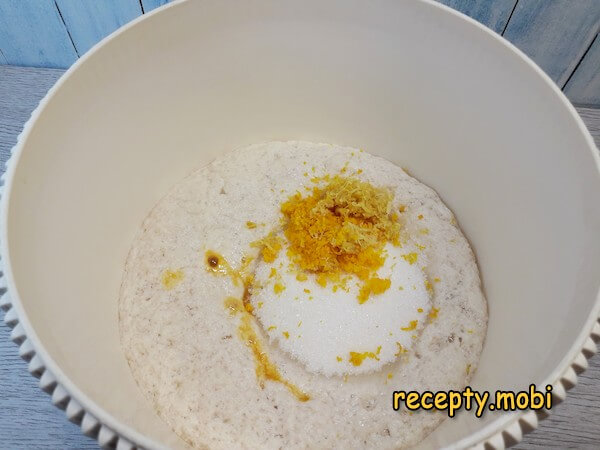
I also add the sugar, the vanillin and the citrus zest here.
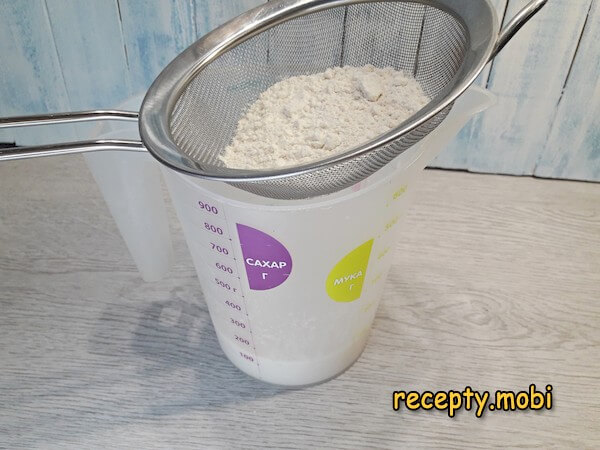
Now I add the flour, passing it through a sieve.
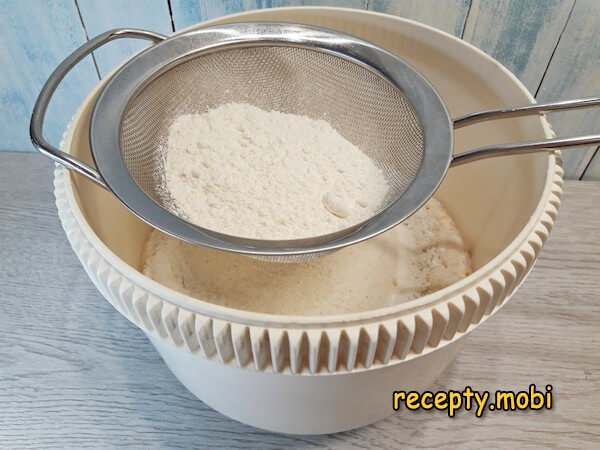
I begin to knead the dough. If you use a mixer for the dough, start kneading on the lowest speed. The dough should turn out soft, not overloaded with flour.
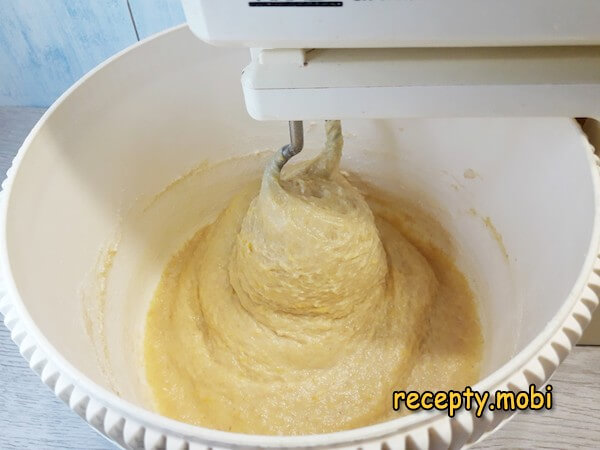
When all the ingredients have come together, I add the butter. The kneading lasts half an hour in total.
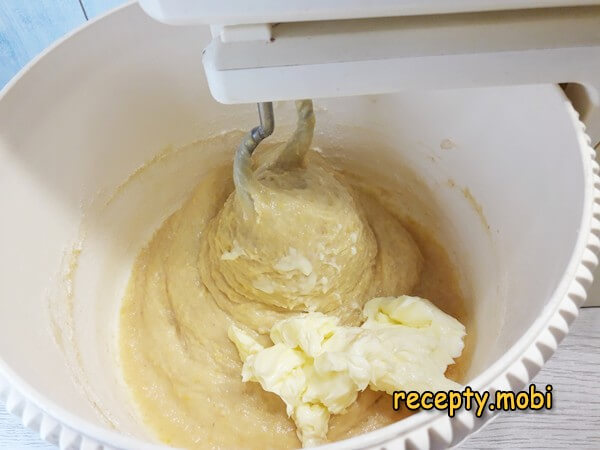
To check whether the dough is ready, stretch a small piece of it into the thinnest film, and if it does not tear, the kneading can be finished.
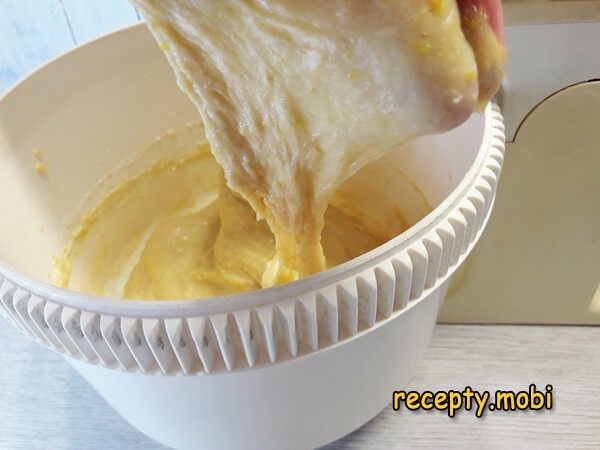
I grease a large bowl with vegetable oil. I place the dough on the bottom. I cover it with plastic wrap and put it somewhere warm to rise. An excellent place for this is a switched-off oven with a cup of boiling water set inside.
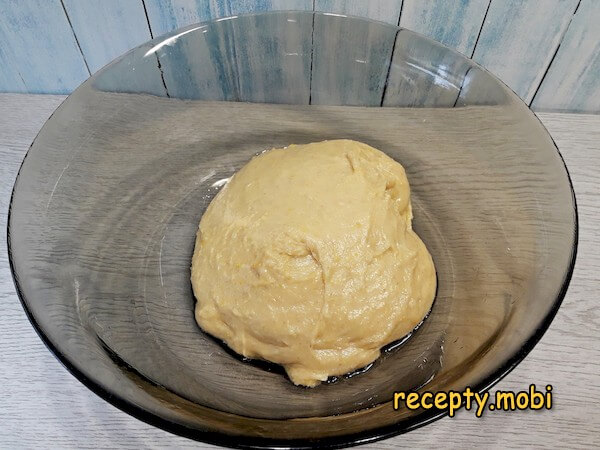
After 2.5–3 hours the dough will triple in size.
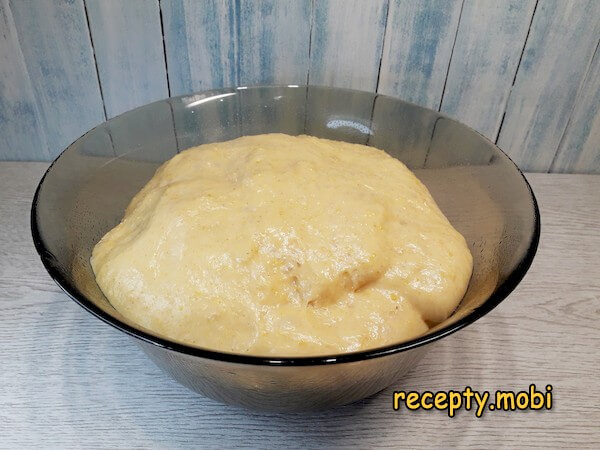
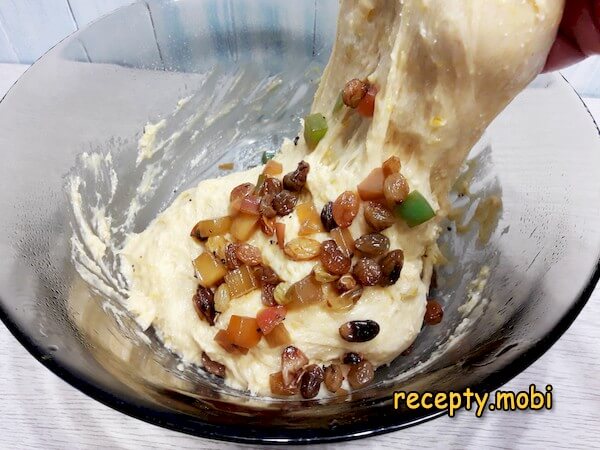
I knock it back and mix in the drained candied fruits and raisins.
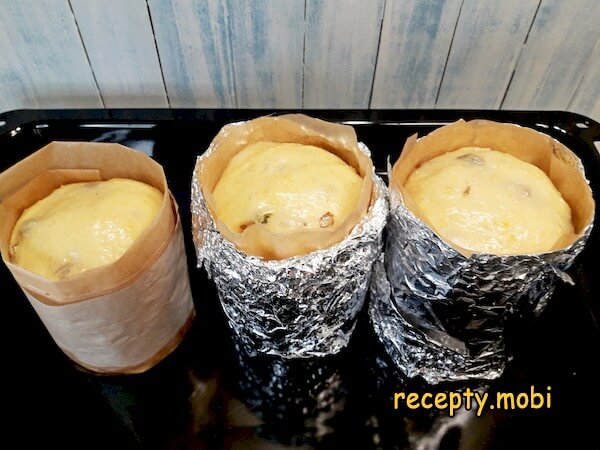
I start shaping the loaves. You can make homemade Panettone moulds or buy ready-made ones. I set them straight onto a baking sheet so I disturb the rising mass less later on. I divide the dough among the moulds, filling them one third full, since the dough will rise a great deal afterwards. I cover the top with plastic wrap and again put everything into the switched-off oven to proof.
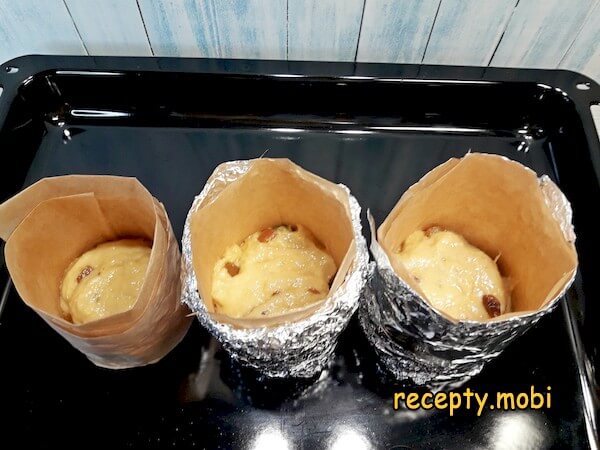
After about 2 hours the dough will rise almost to the edges of the moulds. Now the loaves can be baked at 170 degrees for roughly half an hour. If the tops start to brown too much, I cover them with foil. You can check for doneness with a skewer – it should stay dry after you pierce the loaf from the top all the way to the bottom.
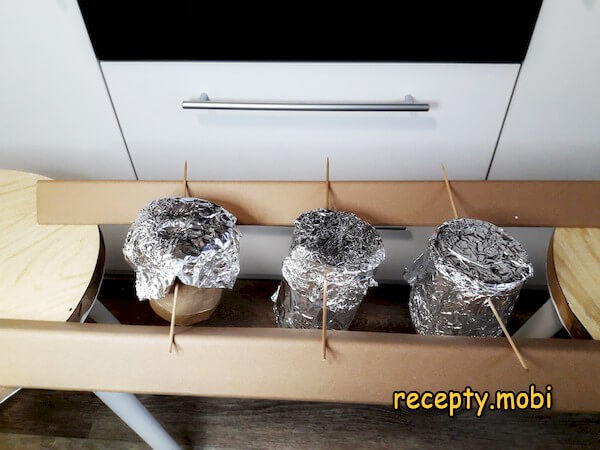
Traditionally, Italian loaves are cooled in an unusual way. The thing is that very rich dough can sink under its own weight as it cools. That is why the hot loaves are pierced right through at the base with wooden skewers and hung upside down to dry. Any contraption on which you can set up 2 sticks, between which the finished loaves will dry, will do for this.
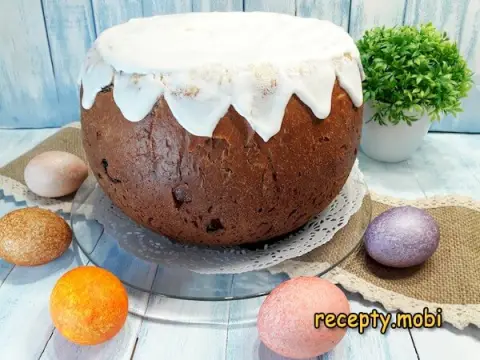
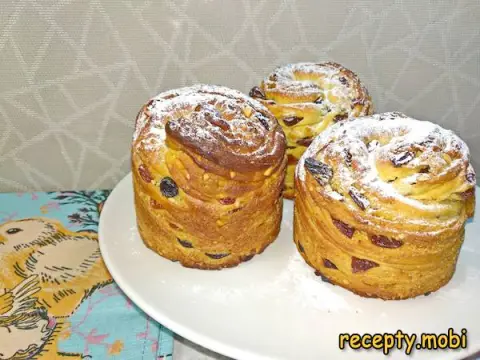
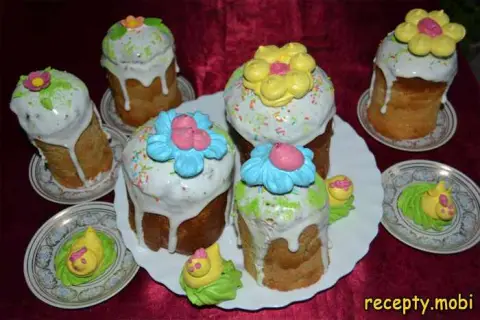
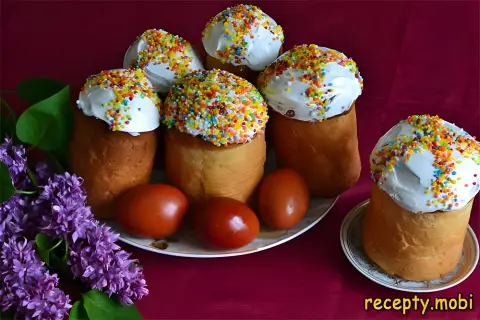
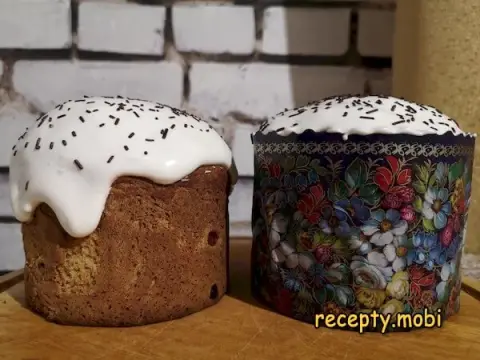
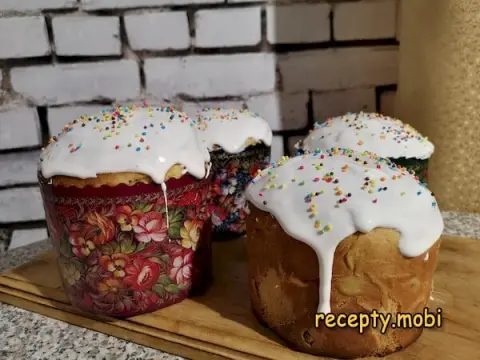
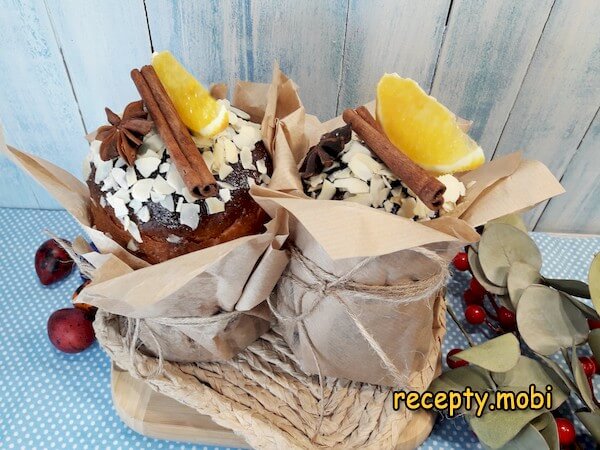
The Italian Panettone loaves are ready. Usually this Italian loaf is not decorated in any way, but for the Easter celebration the tops can be finished more festively – dusted with powdered sugar, sprinkled with flaked almonds or brushed with an egg-white glaze.


Tips
- 1
"MANITOBA" FLOUR is the secret of Panettone. Without flour that has 12%+ protein, the loaf will not turn out airy. Only strong flour gives the fine-pored "Italian" crumb.
- 2
30 MINUTES OF KNEADING is the secret of elasticity. The dough is checked with the "windowpane" test – it should stretch like the thinnest film without tearing.
- 3
COOLING UPSIDE DOWN is the secret of the shape. The rich crumb will sink under its own weight. Hung on skewers, it keeps the height of its dome.
- 4
ZEST AND VANILLIN are the secret of the aroma. Without citrus zest, Panettone is "ordinary". With lemon and orange zest, you get that very "magical" Italian scent. The same principle works in other kinds of Easter kulich.
FAQ
Which flour should you choose? +
Ideally, Italian "Manitoba" flour with 12% protein or more (270 g gives a strong gluten). Alternatives: Tipo 00 pizza flour (270 g), bread-making flour with 12% protein (270 g), flour labelled "strong" (270 g), or a mix of plain top-grade flour and wheat gluten 95/5 (256 g plus 14 g). Do not use pancake flour, wholegrain flour (the crumb will be heavy) or gluten-free mixes. For "classic Panettone" you must use strong wheat flour with 12%+ protein.
What can replace the strong tea? +
Alternatives: freshly squeezed orange juice (100 ml), cognac (100 ml), rum (100 ml) or cider (100 ml) for soaking the dried fruits. Do not use sweet juices with preservatives or flavoured liqueurs with added sugar. For "classic Panettone" you need strong tea or cognac/rum to soak the dried fruits.
How long does Panettone keep? +
In an airtight box or bag at room temperature, up to 2 weeks (thanks to the long proofing and the strong flour). In the fridge, wrapped in film, up to 1 month. Before serving, let it stand for 30 minutes at room temperature. In the freezer (without decorations), up to 3 months; defrost it for 8 hours in the fridge. Do not leave it out unwrapped, as it will dry out within a day. It is best to wrap it in cling film and keep it in a box.
What do you serve Panettone with? +
The Italian classic is with a cup of cappuccino or espresso. It also goes with a glass of hot chocolate, a scoop of vanilla ice cream (for contrast), fresh berries (strawberries, raspberries) or a cup of tea with milk. For children, serve it with a cup of cocoa. It is festive Italian baking for Christmas and Easter.
- Comment
or post as a guest
Be the first to comment.