avg —
Kazakh Baursaks

Instructions
I get the ingredients for Kazakh baursaks ready. If you use fresh pressed yeast instead of dry, you need three times the dry amount, that is 15 g of fresh yeast. Melt the butter and let it cool. Warm the milk and water to 36–38 degrees before using them.
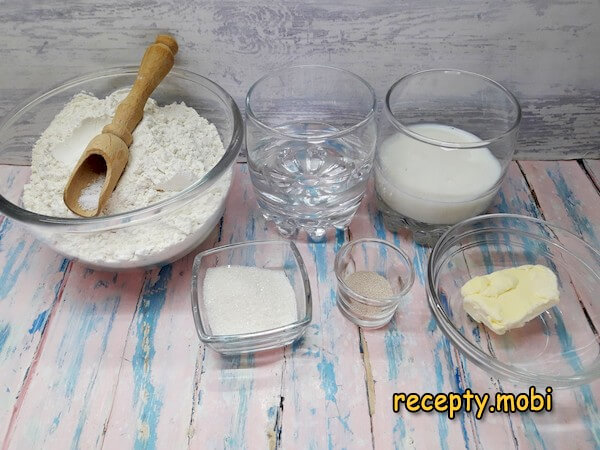
In a spacious bowl, combine the milk and water.
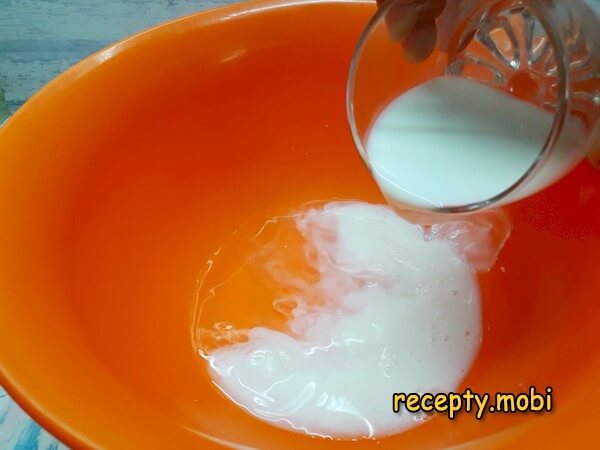
Add the yeast and wait until it simply dissolves in the liquid.
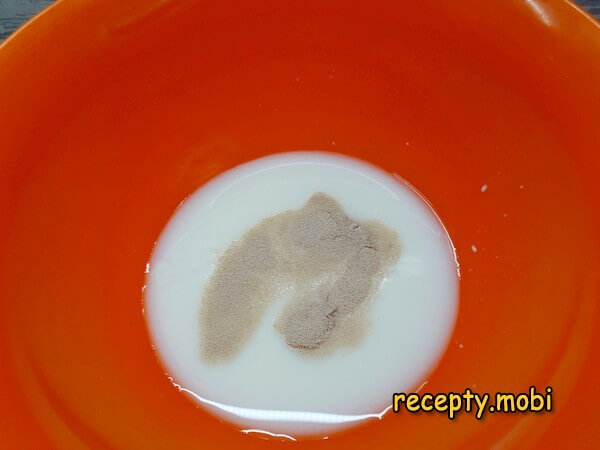
As soon as that happens, add the sugar.
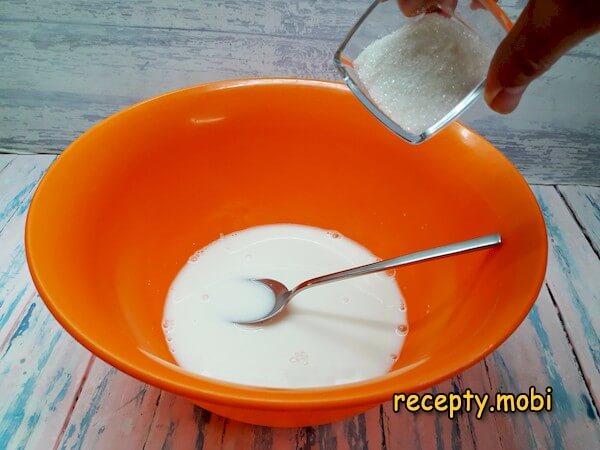
Next add the butter and the salt. Mix everything together.
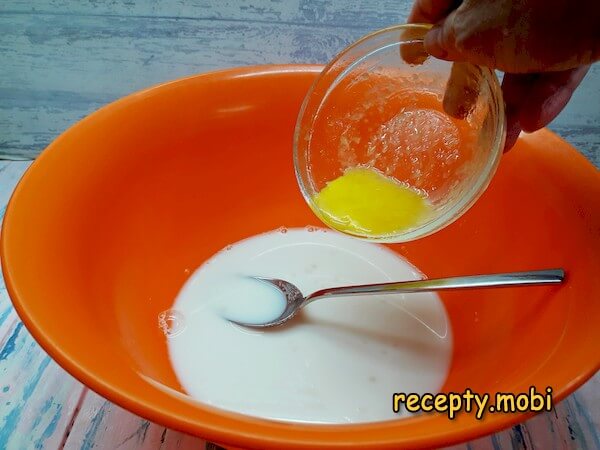
Start sifting in the flour in batches, mixing the dough each time. Set aside a little flour (about 70 g) for dusting.
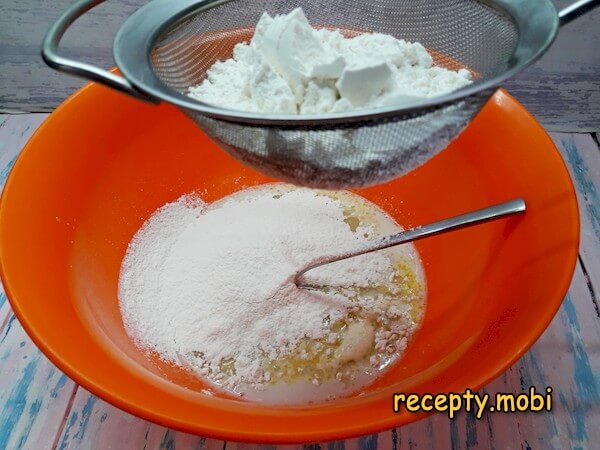
First mix the dough with a spoon right in the bowl until all the flour is moistened.
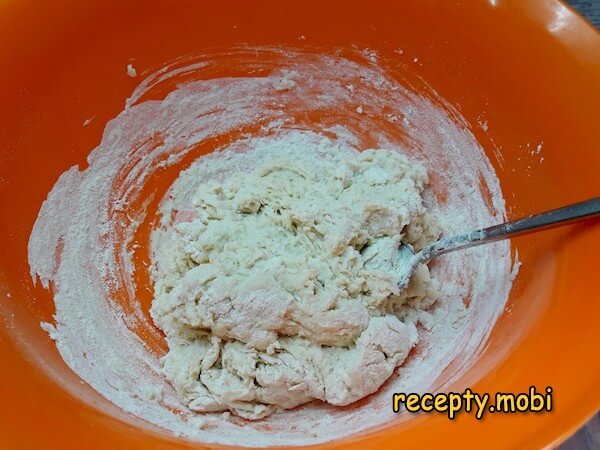
Then sprinkle the table generously with the remaining flour and tip the dough out onto it.
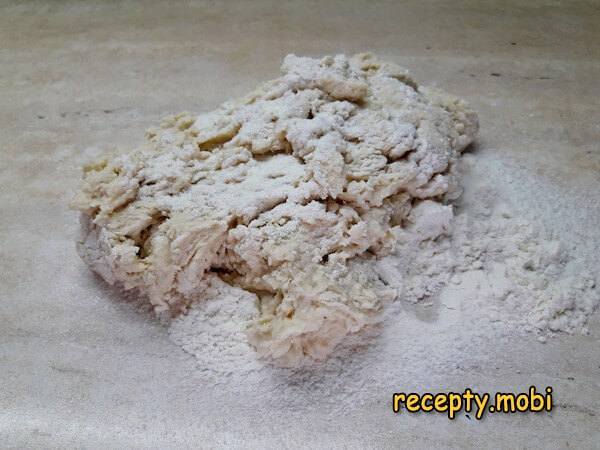
Start kneading it by hand. The longer the process goes on, the softer the dough becomes and the more the stickiness disappears. Don't increase the amount of flour, otherwise the baursaks turn out too heavy and clogged with flour. In the end the dough should only stick to your hands a little, hold its shape and not spread.
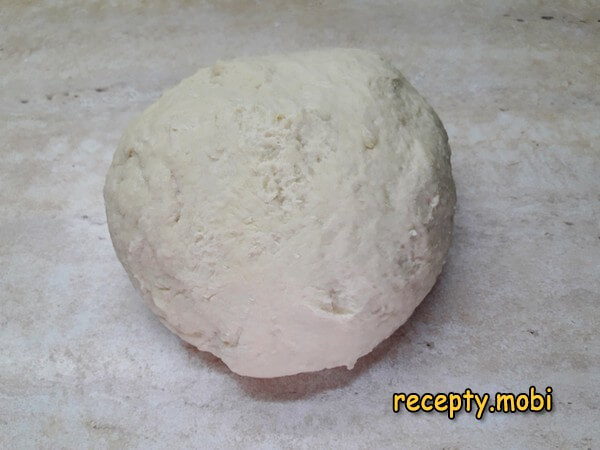
Grease a clean bowl with vegetable or butter. Put in the ball of dough, cover with a lid, and leave it in a warm place to rise.
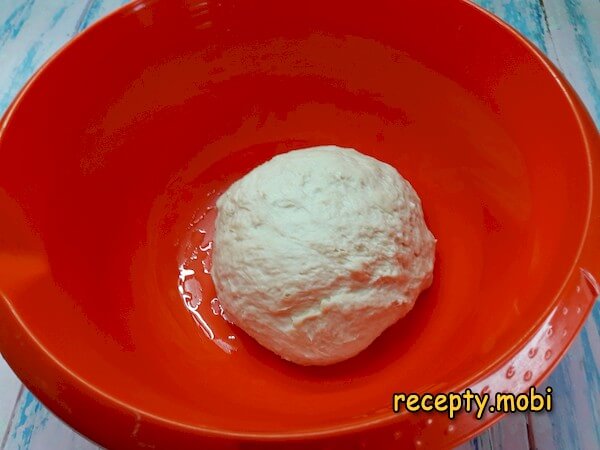
After an hour the dough has swelled well and doubled in size.
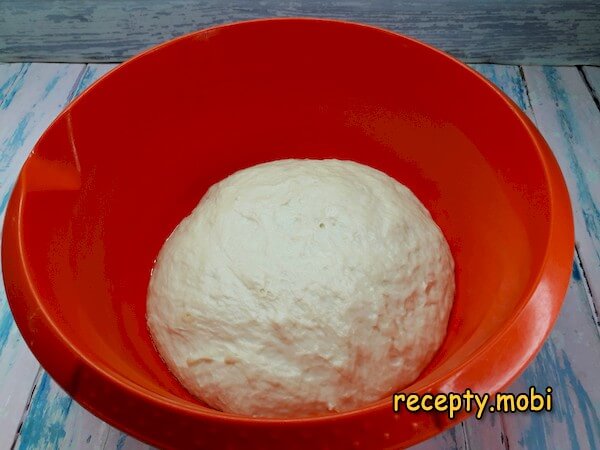
Put it on the table dusted with the last of the flour. Knead it down only lightly and flatten it with your hands.
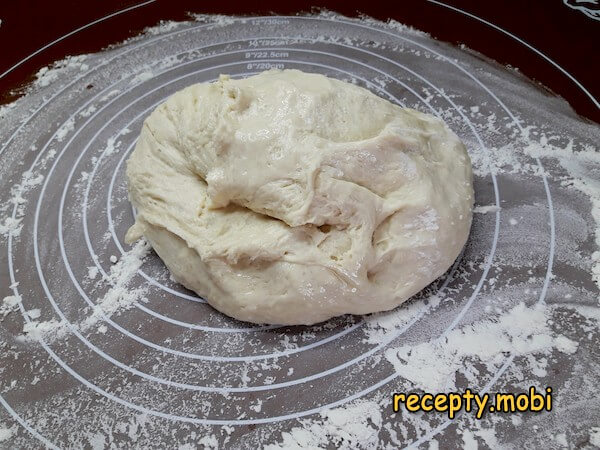
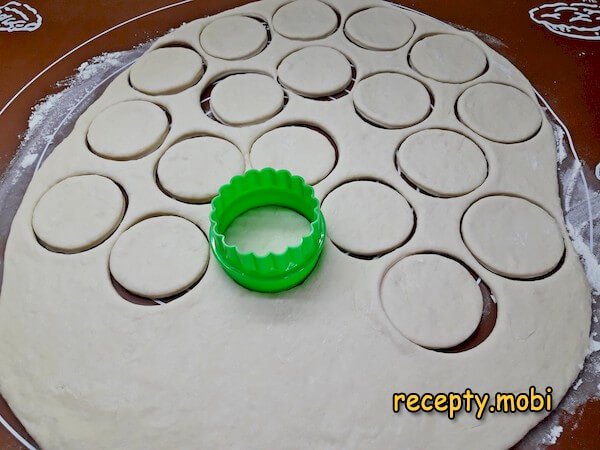
Roll the sheet out to a thickness of 5–7 mm.
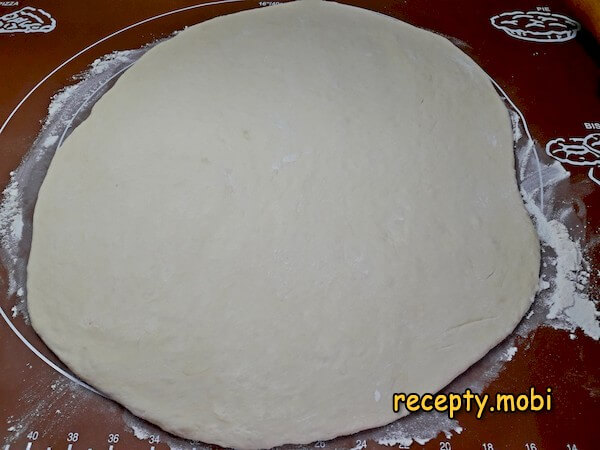
Press out 4 cm circles with a round glass or a special cutter, or cut squares. Gather the leftover scraps, roll them out again and cut out more circles.
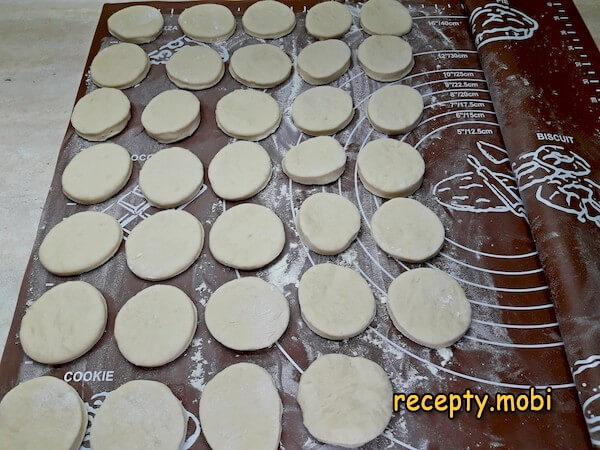
Lay the pieces out separately so they don't touch one another. Cover them with plastic wrap and leave them for 10 minutes to proof.
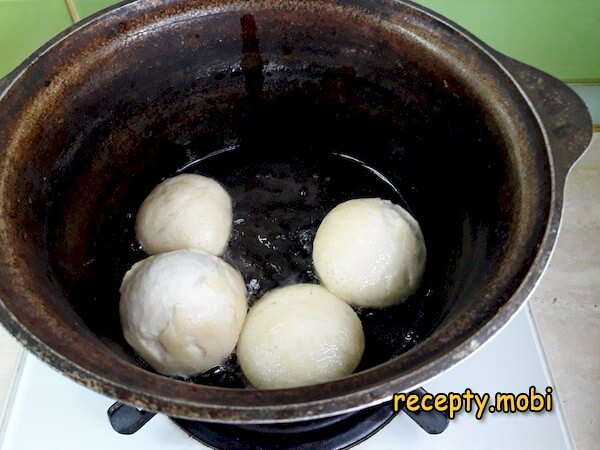
Set the heat to medium. Heat the oil in a cauldron (to save oil it is better to use a narrow cauldron). Drop in a few pieces, which should float freely in the oil. The circles start to puff up at once, like little balls.
When one side turns golden, flip the ball to the other side. As space opens up in the cauldron, drop in a new piece.
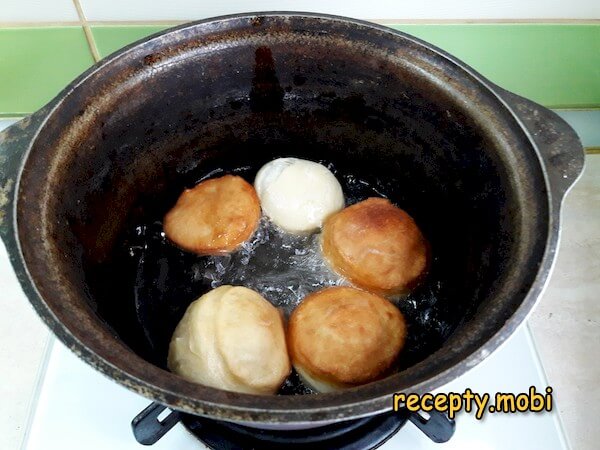
Set the finished baursaks on parchment or a paper towel so it absorbs the surface fat.

The Kazakh baursaks are ready. You can use them instead of bread. But if you dust them with powdered sugar or serve them with jam, the dish turns into a very appealing dessert. Give it a try, enjoy your meal!



Tips
- 1
Milk at 36–38 °C is the secret of the yeast. Too cold and it won't work; too hot and it dies. Use it only warm.
- 2
Don't clog the dough with flour – this is the secret of lightness. Heavy dough means dense baursaks. Slightly sticky dough gives fluffiness.
- 3
A thickness of 5–7 mm is the secret of the shape. Thinner and they come out flat. At exactly 5–7 mm they puff up into balls during frying.
- 4
A narrow cauldron is the secret of saving oil. A wide cauldron needs a lot of oil. A narrow one lets them float freely and uses less. The same principle works for other kinds of Central Asian donuts.
FAQ
Which yeast should I choose? +
Ideal are fresh fast-acting dry yeast (5 g) – no need to prepare a sponge. Alternatives: fresh pressed yeast (15 g – brighter flavour, the classic choice), active dry yeast (5 g – with prior activation), or "Saf-Moment" and "Pakmaya" yeast. Shelf life is no more than 6 months after opening the packet. Don't use: expired yeast (won't rise) or brewer's yeast (changes the flavour). For the "Kazakh classic" use ordinary dry yeast. For a premium version use fresh pressed yeast.
What can replace the cauldron? +
Alternatives: a wok (170 ml of oil – the "Chinese" option), a deep frying pan (22–24 cm wide – less oil), a deep fryer (170 ml of oil – automatic), a thick-walled pot (170 ml – the "economy" option), or a jezve or kazan-ladle. Fresh refined oil is the premium option. Don't use: thin-walled aluminium pans (the oil overheats) or very wide ones (they need more oil). For the "Kazakh classic" use a cast-iron cauldron. For a premium version use a non-stick wok with deep sides.
How long do baursaks keep? +
In a container at room temperature – 1–2 days. Any longer and they go stale and lose their fluffiness. Before serving, warm them in the oven for 5 minutes at 150 °C or in the microwave for 20–30 seconds. In the freezer – up to 1 month. Defrost them in the fridge for 4–6 hours or straight in the oven. Fresh baursaks are at their "star" best in the first 30 minutes after frying. On the second day they are less fluffy but still tasty. Don't leave them at room temperature for longer than 24 hours – yeast dough goes stale. Dust them with powdered sugar just before serving.
What do you serve baursaks with? +
The Kazakh classic: with hot tea (green, or Kazakh tea with milk). With sour cream or honey. With jam or preserves. With powdered sugar – a "children's" dessert. With a cup of coffee with milk. With hot cocoa. With a glass of kumys – the "Kazakh" way to serve them. With kefir or ayran. With a bowl of shurpa or plov – a "Kazakh" lunch. On the "dastarkhan" (the laid Kazakh table). With condensed milk. With berry sauce. With yoghurt. They are versatile donuts, for bread or for dessert.
- Comment
or post as a guest
Be the first to comment.