avg —
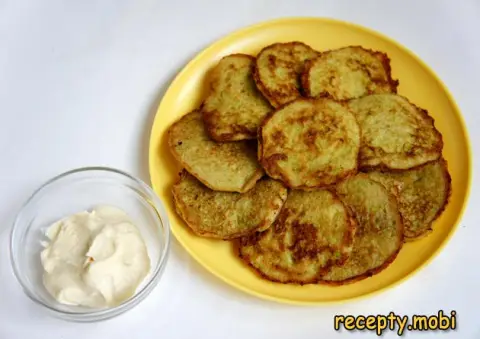
Cabbage fritters from raw cabbage

Instructions
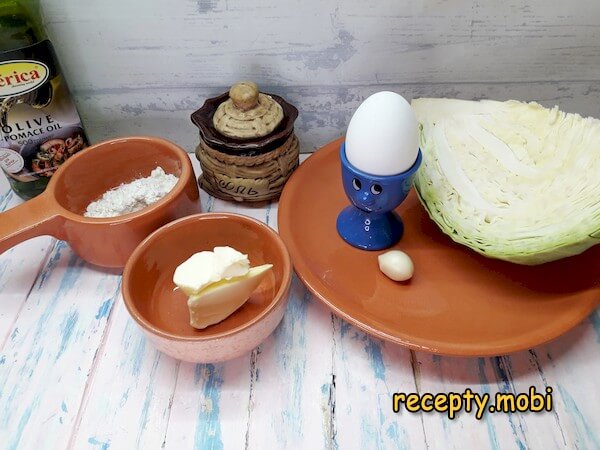
I get the ingredients ready as listed for the cabbage fritters from raw cabbage. Instead of wheat flour you can use oat flour or semolina. Regular breadcrumbs also work for the coating, but with whole-grain flour the fritters come out more tender.
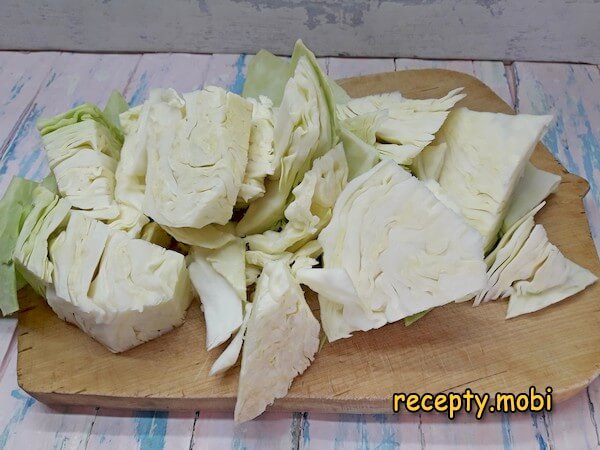
I cut the cabbage into pieces that are easy to load into a food processor. If you do not have one, first shred the cabbage, then pass it through a regular meat grinder.
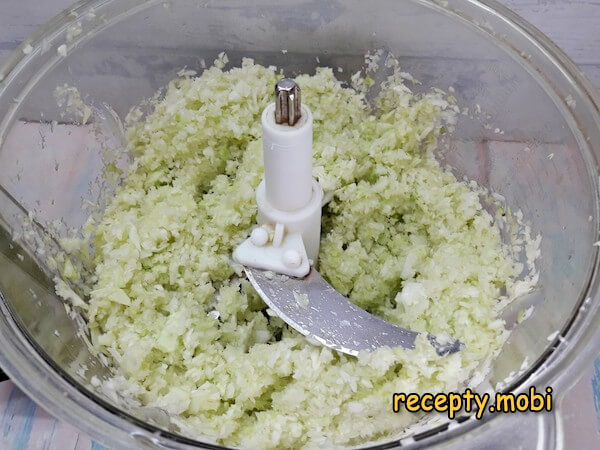
I put the cabbage pieces into the chopper and grind them into a grainy mash.
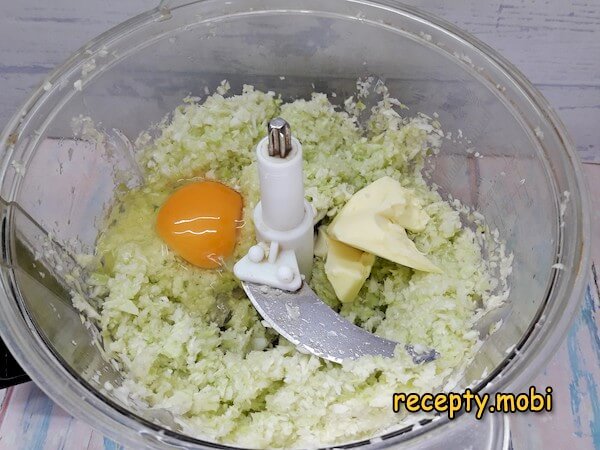
Into the same chopper bowl I add the butter and the egg.
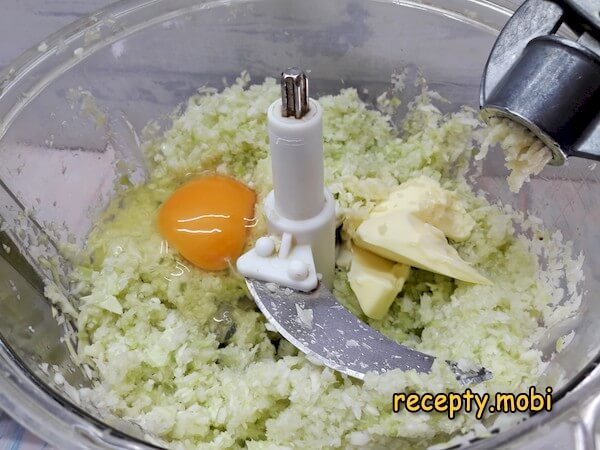
I press the garlic through a press (a whole clove may not grind evenly). I run the mixture through the chopper once more.
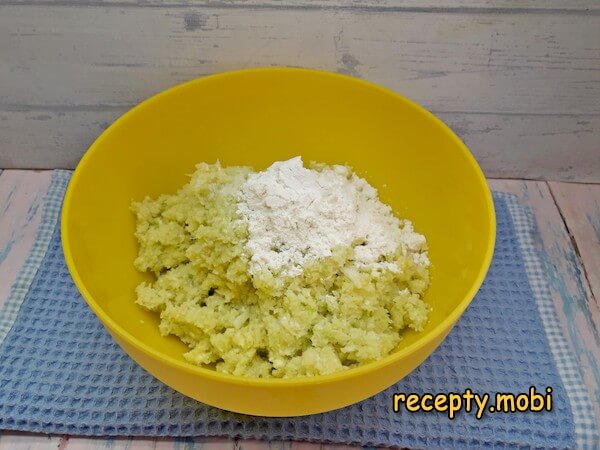
I transfer the cabbage mash into a bowl. I add a little salt and thicken it with flour.
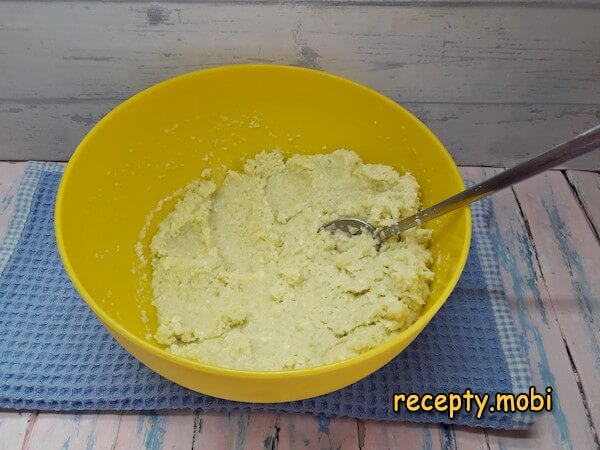
I stir the mixture thoroughly with a spoon so the flour spreads evenly throughout.
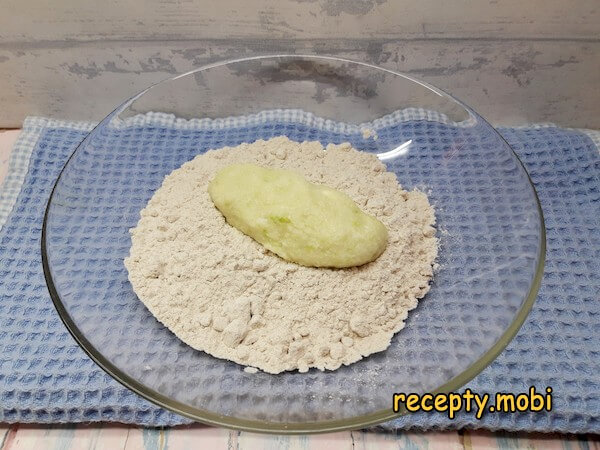
I wet my hands with water and shape a fritter, round or elongated. I coat it in the whole-grain flour.
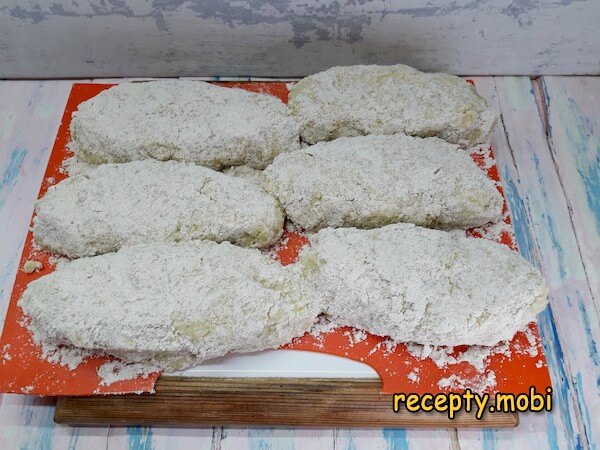
I lay the shaped fritters out on a board.
In oil that is well heated over medium heat, I fry the fritters on both sides until they turn golden.

I transfer the fritters onto a paper towel, which soaks up the surface oil.

The cabbage fritters from raw cabbage are ready. I serve them hot, although they are quite good cooled too. A little cold sour cream brings out the flavour of this vegetable dish, and a cup of fragrant tea rounds off the meal. If you use the fritters as a side dish, they go well with any meat.



Tips
- 1
Grind in a chopper – the secret of tenderness. A grater gives coarse shavings. A chopper gives a grainy mash, so the fritters turn out uniform.
- 2
Whole-grain coating – the secret of a crisp crust. Breadcrumbs are coarser and plain wheat flour disperses, while whole-grain flour strikes the ideal balance.
- 3
Wet hands – the secret of shaping. With dry hands the mixture sticks and the fritters tear; with wet hands you get smooth, even fritters.
- 4
Butter in the mixture – the secret of a creamy taste. 25 g of butter plus vegetable oil in the pan gives a creamy aroma without any burnt notes. The same principle works for other kinds of vegetable fritters.
FAQ
Which cabbage should I choose? +
Ideally, young summer white cabbage (500 g – tender and juicy). Alternatives: dense winter cabbage (500 g – takes longer to grind), red cabbage (500 g – a premium colour), savoy cabbage (500 g – the most tender), napa cabbage (500 g – softer but more watery), or a mix of white cabbage and broccoli (250 g each – a premium option). Do not use cabbage that is frostbitten, has dark spots, or has limp leaves. For the "classic" result, juicy white cabbage is a must.
What can replace wheat flour? +
Alternatives: oat flour (50 g – a "healthy" option), semolina (50 g – fluffier, but it needs to rest for 5 minutes), chickpea flour (50 g – a "gluten-free" option), whole-grain flour (50 g – a darker colour), or rice flour (50 g – airier). Do not use self-raising pancake flour with baking powder (it spoils the texture) or corn flour on its own (it crumbles). For the "classic" result, wheat or oat flour is a must.
How long do the fritters keep? +
In the fridge in a tightly closed container, 1–2 days. Any longer and the fritters give off moisture and the crust softens. Before serving, reheat them on a dry skillet or in the oven for 5 minutes at 180 °C to bring back the crispness. The microwave is not suitable – it makes the fritters rubbery. In the freezer (once cooked), up to 1 month; thaw them at room temperature for 30 minutes, then reheat. Fresh fritters are at their best straight from the pan. Do not leave them at room temperature for longer than 4 hours, as the egg in the mixture spoils.
What should I serve cabbage fritters with? +
The classic option is sour cream 20% (homestyle). They also go with a garlic sauce of yogurt and herbs, with tomato salsa (fresh tomatoes, onion and cilantro), with fried meat or chicken (as a side), with boiled fish, with an omelette or fried eggs for breakfast, with a slice of black bread and a salted cucumber, with a cup of black tea with lemon, with a glass of kefir for supper, or with fresh herbs and sliced vegetables. For a "Lenten table", serve them without sour cream and with a mushroom sauce instead. It is a versatile dish for everyday meals and healthy eating.
- Comment
or post as a guest
Be the first to comment.