Write a comment
Pancakes from sour milk (fluffy)

Pancakes from Sour Milk (Fluffy)

Fluffy pancakes from sour milk are the brilliant zero-waste breakfast solution that converts spoiled milk (the kind nobody wants to drink) into magnificent fluffy puffy pancakes. The chemistry is elegant: sour milk's natural lactic acid reacts with baking soda, producing CO2 bubbles that lift the dough into airy structure — no yeast needed. The result is a thick, soft, slightly tangy pancake with a crispy golden edge — substantially fluffier than regular milk pancakes. The recipe yields 30 pieces, perfect for a family breakfast or a weekend brunch with friends. The "spoiled milk = perfect for cooking" rule is a fundamental kitchen-economy lesson worth knowing.

Time40 min | Yield: 30 pcs | Calories: 208 kcal per 100 g

Ingredients

Show ingredients
  • sour milk – 500 ml;
  • eggs – 2 pcs;
  • flour (wheat) – 430 g;
  • fine salt – 0.5 tsp;
  • sugar – 15 g;
  • vanillin – to taste;
  • soda – 0.5 tsp;
  • vegetable oil for frying.

Preparation

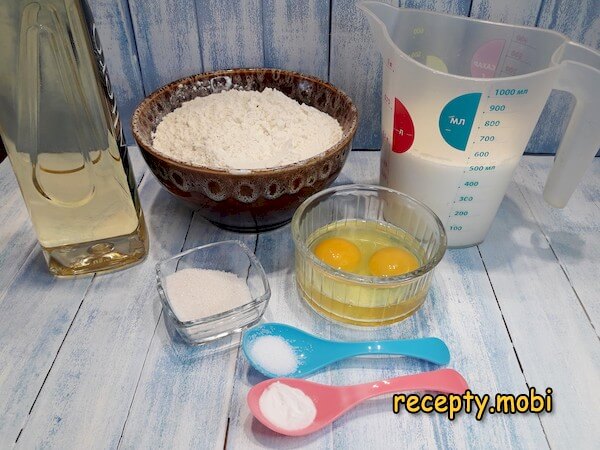
  1. I prepare the ingredients for fluffy pancakes from sour milk. The sour milk MUST NOT be cold (straight from fridge) — cold sour milk doesn't react vigorously enough with soda, producing flat dense pancakes. Take the milk out of fridge 1-2 hours before use, or microwave 15 seconds to bring to room temperature.
    ingredients for making pancakes from sour milk - photo step 1
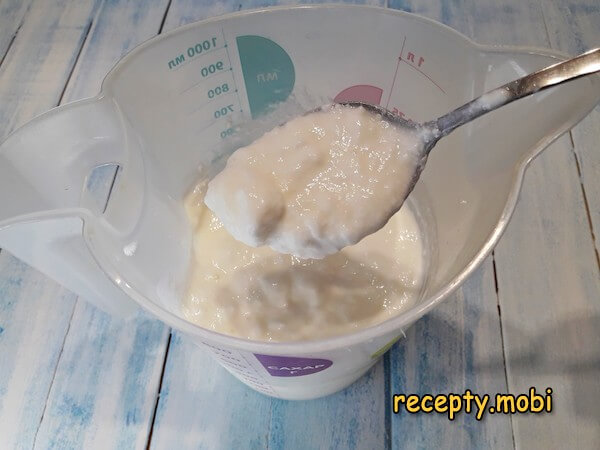
  2. Better yet — let the sour milk sit at room temperature even longer (3-4 hours), allowing it to thicken naturally and form curd-like lumps. This thicker, lump-formed sour milk is the IDEAL state for the dough — produces the fluffiest possible pancakes.
    preparing the batter for pancakes - photo step 2
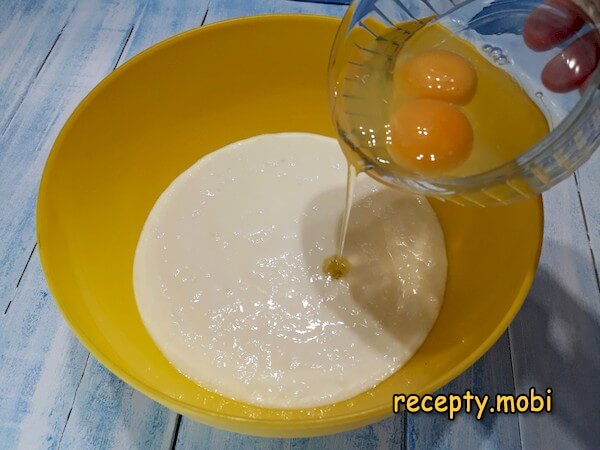
  3. Pour the room-temperature sour milk into a wide mixing bowl. Add eggs.
    preparing the batter for pancakes - photo step 3
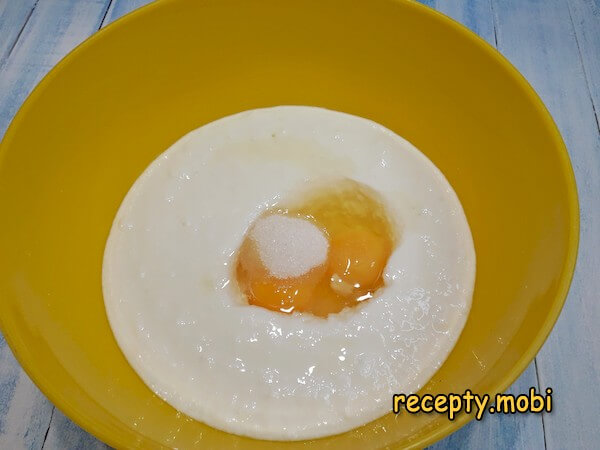
  4. Add salt and sugar. Don't increase sugar beyond 15 g — extra sugar makes finished pancakes deflate after cooling (sugar's hygroscopic effect pulls moisture and weighs the structure down). For sweet finish, add jam or honey at serving time.
    preparing the batter for pancakes - photo step 4
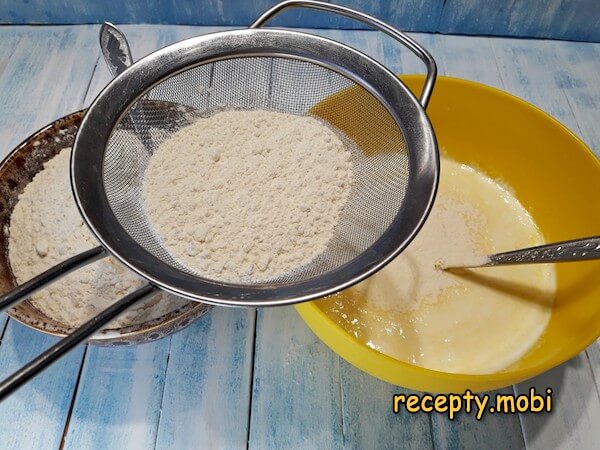
  5. Mix with a fork (whisks introduce too much air, which interferes with the soda reaction). Begin sifting flour in portions while continuing to mix.
    preparing the batter for pancakes - photo step 5
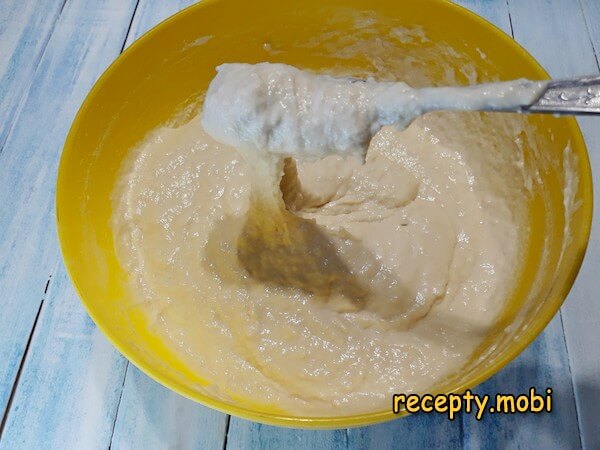
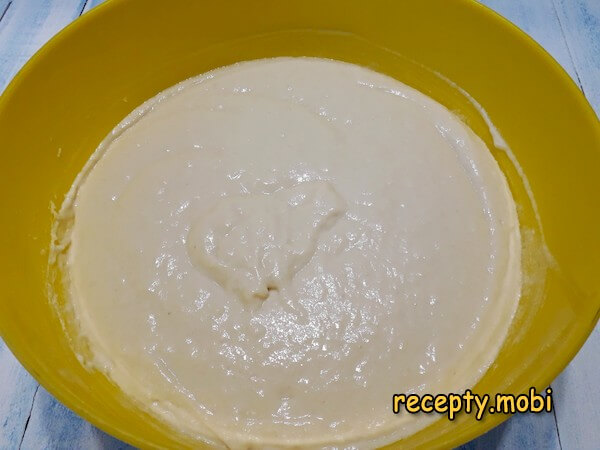
  6. After full mixing, the dough is THICK and slides slowly off the fork (similar to thick yogurt consistency). Don't add liquid to thin it — the dough is supposed to be this thick.
    preparing the batter for pancakes - photo step 6
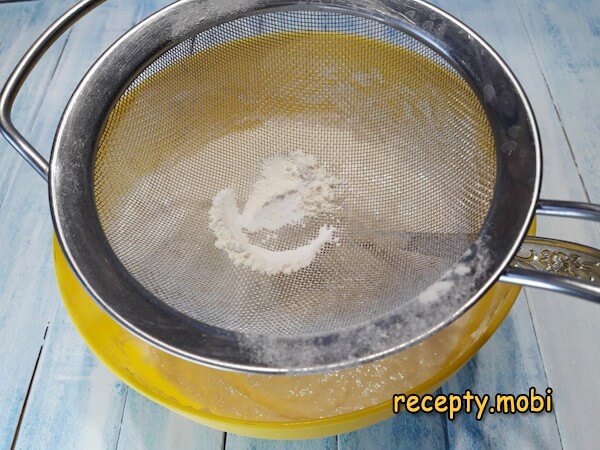
  7. Combine 1 tsp flour with the soda separately, then sift this mixture into the main dough. Mix gently. After this, NOTHING ELSE goes into the dough — additions disrupt the developing soda reaction.
    preparing the batter for pancakes - photo step 7
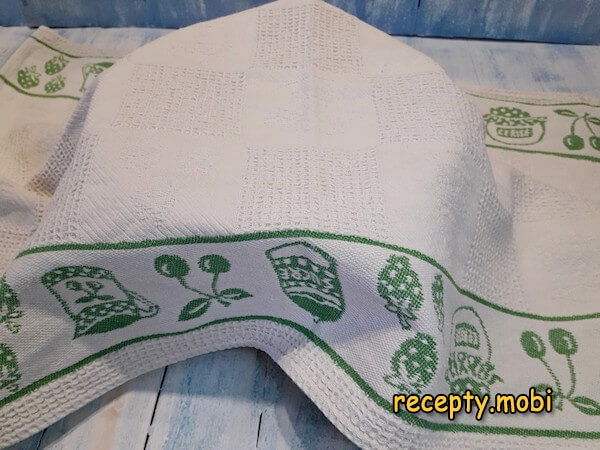
  8. Cover the bowl with a clean cloth and let rest 5 minutes. The soda-acid reaction proceeds during this rest, lifting the dough visibly.

    preparing the batter for pancakes - photo step 8
  9. Pour a generous amount of vegetable oil into a frying pan — the pancakes should be HALF-SUBMERGED in oil during frying (similar to shallow-frying donuts). While the oil heats, the dough puffs visibly — consistency now resembles risen yeast dough, soft and airy.
    batter for pancakes - photo step 9
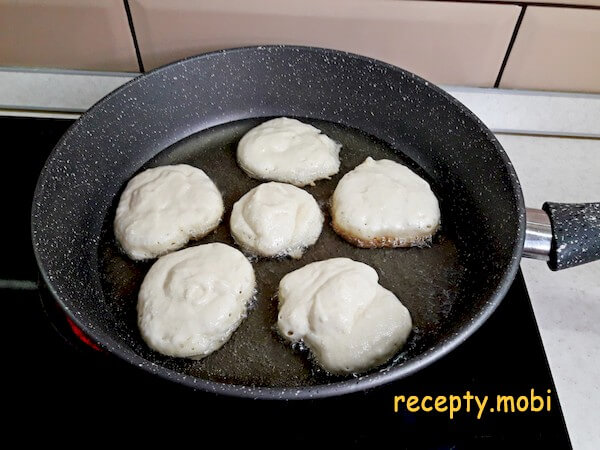
  10. Heat oil on high, then reduce to medium. Spoon-drop dough portions into the pan (each pancake = 1.5-2 tbsp dough). The pancakes immediately bubble and rise dramatically.
    making pancakes from sour milk - photo step 10
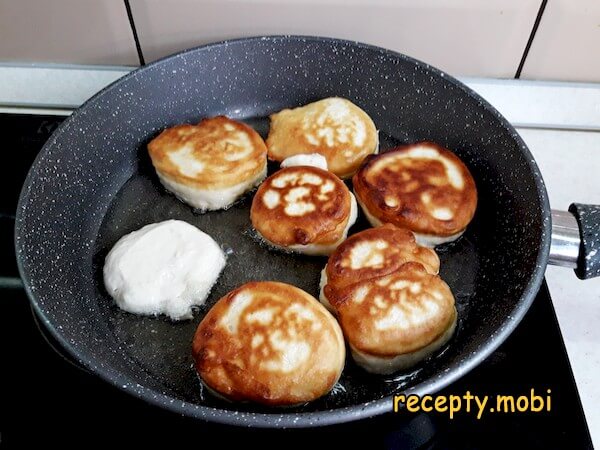
  11. When the bottom edge turns golden brown (3-4 minutes), flip each pancake to the other side.
    making pancakes from sour milk - photo step 11
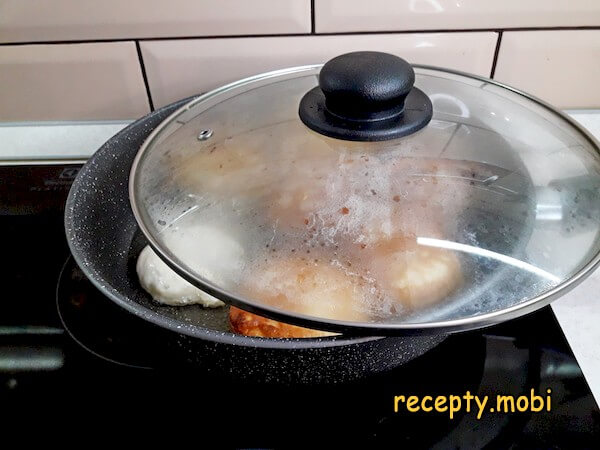
  12. Cover the pan with a lid leaving 1/3 open (full coverage steams the pancakes; full open lets too much heat escape). For even golden colouring, flip the pancakes 2-3 times during cooking.
    making pancakes from sour milk - photo step 12
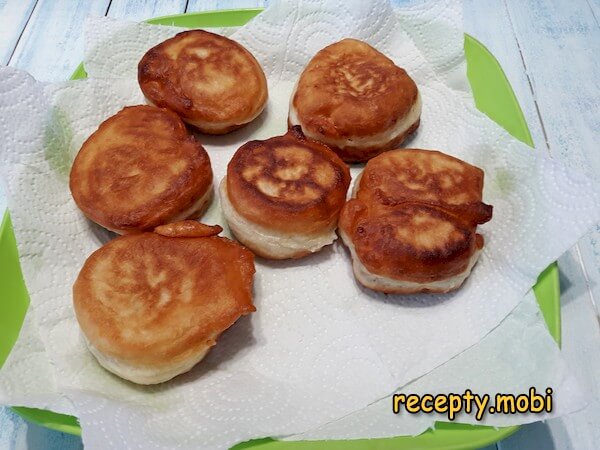
  13. Transfer cooked pancakes to a paper-towel-lined plate to absorb excess oil from the surface.
    Pancakes from sour milk
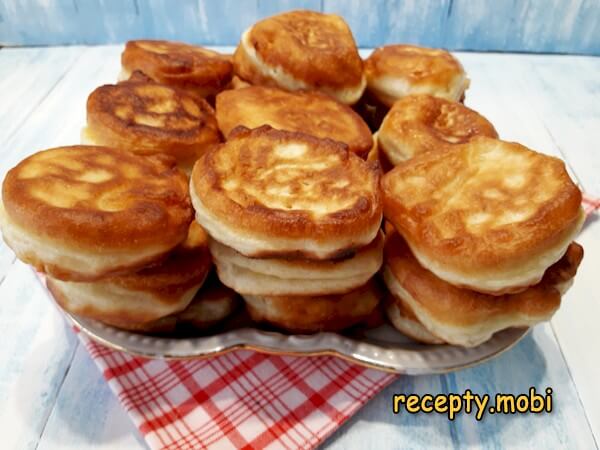
  14. Once oil is absorbed, transfer the pancakes to a serving plate.

    The fluffy sour-milk pancakes are incredibly delicious. Pair them with any jam, fresh fruit pieces, berries, or honey — the slightly tangy pancake base accepts every kind of sweet topping. They pair especially well with strawberry jam. Bon appétit!

    Pancakes from sour milk
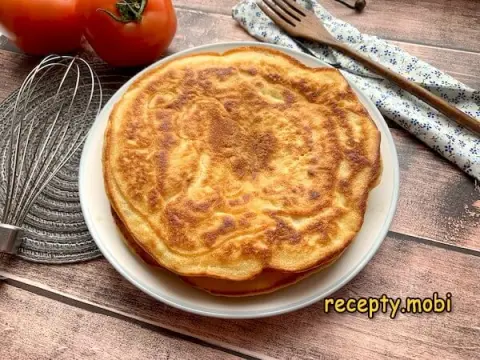
    Pancakes from sour milk

Tips and Tricks

Tip 1. THE WARM-MILK REQUIREMENT IS REACTION CHEMISTRY. The room-temperature requirement (steps 1-2) isn't preference — it's chemistry. Cold milk slows the soda-acid reaction dramatically; the CO2 bubbles form sluggishly and partially escape before the dough sets. Warm milk activates the reaction vigorously, trapping bubbles in the gluten-developing dough. Result with cold milk: flat dense pancakes. Result with warm milk: dramatically fluffy pancakes. Don't skip this step.

Tip 2. THE SODA-FLOUR PRE-MIX IS DISTRIBUTION SCIENCE. Step 7's instruction to combine soda with 1 tsp flour BEFORE adding to dough ensures even soda distribution. Adding pure soda directly creates pockets of high concentration (over-leavened spots) and pockets of no soda (flat spots). The pre-mix with flour disperses the soda particles, ensuring uniform leavening throughout. The same principle applies to all baking soda recipes — always pre-mix soda with a portion of dry flour before final integration. For another sour-milk pancake variation worth comparing, see Thin pancakes with holes on sour milk.

Tip 3. THE HALF-SUBMERGED OIL IS NON-NEGOTIABLE. Step 9's "half-submerged in oil" requirement isn't standard pancake-frying — it's the unique technique that produces these specific pancakes. Regular non-stick pan with minimal oil produces flat overcooked-bottom pancakes. The deep-oil shallow-fry creates: dramatic puff (oil heat surrounds the sides), evenly cooked interior, golden crispy exterior. Reduce the oil and you get a different (worse) dish. Use a small-diameter pan to minimise oil quantity needed if economising.

Tip 4. THE LID-1/3-OPEN IS THERMODYNAMICS. Step 12's partial-lid arrangement balances two opposing needs. Full lid traps steam (cooks the interior fully) but produces soggy steamed top instead of crispy. No lid lets too much heat escape (slow cooking, oily pancakes). The 2/3-covered position traps enough heat to set the interior while letting steam escape, producing the perfect texture combination. For an alternative cooking-video pancake recipe with milk worth trying, try Thin pancakes with milk and egg.

Frequently Asked Questions

Is "sour milk" the same as "buttermilk"?

Functionally similar but technically different. Sour milk is regular milk that has soured naturally (left at room temperature, lactic acid bacteria multiply, milk thickens and develops tangy flavour). Buttermilk is the liquid byproduct of butter-making (slightly different bacterial culture, slightly different fat profile). Both work equivalently in this recipe — the key property is acidity to react with baking soda. If you don't have either, you can simulate: 500 ml regular milk + 1 tbsp lemon juice or white vinegar, let sit 10 minutes until thickened. The simulated version produces nearly identical results.

Can I use kefir instead of sour milk?

Yes — kefir is essentially the cultured-fermented version of sour milk and works perfectly. Kefir's higher acidity actually produces slightly fluffier results than basic sour milk. Use the same 500 ml quantity. Other interchangeable acidic dairies: ryazhenka (baked-fermented milk, slightly sweeter), prostokvasha (Russian-style sour milk, classical choice), thin Greek yogurt (1:1 with milk to thin to pourable consistency), buttermilk. Avoid: sweet condensed milk (no acidity), cream (too fatty, wrong texture), evaporated milk (too sweet, wrong consistency). Any sour-tasting cultured dairy works.

Why don't I see bubbling when frying?

Three possible causes. First: the dough is too cold (didn't develop the soda reaction). Solution: ensure both the dough and the milk are room-temperature. Second: the oil isn't hot enough — pancakes must hit hot oil to immediately start puffing. Solution: test with 1 small drop of dough; if it doesn't sizzle vigorously, oil isn't ready. Third: the dough is too thin — overly liquid dough spreads and doesn't trap bubbles. Solution: add 2-3 tbsp flour and remix. The visible bubbling-and-rising is the diagnostic — if you don't see it, something needs correction.

Can I make these the night before?

Yes for cooked pancakes, no for batter. Cooked pancakes refrigerate well 24 hours; reheat in 150 °C oven for 5 minutes for revived texture (microwave makes them rubbery). The batter, however, can NOT sit overnight — the soda reaction completes within 30 minutes, so leftover batter produces flat dense pancakes the next day. Best meal-prep approach: cook all 30 pancakes at once, refrigerate cooked pieces, reheat by oven on serving day. For freezing: cool pancakes completely, freeze on a tray (separate them), transfer to bag — keeps 3 months. Reheat from frozen in oven 10 minutes.

Write comments...
symbols left.
or post as a guest
Loading comment... The comment will be refreshed after 00:00.

Be the first to comment.