avg —
Yeast Pancakes on Milk with Holes

Instructions
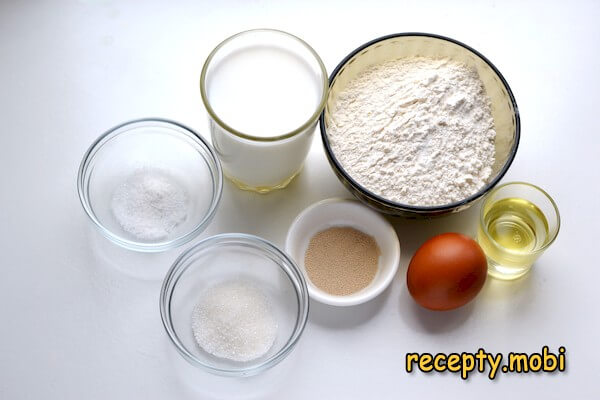
Prepare the ingredients from the list for the pancake batter.
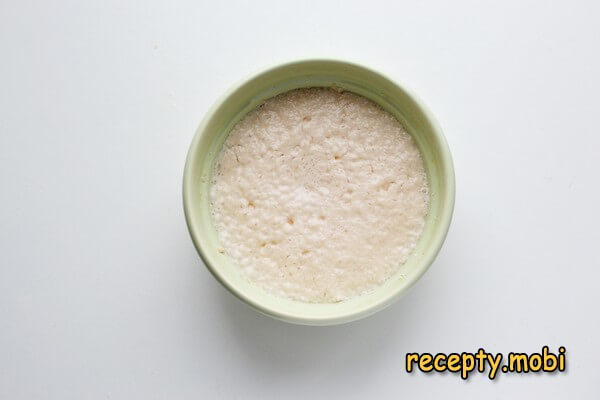
Warm half a cup of milk slightly, to about 30–35 °C, and pour it into a small bowl. Add the yeast and half of the prepared sugar. Stir, cover the bowl with film and leave it in a warm place for 10–15 minutes.
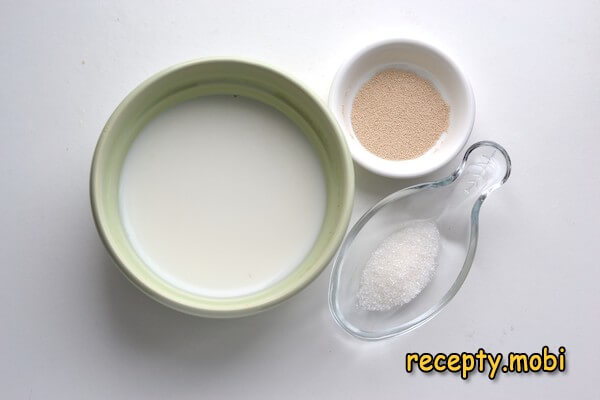
During this time the yeast in the bowl will rise into a frothy cap.
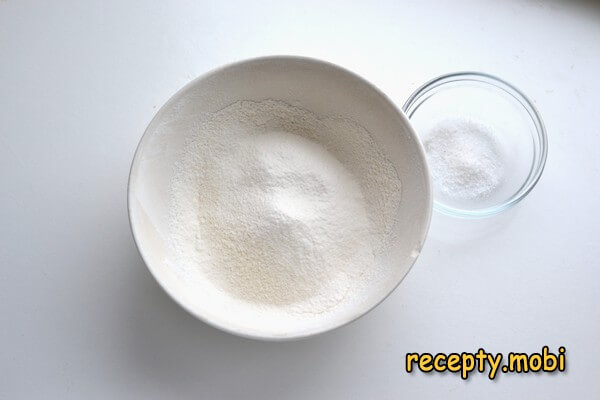
Sift the flour, add the salt and mix.
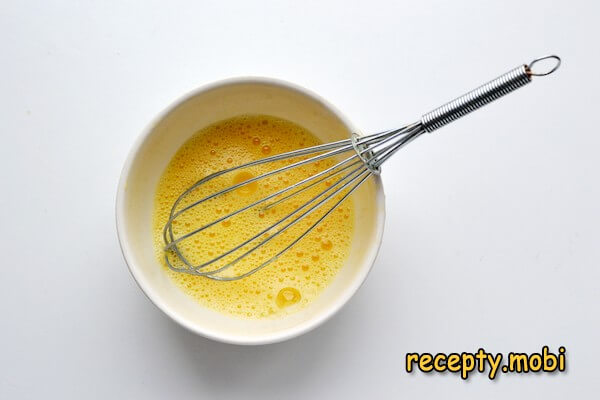
Whisk the egg gently with the remaining sugar.
Mix the beaten egg into the yeast mixture.
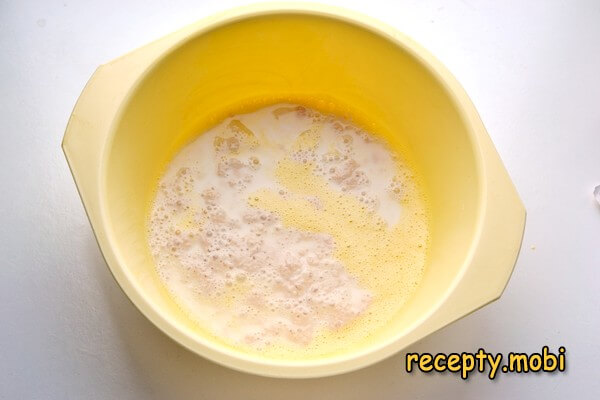
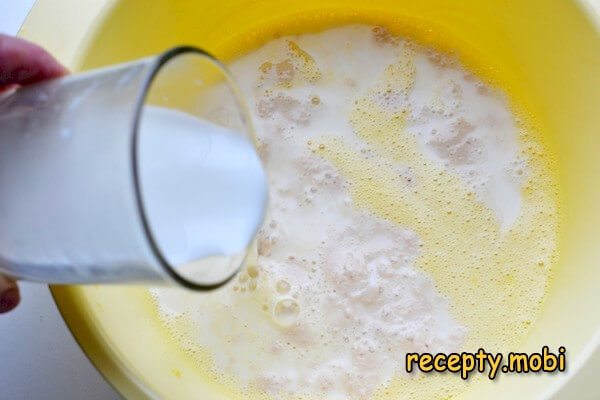
Pour in the rest of the warm milk, at about 30 °C, and stir.
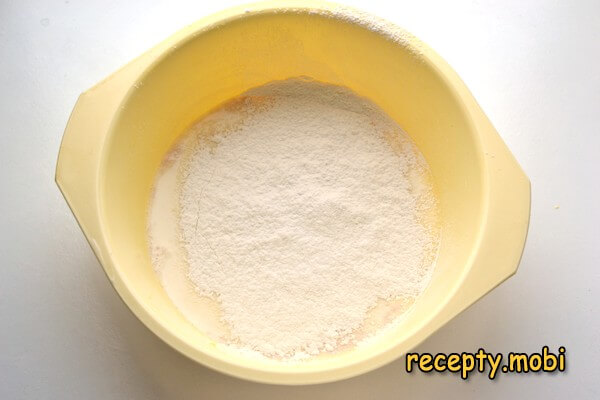
Add the flour to the liquid ingredients a little at a time, mixing each portion in well.
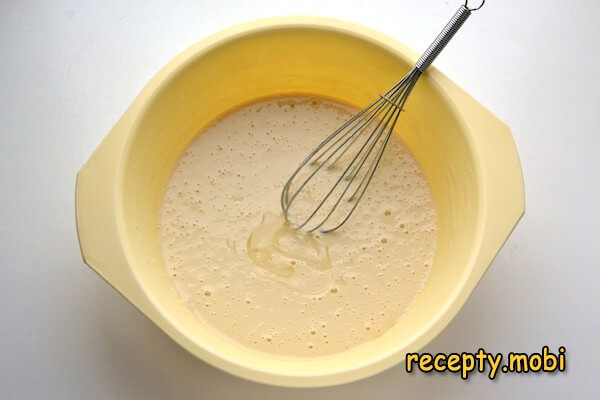
While mixing the batter, add half of the vegetable oil.
Cover the bowl and leave the yeast pancake batter in a warm spot for about 1 hour.
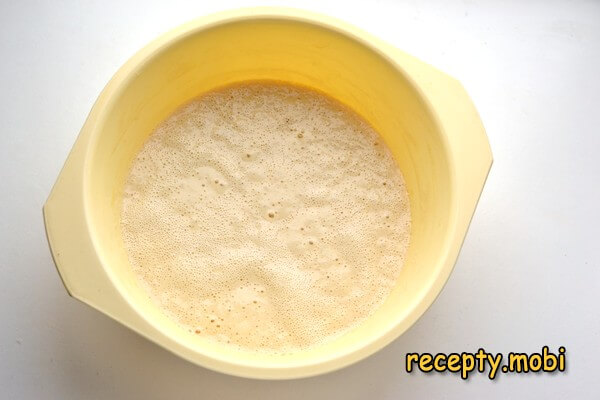
Then stir the batter and check its consistency. It should flow freely from the ladle. If the batter is a little thick, you can add some more milk or water.
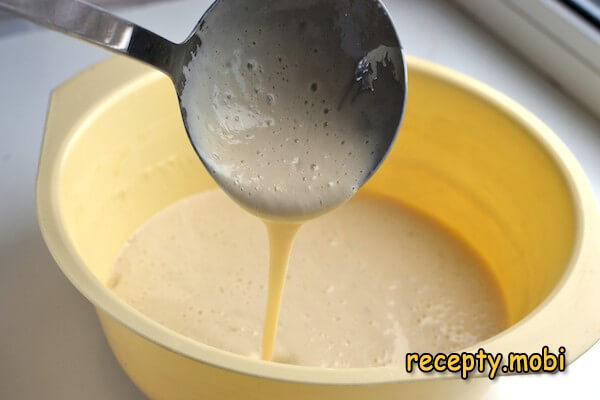
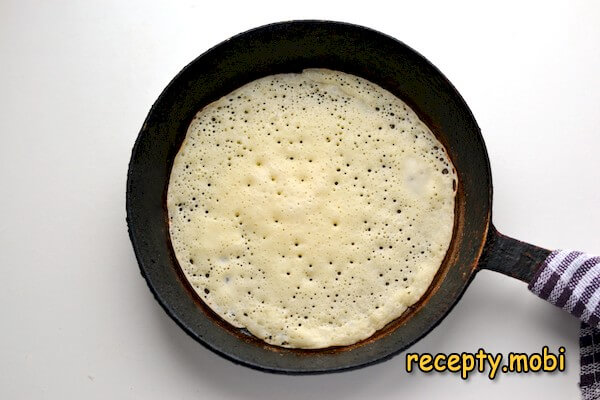
Heat the pan on the stove and grease it with the piece of bacon (if you have no bacon, grease it with a little vegetable oil). Pour the batter onto the pan with a ladle. Cook the pancake until holes appear on the surface, about 30–60 seconds.
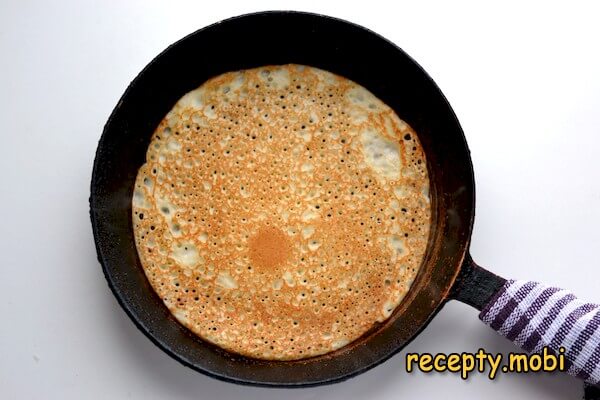
Flip the pancake and cook the other side until lightly browned, about 30–60 seconds. Do not let the pancakes brown too much.
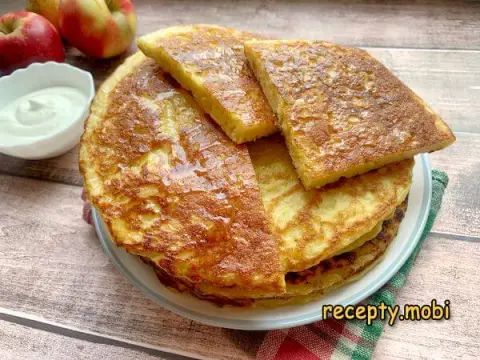
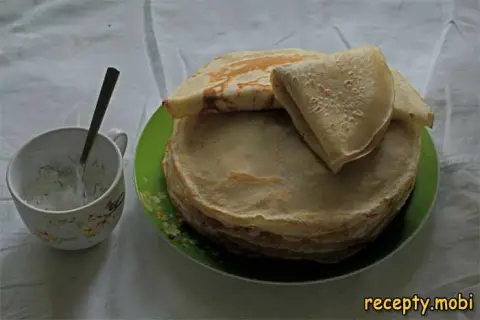
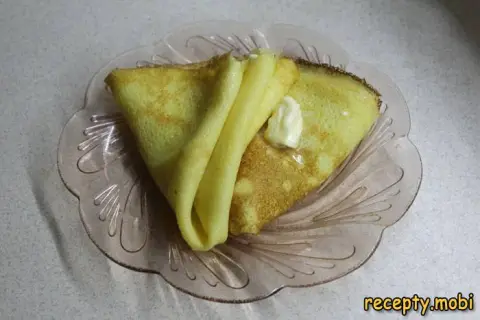
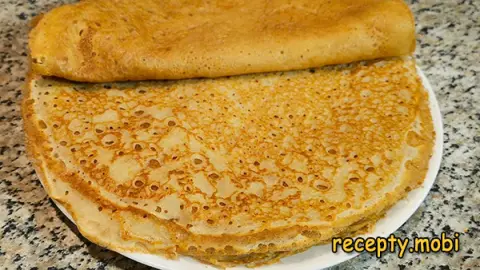
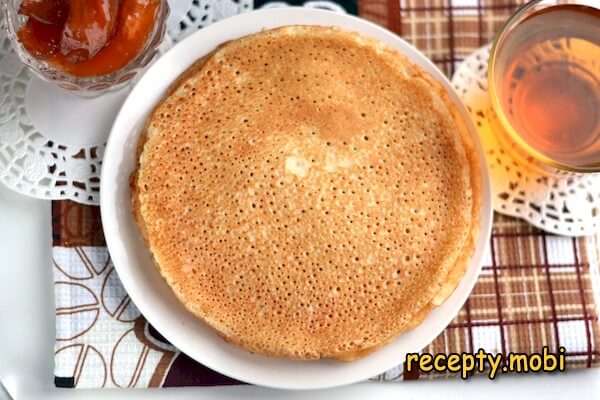
The yeast pancakes on milk with holes are ready. This batch of batter made 10 pancakes on a 16 cm pan.


Tips
- 1
Milk at 30–35 °C is ideal for the yeast. If it is too cold, the yeast will not activate; if it is too hot (45 °C and above), it will kill the yeast.
- 2
The 10–15 minute sponge is essential – the yeast has to come alive (the frothy cap). Without this step the batter will not rise.
- 3
An hour of rising in the warmth lets the gluten develop and the batter double in size. Without the rise there will be no holes.
- 4
Greasing the pan with bacon is a "grandma's" secret. It gives a special aroma and a perfect, non-stick surface that does not burn. The same principle works for other kinds of yeast pancakes.
Video

FAQ
Which yeast should I choose? +
The best choice is fast-acting dry yeast (SAF-Moment, Dr. Oetker, Pakmaya). Alternatives are active dry yeast (which needs to be "activated" in water), fresh compressed yeast (12 g instead of 4 g of dry), or "gourmet" yeast for premium baking. Out-of-date yeast will not do – the batter will not rise. Check the freshness: dry yeast should be loose and free of lumps, while compressed yeast should be greyish-white with no slime. Storage: keep dry yeast in an airtight jar for up to 6 months, and compressed yeast in the fridge for up to 2 weeks. Do not use "brewer's" yeast – it is not suitable for batter. Salt and yeast should not be mixed together straight away, as salt "kills" the yeast: first the sponge, then the salt with the flour.
Can I use ordinary milk? +
The best choice is cow's milk at 2.5–3.5 % fat (the classic). Alternatives include baked milk (a special aroma), goat's milk (an unusual flavour), or cultured dairy such as kefir or soured milk (which add a slight tang). Skimmed milk (0.5 %) is not the best option, as the pancakes will be less rich. Brands such as Prostokvashino, Domik v Derevne and Brest-Litovsk are reliable. Plant-based milk (soy, oat, almond) works for vegans, but the texture is different. Fresh milk is better than long-life (UHT). Check the date – out-of-date milk will "curdle" when warmed. Do not boil it – warm it only until it is lukewarm, 30–35 °C, otherwise you will "kill" the yeast. Rich farm milk is the "premium" option and makes especially tasty pancakes.
How long do the pancakes keep? +
In the fridge, in film or a container, they keep for 2–3 days. Reheating them on a dry pan for 30 seconds a side will bring back their softness. In the microwave, give them 15–20 seconds (in a stack under a damp towel). In the freezer they keep for up to 1 month, layered with parchment so they separate easily. Defrost them at room temperature for 30 minutes or warm them up on a pan. Fresh pancakes are the "stars" – they are tastiest on the day they are made. On the second day, turn them into a "pie": pancakes plus filling, baked under cheese. Do not leave them at room temperature for longer than a day, or the batter will dry out. For "lunch on the go", wrap them in foil and they will stay warm for 2 hours.
What should I serve the pancakes with? +
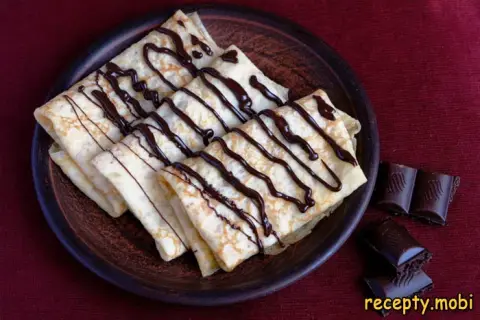
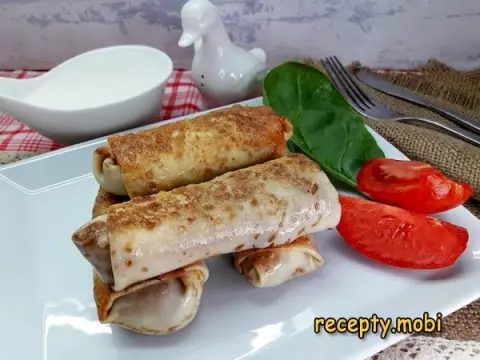
Sweet toppings: honey, preserves, jam, condensed milk, sour cream with sugar, chocolate spread. Savoury ones: red caviar (the classic), lightly salted fish, cheese and ham, fried mushrooms, minced meat. The Maslenitsa classic is with sour cream and caviar. Serve them with strong tea, coffee, cocoa or milk. For a "children's" version, use fruit purée or jam. For a buffet, make mini pancakes with different fillings. With a shot of vodka or a glass of medium-sweet red wine, it becomes a "grown-up" serving. With butter, it is a "country" serving. With a scoop of ice cream, it is a dessert. A versatile base for all sorts of meals.
- Comment
or post as a guest
Be the first to comment.