avg —
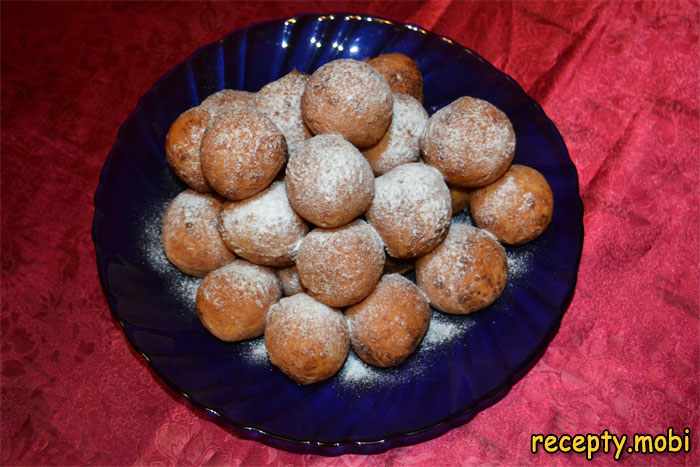
Fried Curd Balls

Instructions
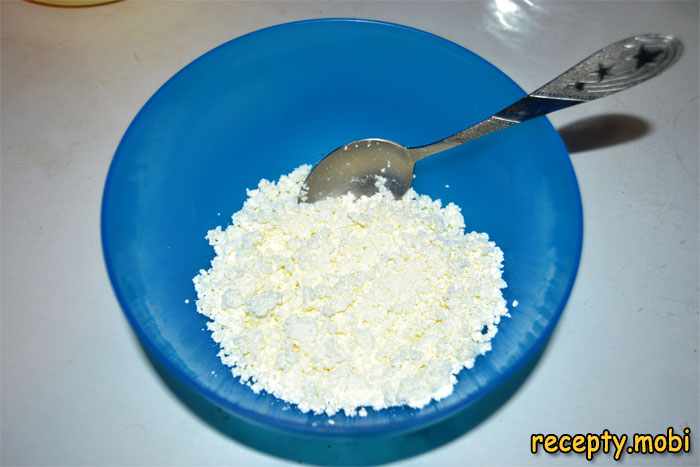
I choose cottage cheese that is not too wet, rather on the dry side. I tip it into a bowl and mash it with a spoon, breaking up the lumps. You can rub it through a sieve for a smoother texture, but simply mashing it with a spoon is enough – a few small lumps won't spoil the taste.
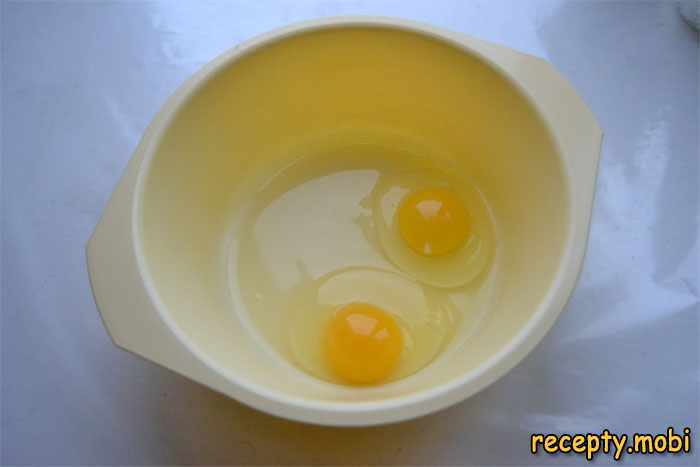
I break 2 chicken eggs into a separate bowl. I break them separately to be safe – that way no shell can get into the dough.
I add the sugar (50 g) to the eggs. You can adjust the amount of sugar to taste, but I don't recommend going over 60 g, otherwise the balls turn out too sweet.
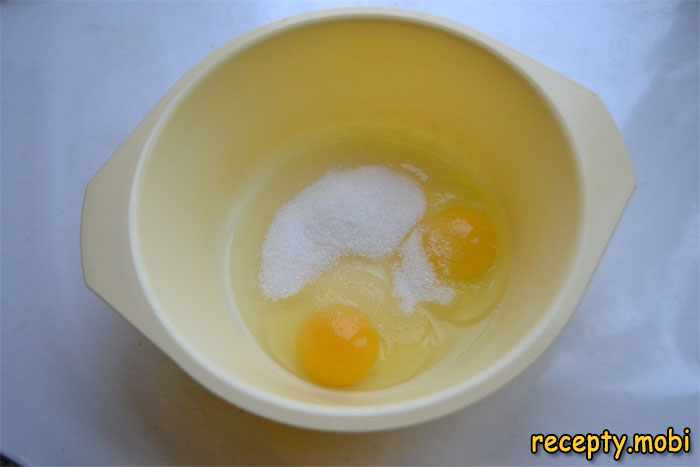
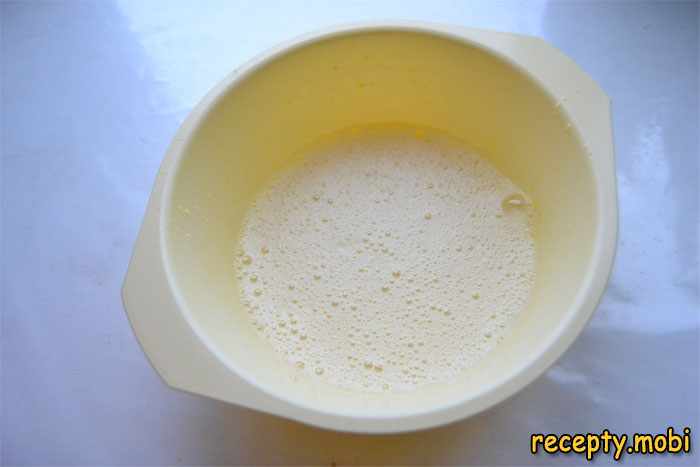
I beat the mixture with a mixer on low speed until smooth. If you don't have a mixer, use a whisk – the result will be just as good.
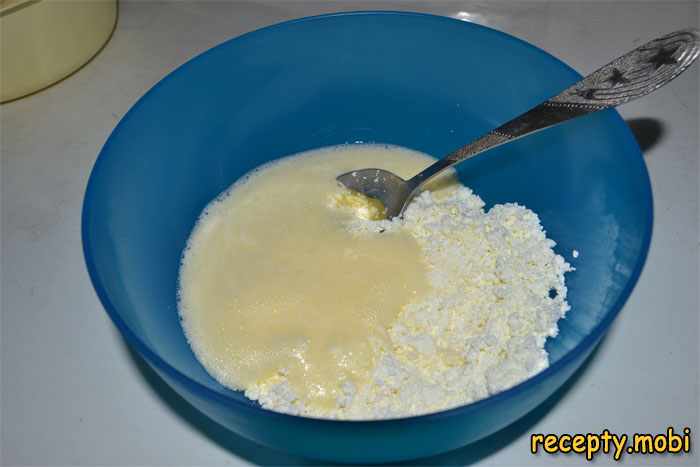
I combine the mashed cottage cheese with the beaten egg mixture. I stir thoroughly until smooth.
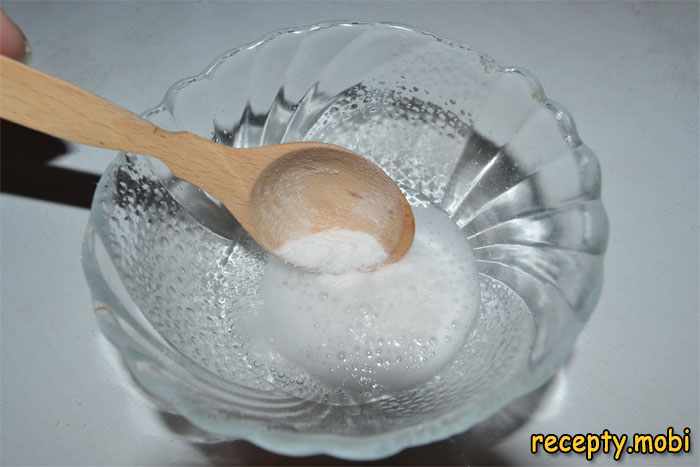
I add the baking soda (0.5 tsp) to a tablespoon of vinegar to quench it – the reaction starts at once and the mixture foams.
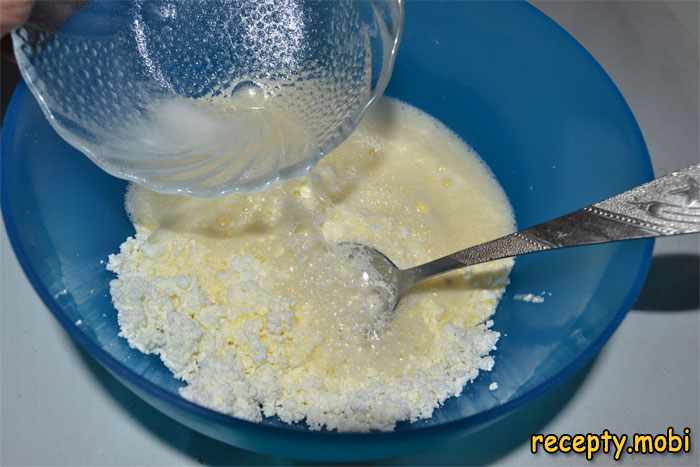
I quickly add the quenched soda to the cottage cheese mixture and stir. The soda creates air bubbles that make the balls fluffy.
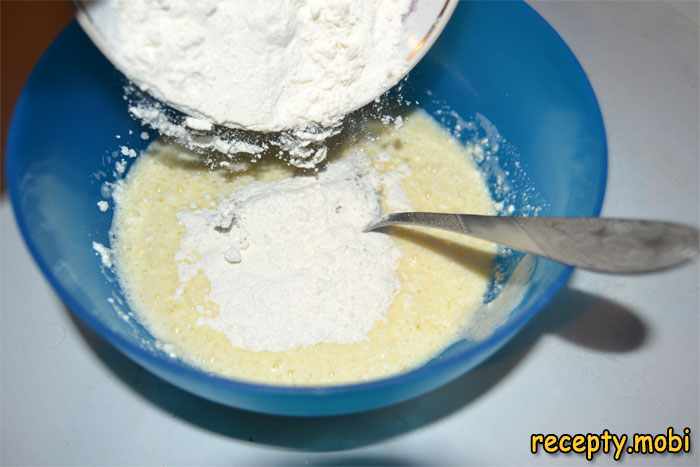
I add the sifted flour (200 g) gradually, in batches. Sifting matters – it enriches the flour with air and makes the balls lighter.
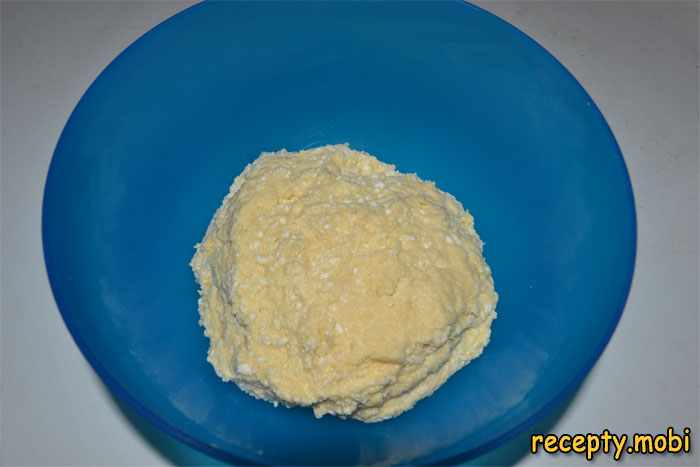
I knead a soft, loose dough with a spatula. It comes out sticky – that's normal. I leave the dough to rest for a few minutes, which makes it easier to work with.
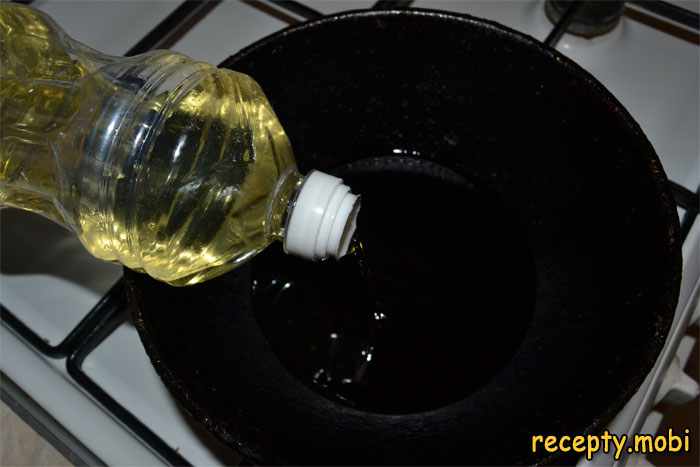
I pour refined vegetable oil into a small cauldron or deep frying pan and heat it well. There should be enough oil for the balls to float freely.
I carefully lower the balls into the hot oil. I leave space between them, as they grow a lot in size. I turn them over now and then with a spatula for even frying.
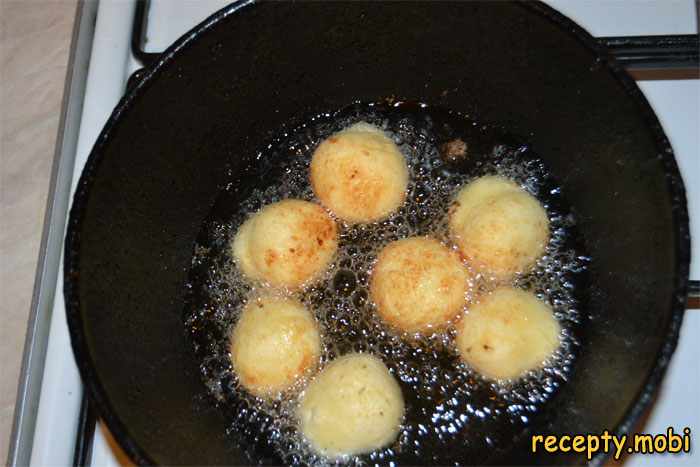
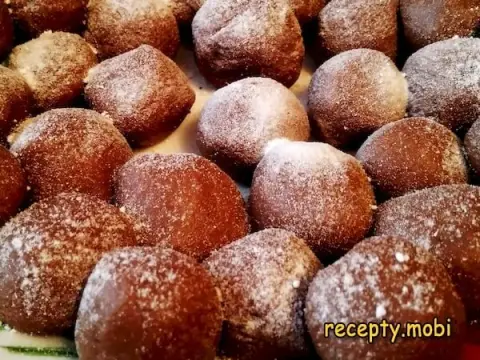
In the hot oil the balls puff up and almost double in size. This happens thanks to the quenched soda and the steam that forms inside.
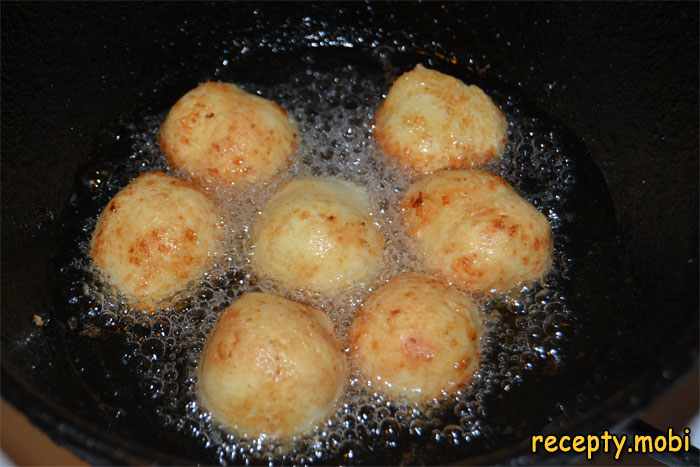
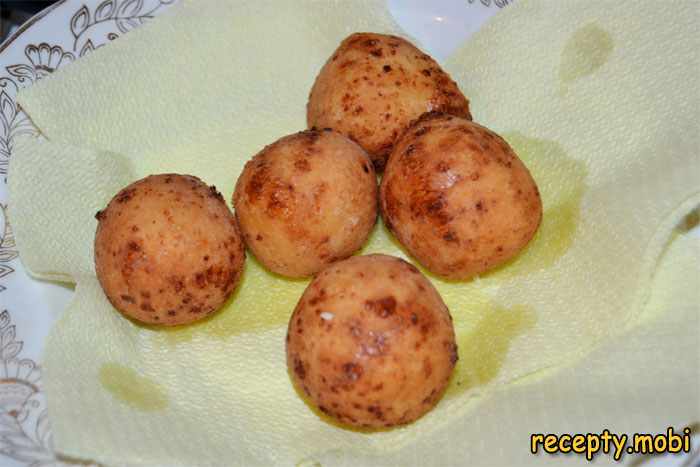
When the balls are evenly browned on all sides, I lift them out with a slotted spoon and put them on paper towels to soak up the excess fat.
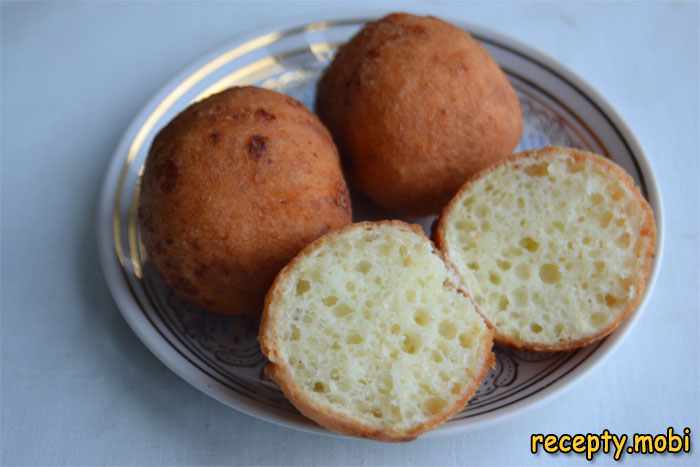
From the first batch I break one ball open to check that it is done. Inside there should be baked, airy dough with no raw patches.
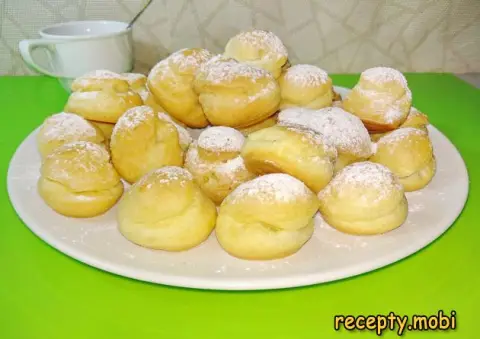
I dust the cooled balls generously with icing sugar. The sugar melts beautifully in your mouth together with the tender curd dough. I serve them warm with tea or milk.


Tips
- 1
I choose dry cottage cheese – if it is wet, I squeeze it through cheesecloth or leave it in the fridge on a paper towel for 2–3 hours. Wet cottage cheese needs a lot of flour and gives dense balls.
- 2
I don't add too much flour – the dough should be sticky. Too much flour makes the balls dense rather than airy.
- 3
I check the oil temperature by dropping in a small piece of dough: it should rise to the surface straight away with lively bubbles. If the oil isn't hot enough, the balls will absorb a lot of fat.
- 4
I don't make the balls too big – they grow a lot while frying and the centre can stay raw. The ideal size is that of a walnut.
FAQ
Can I bake these balls in the oven? +
Yes, but the texture will be different – not as airy and crisp. I bake them at 180°C for 20–25 minutes, brushing the balls with vegetable oil first.
Why do the balls turn out dense rather than fluffy? +
Most likely the cottage cheese was too wet and you had to add a lot of flour. It can also be due to oil that wasn't hot enough or stale baking soda.
Can I replace the vinegar for quenching the soda? +
Yes, I use lemon juice in the same proportion. You can also replace the soda with baking powder (1 tsp) – then there is no need to quench it, you just add it to the flour.
How can I tell that the oil is hot enough? +
I dip a wooden stick or a piece of dough into the oil – if bubbles appear actively around it, the temperature is right (about 170–180°C).
How long do the finished balls keep? +
In a closed container at room temperature for up to 2 days. But they taste best fresh, on the day they are made, while still warm and crisp.
- Comment
or post as a guest
Be the first to comment.