avg —
Honey Baklava

Instructions
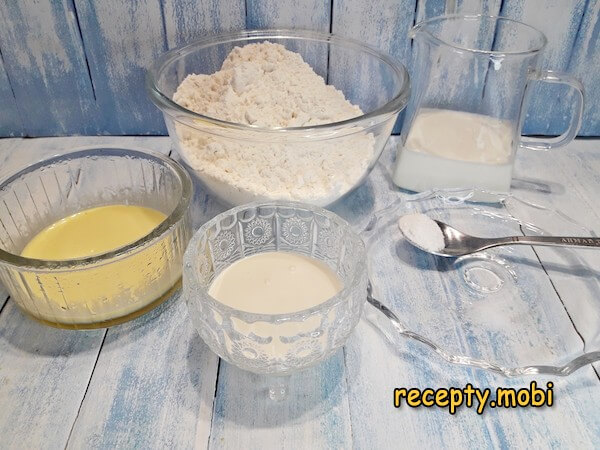
I prepare the ingredients for the dough. It is best to use sour cream with at least 20% fat. The butter needs to be melted in the microwave or over a water bath, and then cooled.
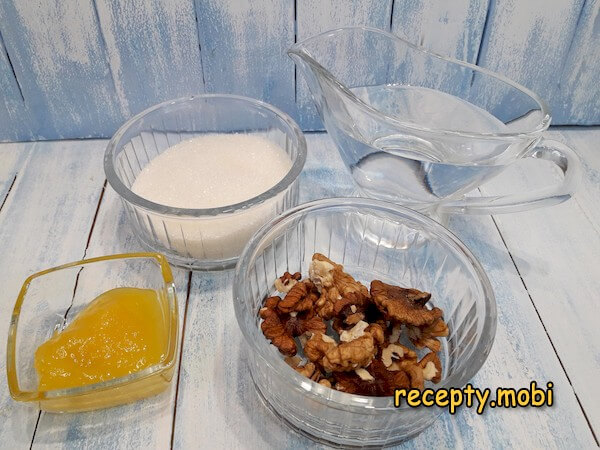
I measure out the ingredients for the soak. Instead of walnuts, any other nuts (hazelnuts, peanuts) would work well here too.
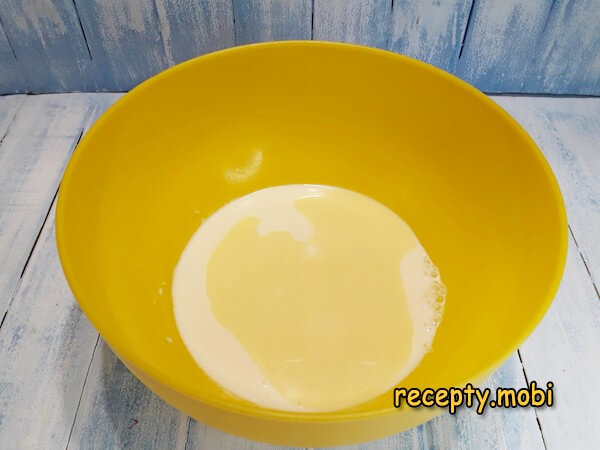
I start with the dough. In a convenient bowl, I combine the milk, butter, and sour cream.
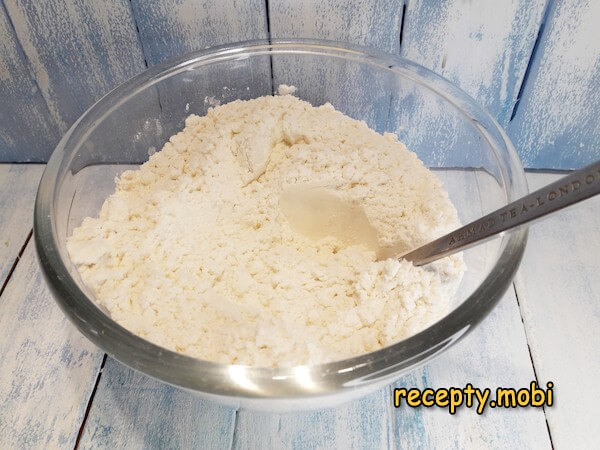
Separately, I mix the flour with the baking powder and salt so that they are evenly distributed throughout.
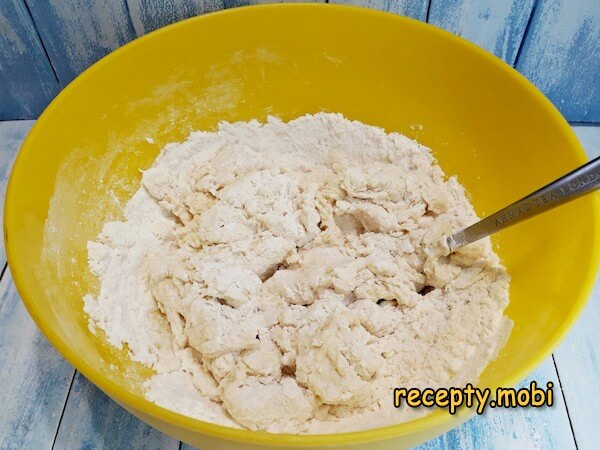
I gradually add the flour mixture into the liquid one, stirring everything with a spoon at first.
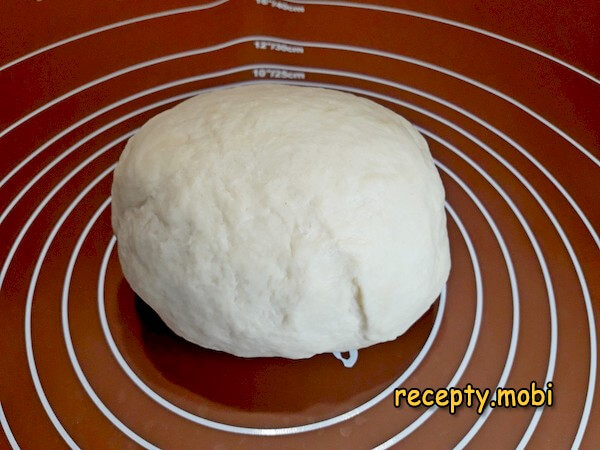
I carry on kneading by hand on the table. The dough should turn out quite stiff, but with a uniform and smooth structure. The thing is, it is impossible to roll the dough very thinly if it is not fairly dense and firm; on top of that, the rolling pin will constantly stick to and tear an overly soft section. I leave the resulting ball under a bowl for about 15 minutes. During this time the gluten will relax, and the dough will become softer, more pliable, and easy to roll out later.
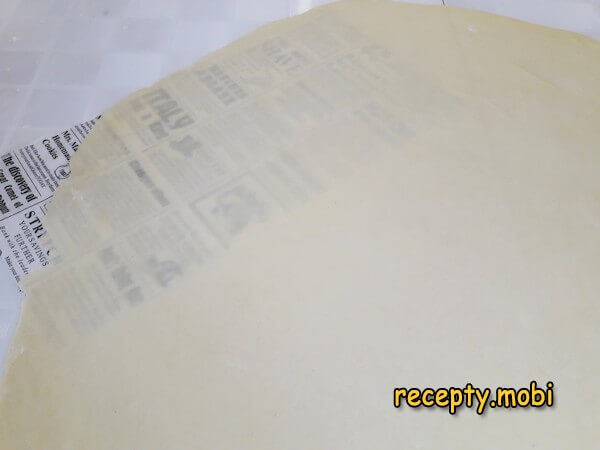
I divide the rested ball in half (smaller pieces are easier to roll out). I dust the table with flour, as well as the piece of dough. I begin rolling it out, dusting with flour as needed. The result should be a thin sheet about 1 millimetre thick. To check, you can place a sheet of newspaper underneath and it should show through the rolled dough clearly. I roll out the second piece in exactly the same way and be sure to dry them out (about 15 minutes on each side) so that the layers do not stick together when rolled up later.
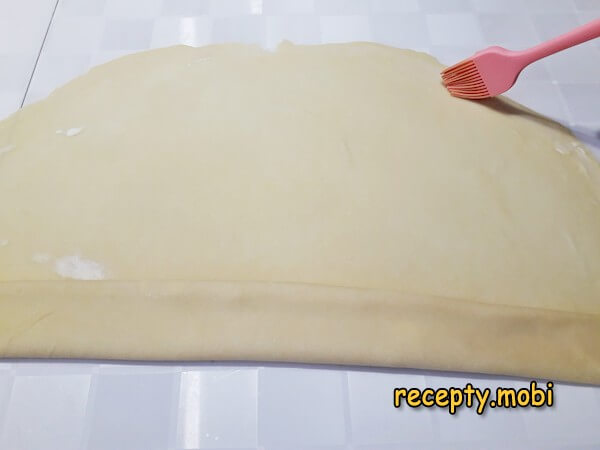
I begin rolling the sheet into a flat roll 3–4 centimetres wide. When I reach the middle, I brush the edge of the sheet with water so that it is securely fixed in place.
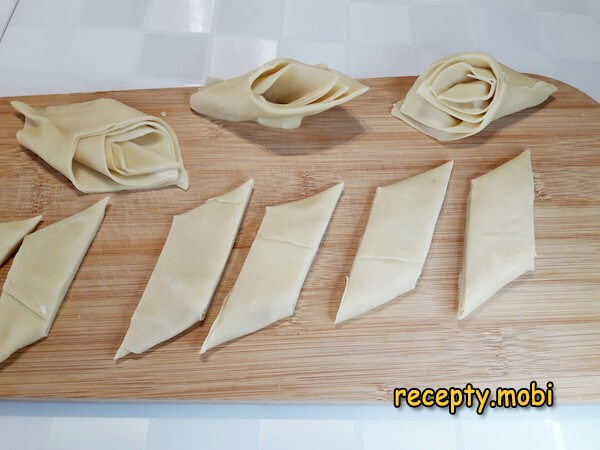
With a knife, I cut strips about 2 centimetres wide at a sharp angle. I gently fluff the piece open – it will take on the shape of a petal or a little flower.
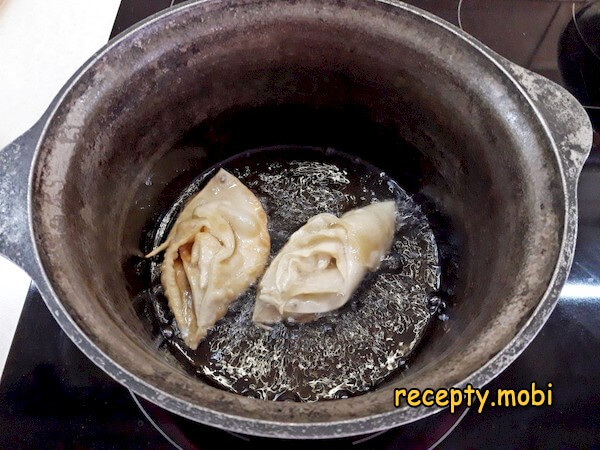
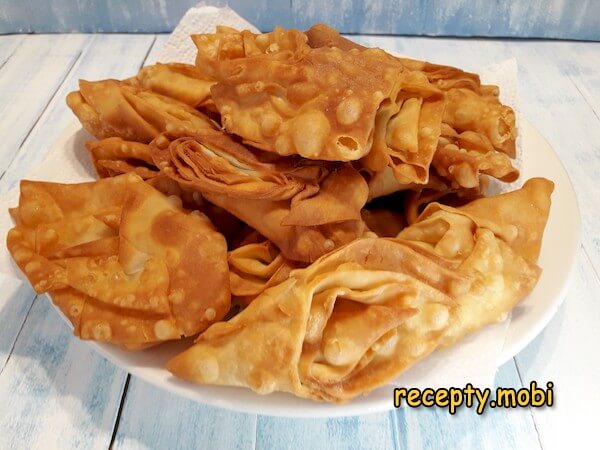
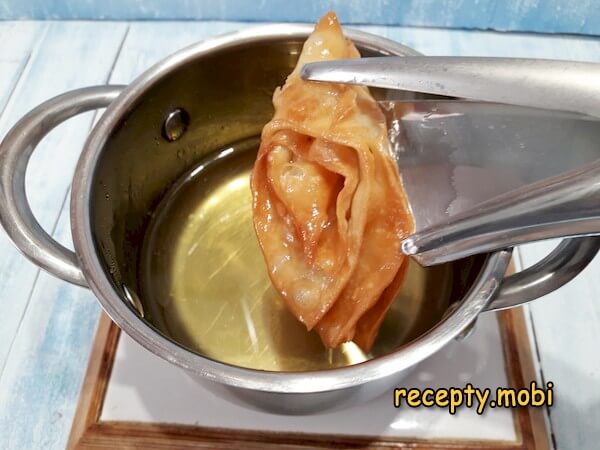
The baklava needs to be fried in oil 3–4 centimetres deep. So, to save oil, it is better to use a small-diameter pot, for example a little cauldron. I set the heat to just above medium. When the oil is well heated, I lower a couple of pieces into it – they should float freely in the deep oil. Turning them constantly, I bring the pieces to an even bronze colour.
I transfer the baklava onto a paper towel, which will absorb the oil left over after frying.
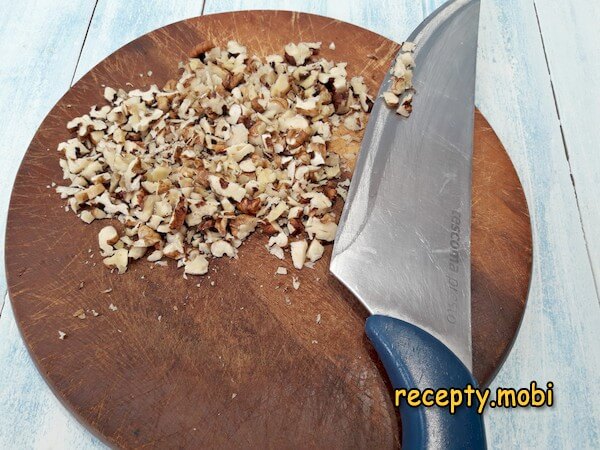
While the pieces are cooling, I finely chop the nuts with a knife.
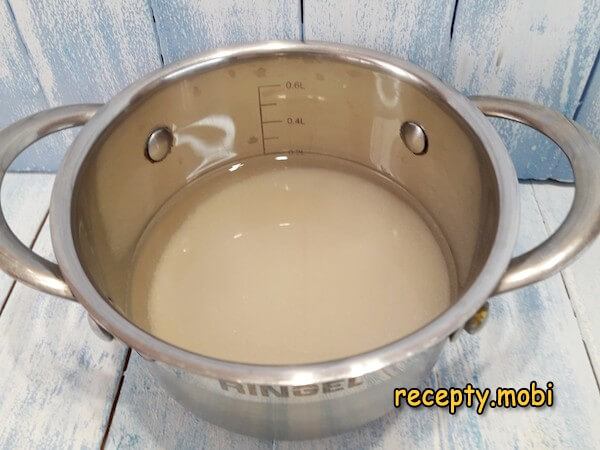
Into a small saucepan I pour the water, then add the sugar (not the other way round). I boil the syrup over moderate heat, stirring occasionally, for about 5 minutes.
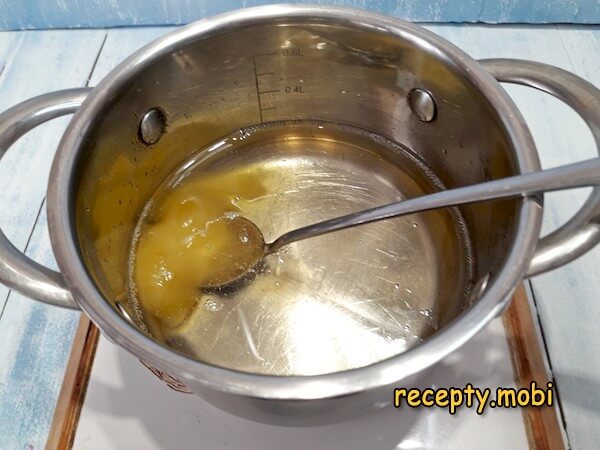
I take the saucepan off the heat and add the honey to it. I stir it in.
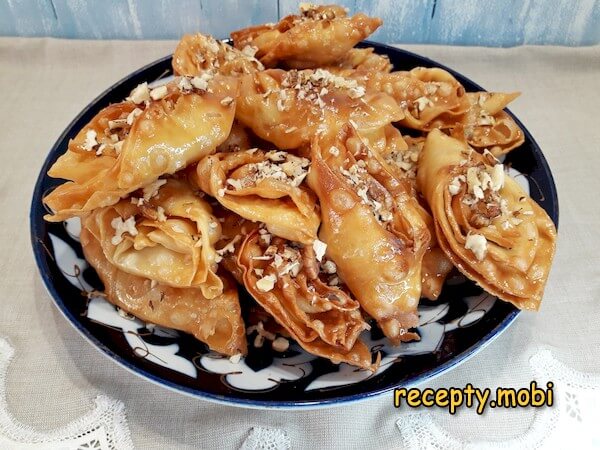
I dip the baklava into the hot syrup.
I sprinkle each piece with nuts. The tender, fragile, and crumbly honey baklava is ready.


Tips
- 1
STIFF DOUGH is the secret to thinness. Soft dough tears when rolled out. Stiff, firm dough rolls out to 1 mm without tearing or sticking.
- 2
DRYING THE SHEET is the secret to the petals. A fresh sheet will stick together when rolled up. 15 minutes of drying – the layers separate and a beautiful flower forms at the cut.
- 3
HONEY AFTER BOILING is the secret to the aroma. Honey loses its aroma and vitamins when boiled. Add it to a hot, but not boiling, syrup – and the honey reveals its flavour.
- 4
WATER THEN SUGAR is the secret to the syrup. Sugar first in a dry saucepan – it will burn. Water first, then sugar – and the syrup stays clear, without caramelising. The same principle works in other kinds of Eastern sweets with thin dough.
FAQ
Which honey should you choose? +
Ideal is a runny floral or linden honey (35 g – premium). Alternatives: acacia honey (35 g – "premium, more delicate"), buckwheat honey (35 g – "premium, dark, strong"), mountain honey (35 g – "premium, aromatic"), chestnut honey (35 g – "premium, slightly bitter"), maple syrup (35 ml – "premium, honey-free"), agave syrup (35 ml – "diet"), a mix of honey and sugar (20 + 50 g – "budget"). Fresh honey straight from a beekeeper is the premium option. Do not use: crystallised honey (it dissolves poorly in the syrup) or artificial honey syrup. For the "classic", a runny floral honey is a must.
What can replace the walnuts? +
Alternatives: hazelnuts (a handful – "the classic for baklava"), almonds (a handful – premium), unroasted pistachios (a handful – "premium, just like Turkish"), cashews (a handful – "more delicate"), a mix of hazelnuts and walnuts (a handful – "premium mix"), pecans (a handful – premium), pine nuts (a handful – premium), peanuts (a handful – "budget"). Pistachios or hazelnuts from a market in Turkey are the premium option. Do not use: salted nuts (they will spoil the flavour) or nuts in caramel or honey. For the "Turkish classic", pistachios or walnuts are a must.
How long does baklava keep? +
In a dry, dark place at room temperature in an airtight container – up to 1 week. Any longer and the dough will go soggy from the syrup. Do not warm it before serving (the fragile dough will break). In the fridge – up to 10 days, but the texture will become firmer. In the freezer without syrup – up to 1 month; defrost at room temperature, then dip it in fresh syrup. Fresh, 1 hour after soaking, it is the "star" (maximum crunch and soak). On the second day the flavour is deeper, but the texture is a little softer. Do not leave it under cling film in humid conditions – it will go soft.
What should you serve baklava with? +
The Eastern classic: with Turkish coffee. With a cup of black tea. With a cup of espresso or cappuccino. With green mint tea. With cold milk. With a scoop of vanilla ice cream. With a scoop of plombir ice cream. With whipped cream. With a mint drink (Ayran). With grape juice. With pomegranate juice. With cold sherbet. With fruit (grapes, figs, pomegranate). With date paste. With a cup of cocoa made with milk. With Crimean-style baklava (black tea with lemon). For an "Eastern tea party" it is universal. Crispy baklava is perfect for the festive table, an Eastern party, and gifts.
- Comment
or post as a guest
Be the first to comment.