avg —
Smart Pastry – a dessert that divides itself into layers while baking!

Instructions
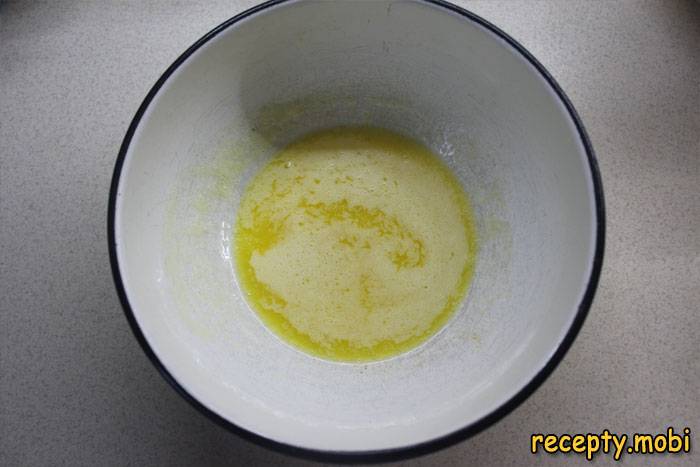
Melt the butter in the microwave or in a water bath and let it cool completely to room temperature. COMPLETELY – this is critically important. Warm butter will «kill» the magic of the layers.
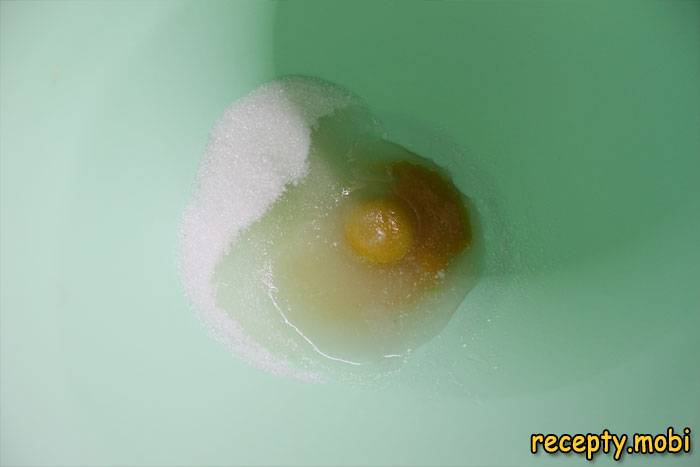
Separate the yolks from the whites. Beat the yolks with the cold water, sugar, vanillin and a pinch of salt into a white, fluffy foam for 5–7 minutes.
Add the cooled melted butter and gently stir until smooth.
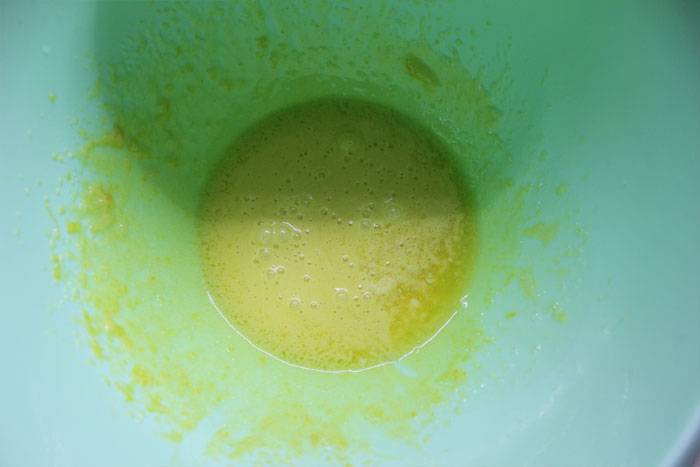
Sift the flour through a fine sieve and whisk the batter well until smooth and free of lumps.
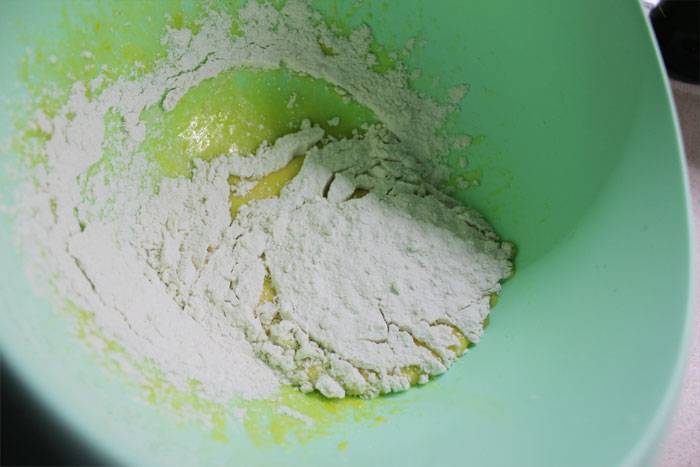
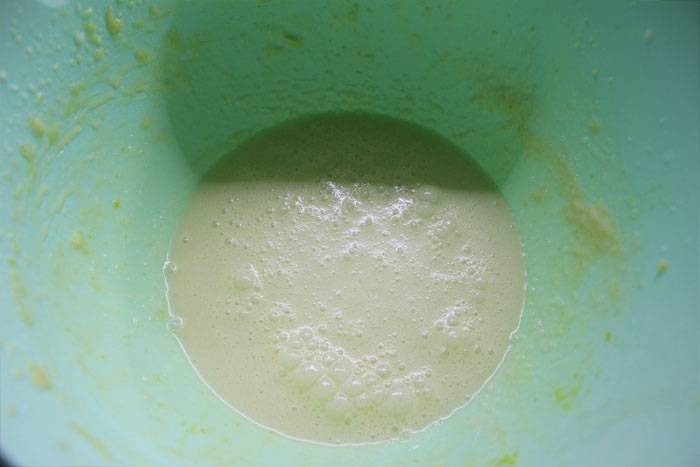
Pour in the cool milk (at room temperature) and whisk until you have a completely smooth, liquid batter. The batter should resemble a thin pancake batter.
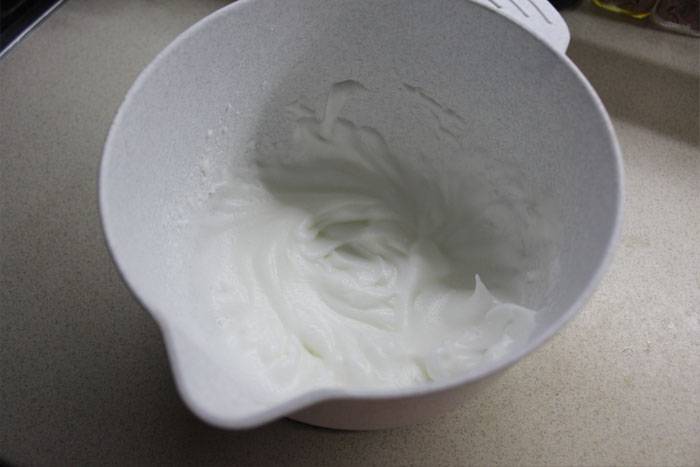
In a separate clean, dry bowl, whip the chilled egg whites to stiff «peaks» – when the bowl is turned upside down, the foam should not slide out.
Carefully fold the whites into the liquid batter with a silicone spatula, using bottom-up movements – so as not to knock the air out of the whipped foam. Do not stir until completely uniform – let streaks of egg white remain visible.
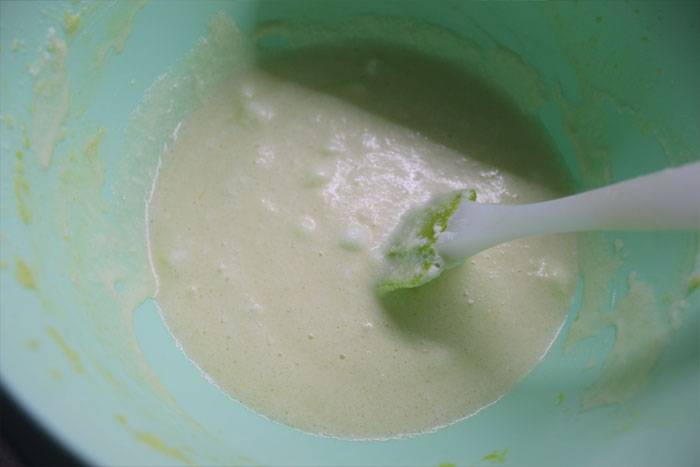
Pour the batter into a buttered baking dish. Bake at 160 °C for about 40 minutes, until golden. Do not open the oven door for the first 30 minutes – the change in temperature will ruin the layering effect.
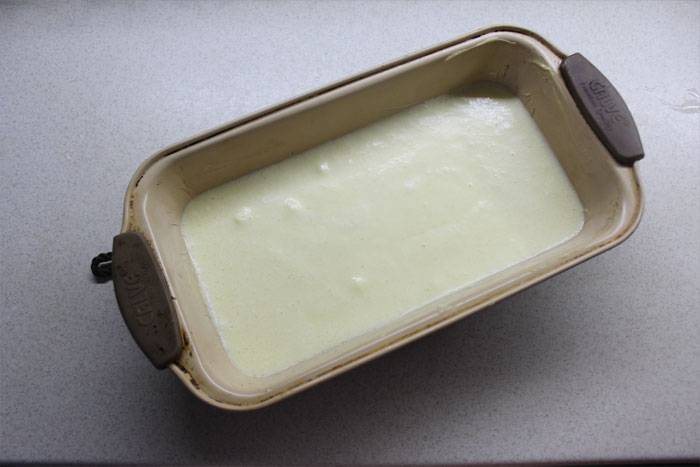
Let the pastry cool completely in the switched-off oven with the door ajar – this gives 2 clear layers. If you take it straight out of the hot oven and put it on something cold, you get 3 layers. Cut it into square cubes.
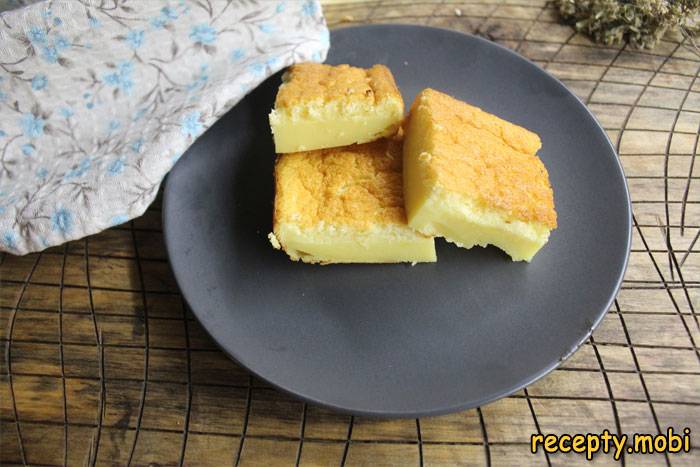
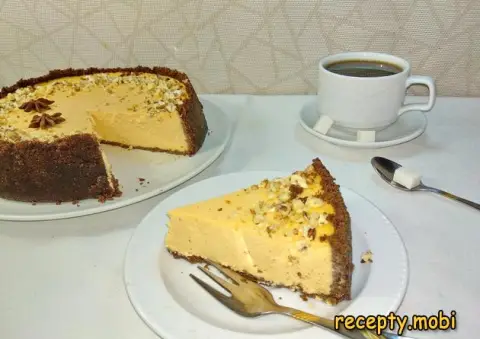
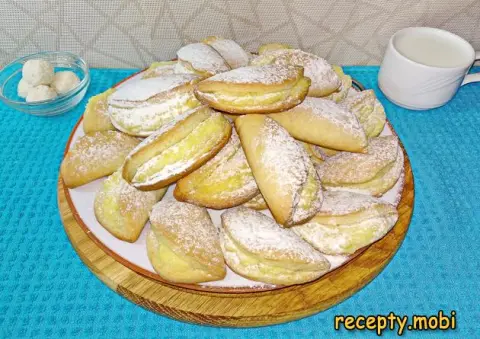
The smart pastry is ready! I dust it with icing sugar through a small sieve and serve it with tea or coffee. The layered effect amazes every guest.


Tips
- 1
The butter must be completely cooled – this is critically important for the layers to separate. If the butter is warm, the batter will turn out uniform.
- 2
Do not open the oven door for the first 30 minutes of baking – the change in temperature will ruin the magic of the layers.
- 3
For three layers, take the pastry straight out of the hot oven onto a cold surface. A similar principle is used to make no-bake tiramisu.
- 4
Store it in the fridge – this makes the pastry even tastier, the layers stabilise and the flavour becomes deeper.
FAQ
Why did my pastry not split into layers? +
The main reasons: the butter was warm rather than completely cooled (the most common mistake); the whites were not whipped enough to stiff peaks; the oven was opened during the first 30 minutes (the temperature change makes the layers «settle»); the whites were folded into the batter too vigorously (all the air escaped). It is also important to use a non-stick or well-greased dish – the batter should «rise» rather than «stick». If all the rules are followed, the magic will work 100% of the time.
Can I add cocoa for a chocolate version? +
Yes, replace 20 g of flour with 20 g of natural cocoa powder – you will get a «chocolate smart pastry» with the same layers, but in shades of brown. You can also add 50 g of chopped dark chocolate to the batter before baking – it will give chocolate «flecks». For an interesting effect, try the «marbled» version: divide the batter into two parts, add cocoa to one, and pour them into the dish alternately – you will get a marbled dessert with layers.
How long does the finished pastry keep? +
- Comment
or post as a guest
Be the first to comment.