avg —
Lazy pies with green onions and eggs

Instructions
I prepare the ingredients for the lazy pies with green onions and egg. Kefir of any fat content will do, and you can also replace it with any fermented milk product. It is best to sift the flour in advance – this gives a more airy batter.
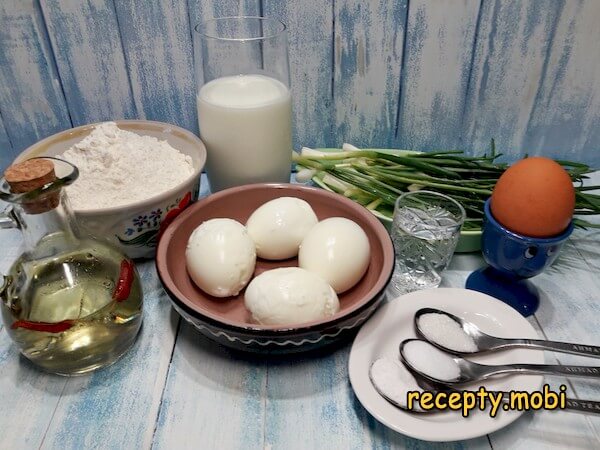
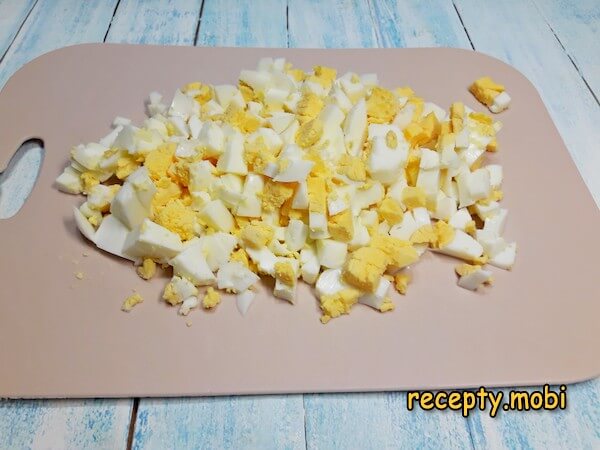
Straight away I dice the boiled eggs into medium cubes (don't go too fine) – small pieces would get "lost" in the batter.
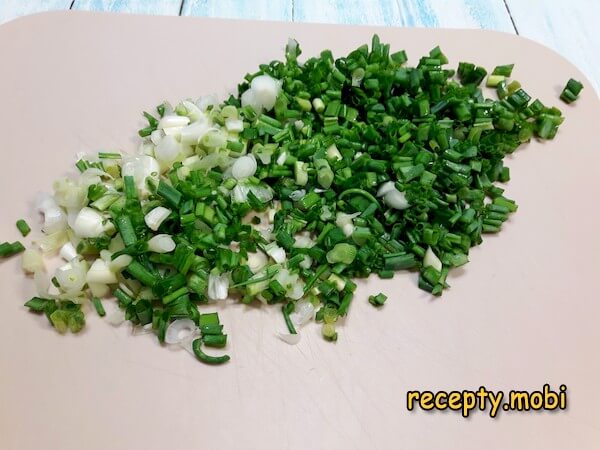
I finely chop the green onions – a fine cut spreads evenly through the batter.
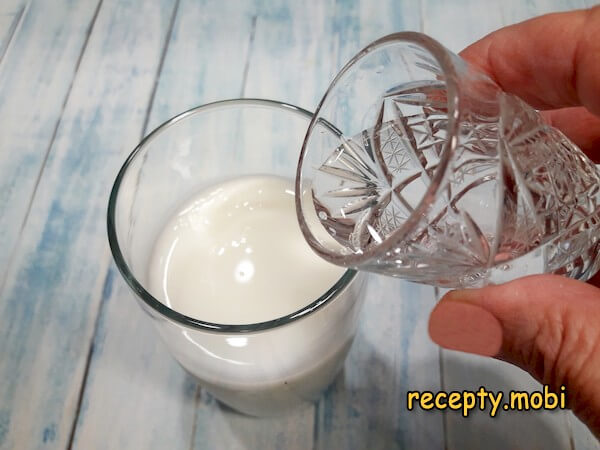
I warm the kefir in the microwave in short bursts at medium power – it should reach a temperature of 50-60 degrees. If the kefir curdles in the process, it's not a problem – the cooking will not suffer from it. Then I add the water and stir the mixture.
I crack the raw egg into a bowl and add the salt and sugar – the base of the batter.
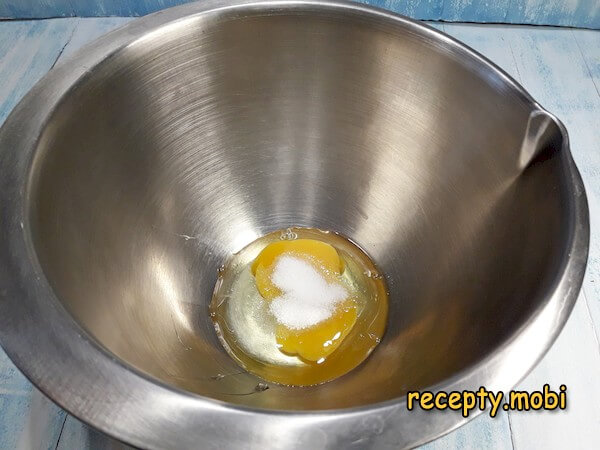
I whisk everything until completely uniform.
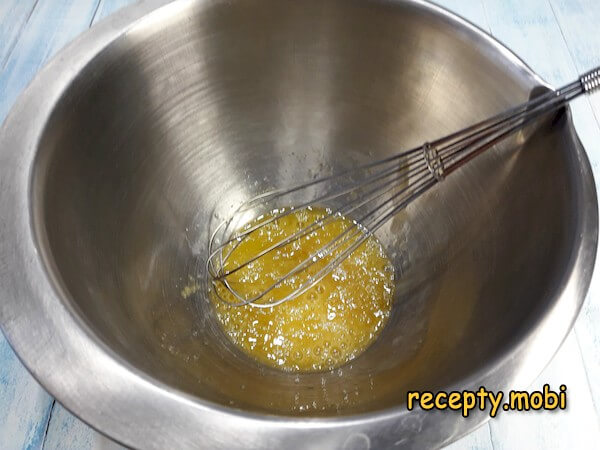
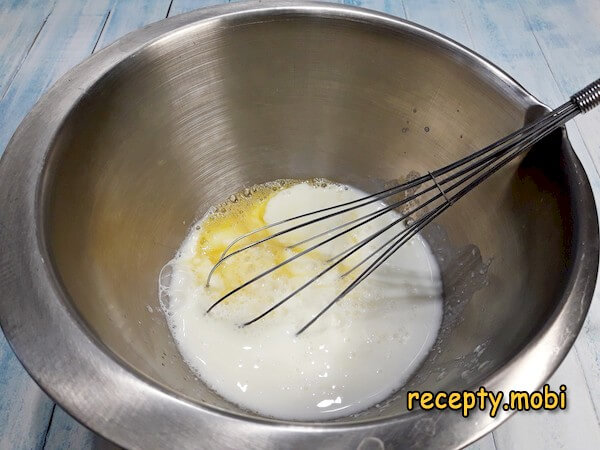
Next I pour in the warm kefir – warm precisely, for better activation of the baking soda later on.
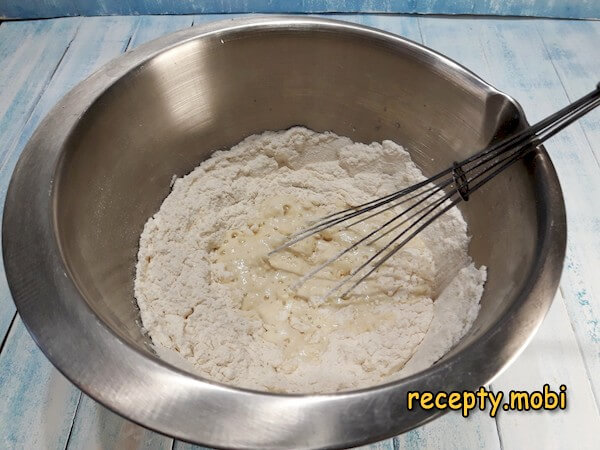
I add all the flour at once – in a single go, so that the batter doesn't "separate".
After whisking you should get a batter similar in consistency to thick sour cream – not "thin like pancake batter", but not "dry and dough-like" either.
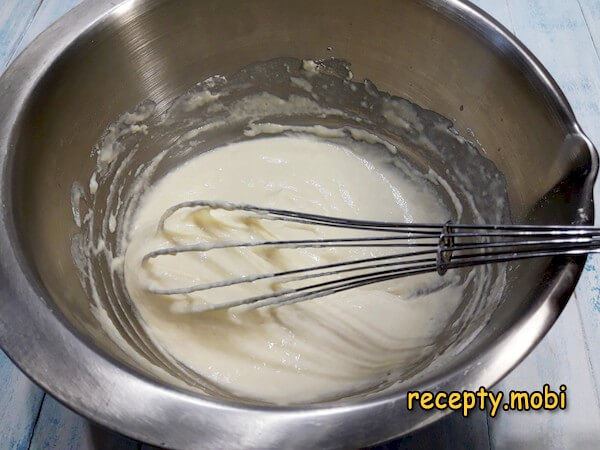
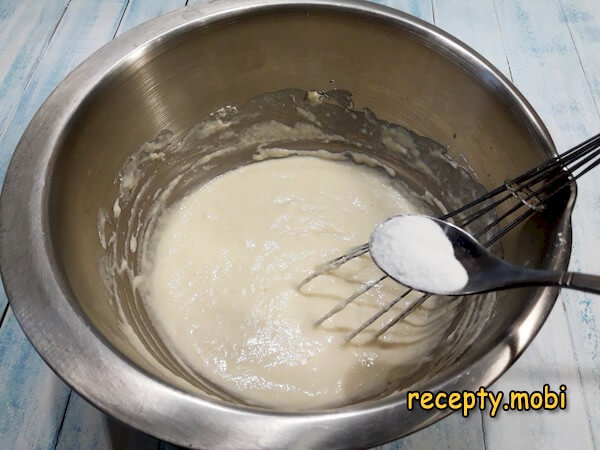
And only now do I add the baking soda. If you put it straight into the kefir, it gets neutralised quickly and the batter won't be as airy; it may also darken and take on a grey tint. Then I stir the mixture – it noticeably fills with airy bubbles. This is the secret against the batter darkening.
I add the eggs and onions to the bowl – the "filling" is combined with the batter.
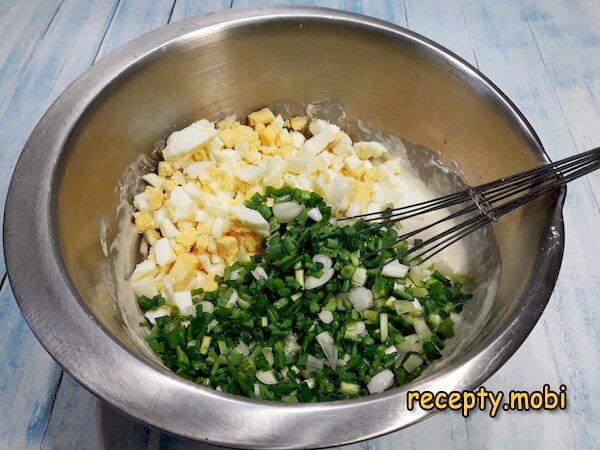
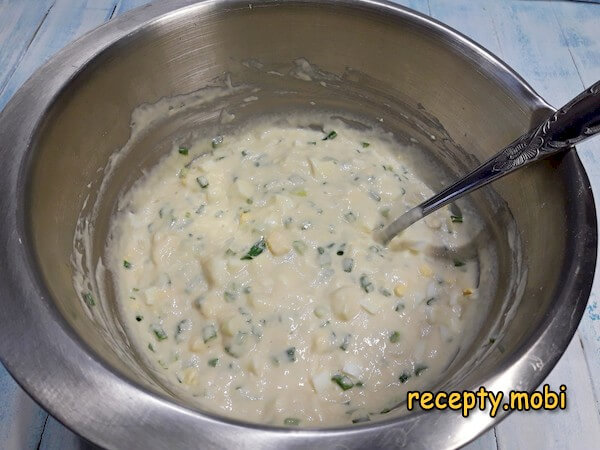
I stir the mixture so that the filling of onion and egg is evenly distributed throughout – with no "lumps" of pure filling.
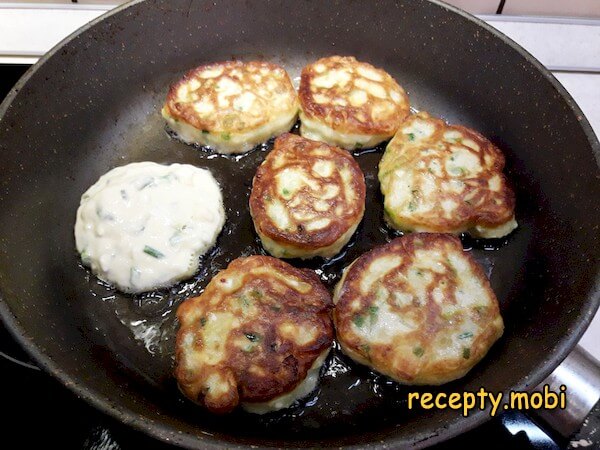
With a spoon I drop the batter with filling into a heated pan with a little vegetable oil. I keep the heat medium. One spoonful of mixture goes into each pie. Important note – I don't stir the batter in the bowl but scoop it gently, so as to keep as many air bubbles as possible.
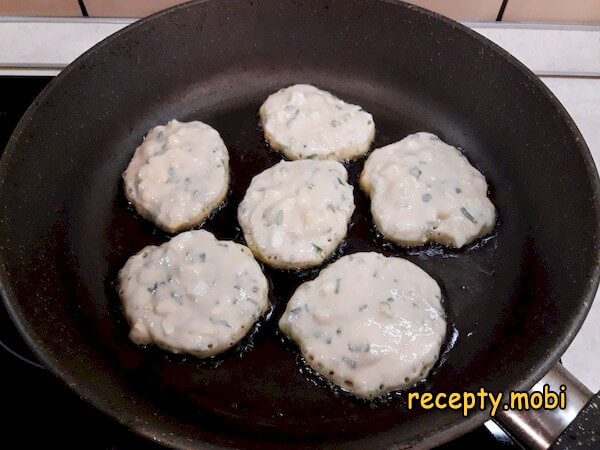
I fry each side until golden (about 3-4 minutes) – this is the secret of an appetising crust.
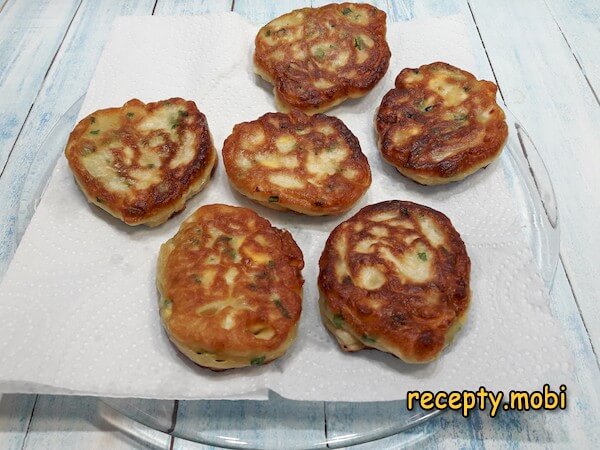
From the pan I transfer the little pies onto a paper towel, so that the surface fat is absorbed – that way they won't be "greasy" when served.


Tips
- 1
BAKING SODA AT THE END – the secret of airiness. If you put the soda straight into the kefir, it is neutralised instantly and the batter won't be fluffy. Adding the soda right at the end, after the flour, gives the maximum "leavening" effect – the pies turn out tender and porous. This is a secret from grandmothers.
- 2
WARM KEFIR – the secret of activation. Cold kefir straight from the fridge slows down the soda, and the batter "works" poorly. Kefir warmed to 50-60 °C gives a quick reaction with the soda and a batter rich in air bubbles. It's not a problem if the kefir curdles – it does not affect the cooking. A similar principle is used in tasty fluffy fritters with onion.
- 3
DON'T STIR IN THE BOWL – the secret of keeping the bubbles. Constantly stirring the finished batter "kills" the air bubbles from the soda, and the pies turn out flat. Gently "scooping" with a spoon without stirring keeps the maximum amount of air – the pies come out fluffy and tall, like little clouds on the plate.
- 4
FILLING VARIATIONS – the secret of the recipe's flexibility. Using the same basic technique, you can make "lazy pies" with any filling. A similar principle of traditional pies with egg and onion is found in pies with rice, chicken liver, eggs and green onion. You can make "lazy" versions with grated cheese, ham, mushrooms or stewed cabbage – the principle of "runny batter + chopped filling" is universal.
FAQ
Can kefir be replaced with another fermented milk product? +
Yes, any fermented milk base works. Alternatives: soured milk (the classic), whey ("lighter" pies), ryazhenka (more tender, with a baked-milk note), ayran (a more "tangy" version), 10% Greek yogurt (more tender but denser). Not suitable: cream (too fatty, the batter will be heavy), milk (no acidity for the reaction with soda – it would need added lemon juice). Kefir and soured milk are the optimum for classic "lazy" pies.
How long do the finished pies keep? +
In an airtight container in the fridge – up to 2 days without loss of quality. Before serving I reheat them in the microwave for 30-40 seconds (under a damp paper napkin) or in a dry pan under a lid for 1-2 minutes on each side. I don't recommend freezing them – the egg filling becomes watery after thawing. They are best eaten "straight from the pan" – the tastiest option. If a lot is left over, you can warm them up the next day and serve them for breakfast with tea.
Can the boiled eggs be replaced with raw ones? +
No, for "lazy pies with egg" it is the boiled eggs that are part of the filling. Raw egg is already in the batter (1 raw egg to bind it). If you put raw eggs in as the "filling", you'll get an omelette rather than pies. If you want more egg flavour – add 2 raw eggs to the batter and 4 boiled eggs to the filling. You can fully replace the boiled eggs with grated cheese or seasoned curd cheese – then you'll get "cheese" or "curd" lazy pies.
What to serve lazy pies with? +
A versatile snack or an accompaniment to soup. For sauces: sour cream, sour cream with garlic, homemade mayonnaise, ketchup. With hot dishes: with borscht, fish soup or mushroom soup as "homemade bread". For breakfast: with tea or cocoa, with butter and herbs. For a picnic: in a container as a filling snack. With beer or light wine: as a snack with a crisp crust. For children: with milk and a sweet sauce. As a side: with fried potatoes or buckwheat for a hearty lunch.
- Comment
or post as a guest
Be the first to comment.