avg —
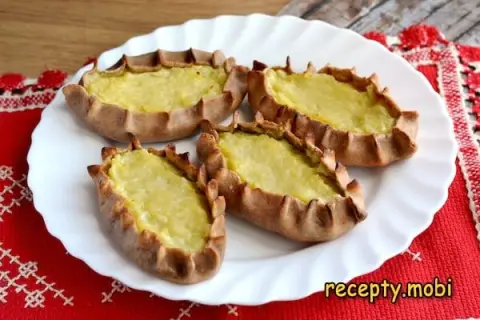
Posikunchiki – recipe for a delicious and aromatic dish for the whole family

Instructions
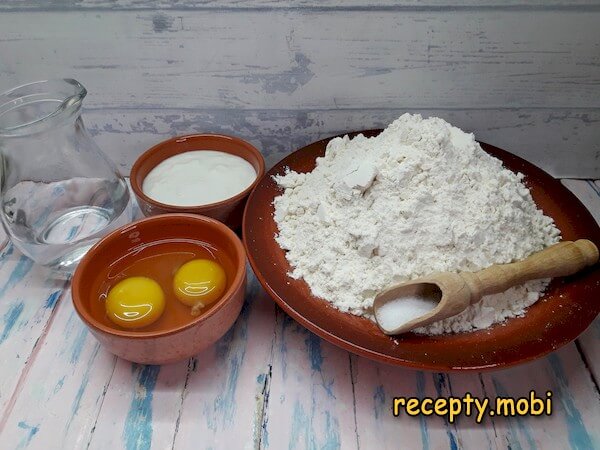
I prepare the ingredients for the posikunchiki dough.
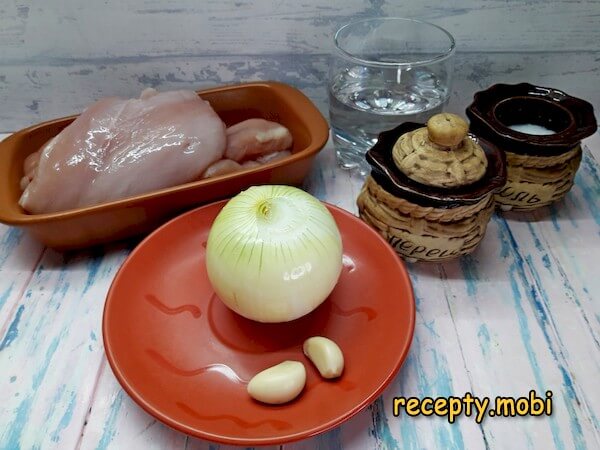
And also for the meat filling.
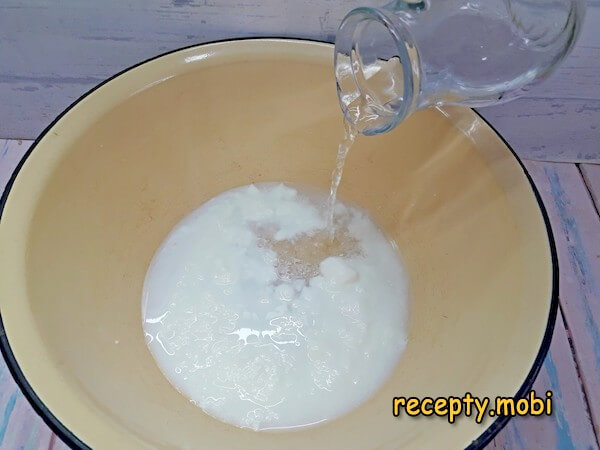
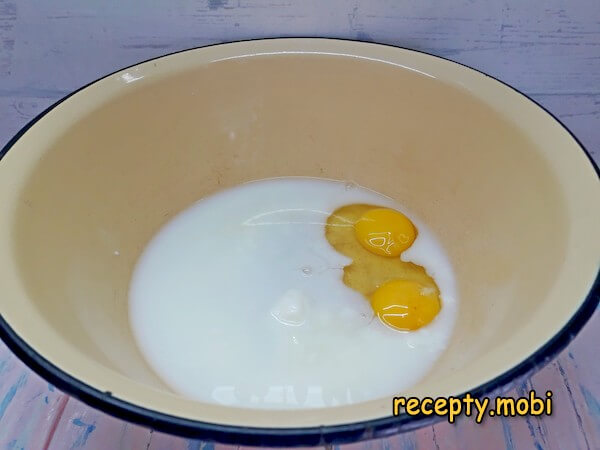
It is best to start with the dough, so that after it is made it has time to stand and rest a little. In a bowl, I combine the ayran and the water.
I add the salted eggs to it as well. I stir the mixture with a whisk.
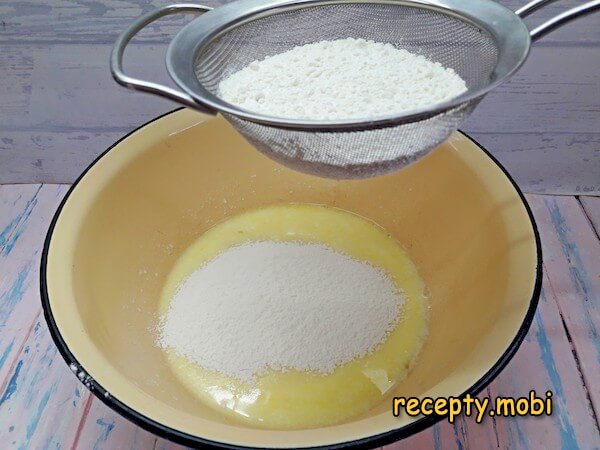
I sift the flour into it.
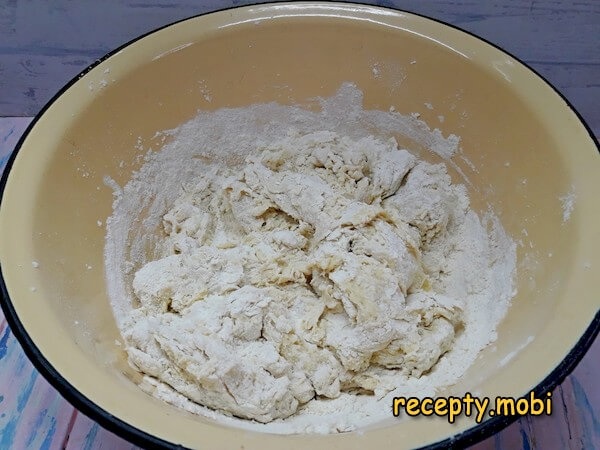
I begin kneading the mixture in the bowl, so that the wet and dry components start to come together a little.
Then I turn this lumpy mass out onto the work surface and finish kneading it there, until the dough becomes smooth and no longer sticks to your hands. I roll it into a ball.
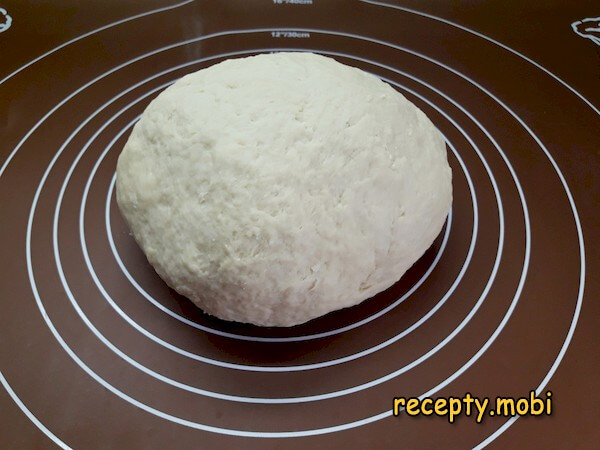
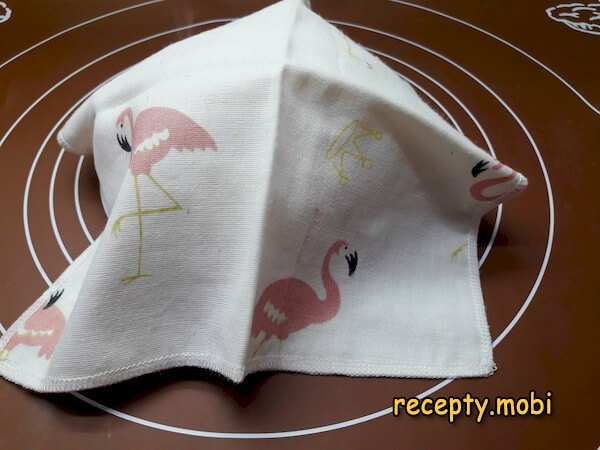
I cover it with a napkin and leave it to rest like that while the filling is being made.
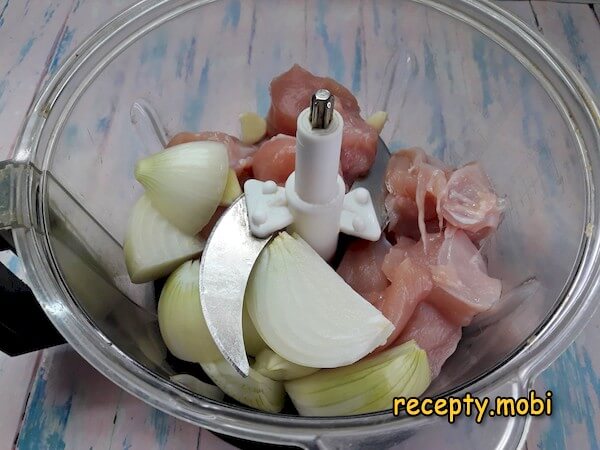
I grind the pieces of fillet, the onion and the garlic in a food processor or meat grinder.
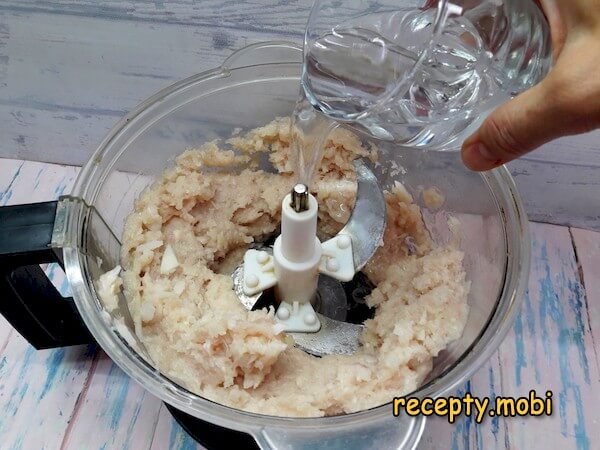
I pour in the water so that the filling is as juicy as possible. I mix everything well. As a result, the filling should become slightly runny. I season it with salt and pepper.
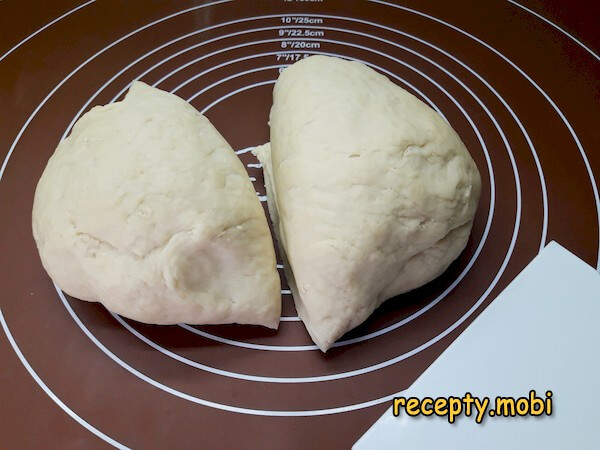
For convenience while working, I separate off half the dough.
I roll it into a log and cut it into 40 g pieces, weighing them on a scale so that all the posikunchiki come out the same size.
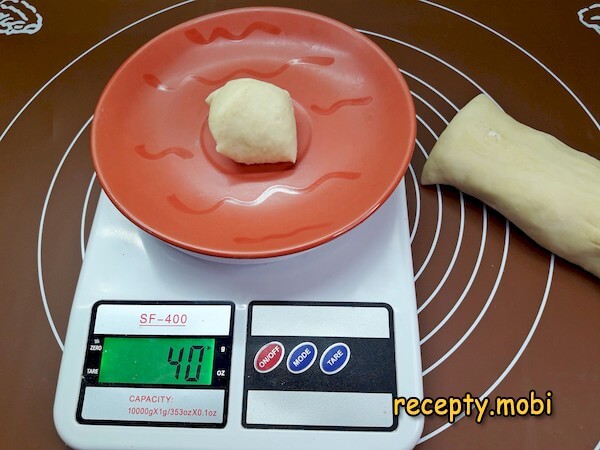
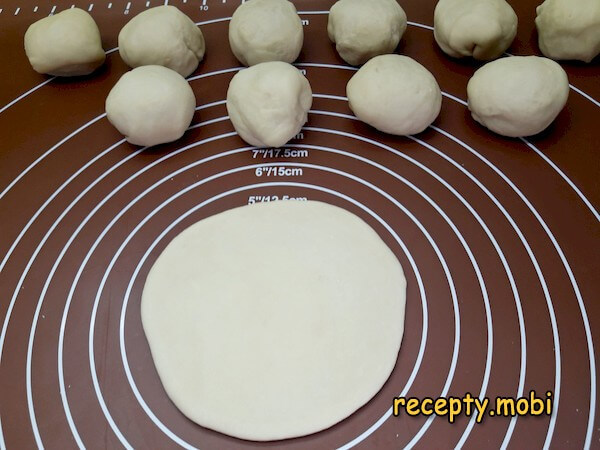
I round the pieces into balls, then roll them out to a diameter of 10 cm. This is the ideal size, at which the pies come out neat and the dough is not too thin, so it will not tear during frying.
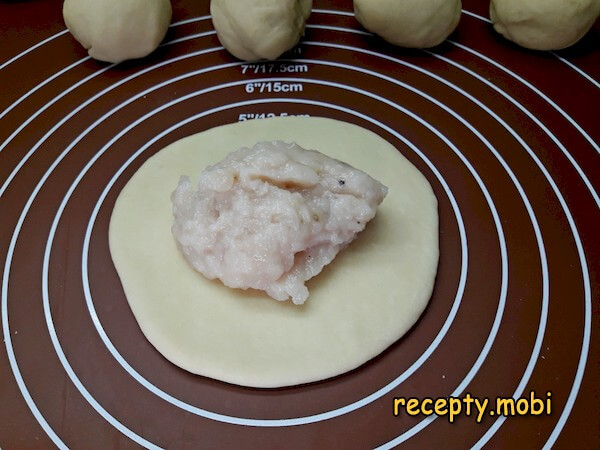
I place a full spoonful of filling in the centre.
I pinch the edges shut, the same way as for an ordinary dumpling.
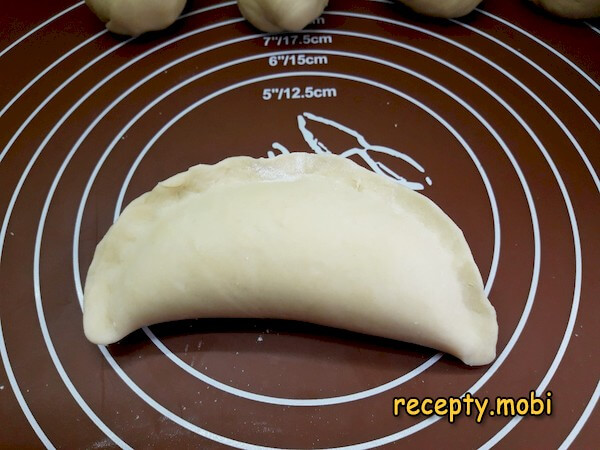
To give them a prettier look, you can braid the edge into a rope-like seam.
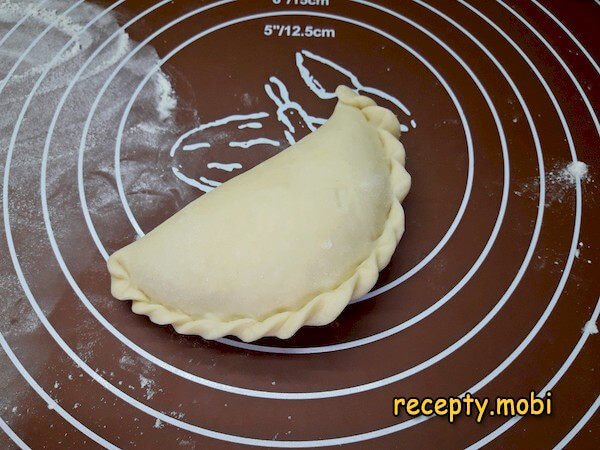
I shape all the pies this way, setting them on a flour-dusted surface.
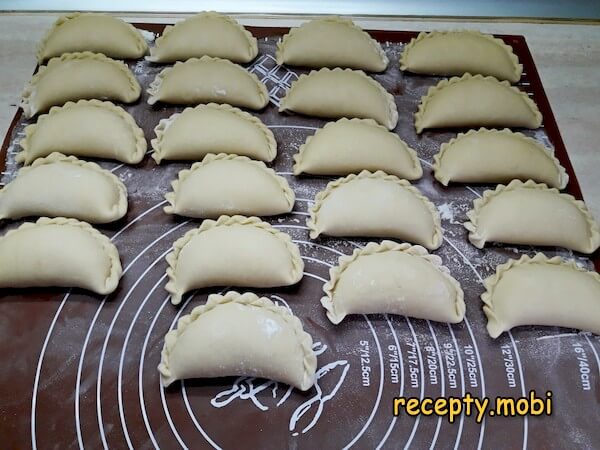
It is more convenient to fry posikunchiki in a deep cauldron. You need to pour in enough oil for the pieces to float in it. When the oil is well heated, I lower a few pies into it.
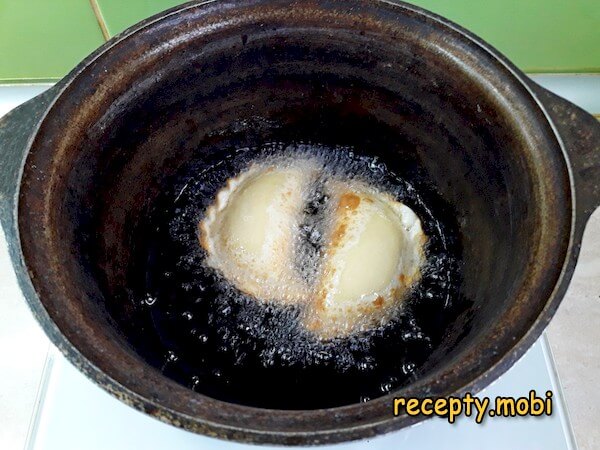
Having fried one side for 40–60 seconds, I turn it over so the other side fries as well.
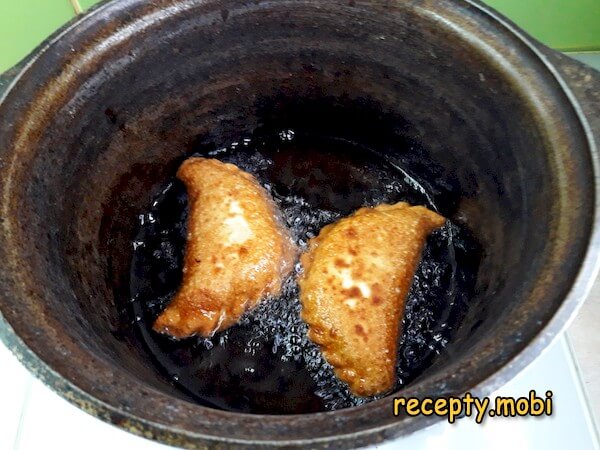
I transfer the fried little pies onto a paper towel to remove the surface grease.
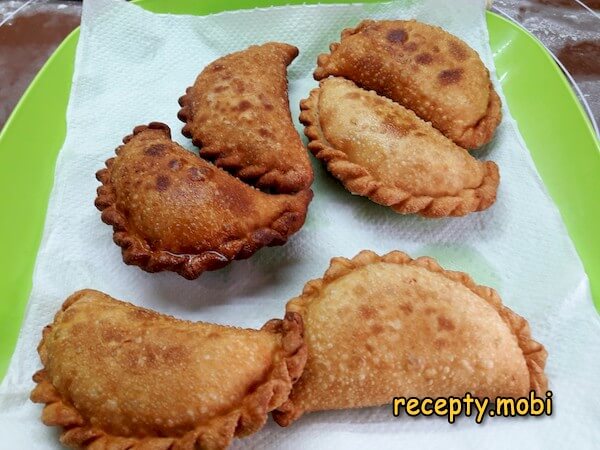
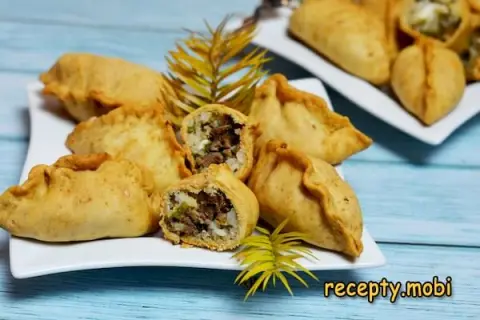
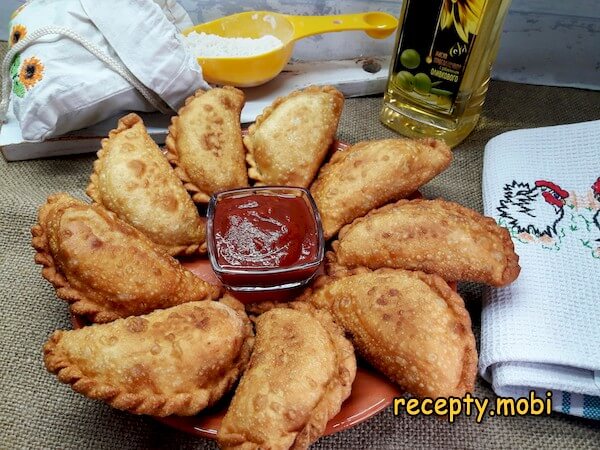
The posikunchiki are ready. This dish can be served with sour cream or with a hot sauce.


Tips
- 1
WATER IN THE FILLING – the secret to juiciness. The 150 ml of water make the filling runny. During frying the water turns into broth inside.
- 2
40 G OF DOUGH PER BALL – the secret to a uniform size. Weigh each piece – all the posikunchiki will be identical.
- 3
10 CM DIAMETER – the secret against tearing. Thinner – the dough will tear during frying; thicker – it will not cook through.
- 4
DEEP-FRIED IN A CAULDRON – the secret to a crisp texture. In a frying pan they will scorch. In a cauldron they float – cooking evenly. The same principle works for other kinds of juicy meat pies.
FAQ
Which fermented dairy product should I choose? +
Ideal – thick airan or ayran (a Turkic fermented dairy drink). Alternatives: full-fat 20% sour cream (120 g – the "classic"), full-fat Greek yoghurt (120 g – more delicate), Georgian matsoni (120 g – premium), thick kefir (120 g + 1 tbsp sour cream – "budget"). A fresh, warm product is the premium option. Do not use: fat-free 1% (the dough will be "runny") or one that has gone sour. For the "classic" – thick 20% sour cream. For premium – matsoni. A runny product + 1 extra tbsp of flour.
What can I replace the chicken with? +
Alternatives: pork with a streak of fat (500 g – the "Ural classic", more aromatic), a 50/50 beef-and-pork mix (500 g – "universal"), turkey (500 g – the "diet" option), lamb (500 g – an "Eastern" note). Fresh chilled meat is the premium option. Do not use: shop-bought minced meat (it will ruin the juiciness) or chicken breast without fat (too dry). For the "Perm classic" – pork with a streak of fat. For premium – young farm pork.
How long do posikunchiki keep? +
In the fridge in a tightly closed container – 1–2 days. Longer than that – the dough goes stale and the filling loses its juiciness. Before serving – fry them in a pan with oil for 2–3 minutes on each side (this restores the crispness) or in the oven for 5–7 minutes at 180°C. In the freezer, raw shaped pieces keep for up to 2 months. Defrost them straight in hot oil. Fresh posikunchiki are "star" quality in the first 30 minutes after frying. By the second day the dough loses its crispness. Do not leave them at room temperature for longer than 4 hours – the meat spoils.
What should I serve posikunchiki with? +
The Ural classic: with thick sour cream – the "Russian" way to serve. With a hot sauce or horseradish. With adjika or tkemali – a "Georgian" note. With a cup of meat broth – "lunch". With light or dark beer – the "bar" way to serve. With a shot of cold vodka – the "Russian" way to serve. With garlic sauce. With mustard and vinegar. With a green salad and a lemon dressing. With a bowl of borscht as a starter. With fresh herbs (parsley, dill). For a "family dinner" – with salad and broth. With tomato juice – a "summer" lunch. Versatile juicy pies for gatherings and snacks.
- Comment
or post as a guest
Be the first to comment.