avg —
Savory Cabbage Pie with Kefir

Instructions
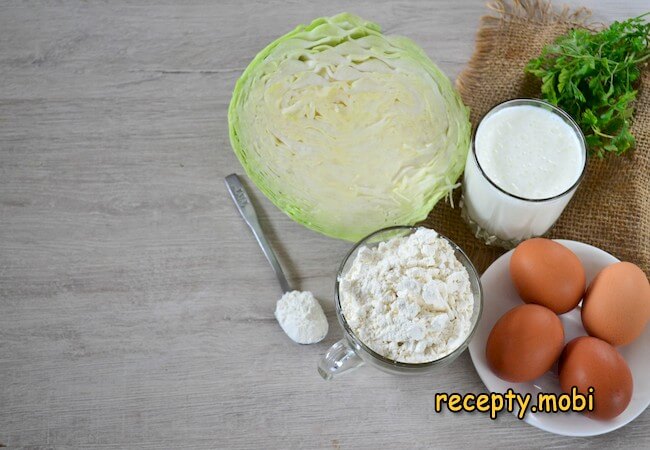
I get all the ingredients ready. First I deal with the filling – it will need to cool down, and meanwhile I can get on with the dough.
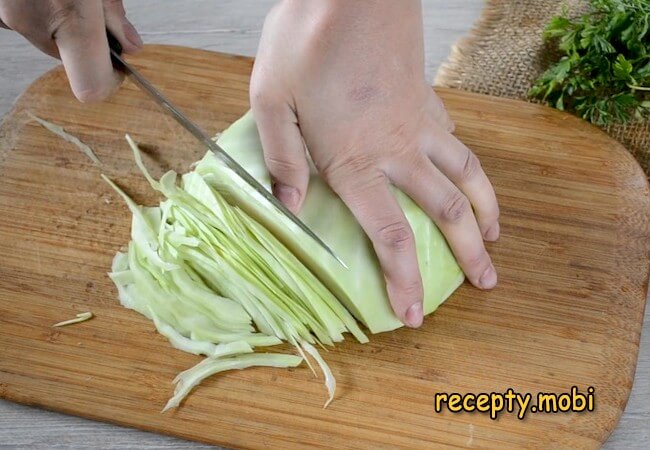
I finely chop the cabbage with a knife or a shredder.
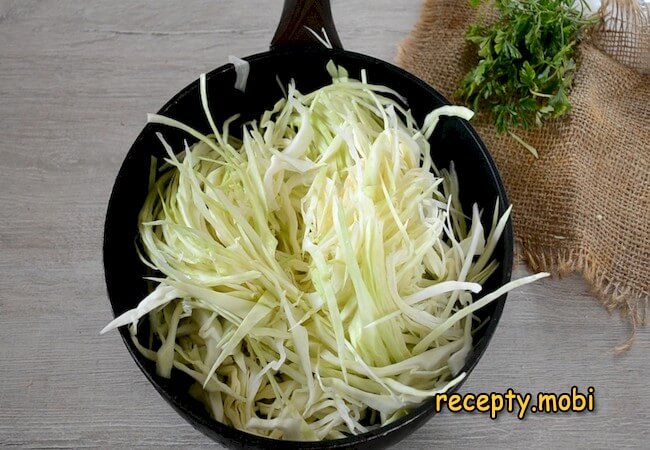
I heat the vegetable oil in a frying pan, add the cabbage and fry it over medium heat until soft.
Five minutes after the frying begins, I add the finely chopped parsley (frozen parsley works too).

I crack in 2 eggs, add a little salt and pepper, and stir.
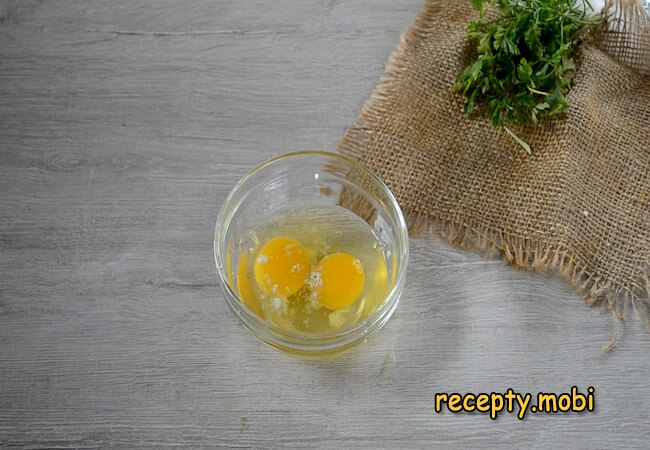
Once the cabbage has softened, I pour the eggs into the pan and stir. I keep it on the heat for another minute and then take it off. I let the cabbage cool.

While the filling cools, I prepare the dough. I mix the kefir with the eggs. I add the baking powder and stir well.

I sift the flour to fill it with air. I stir well. The dough should have the consistency of pancake batter – fairly runny, dripping off the spoon, but viscous.

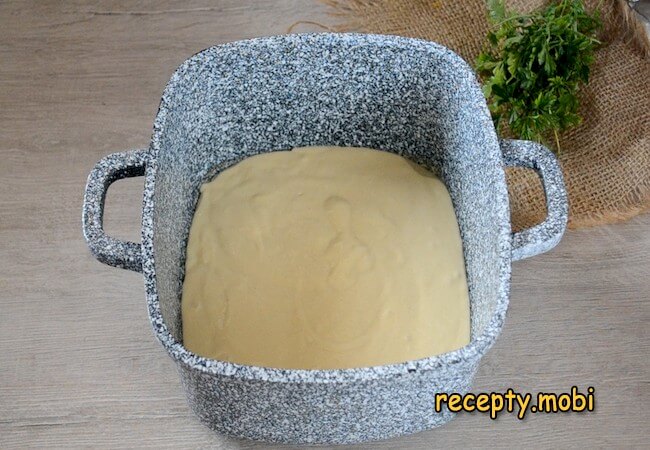
I grease a baking dish with vegetable or butter. I pour about 2/3 of the dough onto the bottom. I always put more dough underneath – it is harder for it to rise beneath a layer of filling.
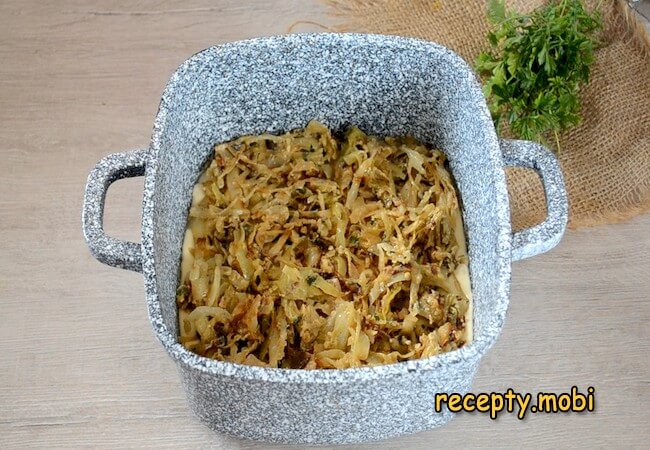
I spread on the cabbage, which has already had time to cool.
I pour the remaining dough on top and smooth it out.
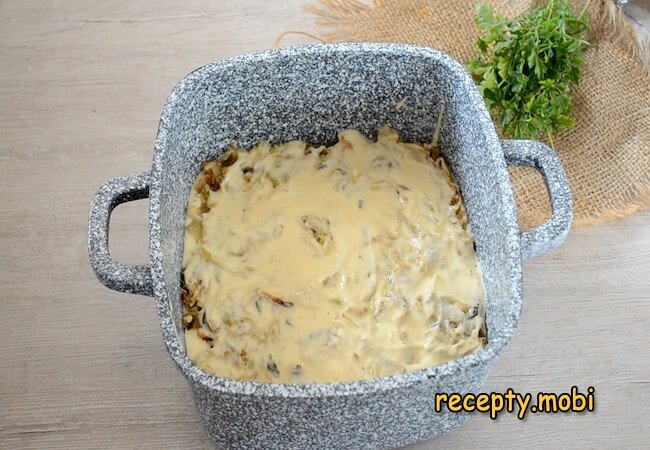
I bake the pie in the oven at 180 °C for 35–40 minutes. I let the finished pie cool slightly and slice it.
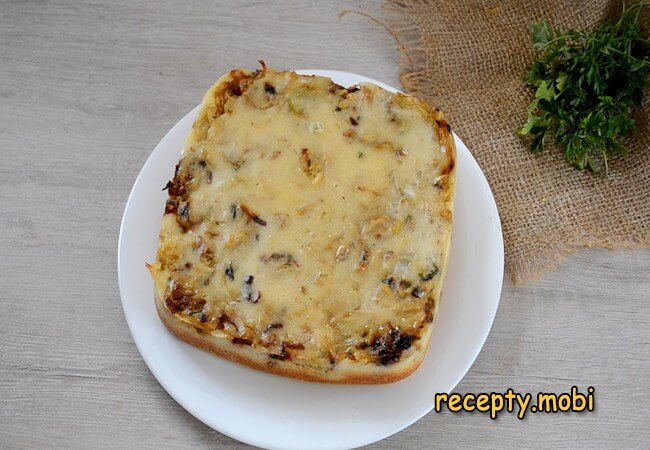


Tips
- 1
THE FILLING MUST COOL before it goes onto the dough – hot filling turns the dough to mush and the pie will not rise.
- 2
MORE DOUGH ON THE BOTTOM (2/3) – the top layer struggles to rise under the weight of the filling, while the bottom serves as the base.
- 3
DOUGH CONSISTENCY – like pancake batter: it "ribbons off the spoon". Too thick and it will not cover the filling, too runny and it "runs" in the oven.
- 4
SIFT THE FLOUR – the air makes the pie fluffier and lighter. A similar trick works in other pour-over pies.
Video

FAQ
Which cabbage should I choose? +
Young white cabbage (June–August) is the most tender and fries the quickest. Dense winter cabbage needs to be stewed longer. Chinese cabbage works too, but it is "watery" – squeeze it out after frying. Cauliflower is unusual and needs to be boiled for 5 minutes first. Broccoli is the "fitness" option. Sauerkraut gives a different, "sharp" character (rinse it if it is too salty). For a "richer" flavour, add 50 g of grated carrot and half an onion while frying.
What can I use instead of kefir? +
The alternatives: 20% sour cream + 50 ml water (a "richer" dough), plain yogurt (the closest to kefir), soured milk (more sour), ryazhenka (a caramel note), mayonnaise (100 ml + 150 ml milk = 250 ml of mixture). Kefir dough is the "classic" for a pour-over pie: light, fluffy and simple. Milk will not do – it does not provide the acidic environment the baking powder needs to work. Ayran is an eastern substitute that works.
How long does the pie keep? +
In the refrigerator in a closed container – 3 days. The next day the flavour is brighter, as the cabbage soaks into the dough. Reheat it in the oven at 160 °C for 10 minutes (the microwave makes the pie "wet"). It can be frozen (up to 1 month); after thawing, put it in the oven for 15 minutes at 180 °C. Cold pie is tasty too – perfect for a picnic or to take "to work" with tea.
What should I serve the pie with? +
It goes with everything. With soup or borscht – instead of bread. With broth as a "first-and-second course" in one bowl. For breakfast with tea or coffee. With kefir or milk – a children's option. With a vegetable salad – a full lunch. For a picnic – a handy snack. For a "hearty" supper – add a slice of cheese or ham. You can drizzle it on top with a sour-cream sauce with garlic and herbs. Cold pie goes in the lunchbox for work.
- Comment
or post as a guest
Be the first to comment.