avg —
Sorrel Pie in the Oven

Instructions
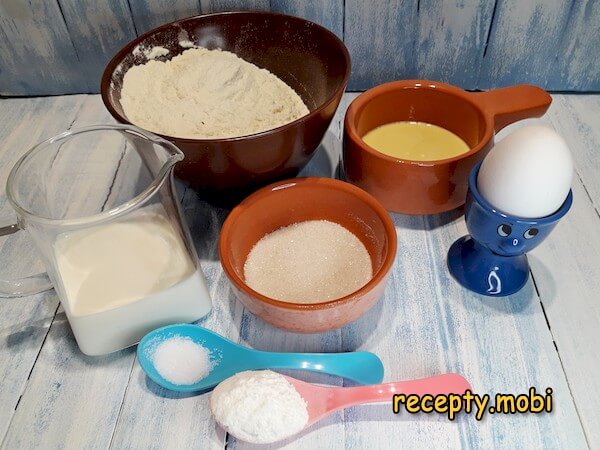
I prepare the ingredients for the dough. The milk should be at room temperature. It is best to sift the flour in advance.
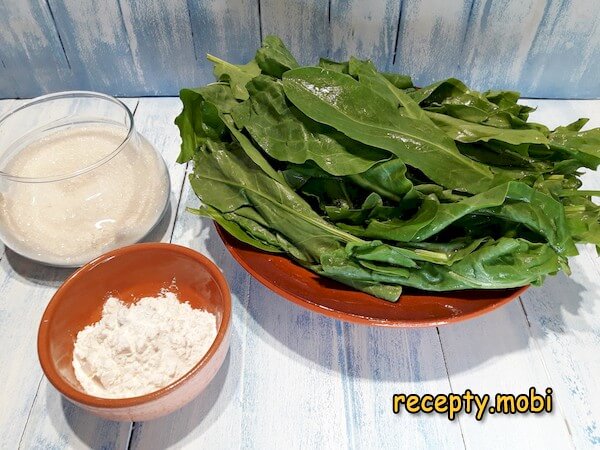
I prepare the ingredients for the filling. You can take a little more sorrel – during cooking it wilts down and shrinks considerably in volume. The amount of sugar depends on how sour the sorrel is: young leaves are not as tart as older ones, so I sweeten them to taste.
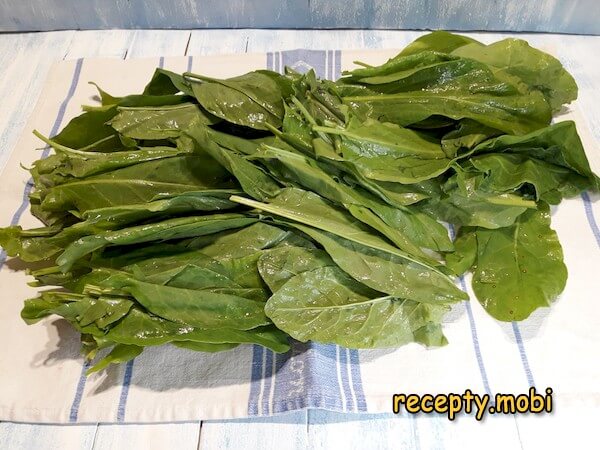
I rinse each sorrel leaf, cleaning off any dust and debris. I lay the leaves on a towel, blot them and let them dry off a little.
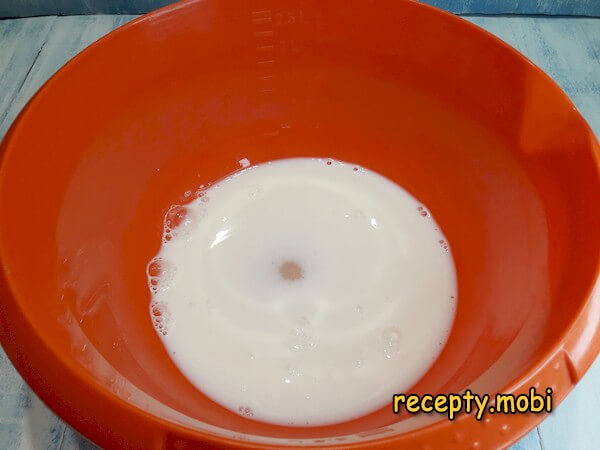
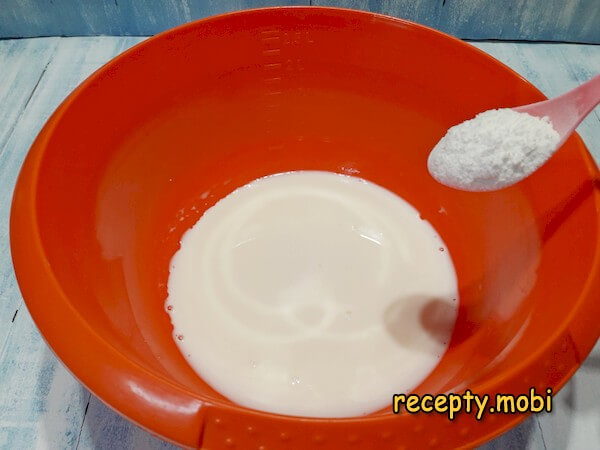
Meanwhile, I get on with the dough. In a bowl I dissolve the sugar and salt in the milk.
I add the baking powder.
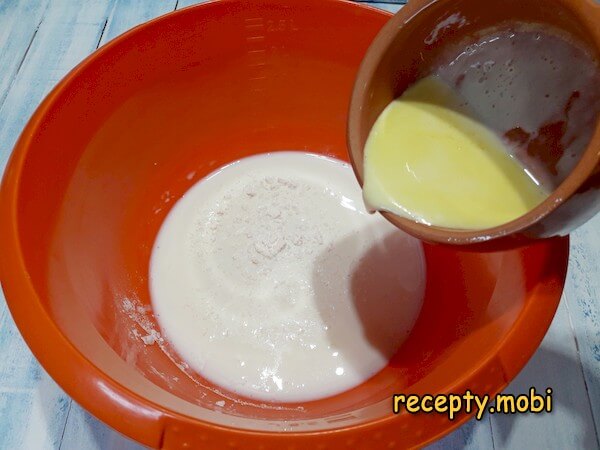
I pour in the butter.
I add the flour in batches, stirring the mixture with a spoon.
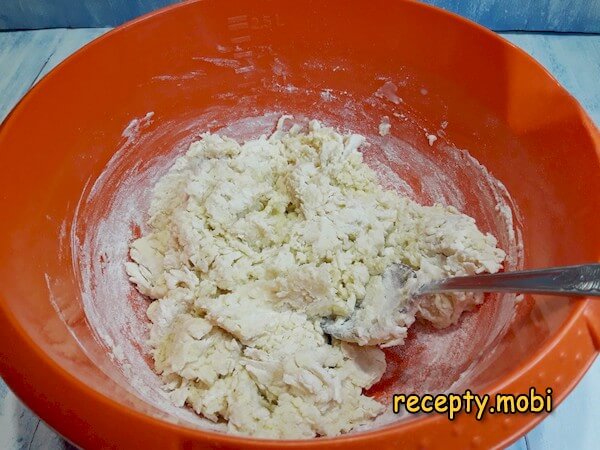
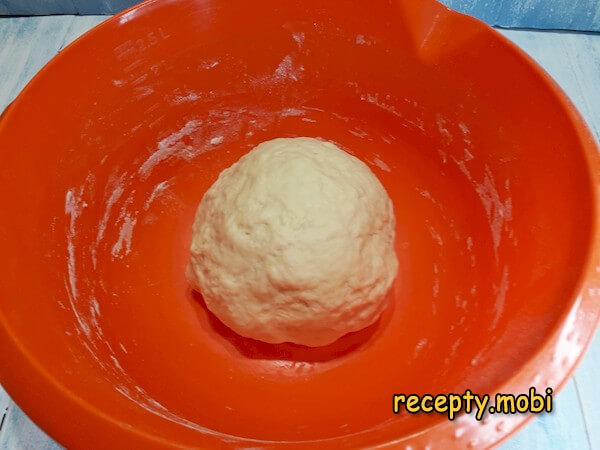
I gather the floury crumbs together and knead a little by hand right in the bowl. The dough should turn out soft and not sticky. I leave it to rest, covered with a towel, while the filling is being prepared.
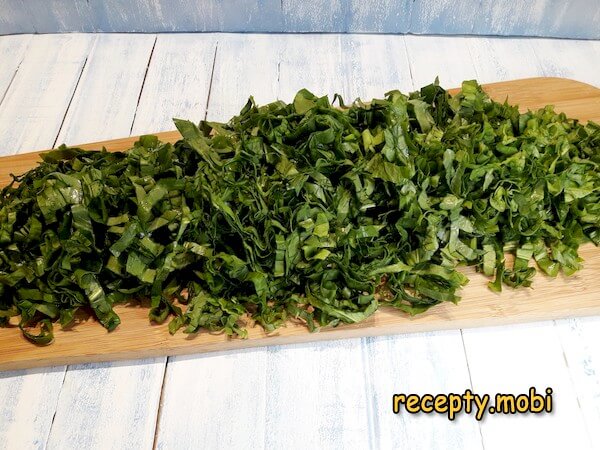
I cut the sorrel into strips 0.5–0.7 cm wide.
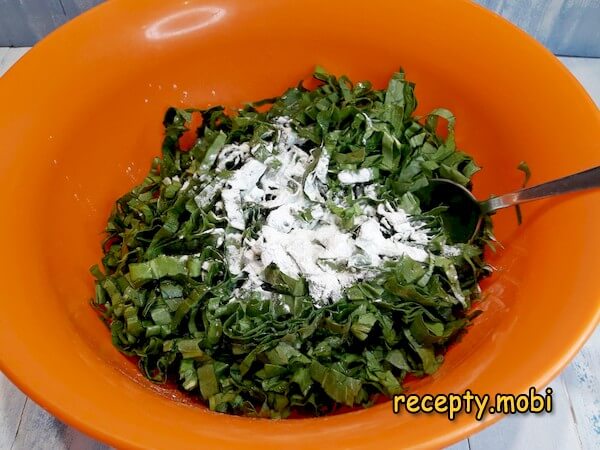
I transfer it to a bowl and mix it with the sugar and starch. At this stage I switch on the oven to preheat to 180 degrees.
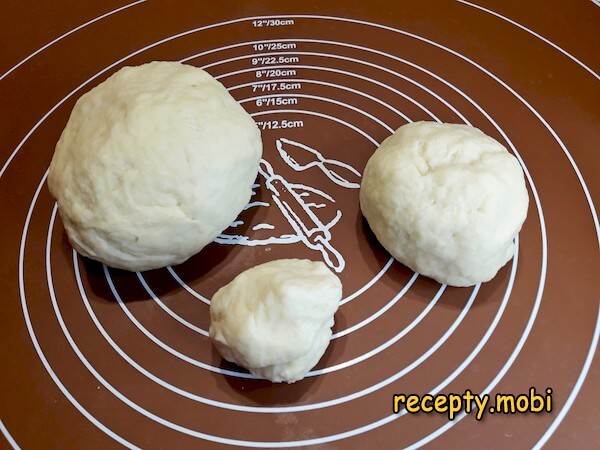
I divide the dough into unequal parts – one larger and one smaller. From the larger part I pinch off another small piece for decorations.
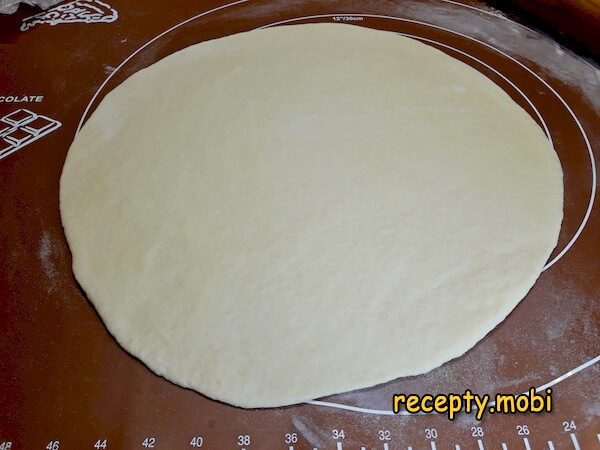
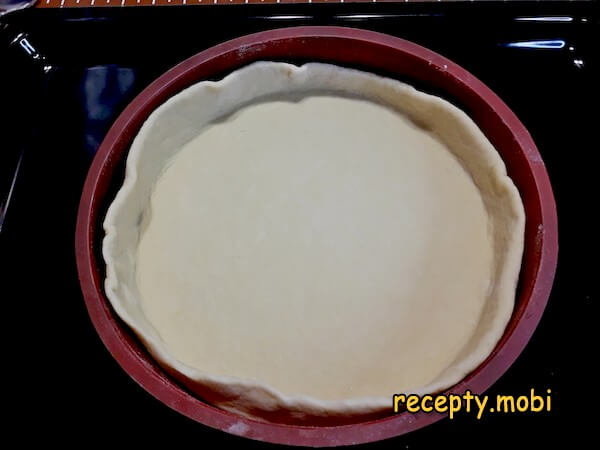
First I roll out the larger piece to a thickness of 0.3–0.5 cm. It should be enough to cover the bottom of the form and to fold about 5 cm up the sides.
I line the form with it, folding the edges up.
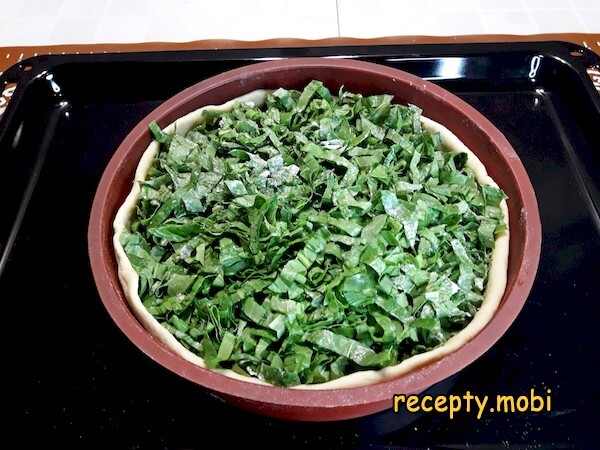
I add the filling, spreading it evenly over the whole area.
I roll out the second piece of dough to a size equal to the diameter of the form. I cover the filling with it and, going around the whole perimeter, pinch the edges together.
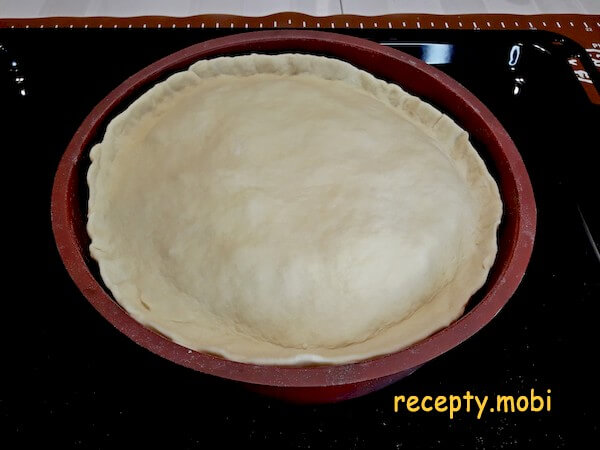
I go over the pinched edges a second time and fold them into a braid. In the centre I make a small hole for the steam to escape.
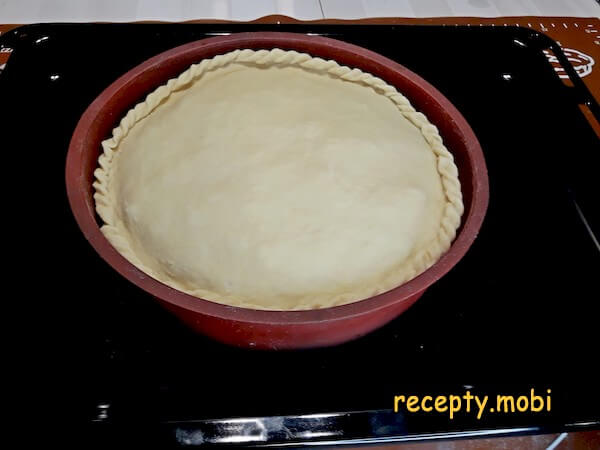
I roll out the smallest piece and cut out shapes for decoration.
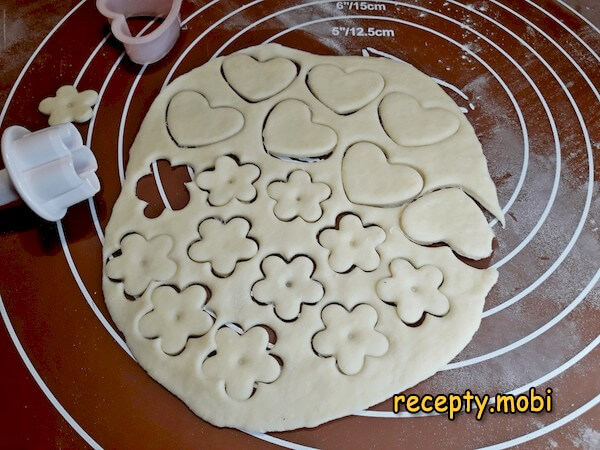
I stick them onto the pie, moistening the underside with water.
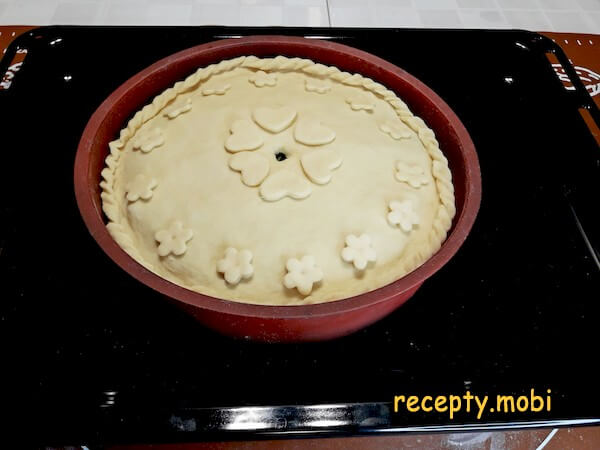
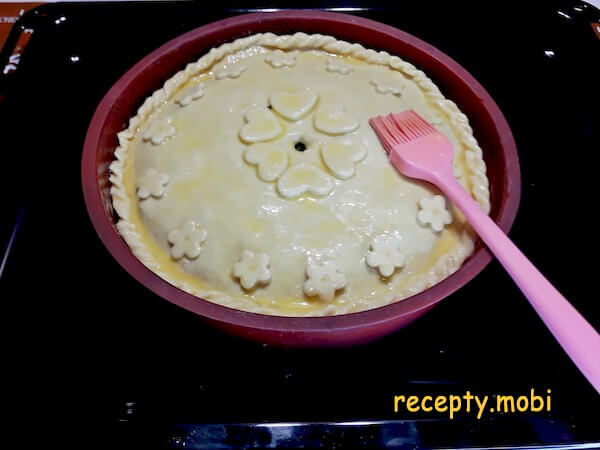
I beat the egg and brush the entire surface of the pie.
I put the baking tray with the form into the oven for 25–30 minutes. The top of the pie browns and becomes glossy.
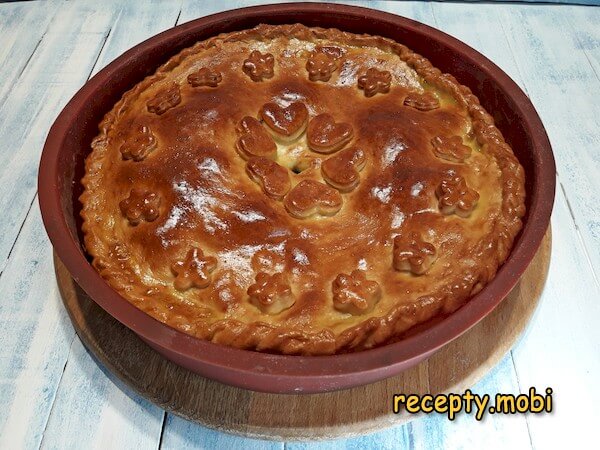
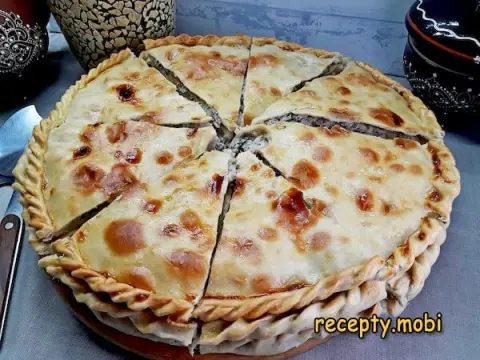
The sorrel pie is ready. It should be cooled a little before being removed from the form. The soft, thin layer of dough and the juicy sweet-and-sour filling are an absolute delight. Whether warm or chilled, it is not just a very tasty treat but a vitamin-rich one too.



Tips
- 1
Starch in the filling is the secret to juiciness without leaking. Without starch the sorrel releases juice and the bottom of the pie goes soggy. With 2 tbsp the filling is viscous and the juice does not run out when the pie is sliced.
- 2
Sugar to taste is the secret to balance. Young sorrel is sweet-and-sour and needs about 50 g of sugar. Older leaves are very tart and need up to 150 g. I taste it before adding the filling.
- 3
The hole in the centre is the secret to a good shape. Without an opening the steam puffs up the lid and the filling leaks out. With the hole the steam escapes and the crust stays even and glossy.
- 4
The egg glaze is the secret to a glossy finish. Without the glaze the pie is matte and pale. Yolk with water gives a glossy golden crust. The same principle works in other closed pies with a green filling.
FAQ
What can I use instead of sorrel? +
Possible alternatives include young rhubarb stalks (200 g – very similar), fresh spinach (200 g – milder, without the tartness, so you need to add lemon), a mix of spinach and 1 tbsp of lemon juice (200 g – close to sorrel), young nettle leaves (200 g – a wild option), Swiss chard (200 g) or a mix of spinach and sorrel (200 g – versatile). Fresh sorrel straight from the garden is the best choice. Avoid frozen sorrel in briquettes (too much water), pickled sorrel (a different flavour) and boiled sorrel from a jar. For the classic version, fresh young seasonal sorrel is a must.
Can I replace the baking powder with soda? +
Possible alternatives include 5 g of baking soda plus 1 tsp of lemon juice (the classic option, slaked in the milk), 5 g of dry yeast with a 30-minute proof (a different type of dough, looser in texture), 160 ml of kefir with 1 tsp of soda (in place of the milk – softer), buttermilk (the same effect as kefir), 100 g of sour cream with 1 tsp of soda (richer, more tender), an unleavened dough made with 160 ml of beer (no baking powder needed) or simply a plain water dough (denser). Fresh baking powder is the best choice. Do not use soda without an acid, as it will give a metallic taste. For the classic version, baking powder or slaked soda is a must.
How long does the sorrel pie keep? +
In the fridge, in a tightly closed container, it keeps for 2–3 days. On the second day the flavour becomes brighter as the dough soaks up the sorrel juice. Before serving, warm it in the oven for 10 minutes at 150 °C, or eat it cold (also tasty). In the freezer it keeps for up to 1 month; defrost it in the fridge for 8 hours. Served fresh and warm it is at its best, with the most sorrel aroma and a crisp crust. By the third day the dough softens slightly. Do not leave it at room temperature for longer than 6 hours. It is ideal to make for a family afternoon snack – it gets eaten straight away.
What goes well with sorrel pie? +
A classic for spring: with a glass of cold milk, a cup of black tea or green tea without sugar, a scoop of vanilla ice cream, thick 20% sour cream, Greek yoghurt with honey, or whipped cream. It also pairs well with fresh strawberries and raspberries, a fresh dried-fruit compote, a cold berry drink, a mint-and-lemon-balm herbal tea, a cup of cappuccino, cocoa made with milk, a warm vanilla sauce or a scoop of lemon sorbet. It is versatile for a home afternoon snack, and the sweet-and-sour pie suits both a spring healthy-eating menu (without the cream) and a children's party.
- Comment
or post as a guest
Be the first to comment.