avg —
Tyrolean Pie

Instructions
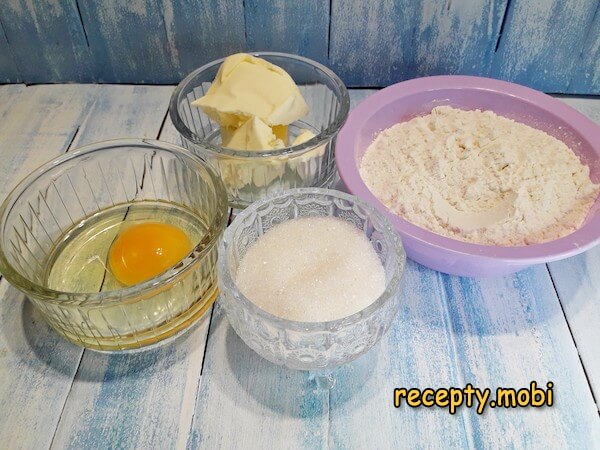
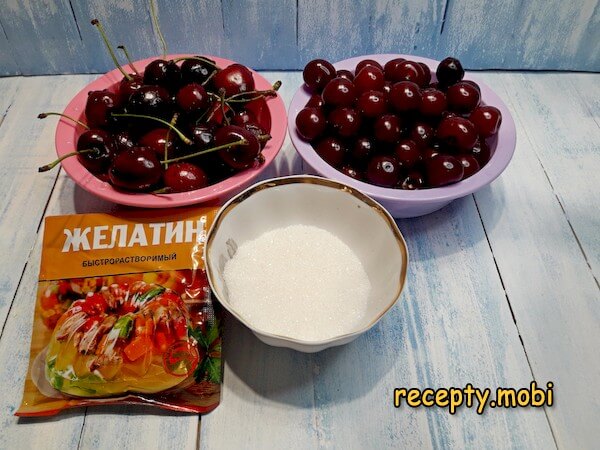
I prepare the ingredients for the shortcrust base of the Tyrolean pie. The butter for the dough can be any fat percentage, but it should stand at room temperature for a little while to soften.
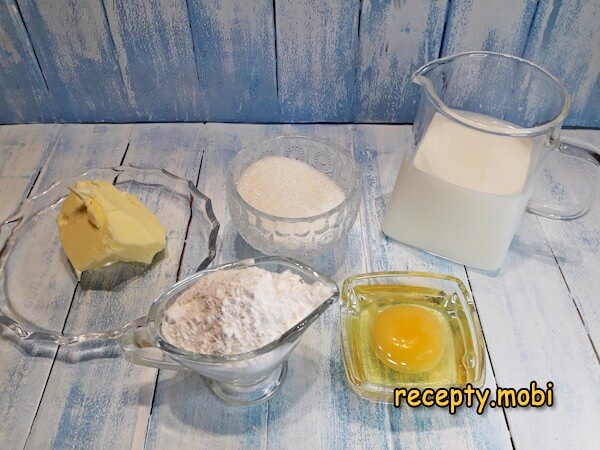
Gather the ingredients for the cream. The cornstarch can be replaced with potato starch in the same proportion. In that case the butter should be good quality with 82% fat.
Prepare everything you need for the cherry layer. The sweet cherries are used as a tasty decoration, so there is no need to remove their pits or stems – you can just trim the stems a little. The cherries, on the other hand, need their pits removed by any convenient method (a skewer, a hairpin or a dedicated cherry pitter).
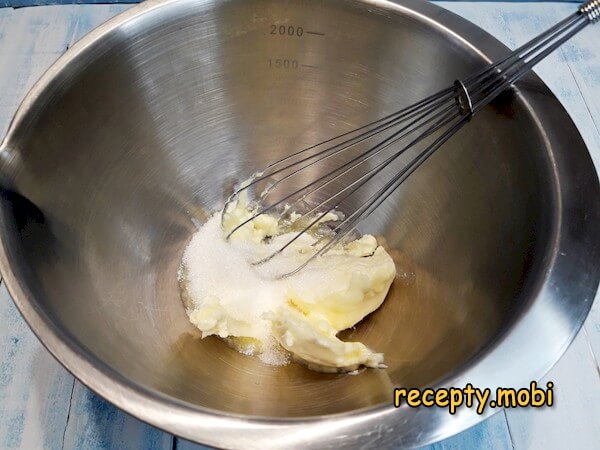
Start by making the shortcrust base. In a bowl, combine the butter with the sugar.
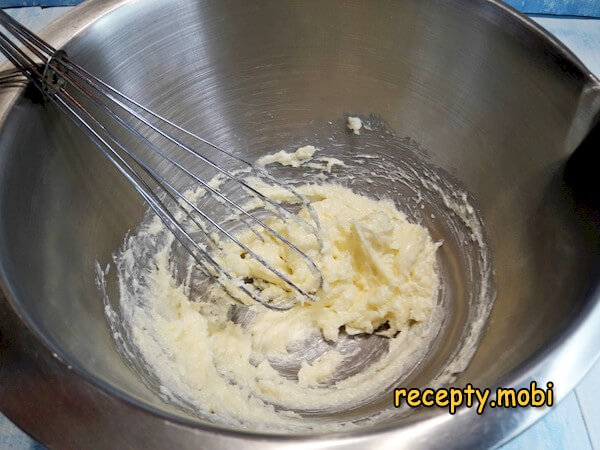
Rub them together with a whisk or fork until pale.
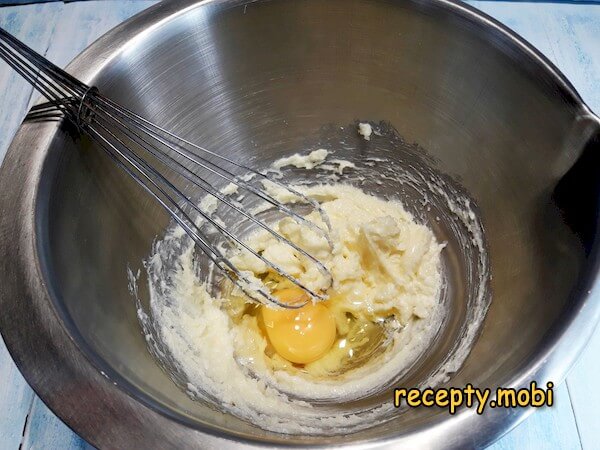
Add the egg to this mixture and rub again until smooth.
Begin adding the flour in small batches.
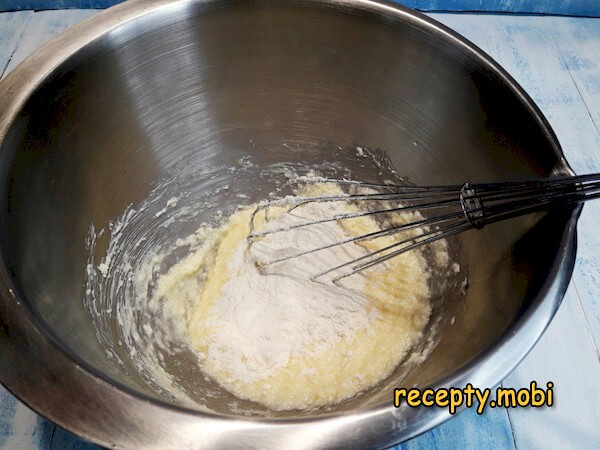
Stir the mixture with a spoon after each addition. I add neither baking powder nor soda to the flour – the dough turns out crumbly and very tender thanks to the butter.
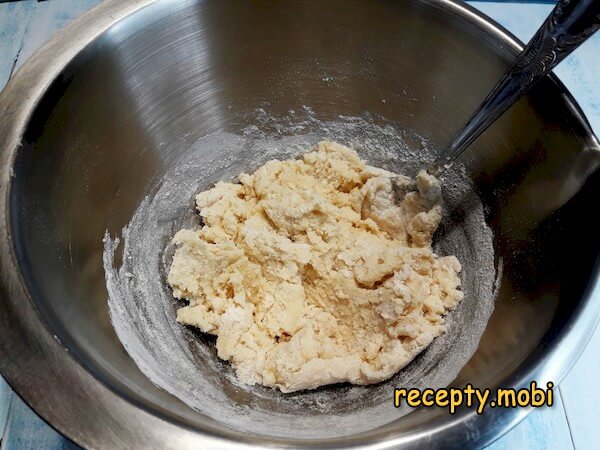
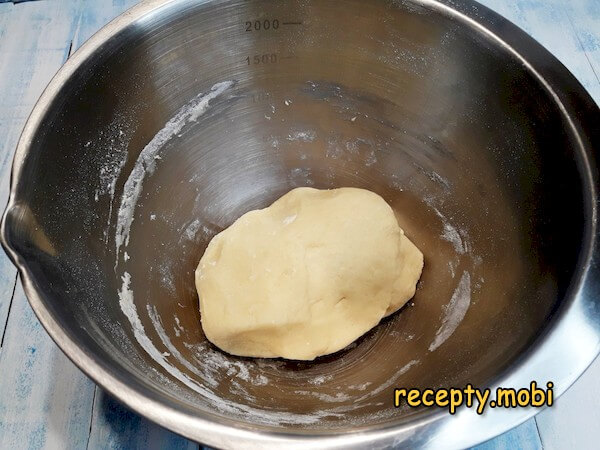
At the very end I finish mixing the dough by hand, but very quickly, so the warmth of my hands does not melt all the fat. You just need to gather everything into a single ball, pack it in a bag and put it in the freezer for 15–20 minutes. There the butter stabilises and the dough becomes easy to work with.
For the cream, combine the egg and sugar straight away in a small saucepan.
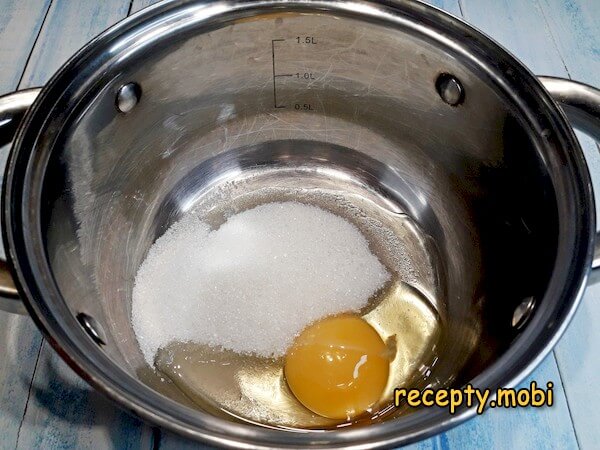
Whisk them until lightly frothy and add the starch.
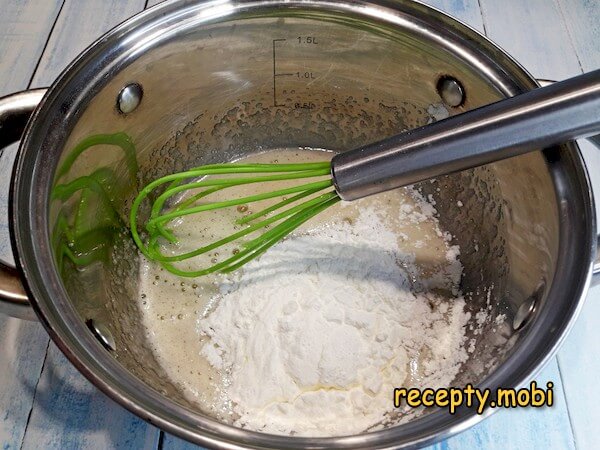
Rub everything until smooth, so no dry lumps remain.
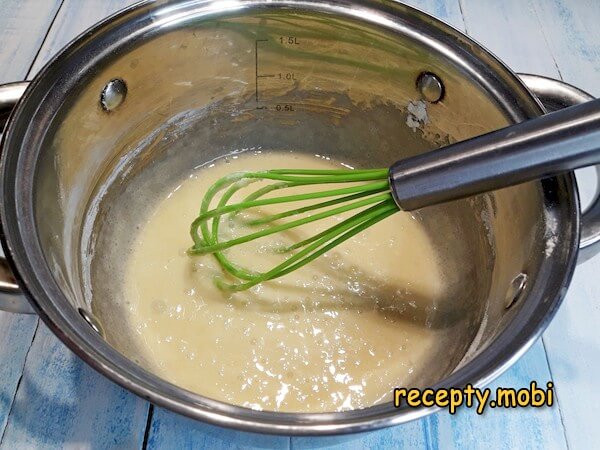
Pour in all the milk and stir.
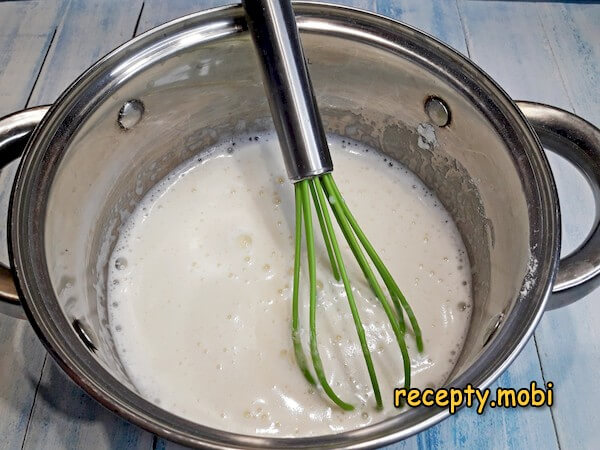
Set the saucepan over moderate heat and, without stopping stirring with the whisk for a second and reaching right down to the bottom, bring the cream to the first bubbles and then boil it for 1 minute. It should turn out smooth, even and of medium thickness.
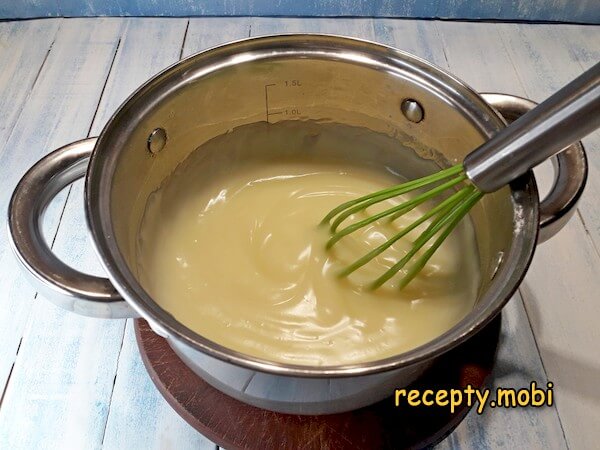
Stir the butter into the custard cream.
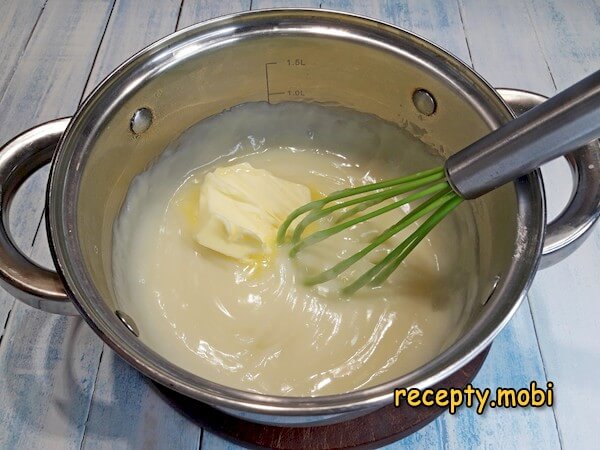
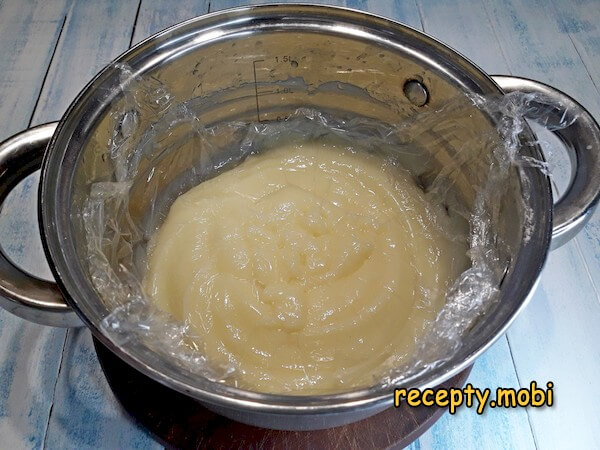
Next, cover the surface of the cream directly with cling film and leave it to cool.
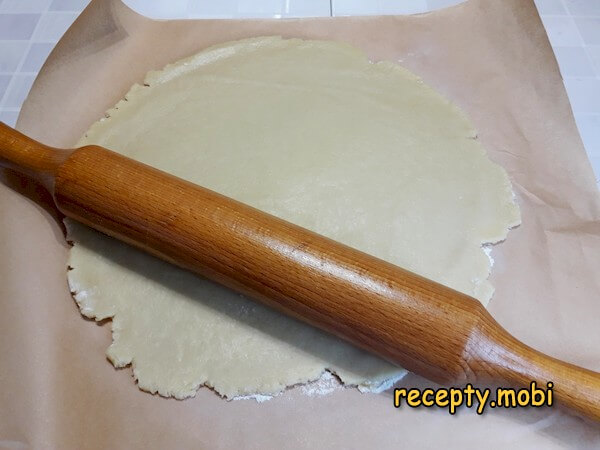
Turn the oven on to 180 degrees. By this time the dough has cooled enough. Place it on a sheet of parchment, dusting it lightly with flour on both sides, and first knead it by hand into a round flatbread. Then roll it out with a rolling pin to a diameter of about 35 centimetres (the dough should be enough for the diameter of the pan plus 5-centimetre sides).
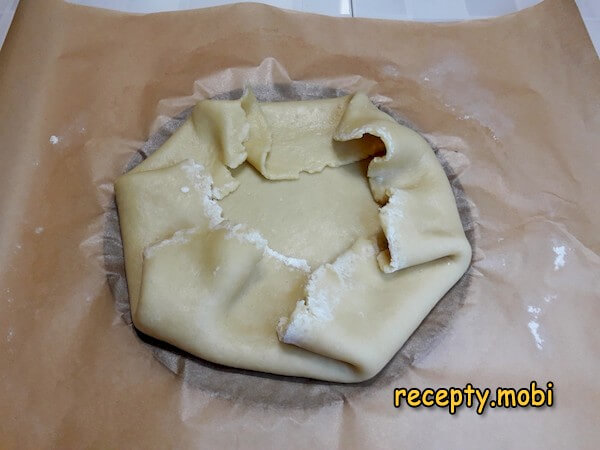
Slide the base of a springform pan under the parchment and fold the dough that extends beyond this circle inward.
Now fit the ring onto the pan and close the clamp. Straighten out the folded sections of dough, pressing them against the sides. Level the top edge of the dough to one height (about 5 centimetres). You can trim any excess parchment. To stop air bubbles from forming on the base during baking, prick the bottom along with the sides very densely with a fork.
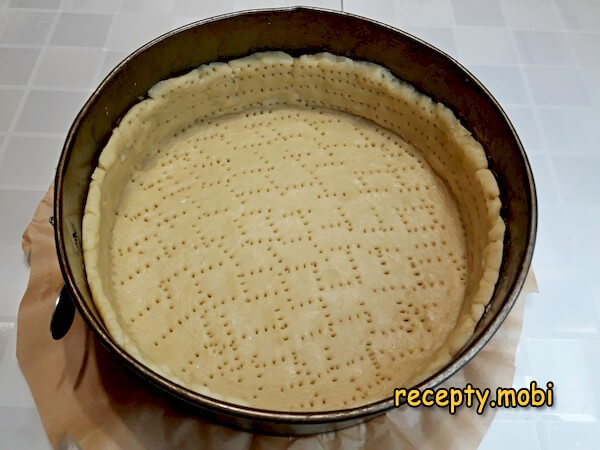
Put the pan on the middle level of the oven for 23–25 minutes, after which the shortcrust base will take on a lovely golden hue.
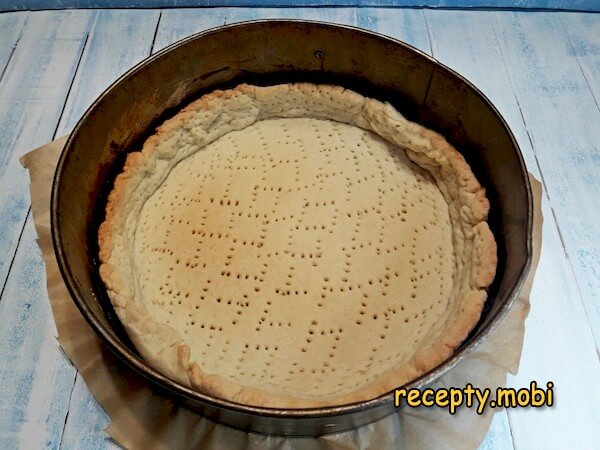
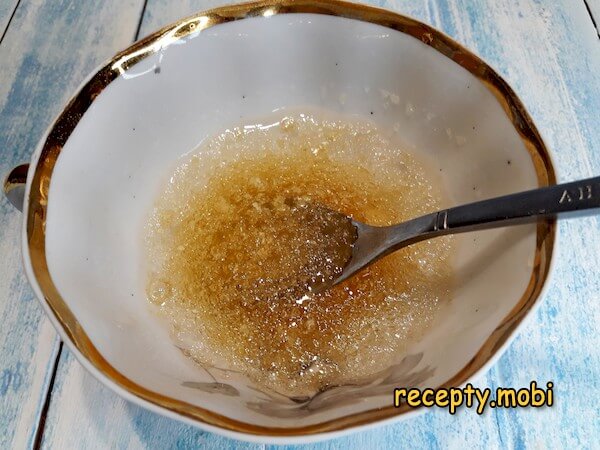
While the bake (which should not be removed from the pan yet) and the cream cool, I make the cherry jelly. Dissolve the gelatin in the stated proportion of room-temperature water.
Put the pitted cherries into a pot and sprinkle them with the sugar.
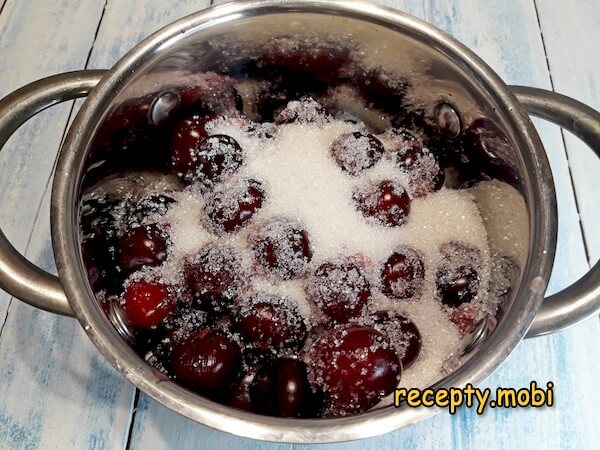
Over medium heat, bring the mixture only to a boil. All this time crush the cherries with a spoon so they release their juice (you do not have to mash all the fruit, the main thing is to have enough liquid for the filling). The sugar will also add some moisture as it heats.
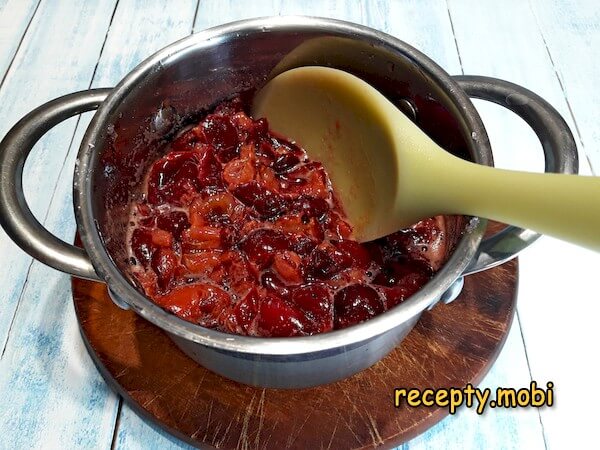
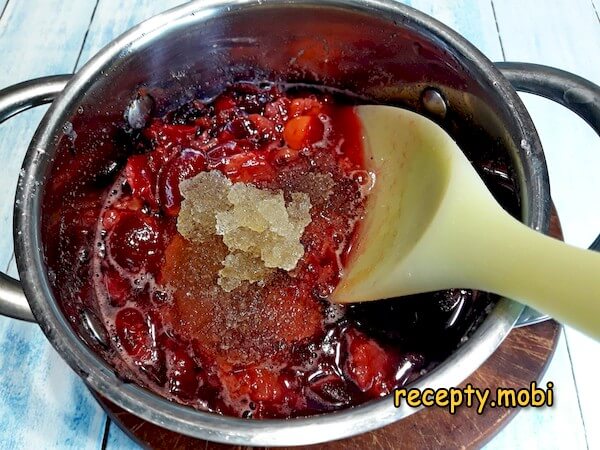
Take the cherry mixture off the heat and immediately stir the bloomed gelatin into it.
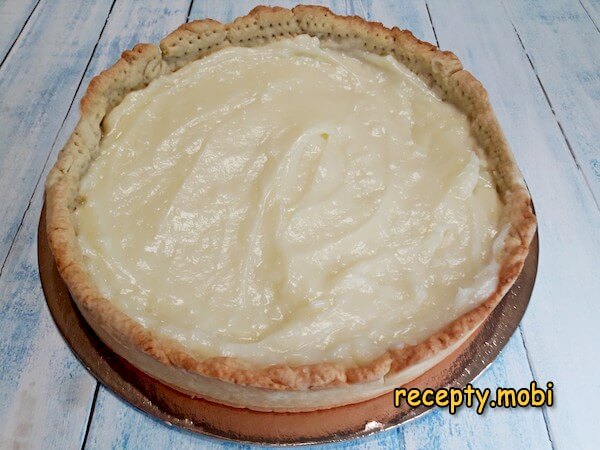
Release the shortcrust base from the pan and fill it with the custard cream.
When the jelly filling has reached room temperature, spoon it over the cream, but not all of it – only a thin layer. Put the assembled pie in the fridge like this for about 20 minutes so the jelly sets. Then add the rest of the filling.
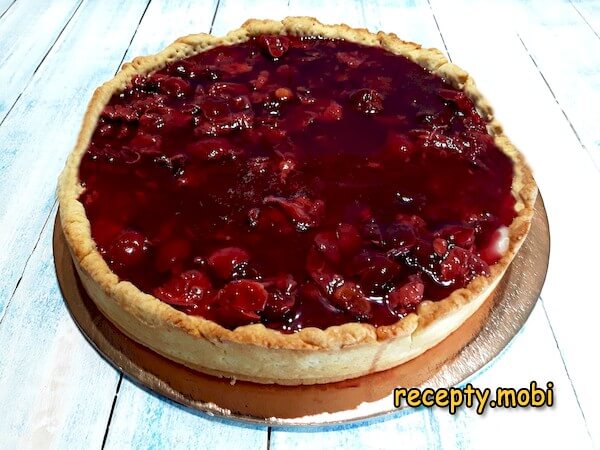
Before it sets, arrange the whole sweet cherries with their stems in it; once the cherry layer has set you can trim the stems. Put the cake back in the fridge (this time for 1 hour).
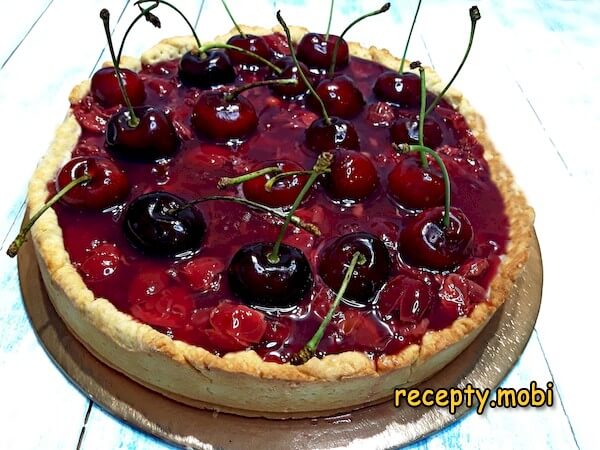
After the stated time, the Tyrolean pie is completely ready.



Tips
- 1
Chilling the dough is the secret to its crumbly texture. Warm dough sticks to the rolling pin and melts. After 15–20 minutes in the freezer the butter stabilises and the dough rolls out easily.
- 2
Cling film pressed onto the surface is the secret to the cream. Without it a skin forms on the cream. Film placed straight onto the surface keeps the cream smooth and silky.
- 3
A thin first layer of jelly is the secret to stopping it from seeping through. If you add all the jelly at once it will leak through the cream. A thin first layer sets in 20 minutes and holds the rest.
- 4
Sweet cherries with their stems are the secret to the decoration. Without the stems the pie looks ordinary. Whole berries with their stems give the signature, attractive Tyrolean look. The same principle works for other kinds of cakes with a jelly filling.
FAQ
Which cherries should I choose? +
Ideally, fresh, fleshy cherries with a rich flavour (320 g). Good alternatives are large dark cherries, or pitted frozen cherries (320 g) for a more budget-friendly option, as well as a mix of cherries and blackcurrants (160 g each) or raspberries (320 g) for a different accent. Do not use overripe, soft fruit, which will fall apart, or any that has gone mouldy. For the classic version you really need firm, fresh cherries with a rich taste.
What can replace the gelatin? +
You can use agar-agar (4 g, plus 35 ml water) for a plant-based, vegan option, pectin (10 g, plus 35 ml water) for a fruitier set, or leaf gelatin (10 g = 4 sheets). Cornstarch (15 g) is a budget alternative that gives a denser filling. Do not use gelatin that is past its date, as it can have a fishy smell. For the classic version, fresh food gelatin is best.
How long does the Tyrolean pie keep? +
In the fridge, in a tightly closed container, it keeps for 2–3 days. On the second day the flavour becomes richer as the aromas blend together. Before serving, leave it on the counter for 5 minutes so the jelly softens slightly. I do not recommend freezing it, as the jelly and cream will break down. Do not leave it at room temperature for longer than 3 hours. It is ideal to make it for guests and serve it on the day it is prepared.
What to serve the Tyrolean pie with? +
A classic for tea time is a cup of black tea, or unsweetened green tea. It also goes well with espresso or cappuccino, cold milk, or a cup of cocoa made with milk. For a more indulgent dessert, serve it with a scoop of vanilla ice cream, whipped cream, or a chocolate sauce. A sprig of fresh mint or a scatter of pomegranate seeds makes a pretty finish. It is a versatile summer dessert, perfect for a birthday, a romantic evening or a get-together with friends.
- Comment
or post as a guest
Be the first to comment.