avg —
Turkish Lahmacun

Instructions
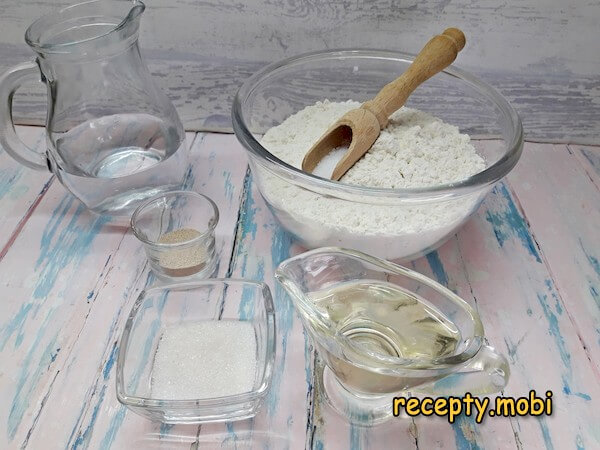
I prepare the ingredients from the list for the dough.
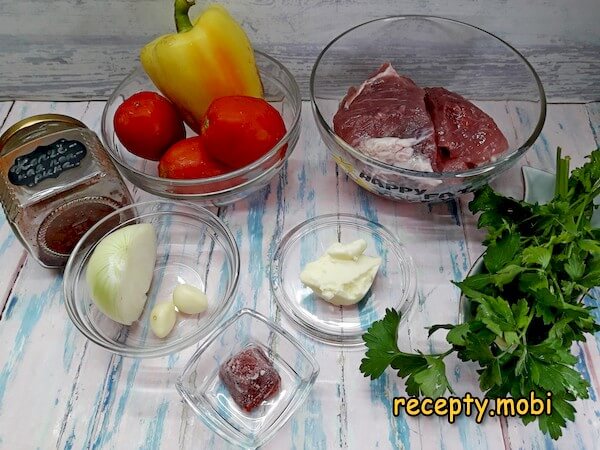
And also for the meat spread.
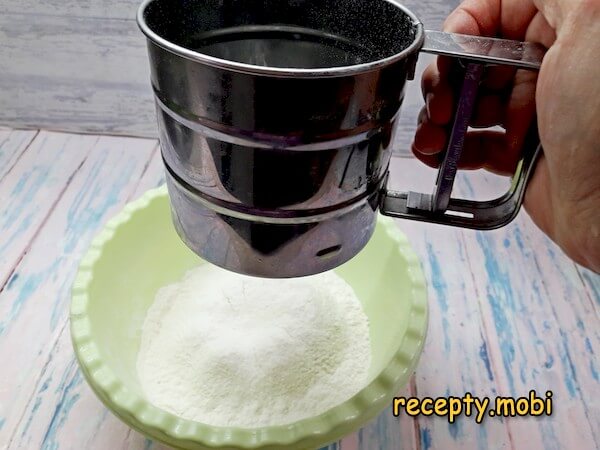
Into a bowl that is convenient for mixing, I sift the flour (this is essential for yeast dough). I make a well in it.
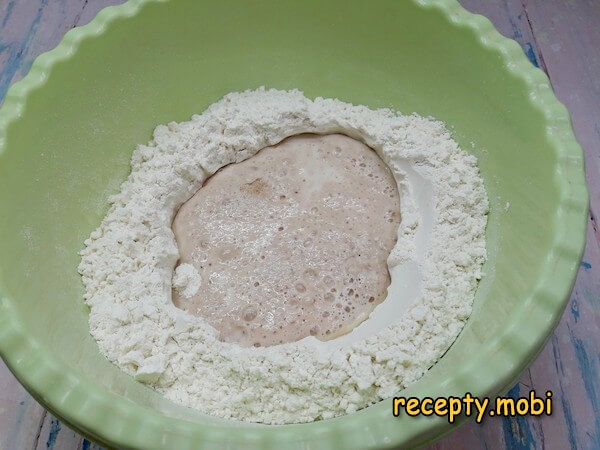
I pour in the water, add the sugar and yeast, and stir everything together. I leave it for a few minutes so the fermentation begins.
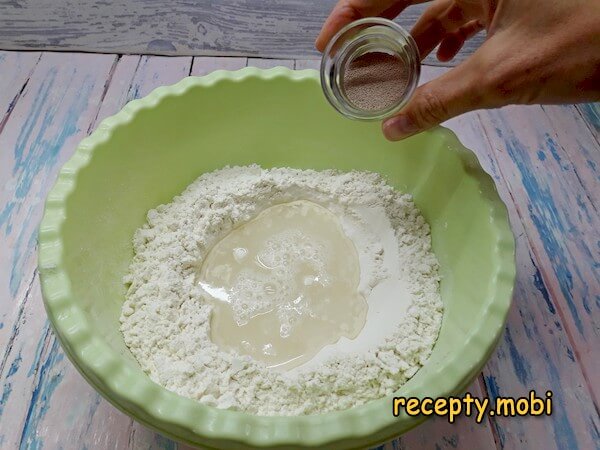
Soon the starter bubbles up and is covered with foam.
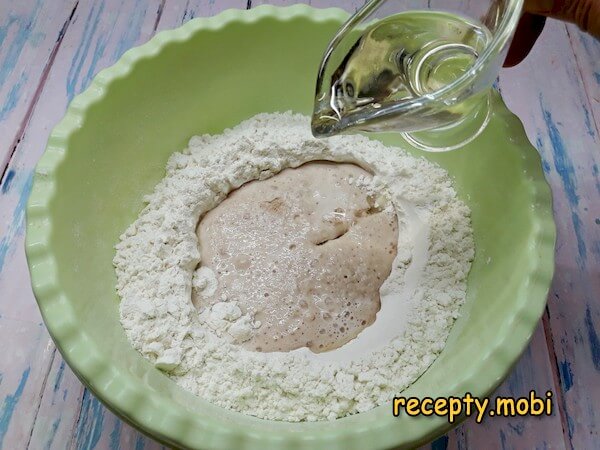
I pour in the oil and add the salt.
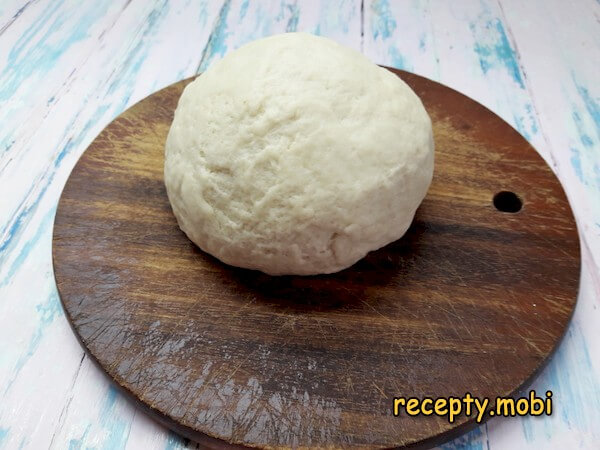
I knead the dough by hand – first in the bowl, then on the table, kneading and stretching it for 5 minutes. At the end I shape it into a ball.
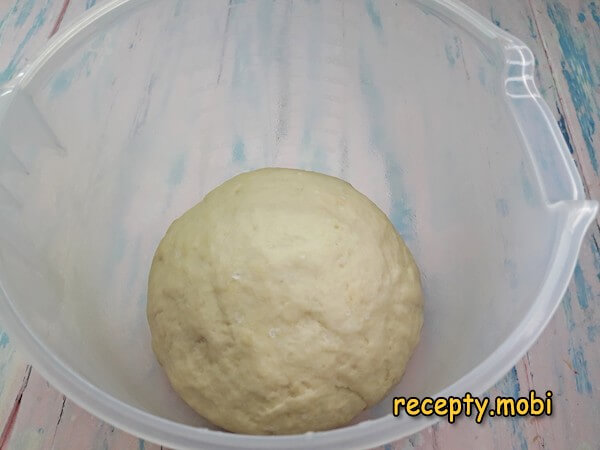
I transfer it to an oiled container with a loose lid to rise.
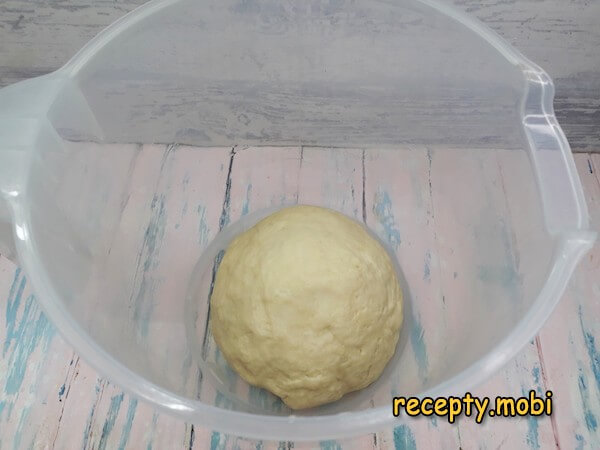
After about 40 minutes the dough swells, increasing at least twofold.
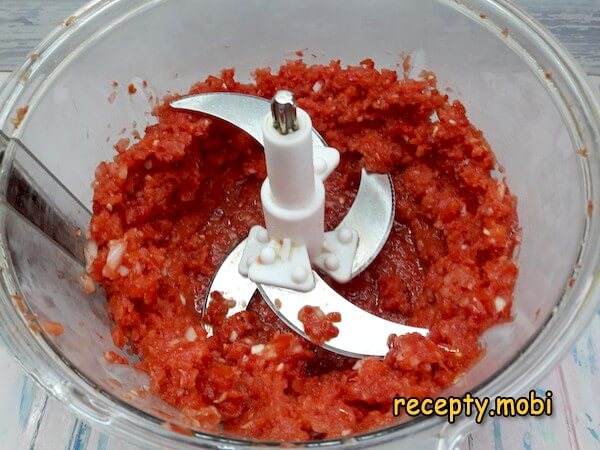
While this happens, I prepare the spread. I mince all the listed vegetables except the parsley with a meat grinder or chopper. It is good if a few uncrushed pieces remain in the puréed mass – this gives the Turkish pizza the right character.
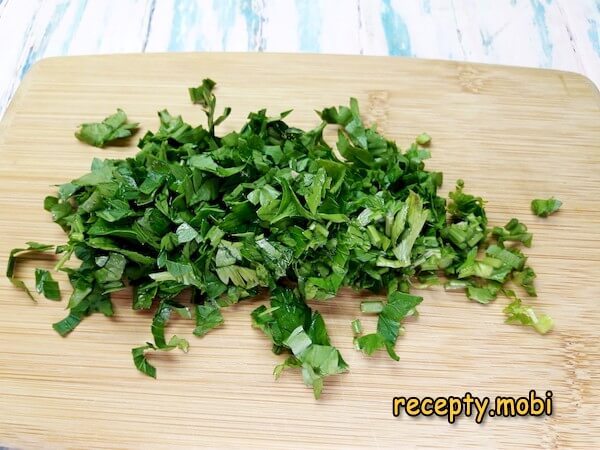
I chop the greens by hand, so that they are easy to make out in the finished dish.
I grind the meat and add the vegetable purée and the chopped parsley to it.
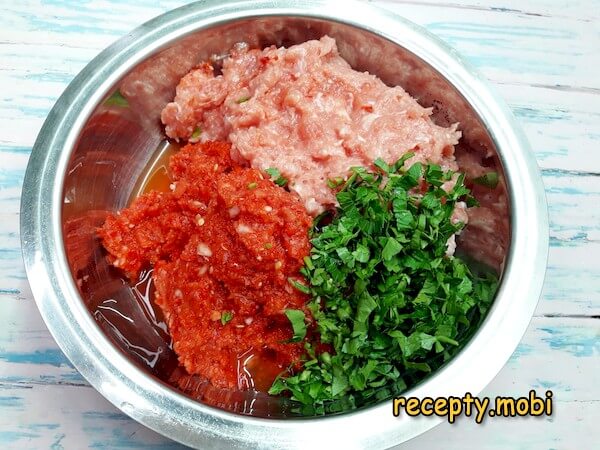
To the same mixture I add the tomato paste, the butter to boost juiciness, salt, and smoked paprika.
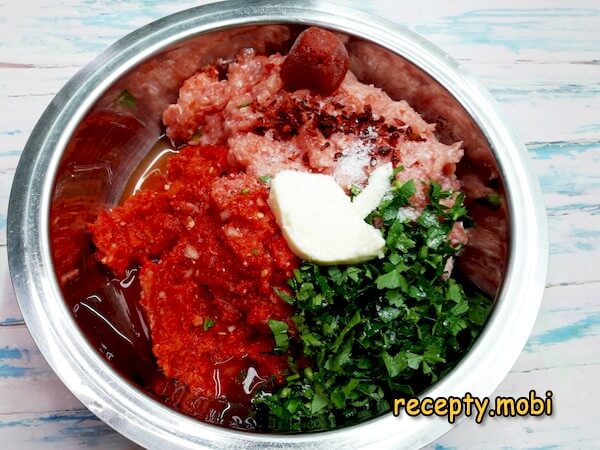
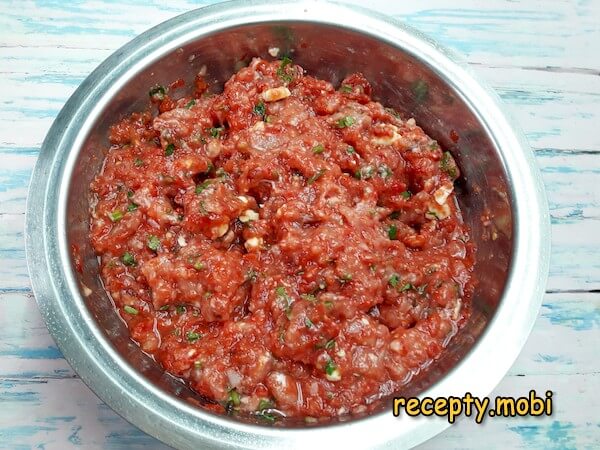
I combine everything into a homogeneous mass. The filling should turn out very juicy – before each spreading I always stir it so the moisture is distributed evenly.
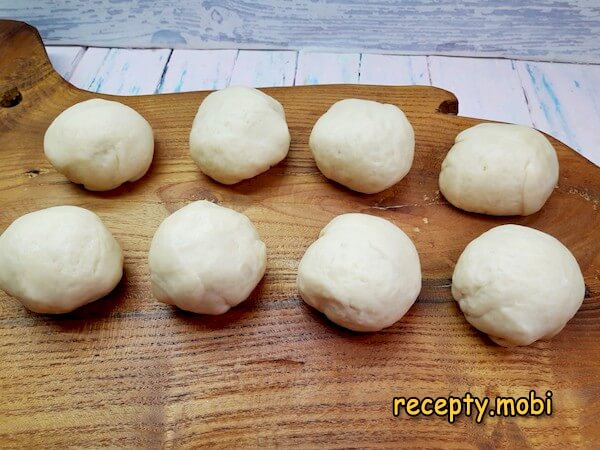
I roll the risen dough into a thick sausage. I divide it into 8 pieces (each weighing 48–50 g) and round them. I let the balls rest for 10 minutes under film – this way they roll out more easily and develop a fine-pored structure during baking. I turn the oven on to 220 °C.
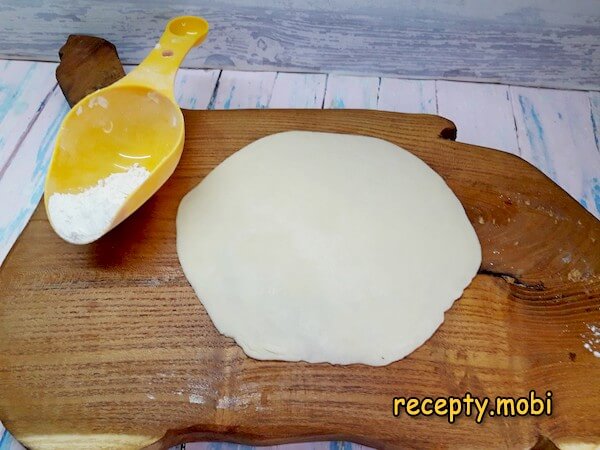
I roll the dough out into thin flatbreads no more than 2 millimetres thick, lightly dusting the work surface with flour to avoid sticking.
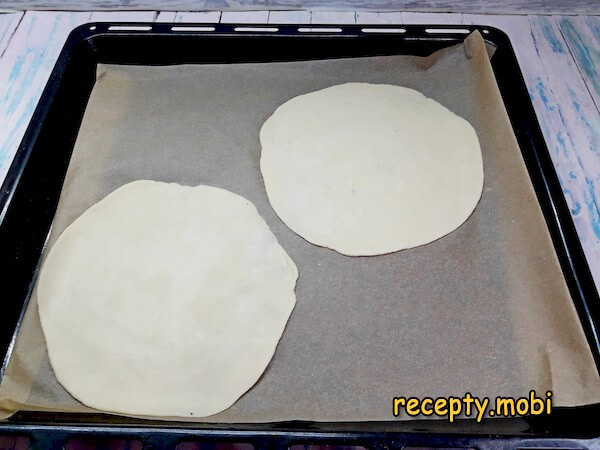
On a baking sheet lined with non-stick parchment I place 2 or 3 flatbreads, depending on the size of the sheet.
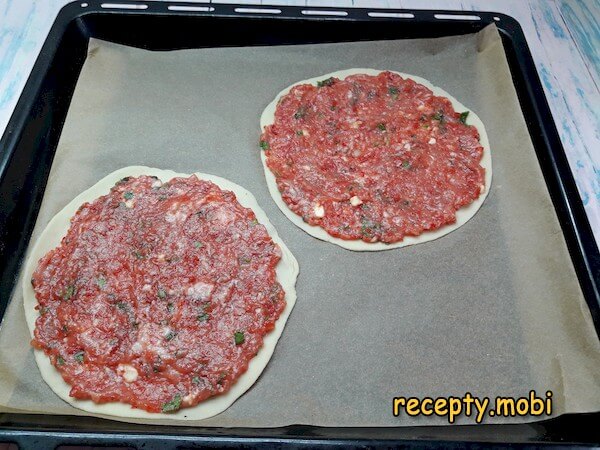
I spread the meat filling out, levelling the thickness across the whole circle. The layer should not be too thick, but you also should not leave empty spaces on the flatbread.
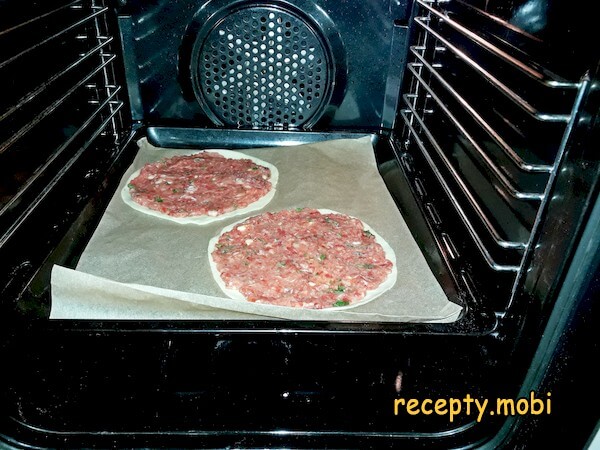
I put the prepared flatbread on the lower level of the preheated oven.
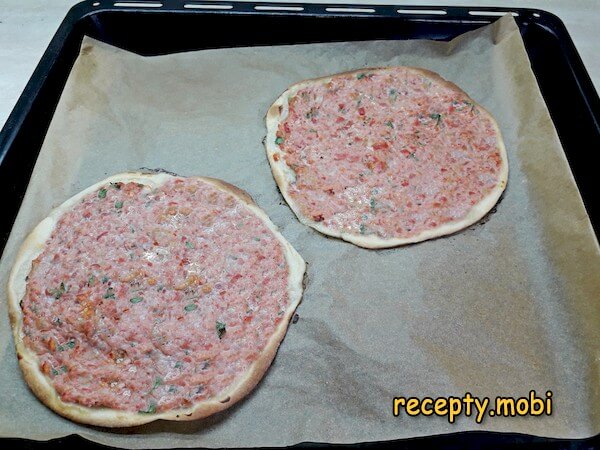
After 8–10 minutes the lahmacun is baked and the edges have browned.
I stack the finished pizzas on top of one another and cover them with a towel, so that their own heat softens the flatbreads.



Tips
- 1
Water at 38–40 °C is the secret of the starter. Cold water will not get the yeast going, and hot water (50 °C and above) will kill it. Make sure it is just warm.
- 2
Vegetable purée in the mince is the secret of juiciness. Tomatoes and pepper blitzed to a pulp make the filling very juicy.
- 3
220 °C on the lower level is the secret of crisp edges. High heat from below gives fast baking and a crisp finish.
- 4
A towel over the stack is the secret of softness. Under a towel the hot flatbreads soften one another with their steam. The same principle works in other kinds of Turkish flatbreads with meat.
FAQ
Which meat should I choose? +
Lamb fillet (350 g) is the classic Turkish choice. Good alternatives are beef (350 g), a 50/50 mix of beef and lamb (350 g), or chicken fillet (350 g) for a lighter version. Use fresh chilled fillet rather than ready-made minced meat, and avoid fatty trimmings. For an authentic result, lamb or a lamb-and-beef mix is best.
What can replace smoked paprika? +
You can use ordinary sweet paprika instead (3 g), though it is less aromatic. Other options that change the flavour are a pinch of ground cumin added to paprika, or sumac (3 g) for a Turkish accent. For the authentic taste, however, smoked paprika is what gives this lahmacun its character.
How long does lahmacun keep? +
Wrapped in film in the fridge, 1–2 days; after that the dough goes stale and the filling loses its freshness. Before serving, reheat it in the oven for 5 minutes at 180 °C to restore the crispness, or for about 30 seconds in the microwave. You can freeze it in portions, separated with parchment, for up to 1 month; thaw it in the fridge for 4–6 hours or reheat it straight from frozen in the oven. Do not leave it at room temperature for longer than 4 hours, as the meat spoils. It is best baked and eaten fresh.
What goes well with lahmacun? +
The Turkish classic is to drizzle it with lemon before eating and add fresh herbs (parsley, mint, coriander). It goes well with ayran, the Turkish fermented-milk drink, with pickled cucumbers or marinated peppers, and with a shepherd's salad of tomatoes, cucumbers and onion. A garlic-and-yogurt sauce works as a dip, and it pairs nicely with Turkish tea or Turkish coffee. Rolled up, it is convenient to take to work for lunch.
- Comment
or post as a guest
Be the first to comment.