avg —
Red Currant Compote (No Sterilization)

Instructions
I choose ripe, dark red currants. I do not put bruised berries into compote meant for the winter – I save such currants for jelly.
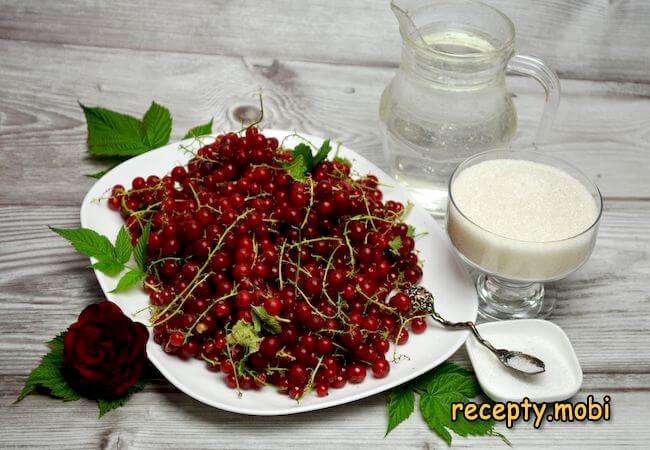
I wash the red currants together with their sprigs under cold running water. Only after washing do I pull the sprigs off the berries – that way there is less risk of damaging them.

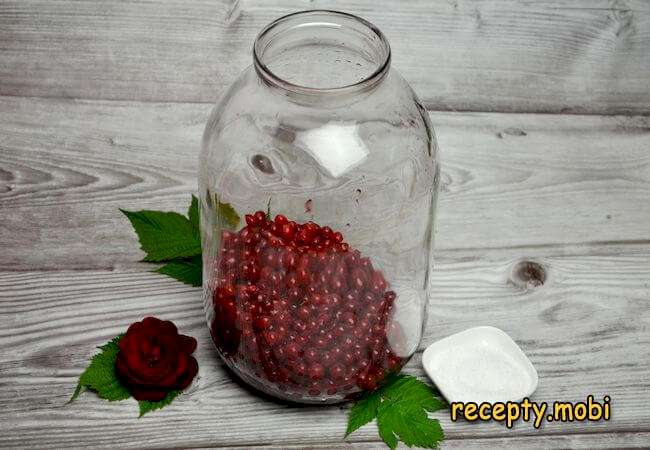
I sterilise the jar. I pour the sorted red currants into the cooled jar. Sterilisation is the main guarantee that the compote will "survive" the winter.
I measure the sugar precisely – both too much and too little will spoil the flavour of the compote. Kitchen scales are more accurate than measuring cups.
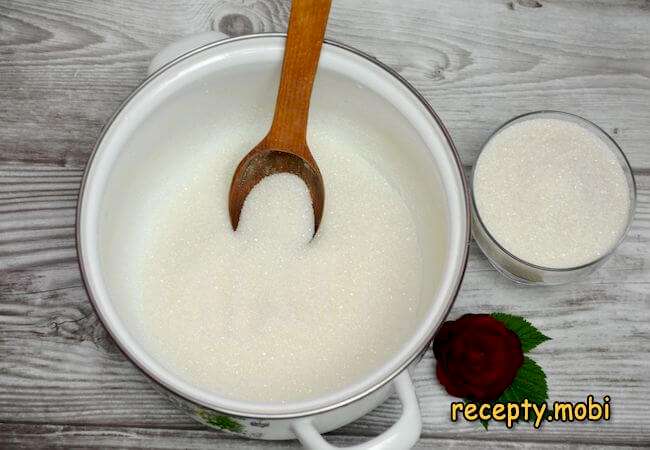
I add the citric acid to the pot with the sugar. I scoop a level teaspoon, without a heap. The citric acid strengthens the preserving properties and brings out the berry flavour.
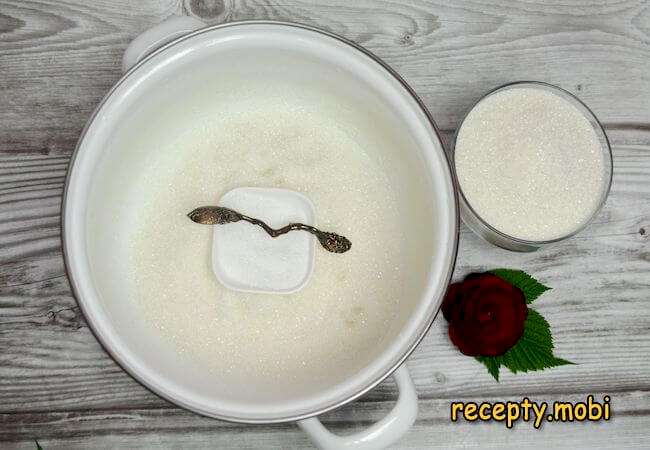
I pour in the water and cook the sweet-and-sour syrup over high heat. The boiling time is 3 minutes. The sugar dissolves completely and the citric acid is activated.
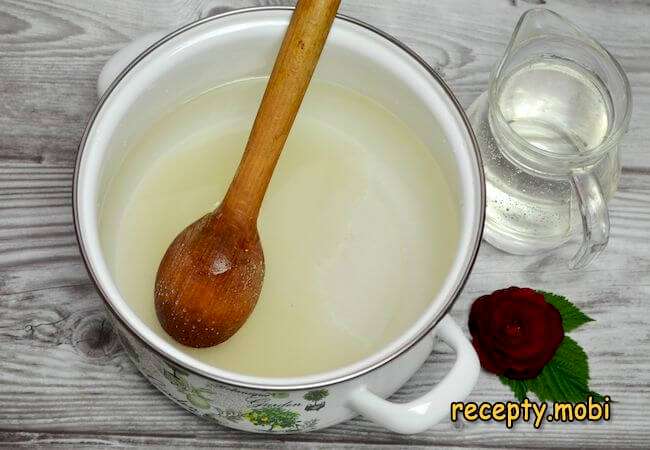
I pour the hot syrup over the currants. First a quarter of the jar, and a minute later – all the rest. While the first portion is being poured, I keep the remaining syrup in the pot at a minimal boil. After pouring in part of the syrup, I make sure to cover the neck with a sterilised lid. If you pour all the boiling syrup into the jar at once, the glass may crack.
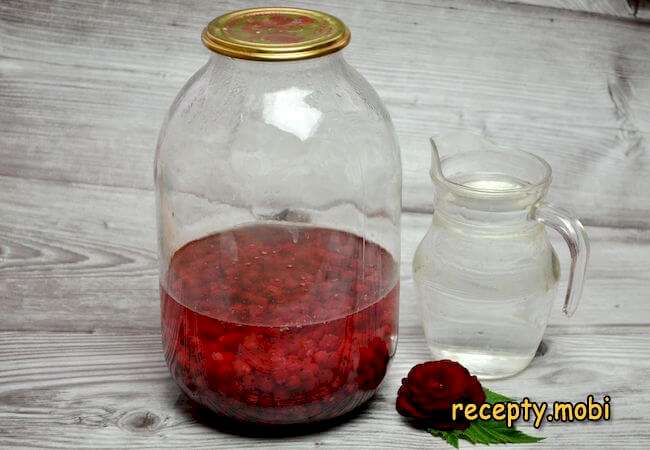
The jar is filled with syrup up to the shoulders – this uses up exactly all the prepared liquid.

I immediately seal the jar, carefully turn it upside down and cover it with something very warm. A double layer of wrapping is more reliable: first a towel, then a blanket.

The currant compote stands under the blanket for a full day – during this time "self-sterilisation" takes place from the residual heat. Then I find a cool, dark place for the jar.

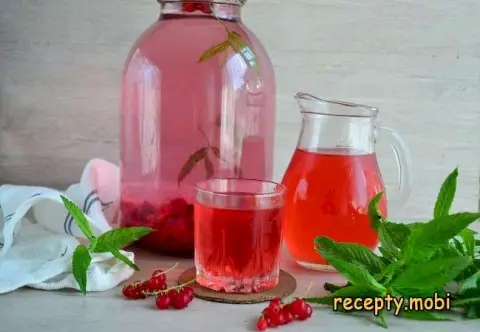
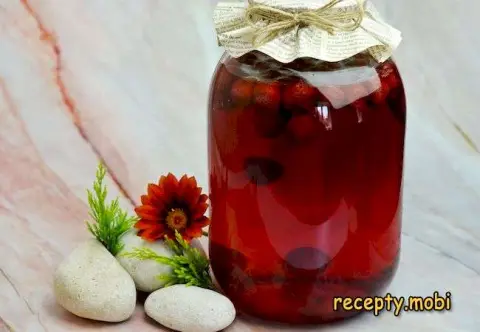
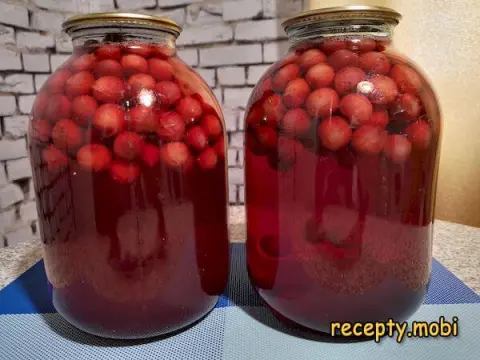
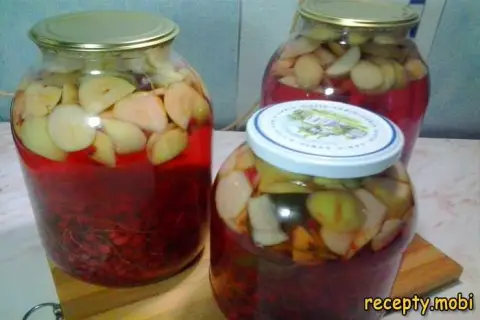
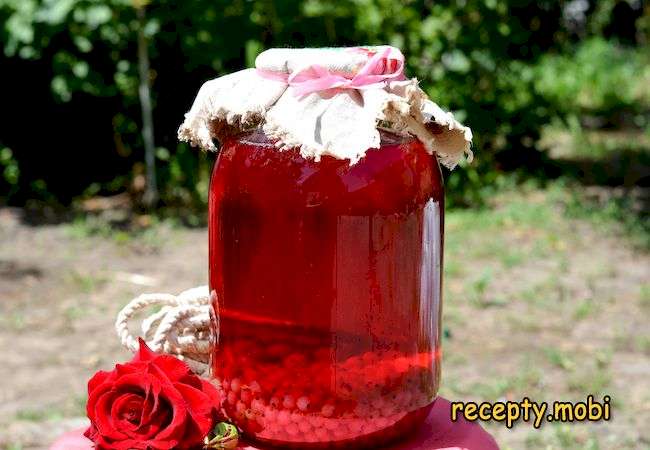
Red currant compote looks attractive and has a bright flavour. It can be regarded as a gastronomic gift – cover the lid with a decorative paper or fabric topper. The compote is not only a refreshing drink; you can also make an original, bright jelly from it.
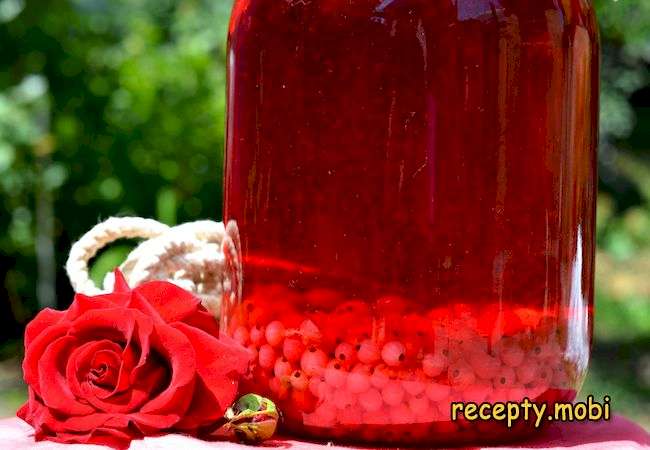
In a cellar this berry preserve keeps for 12 months.


Tips
- 1
ALWAYS sterilise the jar – over steam, in the oven (120 °C / 15 min) or in the microwave (with 50 ml of water, 3 min). Without this step you risk the jars exploding.
- 2
Pour the syrup IN TWO STAGES – otherwise the jar will crack from the sudden change in temperature. The first portion "warms" the glass, the second tops it up to the brim.
- 3
Put the jar under the blanket for A FULL DAY – during this time the residual heat "finishes off" the sterilisation of the contents. This is exactly what "without sterilisation, but safe" means.
- 4
Different varieties of currant give different flavours – try them all. This recipe also works for other berry compotes: black currant, raspberry, cherry.
Video

FAQ
How do you know the compote is ready to be sealed? +
The key signs: the sugar is completely dissolved in the syrup (taste it – no "grit"), the syrup has boiled for 3 minutes over high heat, the jar is sterilised and dry, and the lids are sterilised (3–5 minutes in boiling water). Fill the jar up to the shoulders – not all the way to the neck. The temperature of the syrup at the moment of pouring should be no lower than 90 °C (almost boiling). After sealing, turn the jar over and listen – there should be no bubbles, otherwise there is air inside and the compote will not keep.
How long does the compote keep? +
In a cellar or a cool, dark larder (10–15 °C) – up to 12 months. In a warm flat (20–25 °C) – 6–8 months. Once opened, in the fridge – 5–7 days. Signs of spoilage: a cloudy syrup, a bulging lid, "hissing" when opened, a sour smell – such compote must NOT be drunk, throw it away. With the correct sealing technique, faults are rare – perhaps 1 jar in 10 may not last.
What can replace citric acid? +
The alternatives: the juice of half a lemon (add it to the syrup instead of the acid), sour berries (add 50 g of red currants over the norm, or 30 g of sea buckthorn), 9% vinegar (1/2 tsp – as an "emergency" option, though an aftertaste may remain). Citric acid is the "workhorse" for preserves: it does not change the flavour, strengthens the preserving and extends the shelf life. Without it the compote will keep for 6 months instead of 12. For "naturalness", rely on the acidity of the currants themselves – they are naturally sour.
Why does the jar need to be turned over after sealing? +
Turning the jar over serves two purposes. The first is checking the seal: if the lid is sealed poorly, the syrup will start to seep out (the fault is seen at once). The second is sterilising the inside of the lid itself with the hot syrup (the last microorganisms are left on the hot syrup). After an hour "upside down" you can return the jar to its normal position and wrap it up. You must not skip this step – it is a technique proven over centuries.
- Comment
or post as a guest
Be the first to comment.