avg —
Apricot Jam

Instructions
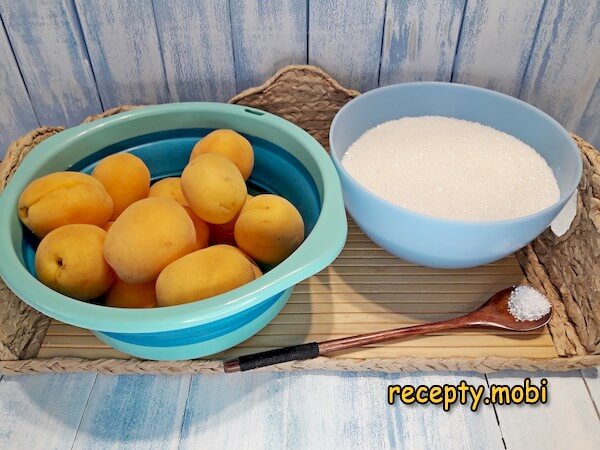
I prepare the ingredients. Citric acid is essential — preservative + adds pleasant sourness + prevents jam crystallization during long storage.
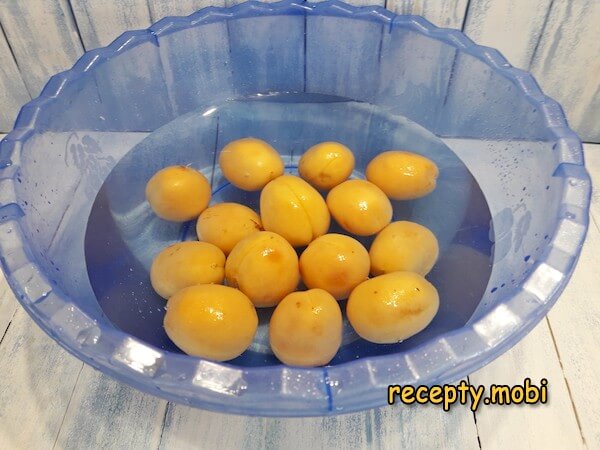
Apricots rinse in water 2 minutes, then wash thoroughly without damaging delicate skin. Jars and lids sterilise in advance.
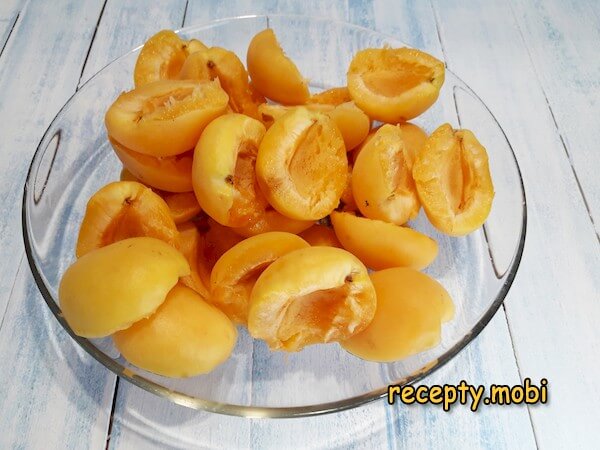
Remove pits — split fruits in half by hand or knife if too soft.
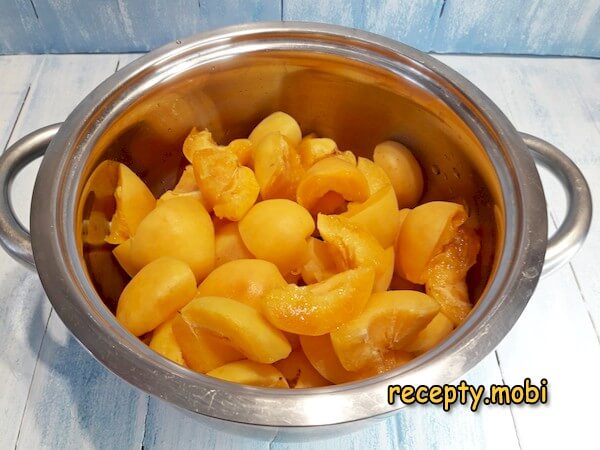
In cooking pot: 2 tablespoons water. Cut larger apricot halves into smaller pieces; small specimens stay whole. All apricots into the pot.
Citric acid adds.
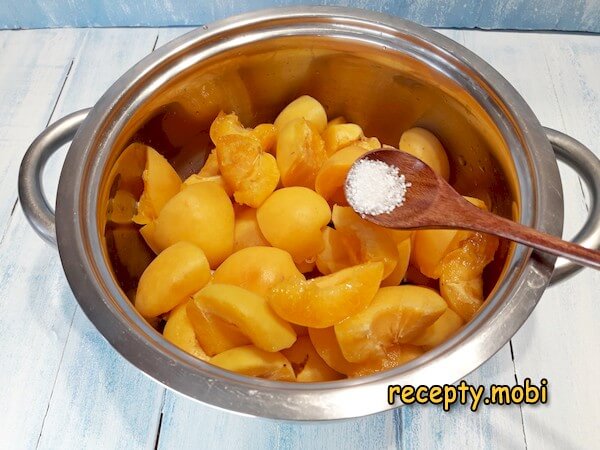
Sugar adds in 4 stages — first 1/4 (about 125 g, exact weighing not necessary). Sprinkle over apricots.
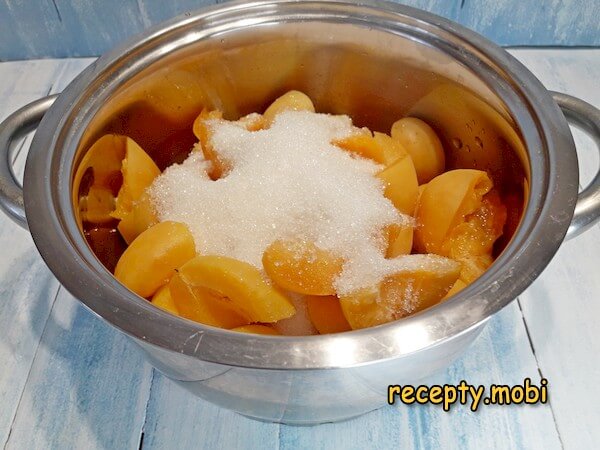
Mix everything; pot onto stove.
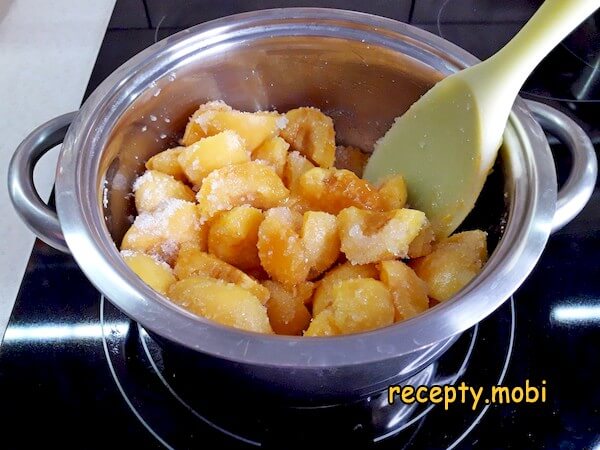
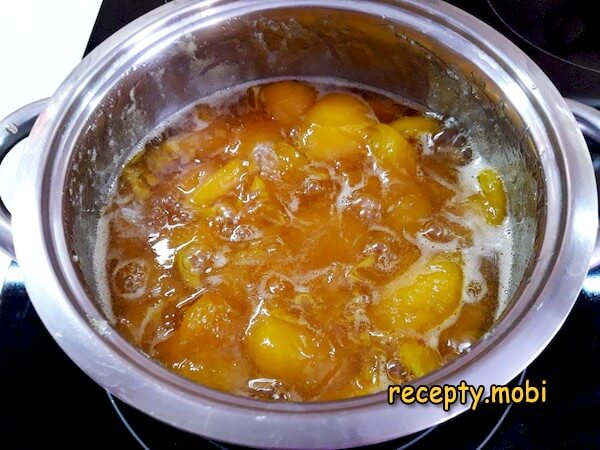
After boiling starts, cook exactly 5 minutes.
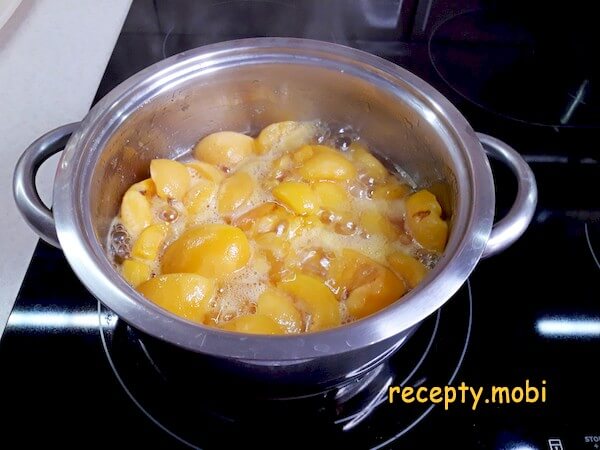
Without removing pot from heat, second 125 g sugar adds. After re-boiling, cook 5 more minutes.
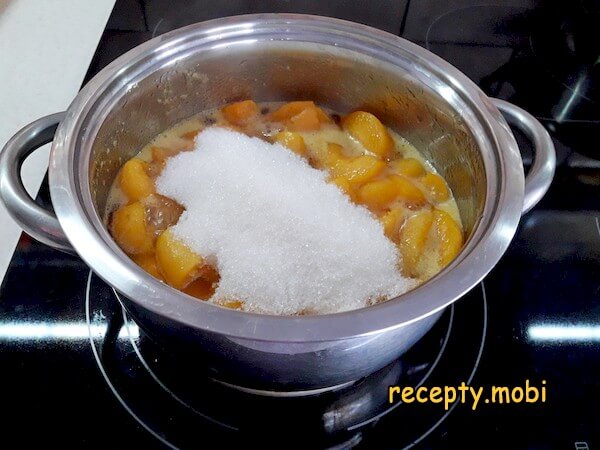
Foam forms during cooking — skim with spoon throughout.
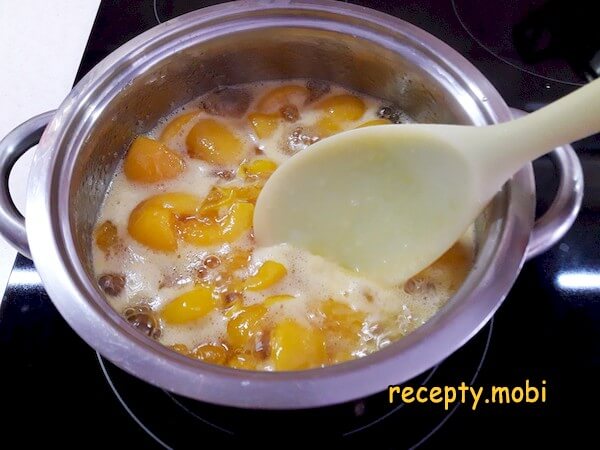
Third 125 g sugar adds. Cook 5 more minutes.
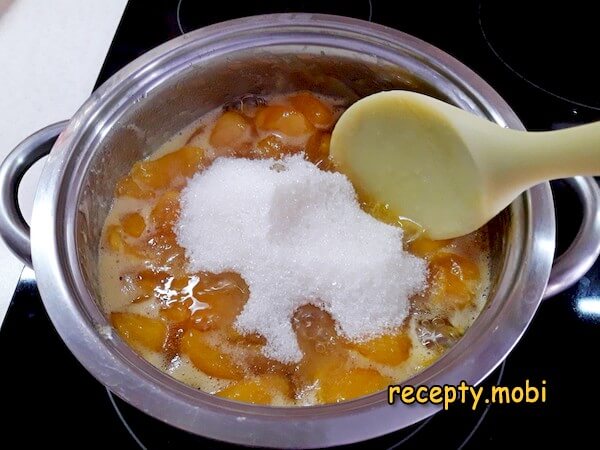
Final fourth 125 g sugar adds. Mixture thickens noticeably with this addition.
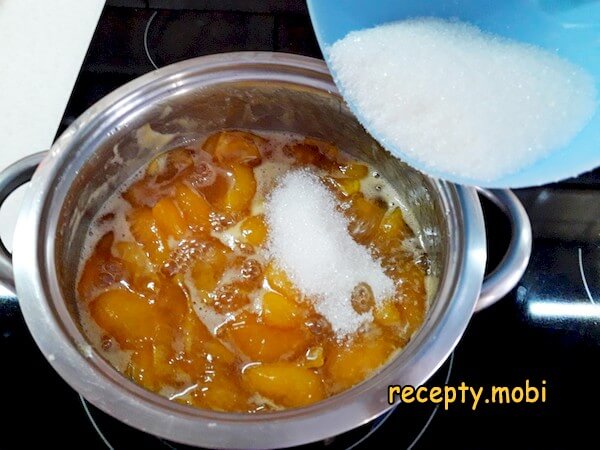
After fifth 5-minute cook, consistency clearly changes — bubbles less frequent, mixture more viscous.
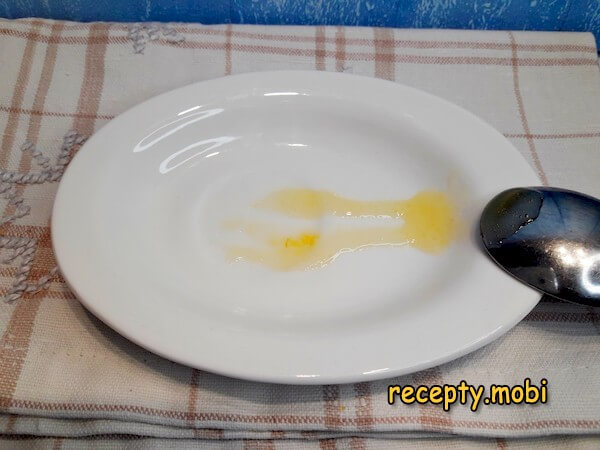
Doneness check: drop jam on chilled plate, draw spoon through. If lines stay separated (don't merge back), jam is ready. For thicker consistency: cook 5 more minutes. Note: hot jam looks runny; thickens dramatically over 24 hours.
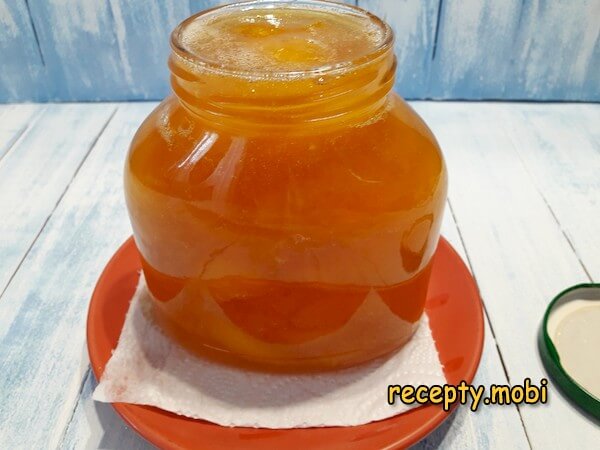
Fill sterilised jar with hot jam to the very top.
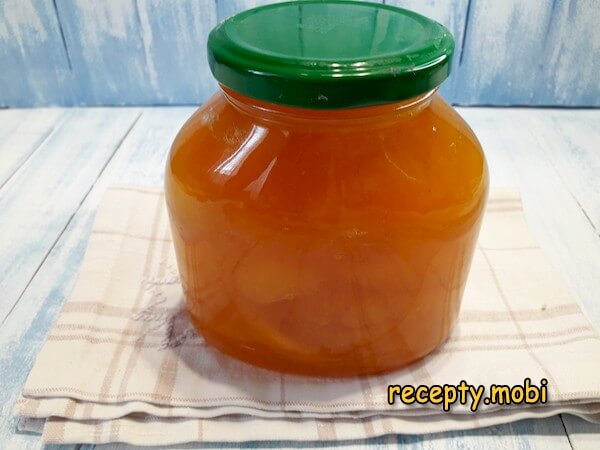
Lid screws on. Sealed jar cools naturally on counter.Apricot jam stores 2-3 years in cool place — the high sugar concentration plus citric acid plus heat-seal provides excellent preservation. The sealed structure preserves visible apricot pieces (more natural-looking than puréed jams). Use as cake filling, pastry filling, or simply spread on bread for tea-time.


Tips
- 1
THE 4-STAGE SUGAR ADDITION IS THE TECHNIQUE-DEFINING METHOD. Steps 6-12's staged sugar addition (4 × 125 g with 5-min boil between each) is what produces properly-thickened jam without long cooking. All-sugar-at-once dissolves and reduces the apricot pieces too quickly, producing puréed jam. Staged addition allows each portion to integrate while preserving fruit shape. Don't shortcut to single-stage; the 4-stage technique is the recipe.
- 2
THE PLATE TEST IS THE FOOLPROOF DONENESS CHECK. Step 14's chilled-plate-and-line test is the universal jam-set check. Hot jam continues to thicken significantly on cooling — plate-test correctly while hot, get perfect set when cold. The "lines don't merge" indicator is reliable across most jam types. Practice on small batches first if uncertain. For another apricot jam variation worth comparing, see Apricot Jam with Slices.
- 3
THE 1:1 FRUIT-SUGAR RATIO. The 500 g apricots : 500 g sugar (1:1) ratio is calibrated for proper preservation safety AND palatable sweetness. Less sugar = unsafe shelf storage; more sugar = inedibly sweet. The 1:1 ratio is standard for most fruit jams. For tarter apricots: stick to 1:1 (compensates the tartness). For very sweet apricots: can reduce to 1:0.8 — but then refrigerate-only storage required. Don't reduce sugar significantly without changing storage method.
- 4
CITRIC ACID IS NON-NEGOTIABLE FOR LONG STORAGE. The 1/3 tsp citric acid serves three functions: preservative (lowers pH below spoilage threshold), flavour brightener (apricots can be one-note-sweet otherwise), crystallization-prevention (sugar crystals don't form during multi-year storage). Skipping the citric acid produces jam that's safe for fridge storage but risky for long-term cupboard storage. Substitute: 1 tbsp lemon juice (similar effect plus subtle citrus note). Don't omit. For another pitted apricot jam worth trying, try Apricot Jam Without Pits for Winter.
FAQ
Why "no water" approach? +
Beyond the 2 tbsp anti-burn safety addition, no water is added because apricots release abundant juice during cooking — natural fruit syrup is what cooks the jam. Adding water dilutes the concentrated apricot flavour and produces thinner runnier result. The "no-water apricot jam" is a Russian-Slavic tradition specifically focused on concentrated fruit character. The 2 tbsp at the start prevents the bottom layer of apricots from burning before they release juice — once juice starts flowing, no more water is needed.
How long does it actually keep? +
Properly sealed sterilised jars at room temperature in a dark cupboard keep 2-3 years easily. Cool basement extends to 3-4 years. Once opened, transfer to fridge and use within 4-6 weeks. The colour darkens slightly over years (oxidation through the lid is normal); flavour intensifies with age. The longest-stored jars (3+ years) develop almost-honey-like depth. If you spot mould, fizzing, or bulging lids, discard the jar — properly preserved jam doesn't ferment.
Can I use frozen apricots? +
Yes, with technique adjustment. Frozen apricot halves (500 g, fully thawed and drained) work as substitute. Reduce the initial water (skip the 2 tbsp — frozen apricots release water during thaw, providing the anti-burn moisture). The result is nearly identical to fresh-apricot version. Don't try frozen-without-thaw — uneven cooking and texture issues. Thawing time: overnight in fridge for best texture preservation.
What pairs well with apricot jam? +
Universal: buttered toast, scones, croissants, plain yogurt, vanilla ice cream, oatmeal, cheese boards (especially with brie or sharp cheddar — apricot-cheddar is exceptional). Modern uses: glaze for roast chicken or duck (savoury-sweet pairing), filling for thumbprint cookies, swirled into cheesecake batter, between layers of vanilla sponge cake (classic Russian Napoleon-style cake filling), with strong espresso coffee, or in cocktails (apricot-jam-based whiskey sour). The bright concentrated apricot character works in countless applications.
- Comment
or post as a guest
Be the first to comment.