avg —
Baked White Fish in the Oven

Instructions
Cut the white fish into fillets, removing the spine and fins. Pat the fish fillets dry with kitchen towels. Dry surfaces produce better browning and absorb seasonings more effectively.
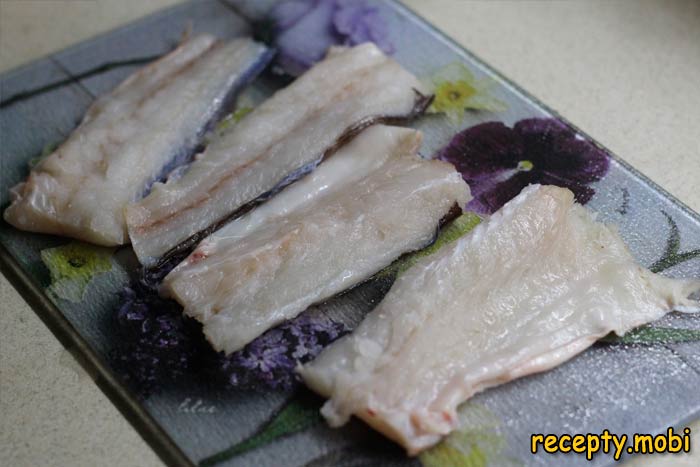
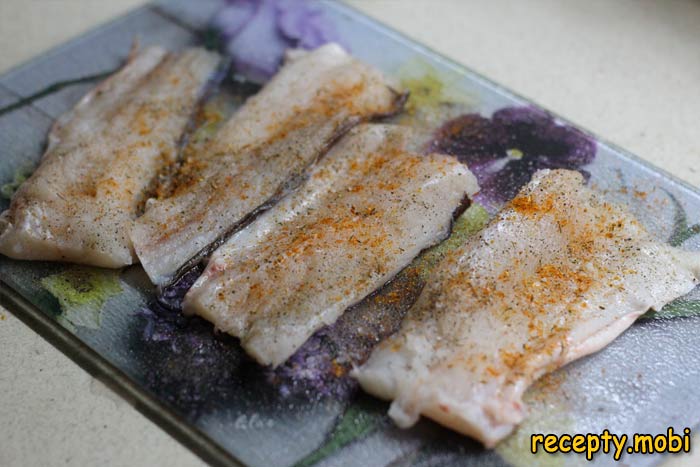
Salt the fish fillets, sprinkle with spices and ground black pepper. Light hand on seasoning — the delicate fish flavor should still shine through the spices.
Prepare the dressing from butter. Melt the butter, slightly cool it, and salt to taste. Add chopped parsley and dried granulated garlic to the butter for the aromatic herb-and-garlic finish.
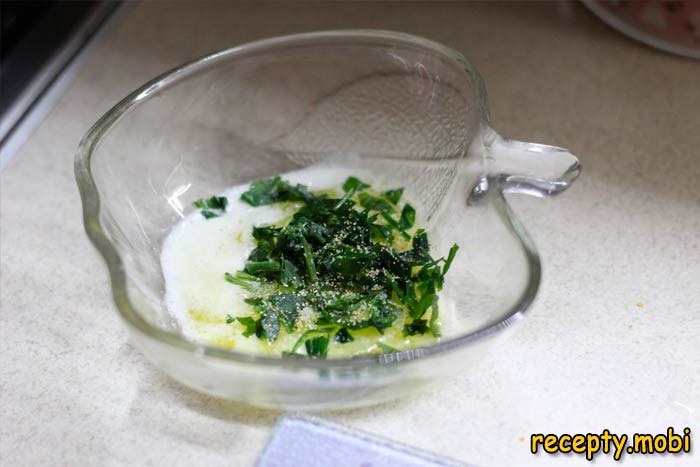
Lay the white fish fillet on parchment greased with olive oil. The parchment prevents sticking and makes serving and cleanup dramatically easier.
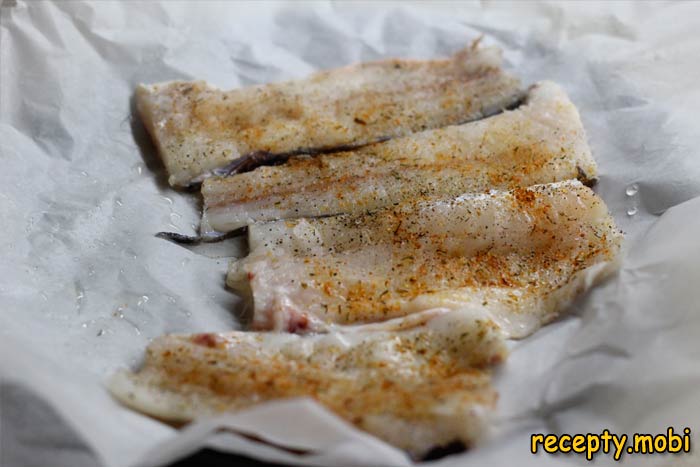
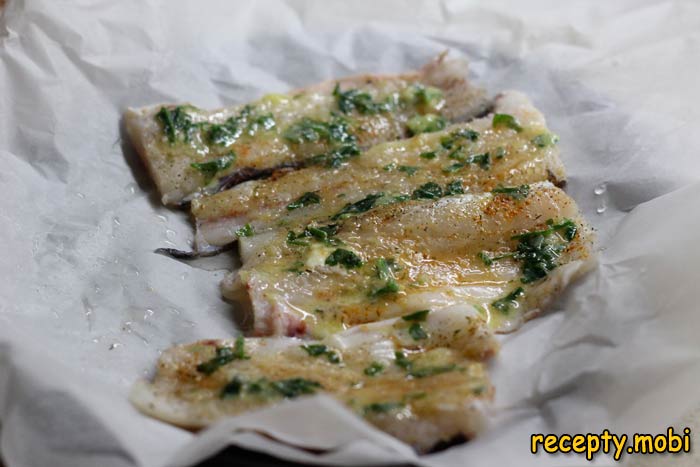
Drizzle the fish with the creamy dressing with parsley. Let the fillet sit and absorb the sauce for 10-15 minutes. Then send the prepared fish appetizer to a preheated oven. Bake the fish fillet under the creamy sauce in the oven at 170°C. Baking time is about 10 minutes.
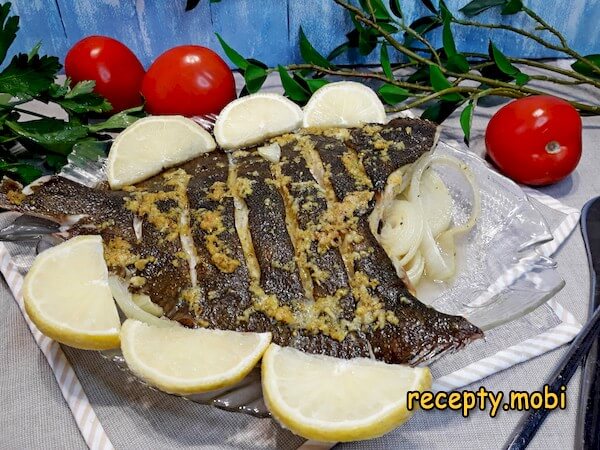
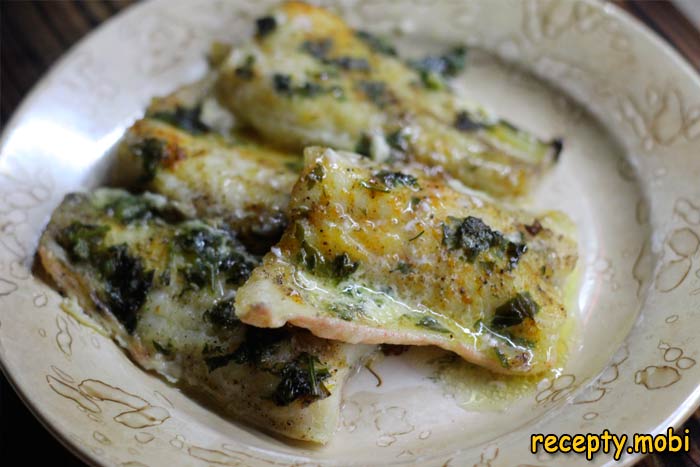
Place the aromatic fish fillet on a serving plate. Drizzle with creamy sauce and serve the hot fish appetizer at the table. Baked white fish is a hot fish appetizer with a pleasant spicy flavor and tender texture. The fillet turns out very juicy, aromatic, and melts in the mouth. With the creamy dressing and herbs, any lean fish becomes very juicy and tender. The dish is simple to prepare and quite budget-friendly — you can make it in just 20 minutes from prep to plate.


Tips
- 1
Choose the freshest white fish you can find. Fresh fish has firm flesh, mild clean smell, and clear bright eyes if buying whole. Cloudy eyes, soft flesh, or any fishy smell mean the fish is past its prime. Quality matters dramatically in simple preparations like this where the fish is the entire point. Buy from a trusted fishmonger and use the same day if possible.
- 2
Let the buttered fish rest 10-15 minutes before baking. The brief rest allows the seasoned butter to penetrate the surface of the fish and the salt to draw out any excess moisture. The result is more deeply flavored, evenly seasoned fish than rushing straight to the oven produces. The same patience pays off in whole baked trout in foil and other oven-baked fish dishes.
- 3
Do not overbake. White fish fillets cook quickly — 10 minutes at 170°C is plenty for fillets up to 2cm thick. Overcooked fish becomes dry and stringy. Check at 8 minutes by gently pressing the thickest part with a fork — the flesh should flake easily and look opaque throughout. The 2-minute timing window between perfect and overcooked rewards close attention.
- 4
Serve immediately for the best experience. Baked fish loses its juicy character within 10 minutes of leaving the oven as residual heat continues cooking and steam escapes. Time the rest of the meal so the fish hits the table fresh from the oven. Pair with crusty homemade bread for soaking up the buttery herb sauce.
FAQ
What kinds of white fish work in this recipe? +
Cod, hake, pollock, haddock, sole, tilapia, halibut, and sea bass all work beautifully with this technique. The mildly flavored white fillets share similar texture and benefit from the same butter-and-herb treatment. Each variety has its own subtle character but all produce excellent baked fish. Choose based on availability, price, and personal preference. The recipe forgives substitutions across the entire white-fish family.
Can I bake the fish in foil instead of parchment? +
Yes, foil works similarly with slightly different results. Foil traps more steam and produces moister fish; parchment allows some evaporation and produces fish with slightly drier surface and more concentrated flavor. Both methods produce excellent results — choose based on the texture you prefer. Foil also makes cleanup easier when you wrap fish individually for portion-controlled servings.
What sides go best with baked white fish? +
Light sides that complement rather than compete with the delicate fish work best. Boiled new potatoes with butter and dill, steamed asparagus, sauteed spinach, or a simple green salad all pair beautifully. Heavier starches like potato gratin or rice pilaf also work for hungrier appetites. A glass of crisp white wine like Sauvignon Blanc or unoaked Chardonnay completes the meal perfectly.
How can I tell when the fish is done? +
The flesh should flake easily when prodded with a fork at the thickest part. The internal temperature should reach 60-65°C measured with a meat thermometer. Visual cues include opaque color throughout (not translucent in the center) and clear juices seeping out at the cracks. When in doubt, pull the fish slightly early — it continues cooking from residual heat for a minute or two and ends up at perfect doneness.
- Comment
or post as a guest
Be the first to comment.