avg —
Bean Hummus

Instructions
Prepare ALL ingredients for bean hummus.
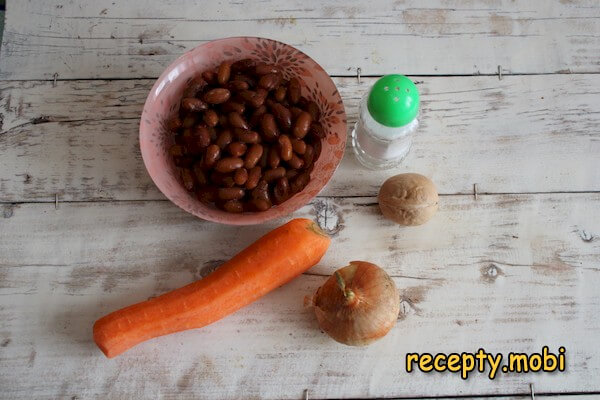
WHITE or RED beans both work. Rinse legumes; SOAK in HOT WATER OVERNIGHT.
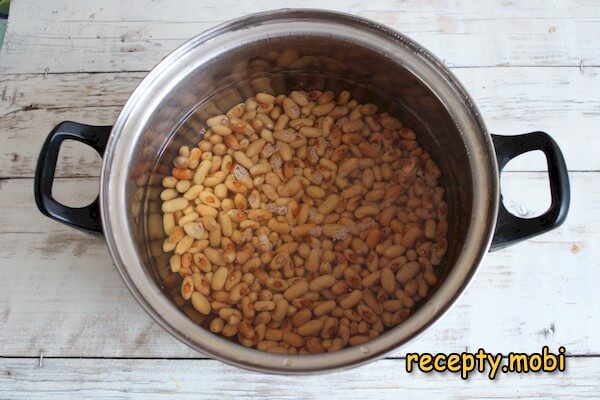
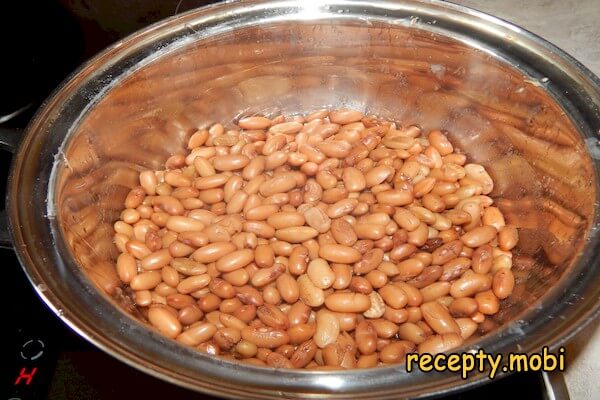
MORNING: change water; place on heat; BOIL 40 MIN with SALT. DRAIN liquid; LEAVE SOME BROTH in pot.
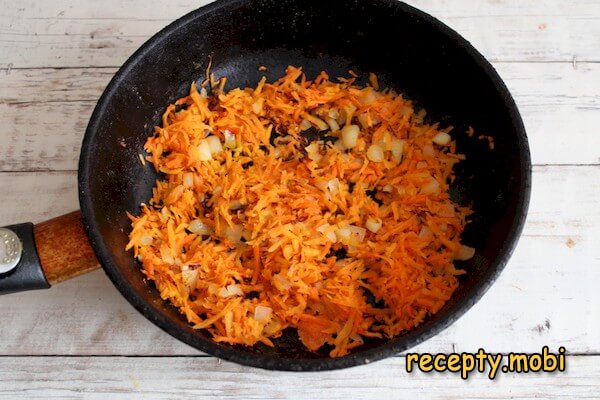
PEEL carrot + onion; GRATE carrot; finely CHOP onion. SAUTÉ vegetables in oil until GOLDEN BROWN.
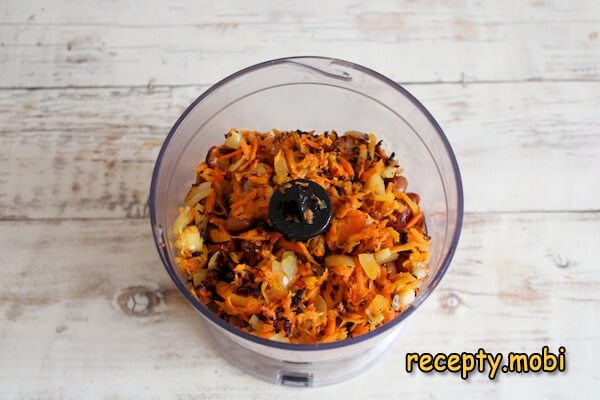
Place BEANS in BLENDER bowl; pour reserved BROTH (needed for paste-consistency, helps appliance work). Add SAUTÉED VEGETABLES; BLEND.
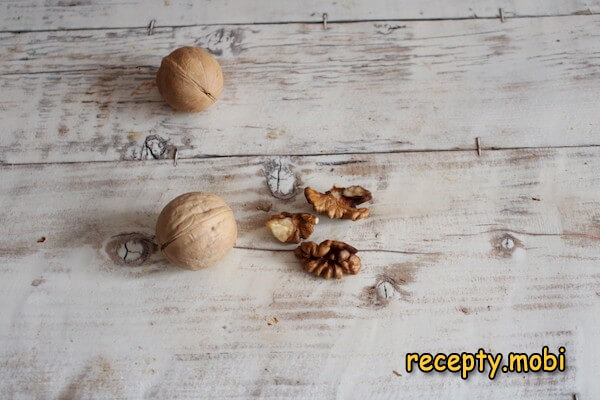
Add SPICES + WALNUTS; BLEND AGAIN.
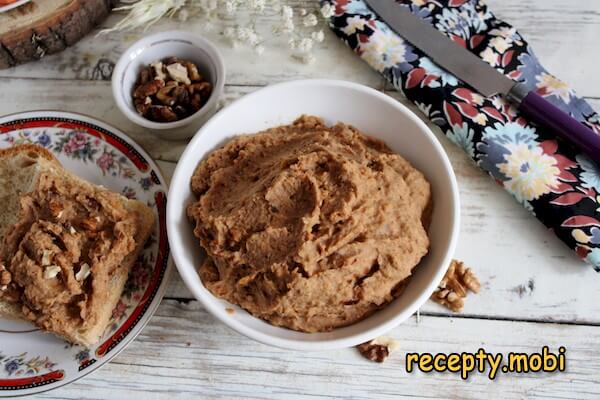
Homemade Bean Hummus ready. Bon appétit!


Tips
- 1
THE OVERNIGHT-HOT-WATER SOAK SCIENCE. Step 2's "soak in HOT water OVERNIGHT" is digestion-and-cook-time essential. WITHOUT soaking: beans require 2-3 hours boiling + cause significant DIGESTIVE-DISCOMFORT (raffinose-sugars not broken down). HOT-WATER overnight soak: rehydrates beans + breaks down raffinose-sugars + reduces cook-time to 40 min + DRAMATICALLY REDUCES gas-effects. The HOT-vs-cold water choice: hot accelerates rehydration vs cold needs longer time. Same overnight-soak principle: ALL dried-legume preparations (chickpeas, lentils, kidney-beans, black-beans). Pro-tip: if forgot overnight-soak, use QUICK-SOAK (boil 2 min + rest 1 hour); not as effective but works. The 200 G dry beans = ~500 g cooked = recipe-yield.
- 2
THE RESERVED-BROTH-FOR-CONSISTENCY. Step 5's "leave some broth in pot + pour into blender" is texture-essential. WITHOUT broth (just beans + vegetables in blender): blender can't process = stuck-paste + uneven texture. RESERVED BROTH (cooking-water from beans): adds liquid for blender-action + carries dissolved-bean-flavor + thickens to perfect paste-consistency as it cools. Better than ADDING fresh-water (loses flavor). Same cooking-liquid-reservation principle: Italian pasta-water in sauces, French risotto-broth-additions. Pro-tip: ADD BROTH gradually (start 1/4 cup) + adjust to desired thickness; can always add more, can't remove. For another classic vegan-friendly preparation worth trying, try Homemade Tartar Sauce.
- 3
THE WALNUT-INSTEAD-OF-TAHINI VARIATION. Traditional MIDDLE-EASTERN HUMMUS uses TAHINI (sesame-paste) for nutty-richness. THIS RECIPE'S WALNUTS substitute: similar nutty-character + protein-boost + locally-accessible (vs imported tahini) + Russian-pantry-friendly. The 30 G WALNUTS amount: substantial flavor without overwhelming bean-base. RUSSIAN-FUSION adaptation: classic Lebanese-hummus principle + locally-available Russian-walnut tradition. Same nut-paste-substitution principle: pesto variations (pine-nuts vs walnuts vs almonds), all nut-based-paste preparations. Pro-tip: TOAST walnuts briefly before adding = deeper flavor; raw works fine. AVOID: rancid walnuts (taste rancid in finished hummus).
- 4
THE SAUTÉED-VEGETABLE FLAVOR-BUILDING. Step 4's "sauté vegetables until golden brown" is flavor-essential addition. STANDARD HUMMUS: just chickpeas + tahini + lemon + garlic = simple. THIS RECIPE'S SAUTÉED-VEGETABLES (carrot + onion): adds sweetness + caramelized-aromatic-depth + nutritional-boost + makes hummus more substantial-meal-component. The GOLDEN-BROWN target: Maillard-reaction = max flavor-development. Same vegetable-base-building principle: French mirepoix, Italian soffritto, Indian curry-bases. Pro-tip: MEDIUM heat for slow-caramelization; HIGH heat = burning. The CARROT contribution: natural-sweetness balances bean-earthiness. For another classic legume-based preparation worth trying, try Bean Salad with Korean Carrots.
FAQ
White vs red beans? +
BOTH work — recipe explicitly notes either. WHITE beans (cannellini, navy, great-northern): MILDER flavor + smoother creamy-texture + lighter color = closer to traditional-chickpea-hummus appearance. RED beans (kidney, pinto, adzuki): BOLDER earthier flavor + slightly-firmer texture + reddish-brown color (visually different but tasty). The CHOICE depends on availability + preference. SUBSTITUTES: actual chickpeas (traditional Lebanese, swap directly), black-beans (Latin-fusion variation), lentils (faster-cook alternative, no overnight-soak needed). Pro-tip: WHITE beans for traditional-hummus-look; RED for hearty-meal-version. Mixed-bean version also works (combine for color + complex-flavor).
Why "Lebanese cuisine"? +
Recipe LISTED as Lebanese cuisine due to HUMMUS origin: traditional MIDDLE-EASTERN spread from Lebanon/Levant region. AUTHENTIC LEBANESE HUMMUS: chickpeas + tahini + lemon-juice + garlic + olive-oil = canonical recipe. THIS RECIPE: BEAN-substitute version with walnuts (Russian-fusion adaptation) — borrows Lebanese-tradition technique + cultural-attribution. Same cultural-attribution principle: many fusion-recipes credit origin-cuisine even with adaptations (Indian-fusion uses Indian-spices, Italian-fusion uses pasta-techniques). Pro-tip: for AUTHENTIC Lebanese-style: use chickpeas + tahini + add 1 tbsp lemon-juice + 1 garlic-clove + drizzle olive-oil at serving. Both versions delicious + culturally-meaningful.
How to serve hummus? +
VERSATILE serving applications. CLASSIC: spread on flat-bread (pita), sandwich-spread, dipping-sauce. SNACK: vegetable-crudités (carrots, celery, cucumber, peppers) for dipping. SIDE: with grilled-meats, fish-dishes, falafel. SALAD ADDITION: dollop on top of fresh-salads. WRAP-FILLING: with vegetables + greens in tortilla/pita. APPETIZER PRESENTATION: bowl + drizzle olive-oil + sprinkle paprika + chopped parsley + few whole-cooked-beans on top. Drink-pairing: Mediterranean wines, mint-tea, fresh lemonade. Pro-tip: ROOM-TEMPERATURE serving = best flavor (cold mutes-flavors). RUSSIAN-table use: as part of zakuski-spread (cold appetizers).
How long does it keep? +
Refrigerated covered: 5 days at peak quality. Day 1-3: peak fresh-blended character + bright flavors. Day 4-5: still good but slight thickening (add water/oil to refresh). Day 6+: NOT recommended (off-flavors develop). FREEZER: works adequately (2 months) — freeze in portions (small jars/cups), thaw refrigerator overnight + stir to recombine. Pro-tip: surface develops slight DARKNESS during storage (oxidation, normal); stir before serving. STORAGE TIP: drizzle thin layer of oil on top before refrigerating = creates seal preventing oxidation. The MAKE-AHEAD friendly = perfect for meal-prep. Russian-families: weekend-batch + week-of-snacks strategy.
- Comment
or post as a guest
Be the first to comment.