avg —
Beef Pilaf in a Skillet

Instructions
Wash the meat and cut it into small pieces.
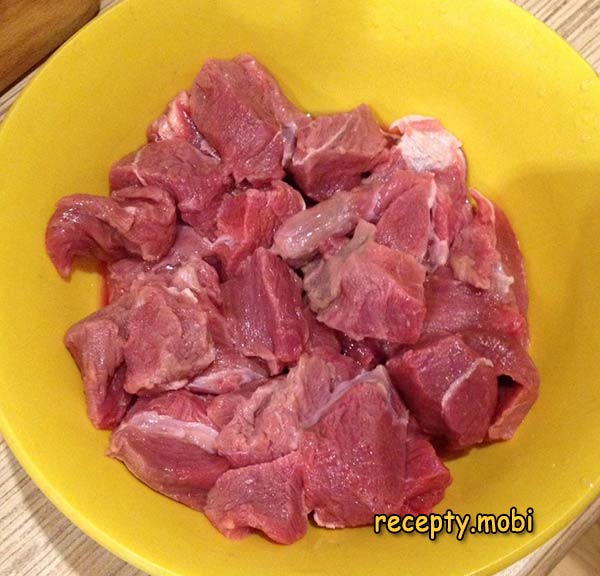
Place the chopped beef in a preheated skillet with oil, sauté over medium heat for about 15 minutes, stirring occasionally.
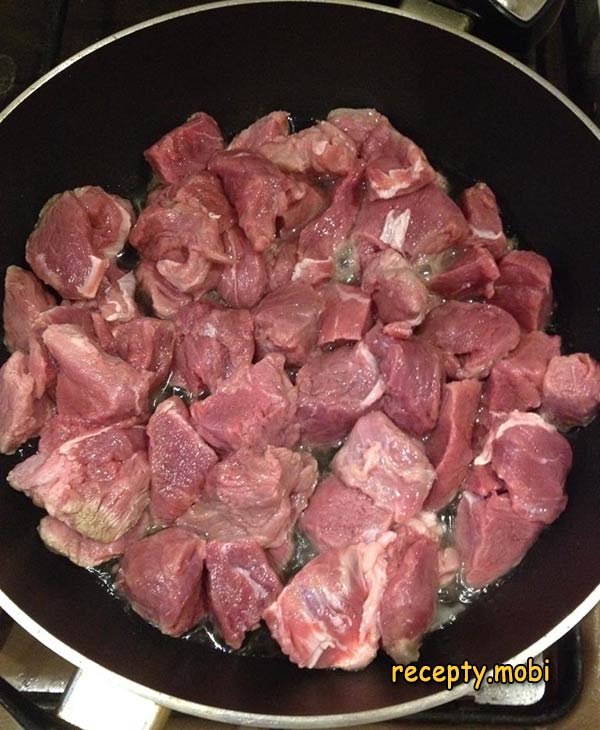
Add enough water to completely cover the contents. Cover with a lid, simmer for about an hour, stirring periodically. Watch the amount of liquid so that the meat doesn't burn.
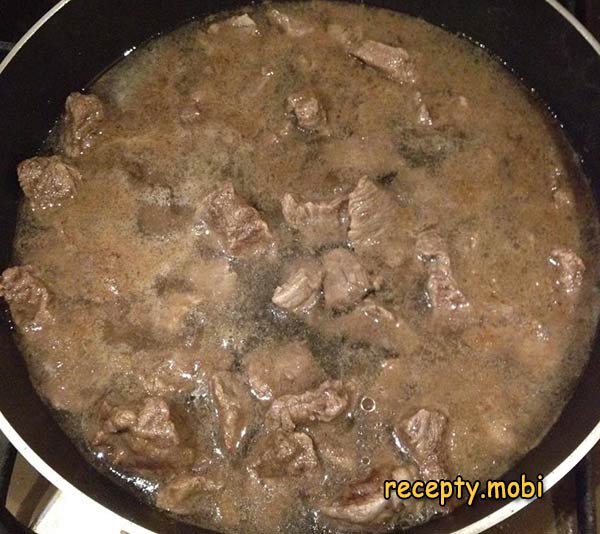
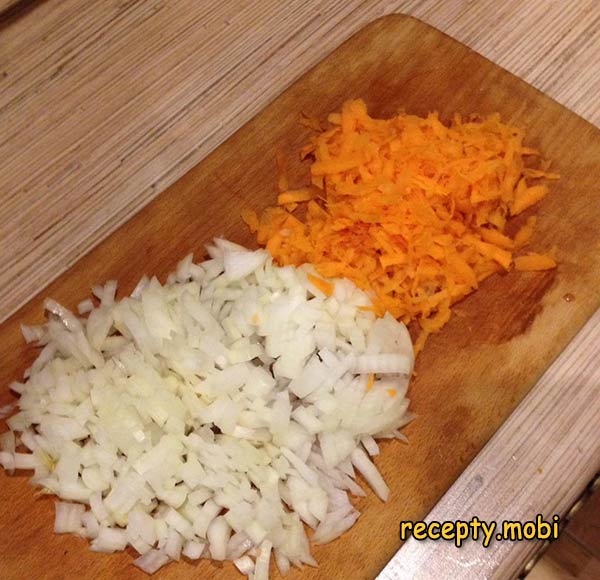
Meanwhile, finely chop the onion and grate the carrot on a coarse grater.
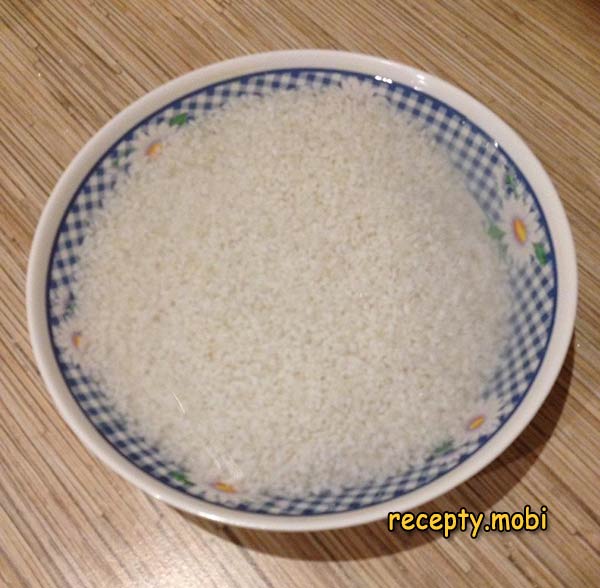
Rinse the rice thoroughly under cold water, at least 8 times until completely transparent for proper finished separated grains.
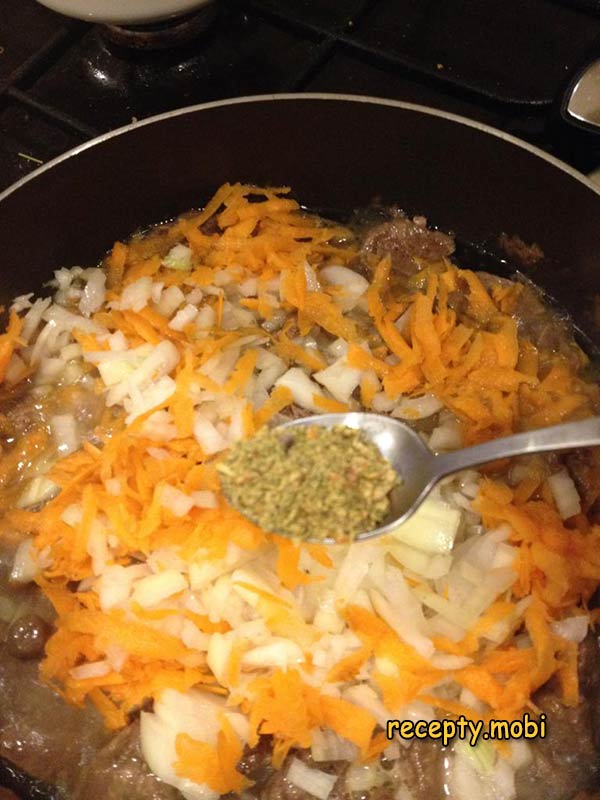
Now add the vegetables to the skillet, salt with 0.75 teaspoon, add spices, and continue to simmer for another 10 minutes.
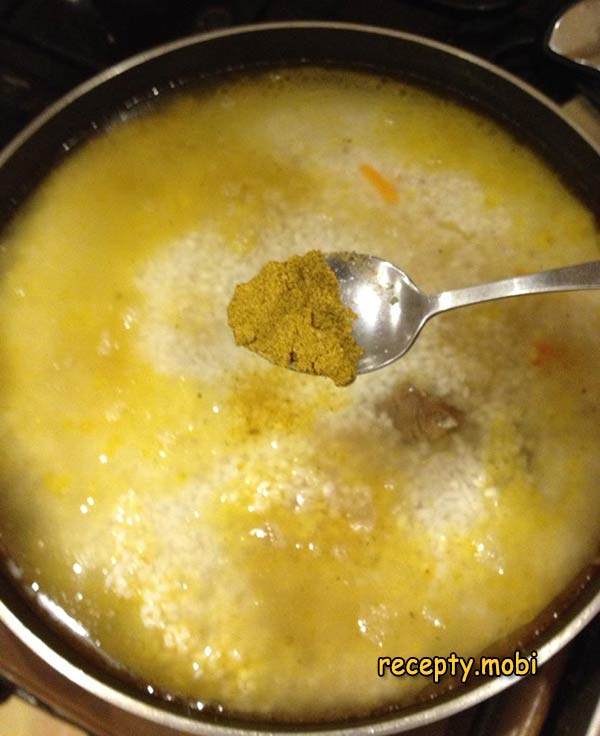
Add the rice to the meat, add 2 teaspoons of salt and seasoning for pilaf to taste.
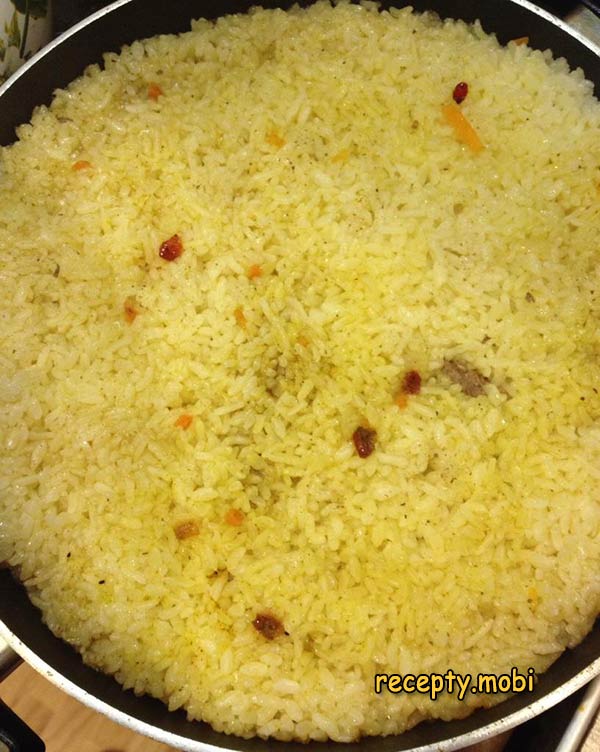
Pour in two cups of boiling water, cover tightly with a lid, and WITHOUT stirring, wait about 20 minutes until all the liquid evaporates over low heat. Everything is ready! Now a hearty, fragrant, and delicious beef pilaf cooked in a skillet will also appear on your table. Enjoy your meal!


Tips
- 1
Use boneless beef (chuck, shoulder, or shin) for the best finished tender pilaf results. Tough sinewy cuts produce chewy inferior results; properly tender beef cuts produce the proper signature melt-in-mouth character authentic to traditional Uzbek-Russian pilaf preparations. Pre-trim excess fat for cleaner finished broth. The beef quality matters more than home cooks typically realize for finished pilaf quality and overall family-meal success consistently across batches reliably across various Central Asian cooking occasions throughout the year for proper traditional results.
- 2
Rinse rice 8 times until water runs clear for proper finished separated grains. Skipping the thorough rinse step produces sticky clumpy results; properly clear-water-rinsed rice produces the proper signature separated grain character authentic to traditional pilaf preparations. The same thorough-rinse principle elevates many rice preparations including pilaf with barberries and cumin and similar Central Asian pilaf preparations across various traditional Eastern culinary occasions throughout the year reliably.
- 3
Do not stir rice after adding water for finished proper texture. Stirring after liquid addition produces sticky uneven cooking; properly undisturbed rice produces the proper signature evenly-cooked separated character authentic to traditional Central Asian pilaf preparations. The patient undisturbed-cooking principle pays back significantly in finished pilaf-quality consistently across batches and various Central Asian preparations throughout the year for proper traditional results worth showcasing reliably across various Eastern entertaining occasions throughout the year for proper home-cooking results.
- 4
Pair the finished beef pilaf with traditional Central Asian accompaniments for proper presentation. Garnish with fresh herbs (cilantro, parsley), alongside fresh vegetable salad, with green tea, yogurt-cucumber sauce, or with pickled vegetables for proper finished family-meal applications. Pair with crusty homemade bread for substantial dinner spreads, alongside hot black tea for traditional Central Asian accompaniment, or with red wine for elegant family meal presentations worth showcasing.
FAQ
Can I use other rice varieties? +
Yes, long-grain parboiled rice, basmati, or jasmine all work as substitutes producing distinct character. Each rice produces distinct character: round-grain is most traditional Uzbek-Russian-style and starchy, basmati is most aromatic and fluffy, jasmine is most fragrant, long-grain parboiled is most consistent and forgiving. Adjust water ratio slightly — basmati needs 1:1.5, round-grain needs 1:2. Choose based on preference and availability for proper finished pilaf variations consistently throughout the year reliably.
How long does beef pilaf keep? +
Stored covered in the refrigerator, the pilaf keeps for 3-4 days at peak quality. The flavors meld and improve over the first 24 hours as components marry beautifully. Reheat gently with splash of water as rice continues to absorb liquid. The pilaf freezes well for up to 2 months — thaw in refrigerator overnight before reheating. Best consumed within 3 days for the brightest most appealing finished results across multiple meal applications throughout the year reliably.
Can I use other meat? +
Yes, lamb, pork, chicken, or even game meats all work as substitutes producing distinct character. Each meat produces distinct character: beef is most economical and balanced, lamb is most traditional Uzbek-style, pork is most universally appealing, chicken is leanest and fastest cooking, game is most upscale. Adjust cooking time accordingly — chicken needs only 30-40 minutes, lamb requires similar to beef. Choose based on personal preference for proper finished variations consistently throughout the year reliably.
Why is my pilaf mushy? +
Three usual causes: insufficient rice rinsing (rinse 8 times until clear), too much water (use exact 1:2 ratio for round-grain), or stirring after adding water (don't stir during final cooking). Address proper thorough rinsing, exact water ratio, and undisturbed cooking for consistently fluffy results. The combination of proper rinsing, correct water, and undisturbed cooking produces dramatic texture-quality reliably across various Central Asian pilaf preparation sessions throughout the year for proper traditional results consistently.
- Comment
or post as a guest
Be the first to comment.