avg —
Blueberry Compote for Winter (for a 3-liter jar)

Instructions
I select high-quality fresh blueberries. Firm berries, no mould, no soft spots. Rinse gently under running water (high-pressure water damages delicate berries), let drain on towel.
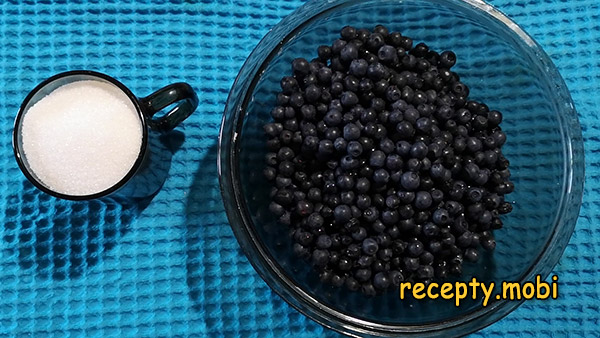
Sterilise a 3-liter jar for long-term storage. After sterilisation, the dry clean blueberries fill the jar.
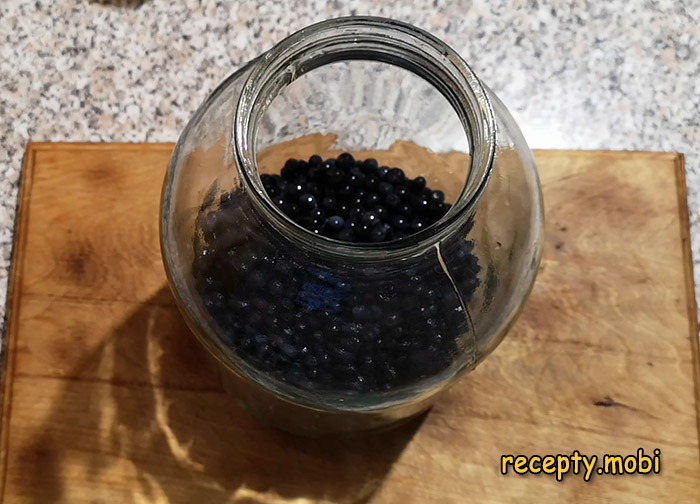
Boiling water pours over the blueberries to the very top of the jar.
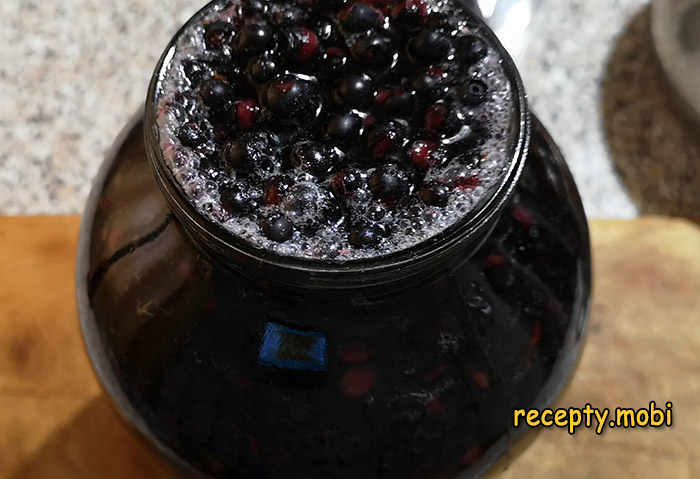
Sterilised metal lid covers loosely. Berries steep 10-15 minutes — pre-warm phase that opens berry cells for proper flavour extraction.
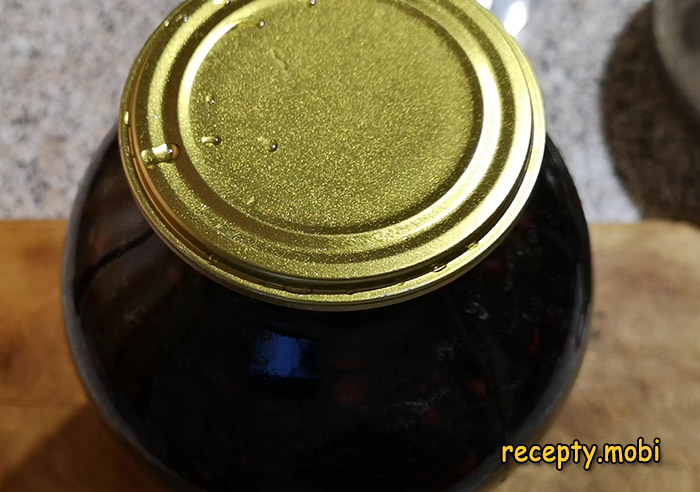
Using a draining lid (special lid with holes), I pour the liquid into a pot — keeping berries in the jar.
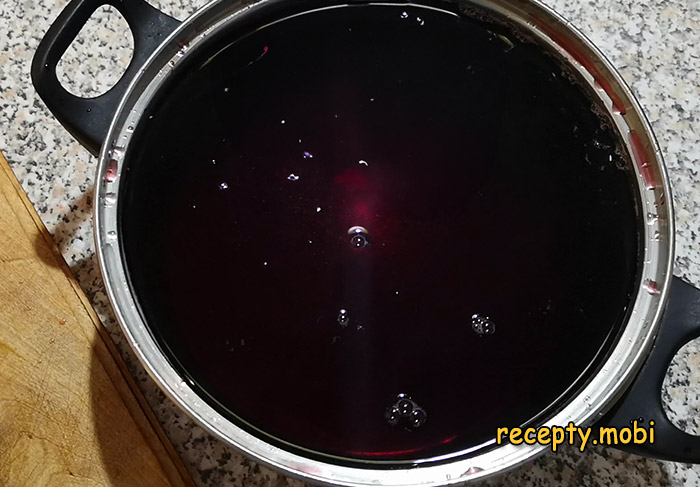
Liquid pot onto stove, bring back to boil.
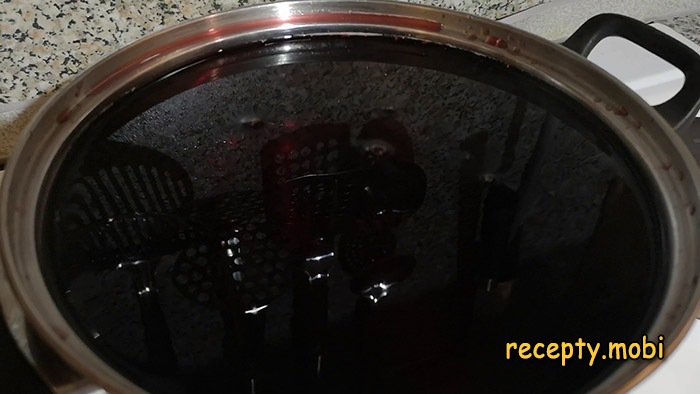
All 200 g sugar adds to the jar with blueberries.
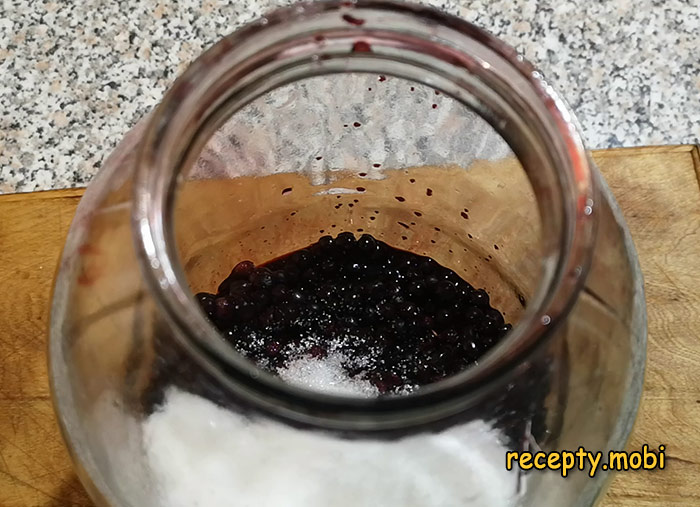
Boiling liquid pours back over berries+sugar. Seal jar tight.
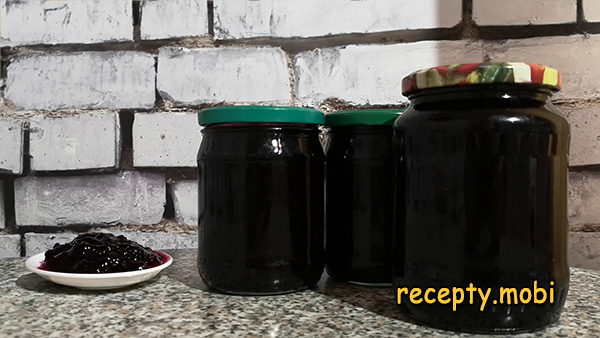
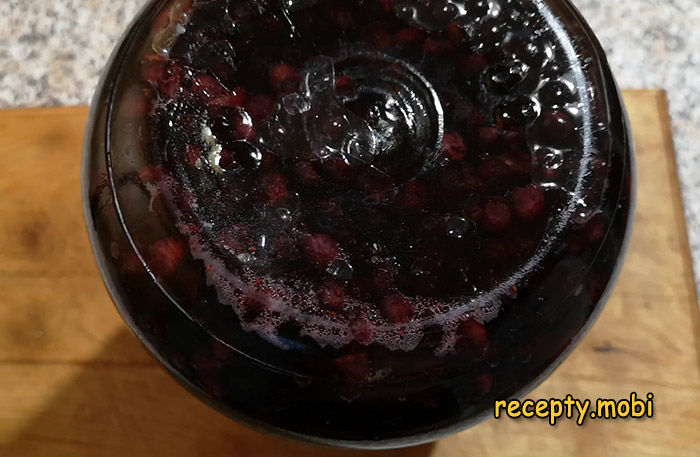
Jar inverts and slow-cools to room temperature.Blueberry compote for winter is ready. The drink is rich, refreshing, deeply purple-red. Serve chilled in summer-feeling glasses. Perfect for family evenings or guest-entertaining. The rehydrated berries inside the jar are also useful — strain after consuming the drink and use the berries in baking.


Tips
- 1
THE DOUBLE-POUR METHOD IS THE NO-STERILISATION SAFETY. Step 3-4's first pour pre-warms berries; step 5-8's drain-boil-return with sugar provides the heat-seal preservation. Single-pour methods don't pre-warm the berries adequately, leading to inconsistent results. The two-stage technique is universal across Russian compote tradition — same principle applies to cherry, raspberry, plum, mixed-fruit compotes.
- 2
THE 500:200 BERRY-SUGAR RATIO IS PROPORTIONAL. The 500 g berries : 200 g sugar : 3 L water ratio is calibrated for proper sweetness AND preservation safety. Less sugar = thinner-tasting compote that's also less safe; more sugar = syrupy heavy drink. The proportions are calibrated. Scale linearly: for 2 jars, double everything; for half-batch (1.5 L jar), halve everything. For another berry compote variation worth comparing, see Apricot Compote for Winter in a 3-Liter Jar.
- 3
THE DRAINING-LID TRICK. Step 5's special draining lid (a perforated jar lid that lets liquid out while retaining berries) is the practical tool for clean separation. Most Russian-Eastern European households have this; available cheaply online if not. Substitute: cover the jar mouth with a clean kitchen towel held in place, pour through (less convenient but works). Don't try to scoop berries out — they break up. The drain-and-pour method is the standard.
- 4
SERVE COMPOTE PROPERLY. Russian tradition serves compote chilled but not ice-cold (over-chilling masks flavour). Pour into a tall glass, drink straight or add a fresh-mint sprig for variety. The drained berries from the jar make excellent additions to: baked goods (muffins, scones), yogurt, oatmeal, ice cream toppings. Don't waste them. The whole jar (drink + berries) provides 2-3 days of family beverage + 1 baking application. For another pear-and-plum compote variation worth trying, try Pear and Plum Compote for Winter.
Video
FAQ
Why is the compote ratio mostly water? +
The 3 L jar contains: 500 g berries (~2 cups) + 200 g sugar (~1 cup) + ~2.5 L water = mostly water with concentrated berry-sugar flavour. This is the classic Russian compote formula — drink-style preserve with the goal of "berry-flavoured drink for winter" rather than concentrated jam. For more intense flavour, double the berries (1 kg per 3L jar). For lower-sugar versions, reduce sugar to 150 g but still use 3L water. The drink should taste pleasantly fruit-flavoured but not syrupy.
How long does it keep? +
Properly sealed sterilised jars at room temperature in a dark cupboard keep 12+ months. Cool basement extends to 18-24 months. Once opened, transfer to fridge and use within 1 week (the drink absorbs ambient flavours quickly). The colour deepens slightly over months but flavour stays excellent. If you spot mould, fizzing, or bulging lids, discard the jar.
Can I use frozen blueberries? +
Yes — frozen blueberries (500 g, fully thawed and drained) substitute for fresh. The thawed berries are softer and may break apart slightly during the boiling-water pour, producing a slightly more pulpy drink. Some prefer this; others prefer whole-berry clarity from fresh berries. Use fresh in summer/autumn, frozen in winter when fresh aren't available. Wild blueberries (smaller, more intense flavour) work but may need slightly more sugar (220 g instead of 200 g) due to higher acidity.
What other berries work in this recipe? +
The technique adapts universally. Best alternatives: blackcurrants (500 g, increase sugar to 250 g for tartness), raspberries (500 g, sugar stays at 200 g), strawberries (600 g, sugar 200 g — strawberries' lower water content means slightly more berries), cherries with pits (700 g per 3 L jar, sugar 250 g), plums (500 g halved-pitted, 250 g sugar). Mixed-berry compote works beautifully — combine 2-3 berry types in same jar at total weight 500 g. The base technique stays universal.
- Comment
or post as a guest
Be the first to comment.