Broccoli in batter in a frying pan
Broccoli in batter is a surprising, addictive way to serve this healthy vegetable — a crispy golden coating outside and tender florets inside, the kind of contrast that converts even the most determined broccoli skeptics. Break the broccoli into florets and blanch in salted water for 3-4 minutes so they soften slightly but keep their bright green color. The batter is simple — flour, eggs, milk, salt and seasonings, mixed to the consistency of thick cream. Dip each floret in the batter and fry in hot oil until golden and crispy on all sides. Serve as a vegetarian appetizer with garlic-yogurt dip or as a side for grilled meat. Proportions for one head of broccoli inside.

Broccoli in batter is the simple, surprisingly delicious vegetable side that transforms healthy broccoli into a snack-friendly battered finger food. Tender flesh stays slightly firm under crispy golden batter shell — the textural contrast is what makes this dish addictive. Pair with any dipping sauce — ranch, mayonnaise, ketchup, or sour cream-garlic — and even broccoli-skeptics enjoy this version. Light enough for snack, substantial enough for vegetarian dinner side.
Ingredients
Show ingredients
- 1 head of broccoli – 350 g;
- egg – 1 pc;
- salt – a pinch for the batter and 0.5 tbsp for boiling;
- paprika – 0.5 tsp;
- sour cream – 120 g;
- flour – 40 g.
Cooking
1. I prepare the ingredients. Sour cream of any fat percentage works; neutral-flavoured yogurt substitutes equally.
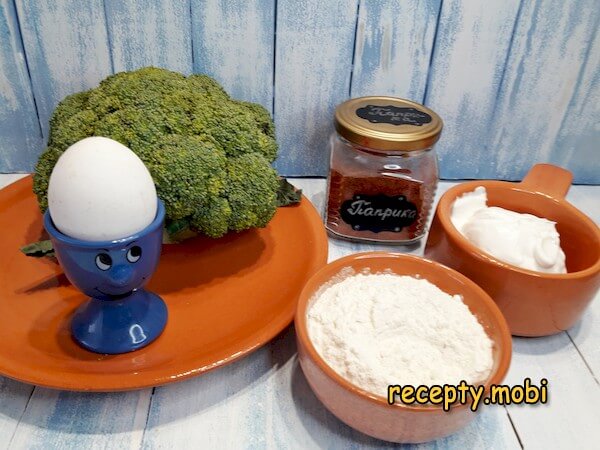
2. Bring water for boiling broccoli to a boil while prepping. Cut broccoli stem off, divide head into florets. Cut large florets into 2-3 pieces for uniform sizing.

3. Batter: egg cracks into a bowl, salt added.
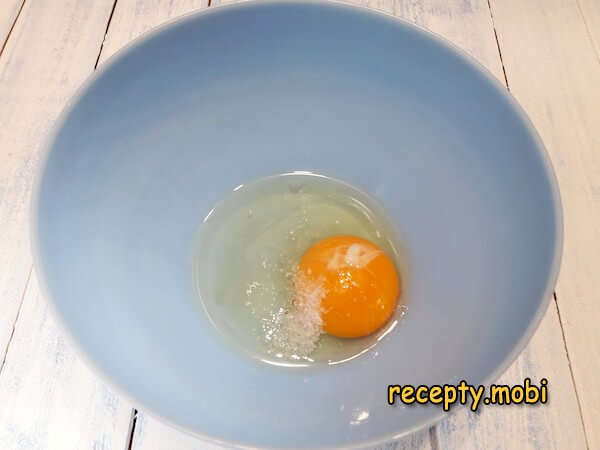
4. Paprika joins — adds colour AND flavour to the batter.
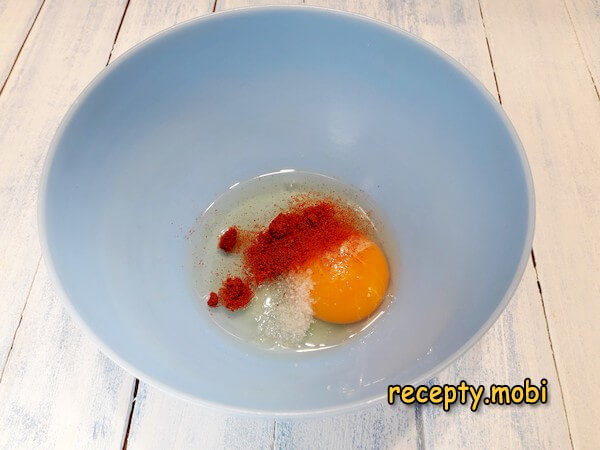
5. Sour cream adds in.
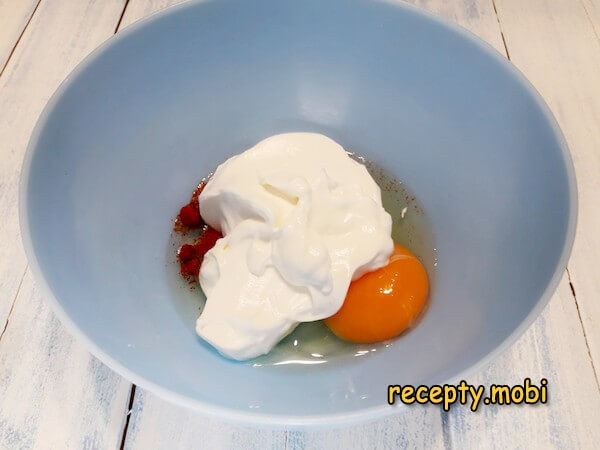
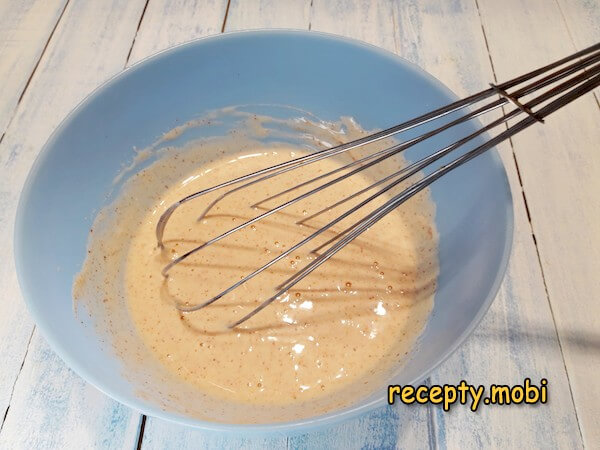
6. Mix everything to uniform consistency.
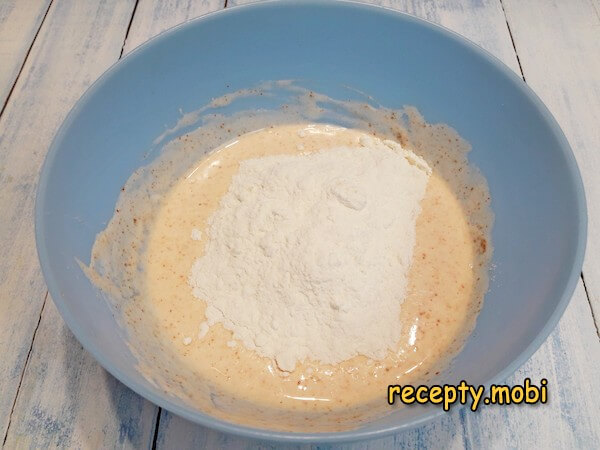
7. Sift flour into the bowl.
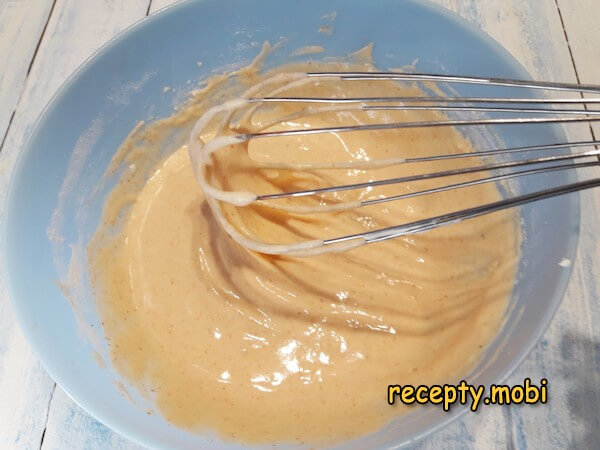
8. Whisk batter to medium-thick consistency — like thick sour cream. Different flours absorb differently; may need 1-2 extra teaspoons. Target: flows freely from a spoon (not too thick).
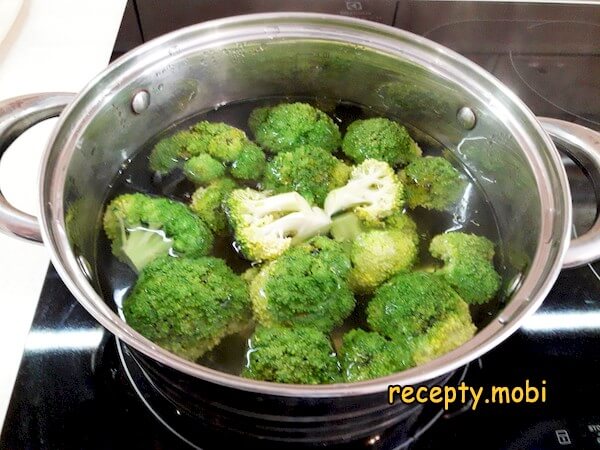
9. Salt the boiling water (0.5 tbsp). When water returns to boil after broccoli addition, time exactly 3 minutes.
10. Prepare ice-water bath. After 3-min boil, transfer broccoli with slotted spoon to ice water. Stops cooking instantly, keeps florets "al dente."
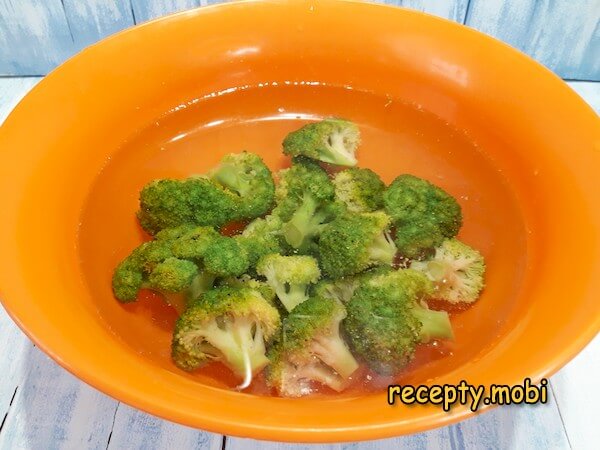
11. Drain broccoli in sieve to remove excess water.

12. Heat skillet with a little refined oil. Dip each floret into batter, fully coating.
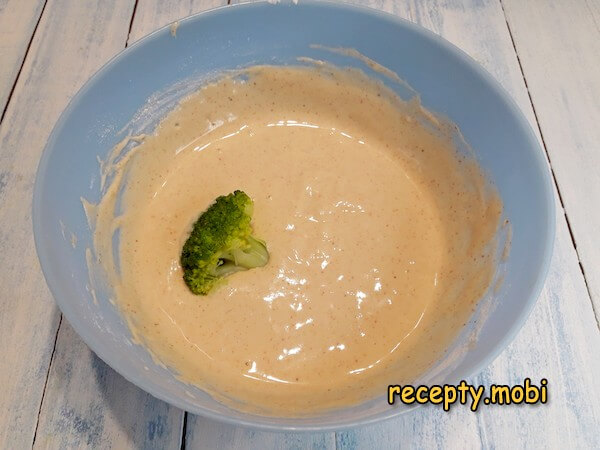
13. Battered florets transfer immediately to the hot pan.

14. When bottom browns, flip to an unbrowned side. Continue rotating until all sides are golden.

15. Browned florets transfer to paper towel for excess oil absorption.

16. Golden battered broccoli ready. Equally delicious hot or cold. Sour cream-mayonnaise-garlic-herb sauce on the side is the classic pairing. Healthy enough for dietary recipes; tasty enough for everyone to enjoy.

Try it, bon appétit!
Tips and Tricks
Tip 1. THE BLANCH-AND-SHOCK IS THE TEXTURE TECHNIQUE. Steps 9-10's boiling-then-ice-water sequence is what gives broccoli its perfect "al dente" crispness. Without the blanch, raw broccoli in batter cooks unevenly — over-fried outside, under-cooked inside. Without the ice-shock, residual heat continues cooking and produces mushy texture. Both stages are essential. The 3-minute boil is precise: less and broccoli is too raw; more and it's mushy.
Tip 2. THE BATTER CONSISTENCY IS THE FLAVOUR ANCHOR. Step 8's "thick sour cream" target is calibrated for proper coverage. Too thin: batter falls off florets, leaving bare spots. Too thick: batter clumps in heavy globs that won't crisp evenly. The flow-from-spoon test (should drop in a steady stream, not lump-by-lump) is the reliable check. Adjust flour 1-2 tsp at a time to nail the consistency. For another vegetable cutlet variation worth comparing, see Cabbage Cutlets from Raw Cabbage in a Frying Pan.
Tip 3. WHY SOUR CREAM IN THE BATTER. Sour cream gives the batter three things: tang (cuts through fried-oil heaviness), tenderness (lactic acid keeps batter delicate), and golden colour (lactose caramelises during frying). Plain water-egg-flour batter is functional but tastes flat compared to sour-cream version. Greek yogurt substitutes well; buttermilk works for tangier result; regular milk works but produces less character.
Tip 4. THE PERFECT DIPPING SAUCE. Sour cream + 1 minced garlic + chopped fresh dill + pinch of salt — the classic Russian-style dipping sauce that pairs perfectly with battered broccoli. Other excellent dips: ranch dressing (American), mayo + sriracha (spicy), tzatziki (Mediterranean), tartar sauce (with seafood-style notes). Avoid: heavy cream sauces (overload on richness), sweet sauces (clash with savoury fried broccoli). The sour-cream-garlic dip is the safest bet for first batch. For another eggplant-skillet variation worth trying, try Eggplants in Sour Cream with Garlic in a Frying Pan.
FAQ
Why blanch the broccoli first instead of frying raw?+
Raw broccoli florets need 8-10 minutes to fully cook through — by then, the batter would be deeply burnt. The pre-blanch (3 minutes) partially cooks the broccoli so the brief frying just crisps the batter and warms the broccoli through. Without pre-blanching, you'd have either raw broccoli in burnt batter, or completely overcooked everything. The blanch-then-fry technique is universal across many battered-vegetable recipes (cauliflower, zucchini, etc.).
Can I use other vegetables?+
Yes — the technique works beautifully for many vegetables. Best alternatives: cauliflower florets (identical preparation), zucchini slices (no blanch needed — slice thin, dip directly), eggplant rounds (salt-purge first to remove bitterness), mushroom caps (no blanch — clean and dip), bell pepper strips. Adjust pre-cook time per vegetable: dense vegetables need longer blanch (carrots 5 min), watery vegetables need none (mushrooms, zucchini). The batter recipe stays universal.
Can I bake instead of fry?+
Yes, with batter modification. For oven-baked battered broccoli: thin the batter slightly (add 1 tbsp water), use less flour (35 g instead of 40 g) for thinner coating, bake at 220 °C for 15-20 minutes on parchment-lined tray, flipping halfway. The result is acceptable but loses some of the crispy fried character. Air-fryer version (200 °C for 12 minutes, flipped halfway) gives result closer to fried texture without the oil. Both are healthier alternatives; pan-frying remains the gold standard for crisp result.
How do I store leftovers?+
Cooled battered broccoli keeps 2 days in fridge. Reheat methods: dry skillet over medium-low heat 3-4 minutes (best texture, restores crispness), oven at 180 °C for 8-10 minutes (works well), microwave (worst — produces soggy batter, only acceptable for emergency reheat). Don't freeze — batter texture suffers dramatically on thaw. The dish is best fresh; leftover quality is acceptable for next-day lunch but not great. Make smaller batches for freshness rather than large make-ahead batches.