avg —
Cabbage Soup with Beef

Instructions
I prepare the ingredients. You'll need 2.5 L water total. Beef on the bone (shoulder, ribs) produces dramatically richer broth than boneless cuts — the bones release gelatin and marrow flavour. Tomato paste substitute: 1 fresh tomato (chopped). Dried herb blend substitute: fresh dill + parsley + celery (handful chopped).
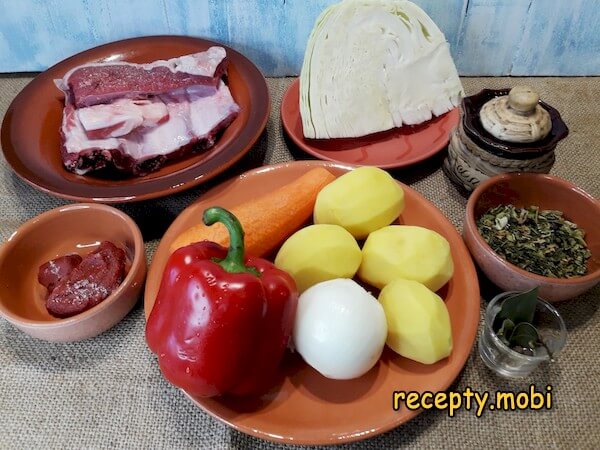
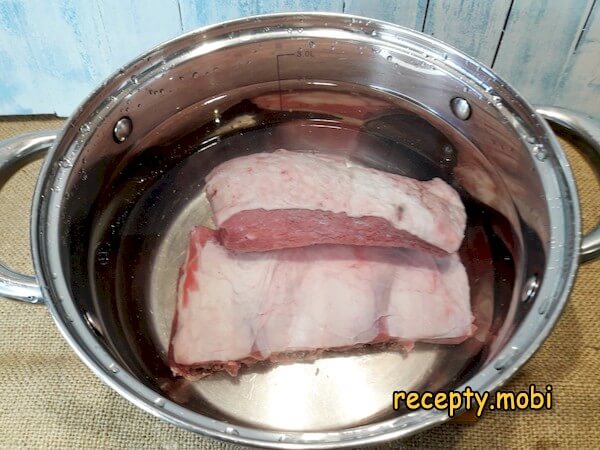
Rinse the beef thoroughly; check for and remove any small bone fragments. Place in a pot, cover with cold water, place on stove.
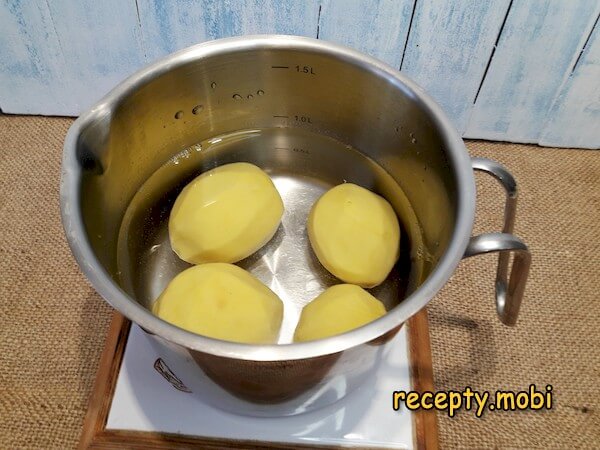
While broth heats and before foam forms, peel the potatoes. Submerge peeled potatoes in cold water to prevent oxidation.
As broth approaches boiling, foam (denatured proteins) forms on the surface. Reduce heat; skim foam continuously with a spoon. Skimming produces clear rich broth.
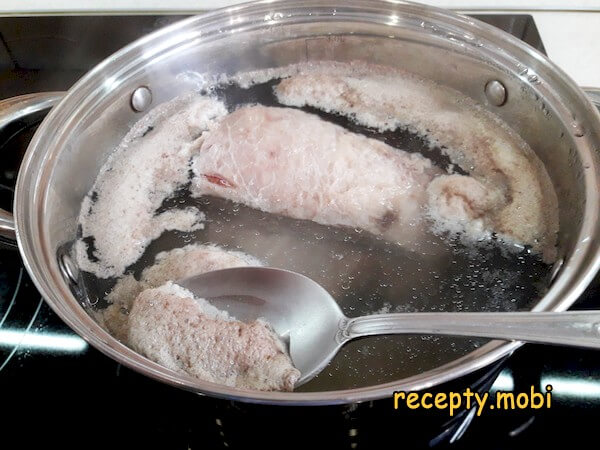
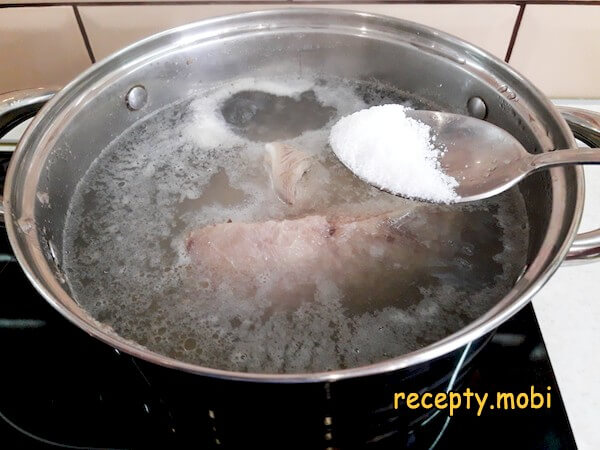
Add part (not all) of the salt. Cook 1.5 hours at gentle simmer — beef tenderises, broth deepens in flavour.
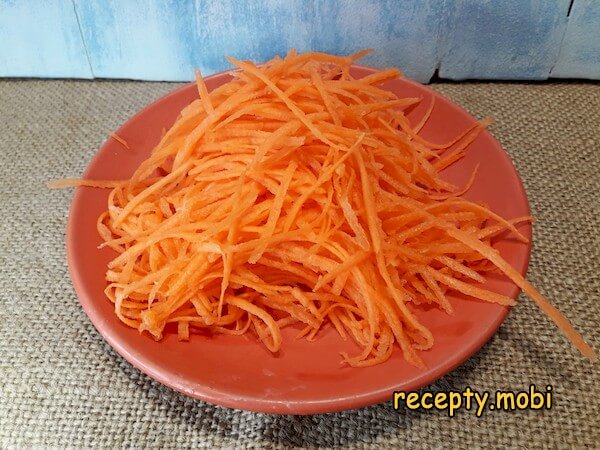
While broth simmers, prepare other ingredients. Grate HALF the carrot into long strips matching the shape of shredded cabbage (a Korean-carrot grater works perfectly).
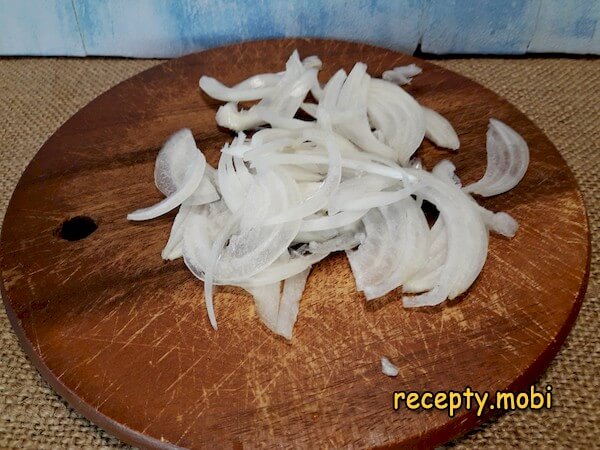
Slice HALF the onion into thin strips.
Add the OTHER half of the onion + OTHER half of the carrot (whole-piece, not grated) to the broth, along with bay leaf and allspice peppercorns. These will infuse aroma into the broth then be removed later.
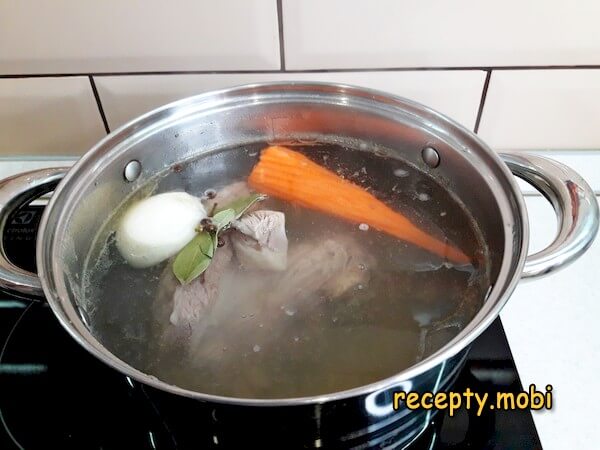
Cut the sweet bell pepper into long strips matching the cabbage cut.

In a small skillet, melt butter together with vegetable oil. The mixed-fat approach combines flavour (butter) with high smoke point (oil).
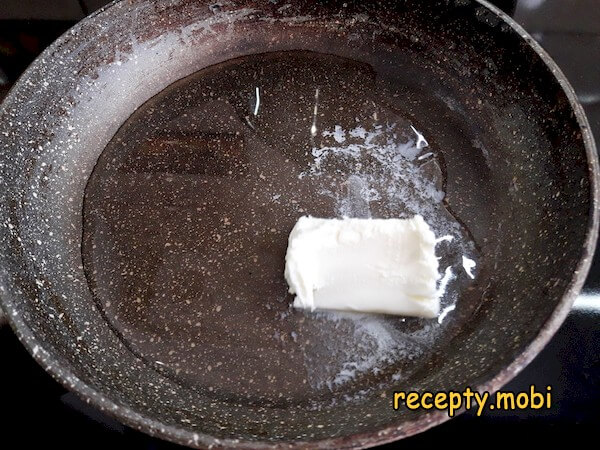
Add the sliced onion to the pan; sauté until translucent.
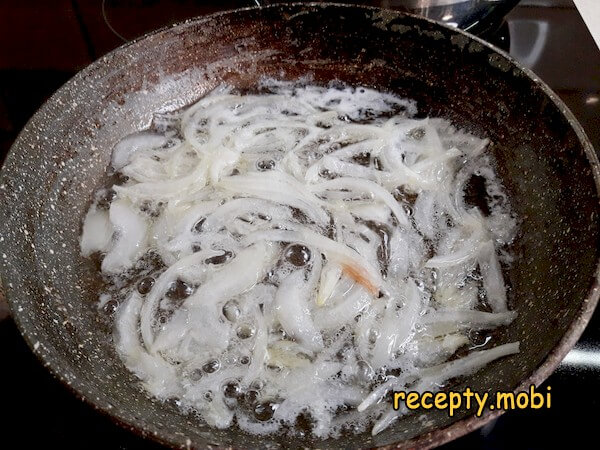
Add the grated carrot; sauté 1 minute.
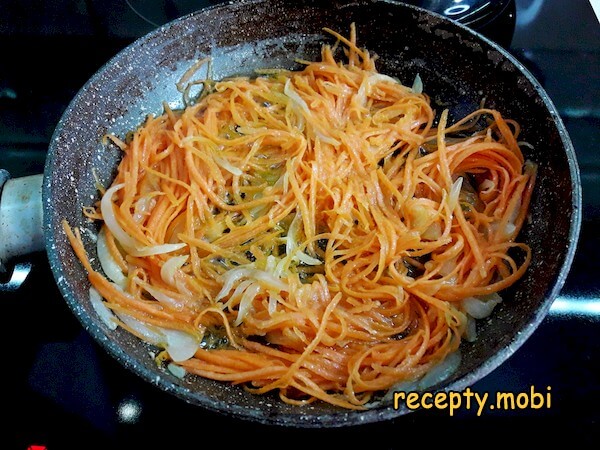
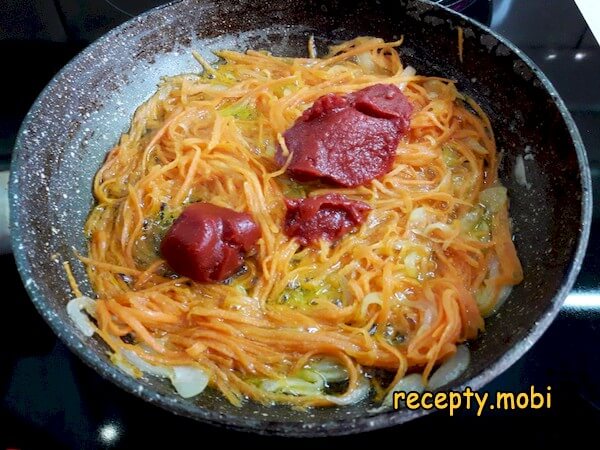
Add tomato paste; sauté 2 more minutes — the paste cooks slightly, removing raw acid notes and developing richer flavour.
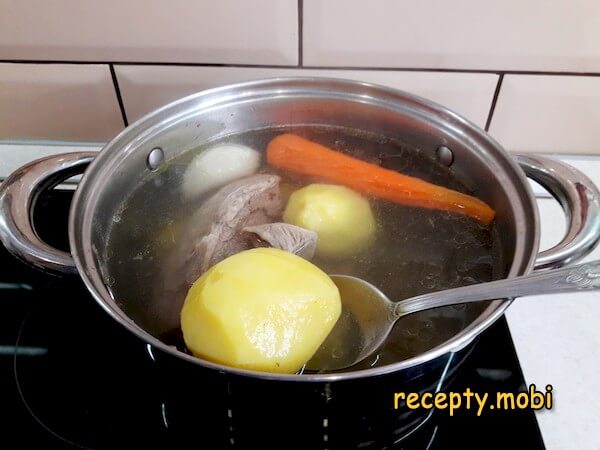
After the 1.5-hour beef cook, add WHOLE peeled potatoes to the broth. Cook 20 minutes until tender (test with knife tip).
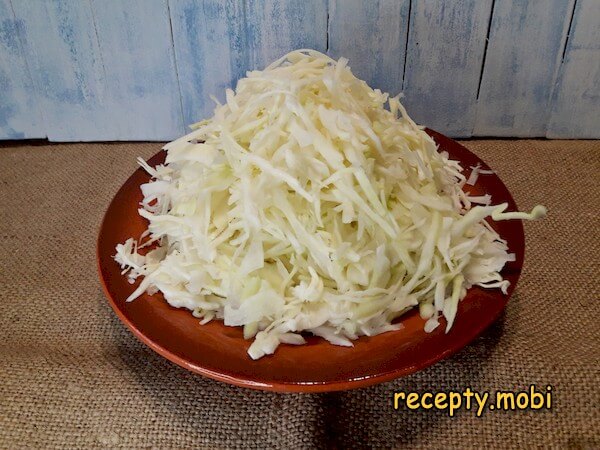
While potatoes cook, finely shred the cabbage.
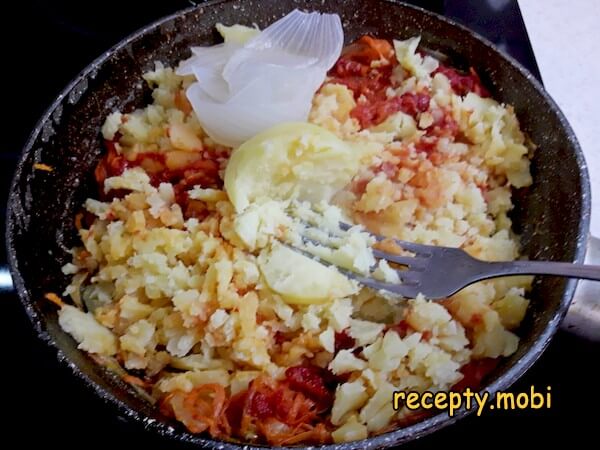
Transfer the cooked whole potatoes AND the broth-infused half-onion to the skillet with the sauté. MASH them together with a fork — produces a thick flavoured potato-vegetable paste.
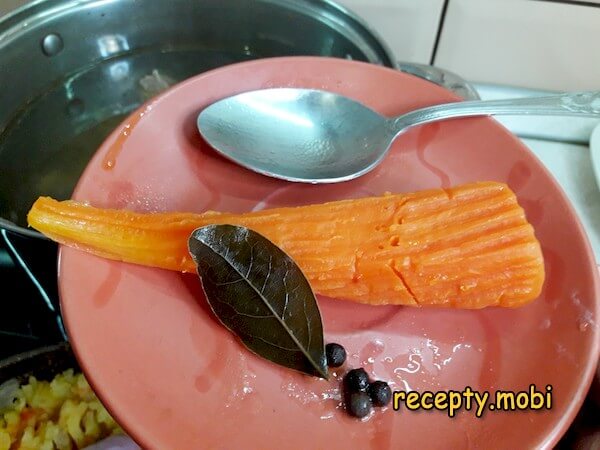
Remove the broth-half-carrot, bay leaf, and allspice peppercorns from the pot — they've done their flavour-infusion job; discard them.
Remove the beef from the broth; let cool slightly.
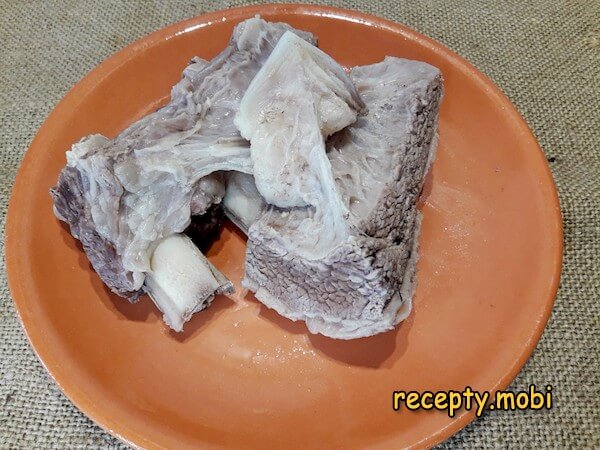
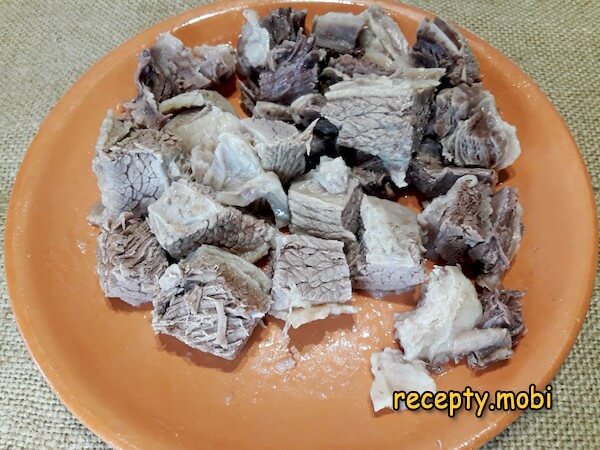
Remove all bones; cut the meat into bite-sized pieces.
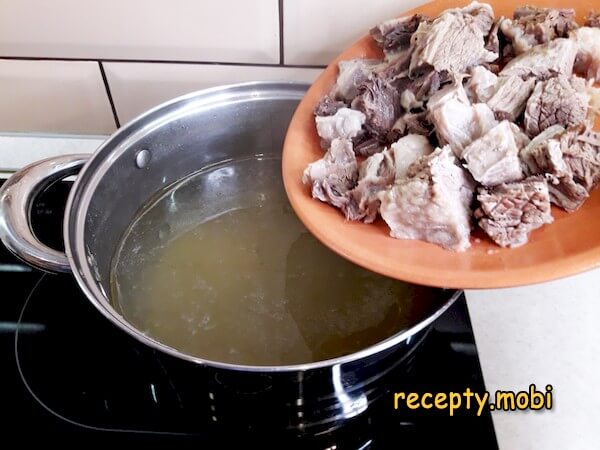
Return the meat pieces to the gently boiling broth.
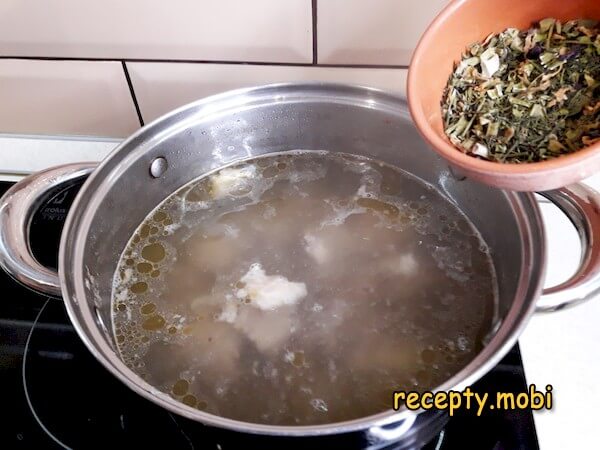
Add the dried herb blend.
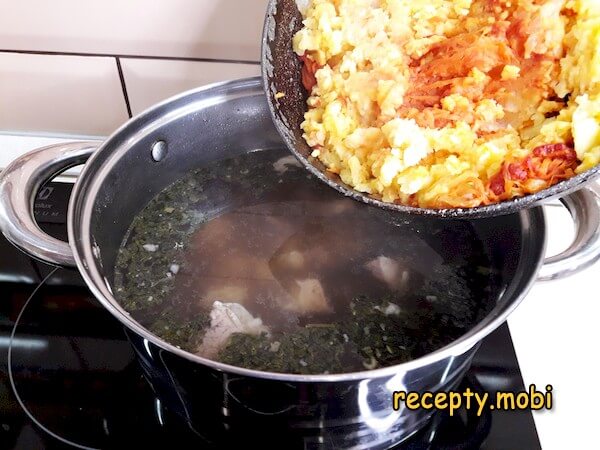
Add the mashed potato-sauté mixture from the skillet — instantly thickens the broth and adds the layered vegetable flavour.
Once the broth returns to boiling, add ALL the shredded cabbage.
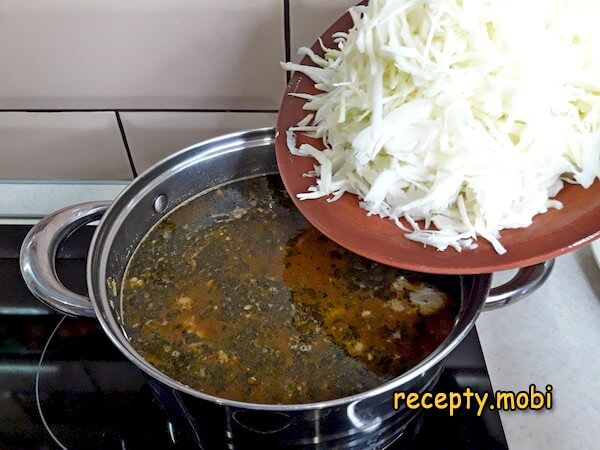
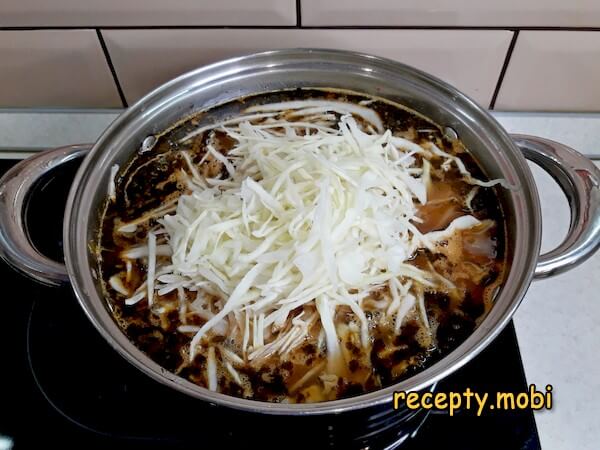
The cabbage volume seems excessive at first but reduces dramatically as it softens — within 2-3 minutes, the volume is appropriate.
Add the bell pepper strips for additional vegetable variety + colour.
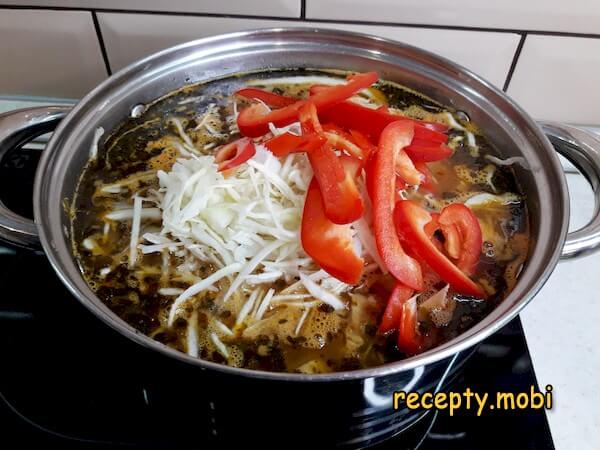
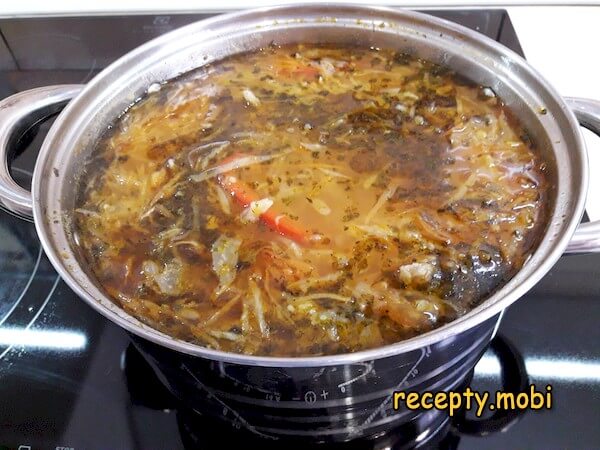
Boil 3-4 minutes only (preserves cabbage's slight crunch — don't overcook), then turn off heat. Cover and rest 10 minutes for flavour integration. The soup is ready.The fragrant hearty cabbage soup with beef is ready for the dining table. Serve HOT — distribute the meat pieces evenly across portions; add a dollop of sour cream to each bowl as desired (Russian tradition).


Tips
- 1
THE WHOLE-POTATO-THEN-MASH TECHNIQUE IS CLEVER. Step 14+16's "boil potatoes whole, then mash with sauté" approach is the recipe's distinctive feature. Standard method (cubed potatoes added to soup): produces visible potato chunks that absorb broth flavour but contribute minimally to body. This recipe's approach: whole-cooked potatoes mashed into the sauté distribute starch evenly through the broth (natural thickening) while merging with onion-carrot-tomato paste flavours into a savoury enrichment. The mashed-potato-and-sauté combination acts as a flavoured roux — thickening + flavour in one step.
- 2
THE HALF-AND-HALF ONION/CARROT IS DUAL ROLE. Steps 6-8's "half raw to broth, half sautéed in pan" approach uses each vegetable in two distinct ways. Broth-half: contributes background aroma during the long simmer (flavours the broth), then gets removed. Sauté-half: contributes browned-vegetable flavour to the final soup body. Single-direction (all to broth OR all to sauté) loses one of these flavour layers. The dual approach captures both. Same principle applies to many traditional soups (French onion, Vietnamese pho). For another cabbage soup variation worth comparing, see Cabbage Soup with Pork.
- 3
THE CABBAGE SLIGHT-CRUNCH PRESERVATION. Step 26's "boil 3-4 minutes only" is the precision technique that distinguishes proper shchi from over-cooked cabbage soup. Over-boiled cabbage (8-10 minutes) loses all texture, becomes stringy mush, releases excess sulphur compounds (off-flavour). Slightly-crunchy cabbage (3-4 minutes) retains identifiable bite, fresher flavour, brighter colour. The 10-minute covered rest after heat-off finishes the cooking gently without compromising texture. Don't extend the active boiling phase.
- 4
THE COLD-WATER BEEF START IS BROTH STRATEGY. Step 2's "cold water + beef on stove" instruction (vs hot-water start) extracts maximum flavour from the meat into the broth. Cold-water start: meat releases proteins and gelatin gradually as water heats — produces rich complex broth. Hot-water start: meat surface seals immediately, locking flavour inside the meat — produces bland broth + slightly more flavoured meat. For shchi, the broth is the dish's centerpiece; cold-water start is mandatory. For another cabbage soup variation with veal worth trying, try Cabbage Soup with Veal, Sauerkraut and Fresh Cabbage.
FAQ
What does "shchi" mean? +
"Shchi" (Russian: shchi) is the traditional Russian name for cabbage-based soup, dating back at least to 9th century Russian cuisine. The dish predates "borscht" by several centuries — historians consider shchi the foundational Russian peasant soup. Two main categories: "fresh shchi" (with fresh cabbage, this recipe's style) and "sour shchi" (with sauerkraut, more pungent flavour). Variations exist with different proteins: beef shchi (this recipe), pork shchi, lean shchi (vegetarian, common during religious fasts), fish shchi (rare regional). The word "shchi" appears in countless Russian proverbs and folk tales — the soup is genuinely embedded in Russian cultural identity.
What other meats work? +
Beef on the bone is the traditional and best choice. Substitutes that work: pork ribs (richer, fattier, slightly different character — increase to 700 g), veal shanks (more refined, slower cook), lamb shanks (Caucasian-influenced version, distinct flavour), beef oxtail (luxury version, premium broth quality). Lean cuts (boneless beef, chicken breast) produce inferior broth — the bones AND fat are what create the rich shchi character. For meatless shchi (Russian Lenten tradition): omit meat entirely, use mushroom broth as foundation, increase mushroom quantity for protein. Each variation has its loyal followers in Russian regional cooking.
Should I add sauerkraut for "sour shchi"? +
To make the sour version: replace fresh cabbage with sauerkraut (350 g drained). Other adjustments: skip the bell pepper (clashes with sauerkraut's acidity), reduce salt by 30% (sauerkraut is already salty), add 1 grated apple to the sauté (balances the acidity). Sour shchi has dramatically more pronounced flavour — pungent, tangy, deeply complex. It's traditionally consumed in winter when sauerkraut was the preserved cabbage available. Both versions are equally authentic; many Russian families have weekly rotation between fresh and sour. Sour shchi famously improves with overnight rest — best made the day before serving.
How long does it keep? +
Refrigerated, 4-5 days at peak quality. Russian tradition holds that shchi tastes BETTER on the second day — flavours integrate, broth deepens, meat absorbs more flavour. The cabbage softens slightly but doesn't go mushy. Reheat in a pot over medium heat with stirring; add 100 ml water if too thick. Don't microwave large portions. Freezing works adequately (3-month freezer life) but cabbage texture suffers. Cook a double batch and eat across the week.
- Comment
or post as a guest
Be the first to comment.