avg —
Cabbage Soup with Veal, Sauerkraut and Fresh Cabbage

Instructions
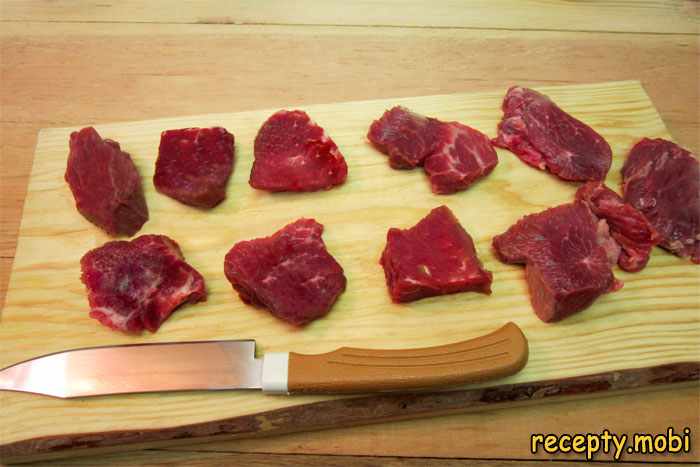
Cut the veal into medium-sized pieces, then pour 2.5 liters of water over it and cook the broth. Such meat usually cooks for about 1-1.5 hours (depending on its toughness).
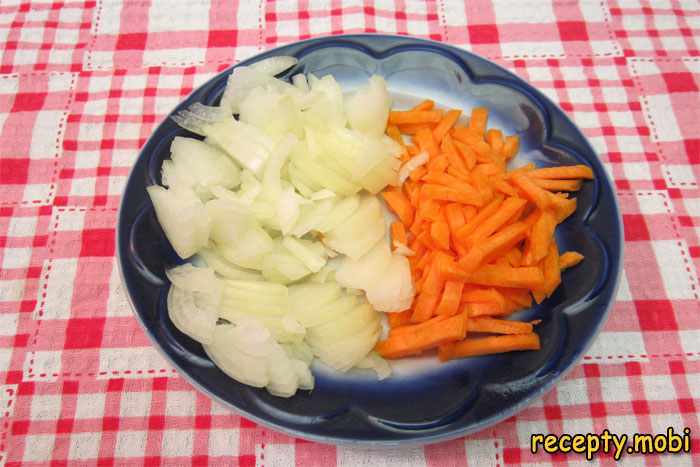
While the broth is cooking, you can prepare the vegetables. Dice the onion, cut the carrot into sticks for proper finished aromatic foundation.
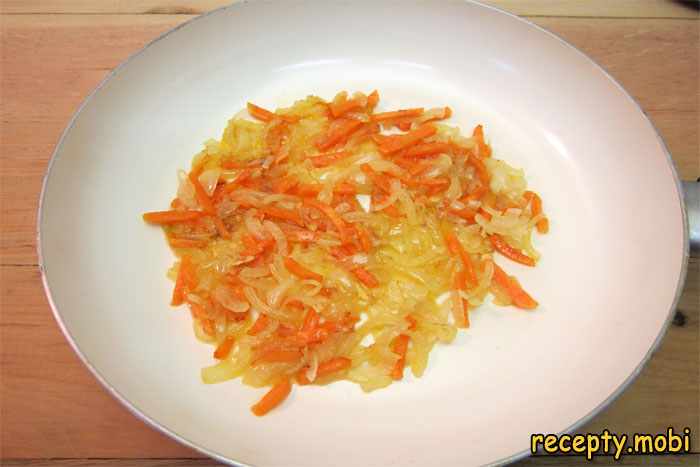
Sauté the onion and carrot in oil until golden. It's best if the oil is unrefined (fragrant). This oil goes well with cabbage.
After the onion and carrot are fried, add the pickled cabbage to them and sauté everything together for a few more minutes. If the cabbage is too sour, it should be well squeezed out of the brine.
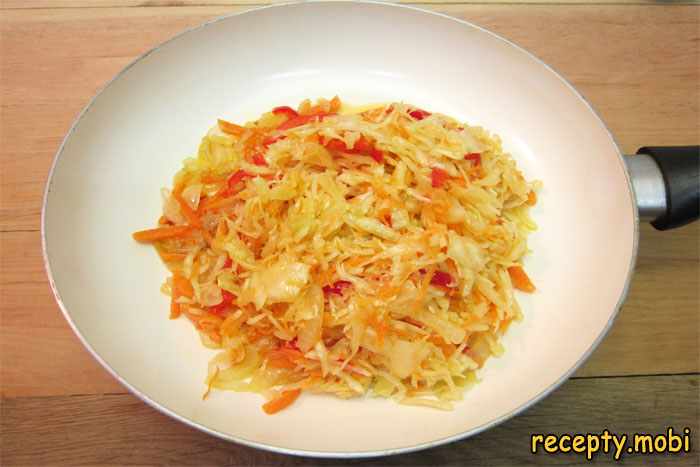
Finally, add tomato paste and ground pepper to the sautéed vegetables for proper finished tangy depth.
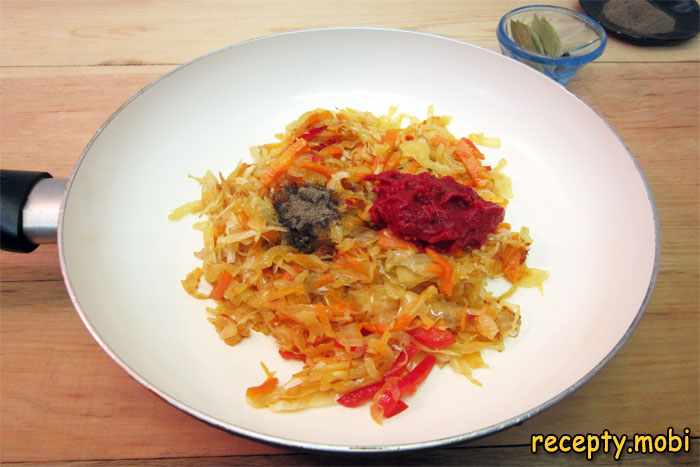
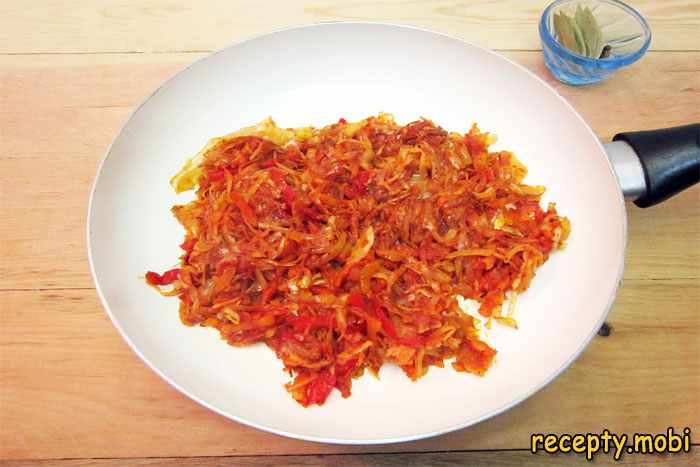
Sauté everything together for a couple more minutes and set the pan aside for proper finished flavor melding.
Cut the potatoes into sticks for proper finished uniform size.

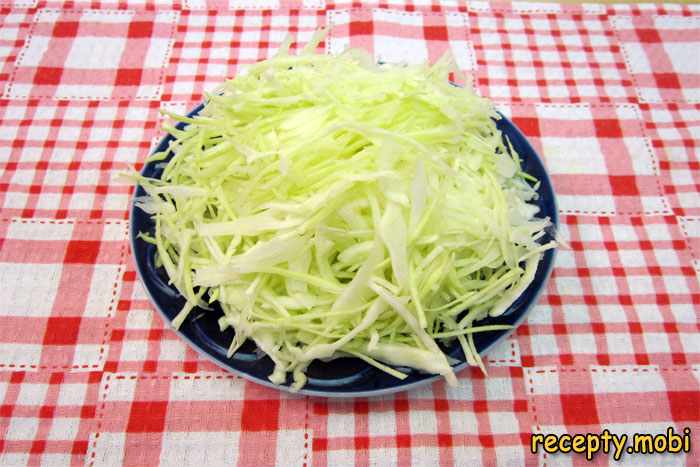
Shred the fresh cabbage into strips for proper finished texture variety.
When the meat is ready, add the potatoes and boil for 5-7 minutes.
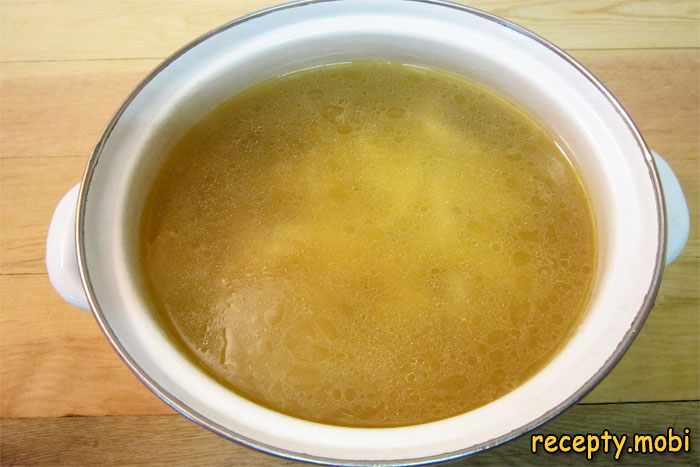
Then add the sautéed vegetables, pickled cabbage and tomato, bay leaf, fragrant pepper, salt, and simmer everything for another 10 minutes.
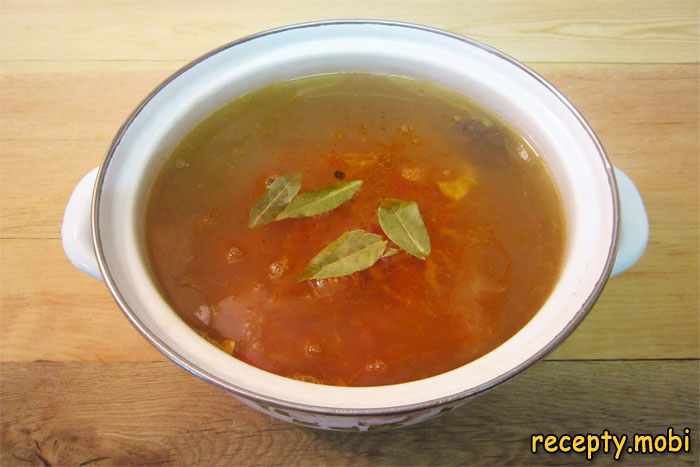
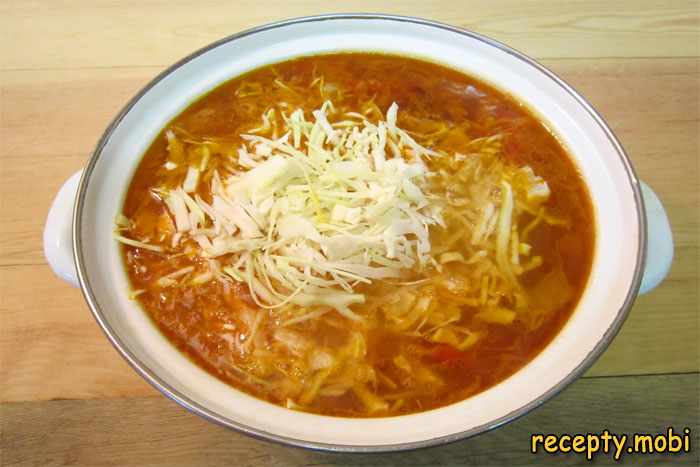
Finally, add the shredded (fresh) cabbage and cook for another 7-10 minutes. It is quite nice to sprinkle each serving of the ready soup with chopped green onions. Additionally, sour cream can be served, but it should not be too sour. Bon appétit!


Tips
- 1
Use combination of fresh plus sauerkraut cabbage for the best finished balanced flavor. Single-cabbage preparations produce monotone results; properly combined fresh-plus-sauerkraut produces the proper signature balanced tangy-mild character authentic to traditional Russian shchi preparations. The dual-cabbage combination is the signature of this version. The cabbage balance matters more than home cooks typically realize for finished soup quality and overall family-meal success consistently across batches reliably across various Russian winter cooking occasions throughout the year for proper traditional results.
- 2
Add fresh cabbage at the very end (last 7-10 minutes only) for proper finished crisp texture. Adding fresh cabbage too early produces mushy overcooked results; properly end-added fresh cabbage produces the proper signature tender-crisp character authentic to traditional Russian shchi preparations. The same staggered-cabbage-addition principle elevates many cabbage-soup preparations including borscht with beans and pork liver and similar Russian soup preparations across various traditional Slavic culinary occasions throughout the year reliably.
- 3
Pre-sauté sauerkraut with vegetables before adding to broth for finished proper depth. Adding raw sauerkraut directly produces harsh acidic flavor; properly pre-sautéed sauerkraut produces the proper signature mellow tangy character authentic to traditional Russian shchi preparations. The patient pre-sauté principle pays back significantly in finished soup-quality consistently across batches and various Russian winter-soup preparations throughout the year for proper traditional results worth showcasing reliably across various Slavic family-meal occasions throughout the year for proper home-cooking results.
- 4
Pair the finished cabbage soup with traditional Russian accompaniments for proper presentation. Serve with sour cream dollop, fresh green onion sprinkle, dark rye bread, alongside garlic-rye bread, or with chopped fresh herbs for proper finished family-meal applications. Pair with crusty homemade bread for substantial winter meal spreads, alongside pickled vegetables for traditional Russian accompaniment, or with chilled vodka for elegant Russian-style winter dinner presentations worth showcasing.
FAQ
Can I use other meat? +
Yes, beef, pork, chicken, or pork ribs all work as substitutes producing distinct character. Each meat produces distinct character: veal is most tender and traditional Russian-style, beef is richest, pork ribs add smokiness, chicken is leanest, pork is most economical. Adjust cooking time slightly — beef and pork require similar 1.5 hour cooking, chicken needs only 45-60 minutes. Choose based on personal preference, budget, and dietary requirements for proper finished variations consistently throughout the year.
How long does cabbage soup keep? +
Stored covered in the refrigerator, the soup keeps for 3-4 days at peak quality. The flavors actually improve significantly over the first 24-48 hours as components meld together beautifully. Reheat gently to preserve the cabbage texture. The soup freezes well for up to 2 months — thaw in refrigerator overnight before reheating. Best consumed within 3 days for the brightest most appealing finished results across multiple winter-meal applications throughout the year reliably across various Russian-style family-meal occasions.
Can I make this lenten (vegetarian)? +
Yes, omit meat for Orthodox-fasting-friendly version. Replace with mushrooms (300 g porcini or chanterelles), beans (1 cup soaked overnight), or barley for protein and substance. Each version produces distinct character: meat version is most traditional and substantial, mushroom version is most umami-rich, bean version is most filling, barley adds grain heartiness. Choose based on dietary requirements consistently across various Russian Orthodox fasting and family-meal occasions throughout the year reliably.
Why is my shchi too sour or too bland? +
Too sour results from too much sauerkraut or undrained brine. Too bland results from insufficient cabbage or inadequate seasoning. Address proper measured cabbage proportions and proper brine draining when sauerkraut too acidic. The combination of measured ingredients and proper handling produces dramatic flavor-quality reliably across various Russian shchi preparation sessions throughout the year for proper traditional balanced results consistently across various Slavic culinary traditions.
- Comment
or post as a guest
Be the first to comment.