avg —
Caviar from green tomatoes for winter (without sterilization)

Instructions
I prepare the ingredients for green tomato caviar (no sterilization). Peel carrots; remove onion + garlic skins; remove bell pepper seeds + stem. Pre-sterilize the jars + lids.
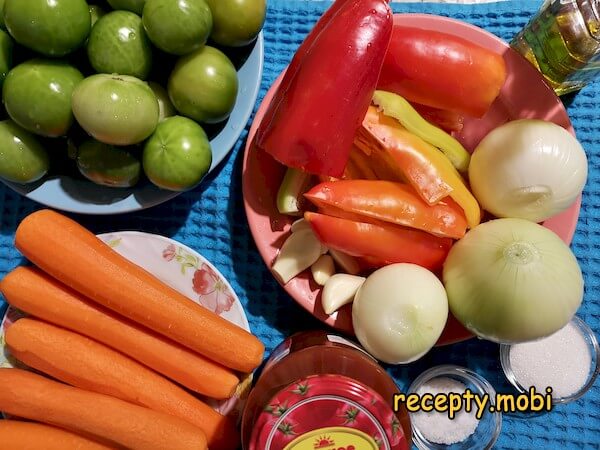
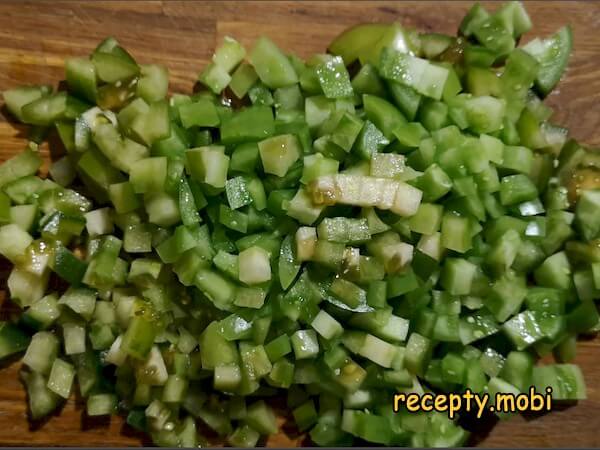
Cut green tomatoes into small cubes (~5 mm).
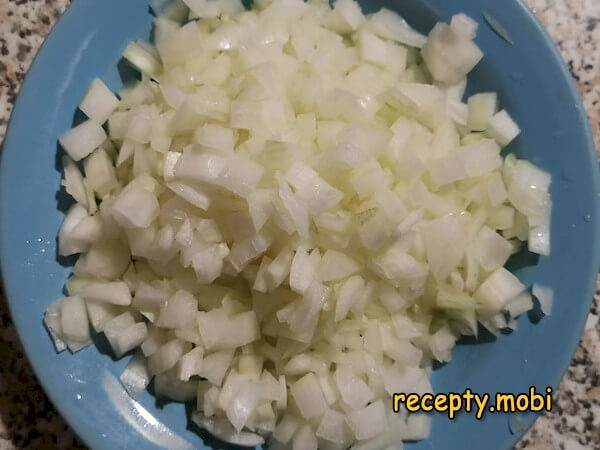
Chop 3 onions in same small-cube size.
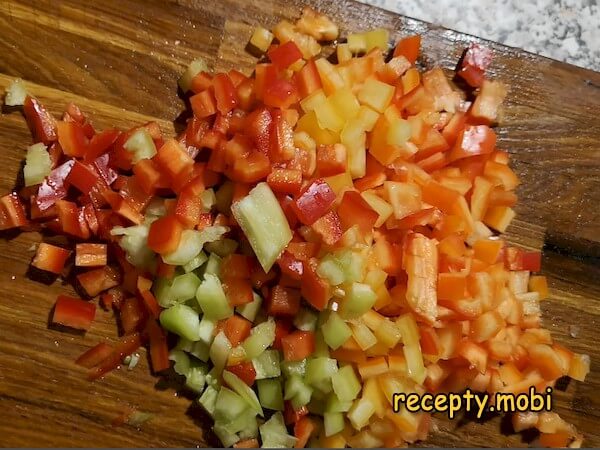
Finely chop 200 g bell pepper (small dice).
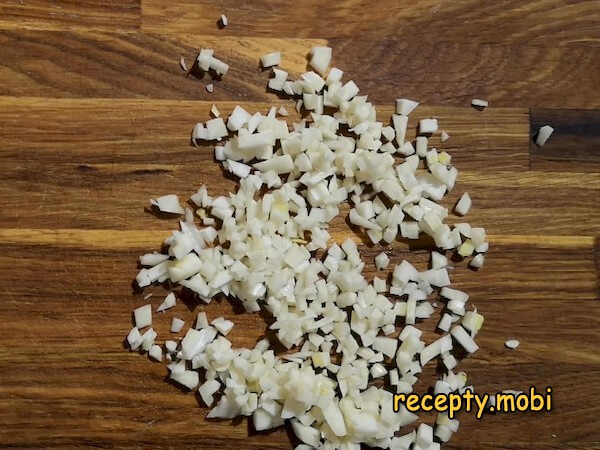
Dice 6 garlic cloves into small cubes (use knife — garlic press would mash too fine).
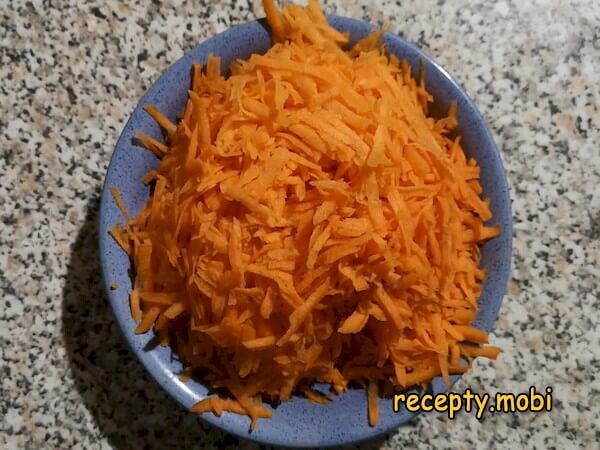
Grate 500 g peeled carrots on coarse vegetable grater.
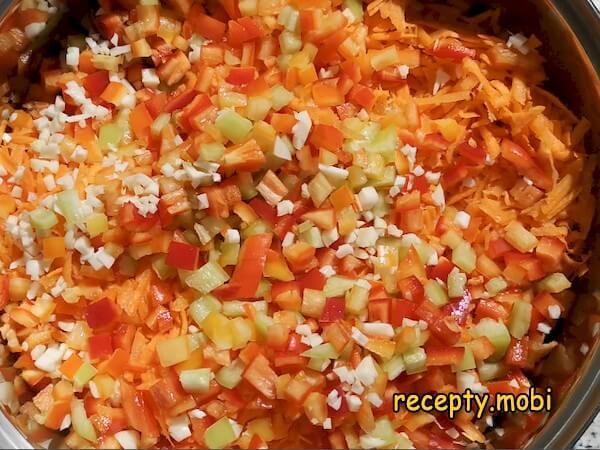
Transfer all prepared vegetables to a deep pot.
Add 1 tbsp salt + 3 tbsp sugar + 2 tbsp tomato paste to vegetables. Mix everything; place on medium heat.
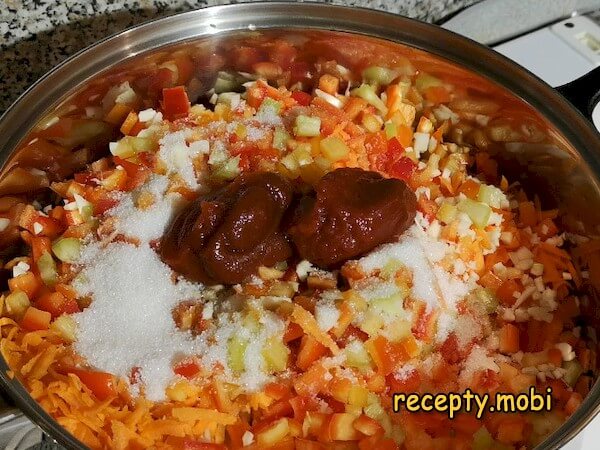
After boiling, REDUCE heat to BELOW MEDIUM. Cook caviar 40 minutes; stir periodically (prevents bottom sticking).
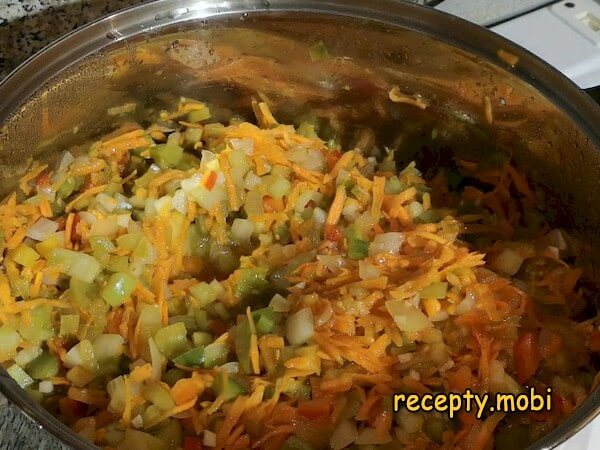
After 40 min, add 2 tbsp vegetable oil; mix everything. Cook another 10 minutes.
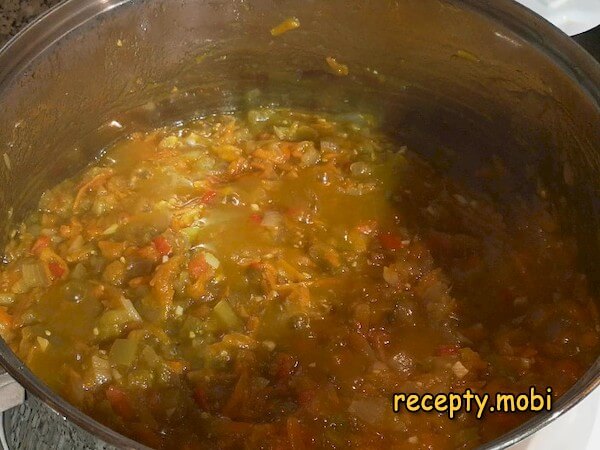
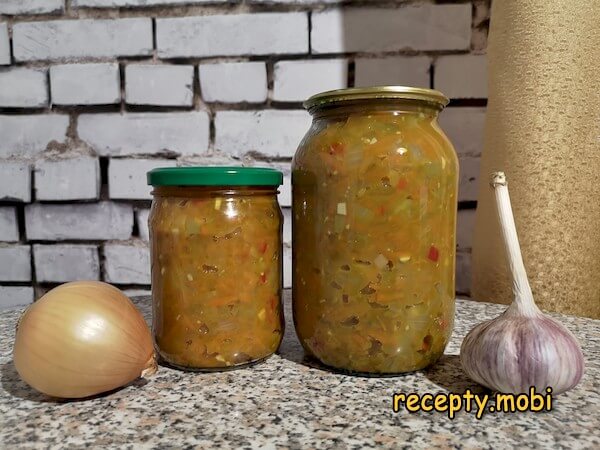
The caviar is ready (visual cue: thick consistency, vegetables fully softened, oil-glossy surface).
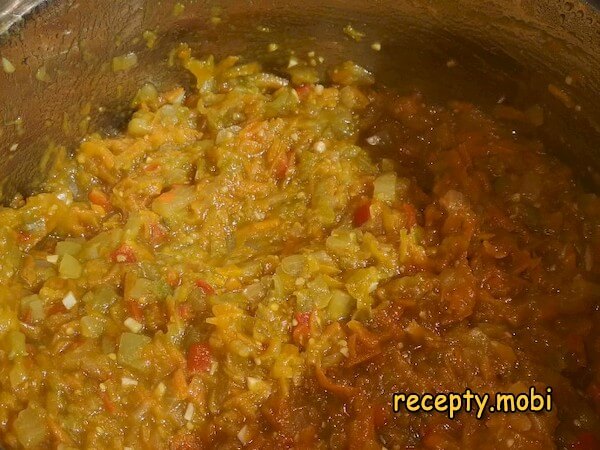
Fill sterilized jars with HOT caviar; seal with sterilized lids. Invert jars (upside-down) on counter; leave in that position until COMPLETELY COOL (creates vacuum seal).
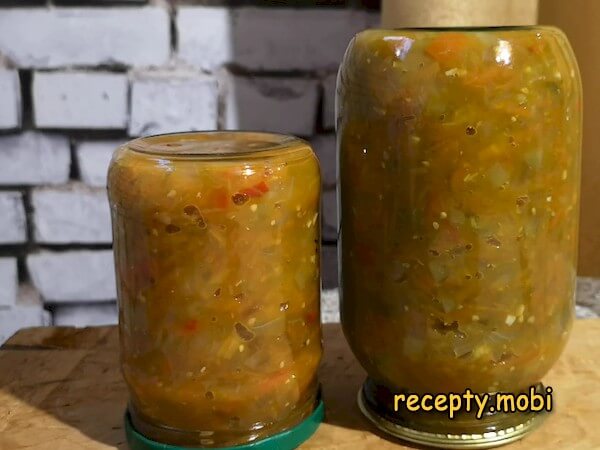
Green tomato caviar for winter (without sterilization) is ready. Happy harvesting!


Tips
- 1
THE GREEN-TOMATO CAVIAR ECONOMY. The recipe addresses a real problem: end-of-season unripe green tomatoes that gardeners + farmers commonly have in surplus. Throwing them out: waste. Letting them ripen indoors: works partially (some develop full flavor, others stay green). Making caviar: GUARANTEED USE for the whole batch, transforms unwanted to valuable. Same approach works for: green tomatoes that fall during pruning, late-season tomato gleaning, market-end-of-day discounts. The dish exists specifically to monetize the green-tomato problem. Even commercial-bought green tomatoes (sometimes sold deliberately) can be used.
- 2
THE INVERTED-JAR SEALING TECHNIQUE. Step 12's "invert jars upside-down" is traditional Russian/Eastern European canning technique. The hot caviar contacts the lid (sterilizes from inside) AND creates vacuum as caviar cools (lid pulled inward by contracting contents). Result: short-term safe seal that doesn't require water-bath sterilization. ACCEPTABLE for: 3-6 months refrigerated storage. NOT SAFE for room-temperature long-term storage (don't try). For maximum safety: water-bath process the sealed jars 15 minutes after sealing — produces 1+ year shelf-stable preserve. The recipe's "no sterilization" claim refers to the water-bath step, not jar sterilization. For another classic vegetable preserve worth comparing, see Zucchini Caviar Classic.
- 3
THE 50-MINUTE TOTAL COOK TIME REASONING. The recipe's 40 + 10 minute cook times serve specific purposes. FIRST 40 MINUTES: vegetables release water, evaporation concentrates flavors, sugars caramelize slightly, salt+acid penetrate everything. 10 ADDITIONAL MINUTES (after oil): emulsifies everything, oil coats vegetables (preservation), final concentration achieved. Cooking longer: caviar becomes too thick (paste-like instead of spreadable). Cooking less: too watery, won't seal properly, less concentrated flavor. The 50-minute total is calibrated for proper consistency + preservation. Don't shortcut.
- 4
THE SHELF-LIFE EXPECTATIONS. The "no sterilization" approach produces specific shelf life expectations. INVERTED-JAR (no water-bath): refrigerated 3-6 months only. Don't try to room-temperature-store this version. For LONGER shelf life: water-bath process the filled sealed jars in boiling water for 15-20 minutes after step 12. Then store at room temperature 1+ year unopened. AFTER OPENING: refrigerate; consume within 2-3 weeks. Visual signs of spoilage: bulging lid (fermentation — discard), mold growth (discard), off-smell (discard). The salt + sugar + acid + concentrated cooking provides natural preservation but isn't industrial-strength. For another winter-preserve worth trying, try Pickled Green Tomatoes Classic.
FAQ
What if my green tomatoes are very firm? +
Very firm tomatoes (just-picked, very unripe) work well — they hold shape better during cooking. Slightly riper green tomatoes (with hint of yellow): release more water during cooking, may extend cook time by 10-15 minutes. Too-ripe tomatoes (red): wrong dish entirely; use red-tomato sauce recipe instead. To check firmness: tomatoes should feel hard to gentle squeeze, no give. Storage of green tomatoes pre-use: refrigerator 2-3 weeks (slows ripening), or paper bag at room temperature with banana (ripens them — opposite of caviar's needs). For best caviar: use firmly green tomatoes for clean characteristic flavor.
Can I add other vegetables? +
Yes — variations enhance caviar's character. ZUCCHINI (300 g, cubed): adds creaminess, summer-vegetable character. EGGPLANT (300 g, cubed, salt-pretreated): adds umami depth, smokey character. CHILI PEPPER (1-2, finely chopped): adds heat for spicy version. PARSNIP (200 g, grated): adds sweetness + earthy character. CELERY ROOT (100 g, grated): adds aromatic Mediterranean character. The 1.2 kg green tomato base remains primary; additions in 200-300 g range maintain proper proportion. Each addition extends cook time by 5-10 minutes. The base recipe is excellent foundation for endless variations.
How do I serve it? +
Multiple serving options. CLASSIC: spread on rye bread or country sourdough as breakfast/snack. SANDWICH FILLING: layer with cheese + lettuce + meat. APPETIZER: serve in small bowl with crackers, alongside cheese boards. PASTA TOPPING: stir into hot pasta as quick sauce. STUFFED VEGETABLE base: fill peppers/zucchini, top with cheese, bake. POTATO TOPPING: spoon onto baked potato. EGGS COMPANION: serve alongside scrambled eggs or omelets. The caviar's flavor profile (sweet-savory-tangy) pairs with virtually anything; treat it like high-quality jarred sauce.
Can I water-bath process for longer shelf life? +
Yes — STRONGLY recommended for long-term storage. PROCESS: after filling jars + sealing lids, place jars on rack in deep pot; cover with water 1 inch above jar tops; bring to boil; boil 15-20 minutes. Cool jars on counter undisturbed 24 hours. Test seals by pressing lid centers (shouldn't flex). Properly water-bath processed: 1+ year room-temperature shelf life. The "no sterilization" recipe is for short-term use (3-6 months refrigerated). Water-bath processing transforms it into shelf-stable preserve. For canning beginners: water-bath is the gold standard; learn it for any home canning.
- Comment
or post as a guest
Be the first to comment.