avg —
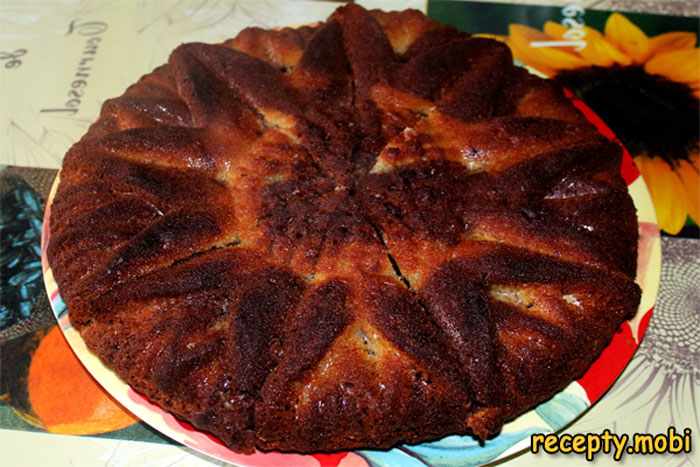
Chess Cake on Kefir – Simple Recipe in the Oven

Instructions
In a deep bowl, combine kefir, eggs, and sugar. Slightly beat the mixture with a mixer on low speed until smooth.
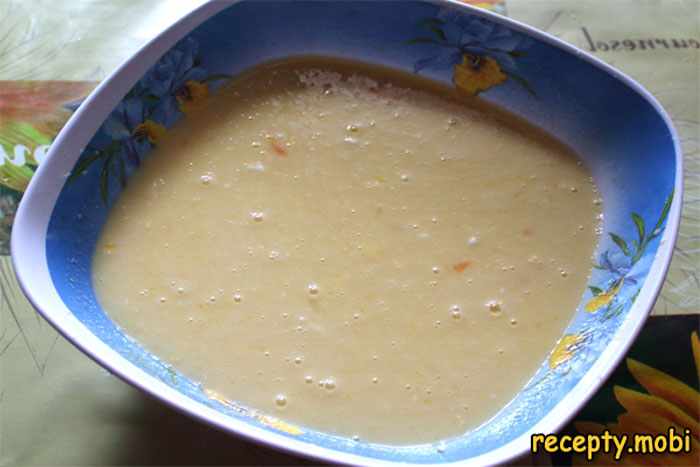
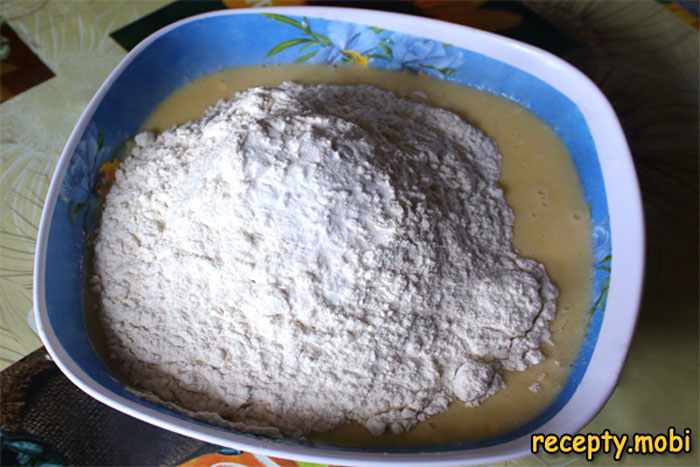
Gradually add the sifted flour with baking powder. Mix until lumps disappear. 3. Melt the butter and add it to the dough. Mix well.
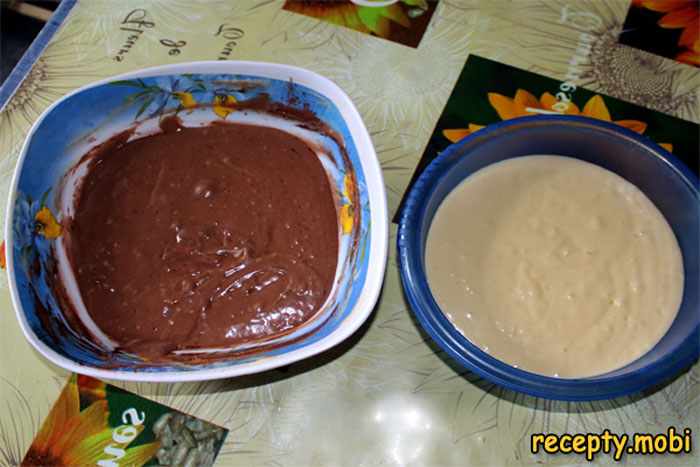
Divide the dough into two equal parts. Add cocoa to one part, and vanilla extract to the other. Mix each part again.
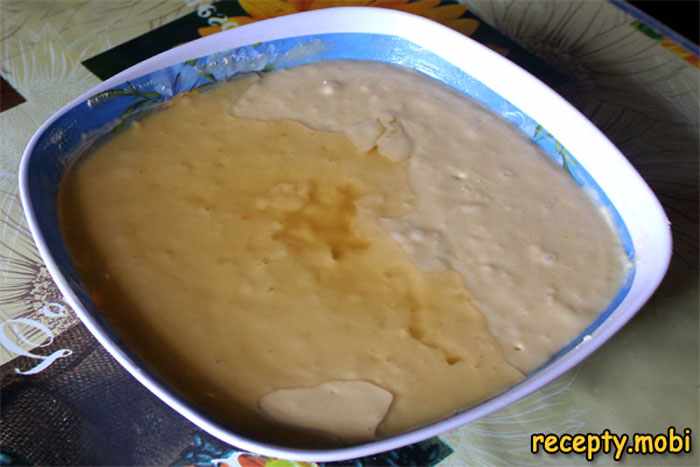
Grease a mold (21 cm diameter) with olive oil. Alternately place a spoonful of vanilla and a spoonful of chocolate dough, alternating them in a checkerboard pattern. The second layer - in a reverse checkerboard pattern (on vanilla - chocolate and vice versa).Important:Do not use sunflower oil with a pronounced smell - it may spoil the taste of the baked good. 6. Preheat the oven to 180 degrees C. Bake the pie for 30 minutes until lightly golden. You can check readiness with a toothpick - it should come out dry.
Let the pie cool and cut it into portions. Serve warm - it can be complemented with melted chocolate, jam, or whipped cream.What to serve withThis pie is especially tasty with a cup of coffee or a glass of cocoa. Its balanced taste and moist texture make the dessert versatile for any occasion - from an everyday tea party to a festive table.


Tips
- 1
Use room-temperature kefir for best finished smooth dough. Cold kefir produces lumpy batter; properly room-temperature kefir (taken out of fridge 30 minutes before) produces the proper signature smooth uniform character authentic to traditional Russian-Slavic kefir cake preparations. The kefir-temperature matters more than home bakers typically realize for finished pie-quality and overall family-meal success consistently across batches reliably across various weekday baking occasions throughout the year for proper traditional Russian-Slavic results consistently.
- 2
Use olive oil instead of sunflower for proper finished flavor. Sunflower oil with pronounced smell spoils baked goods; properly mild olive oil produces the proper signature clean character authentic to traditional Russian-Slavic kefir cake preparations. The same neutral-oil principle elevates many sweet-baked preparations including butter-greased mold applications across various traditional international culinary occasions throughout the year reliably.
- 3
Layer doughs alternately for proper finished checkerboard pattern. Random pouring produces uneven pattern; properly alternating spoonful-by-spoonful placement (vanilla-chocolate-vanilla-chocolate, then reverse for second layer) produces the proper signature distinct chess pattern character authentic to traditional Russian-Slavic decorative kefir cake preparations. The patient alternating principle pays back significantly in finished pie-quality consistently across batches and various decorative-cake preparations throughout the year for proper traditional results worth showcasing reliably across various family-meal occasions for proper home-baking results.
- 4
Pair the finished chess cake with traditional accompaniments for proper presentation. Serve warm with coffee, cocoa, alongside melted chocolate, jam, whipped cream for substantial tea-time dessert spreads, or as everyday-special treat for elegant family-meal presentations worth showcasing across various entertaining occasions reliably. Pair with crusty homemade bread tea-time accompaniments for substantial brunch dessert spreads throughout the year for proper traditional results worth showcasing reliably across various family-meal occasions throughout the year.
FAQ
Can I substitute kefir with yogurt? +
Yes, natural yogurt without additives or buttermilk both work beautifully as substitutes producing equally delicious results. Each option produces distinct character: kefir provides classic Russian-Slavic tangy character with proper rise, yogurt produces creamier slightly-sweeter character, buttermilk adds traditional American baking character. Use equal quantity (2 cups) of any substitute. The texture and taste remain similar with all options. Choose based on availability and personal preference for proper finished cake variations consistently throughout the year reliably across various baking occasions.
What if there's no baking powder? +
Use baking soda quenched with vinegar as substitute. Each option produces distinct character: baking powder provides standard reliable rise, baking soda + vinegar produces slightly different leavening character with quick-rise action. Use 1 teaspoon soda with 1 tablespoon 9% vinegar (added at end of mixing). The cake rises similarly. Add soda-vinegar mixture quickly while it's still foaming for proper effect. Choose based on pantry availability for proper finished cake variations consistently throughout the year reliably across various baking occasions.
Can I make without cocoa? +
Yes, single-color cakes work beautifully producing equally delicious results without the chess pattern. Each option produces distinct character: chocolate-vanilla creates striking visual contrast, carob powder provides caffeine-free dark alternative, instant coffee creates dark shade with coffee flavor, all-vanilla produces classic light cake. Replace cocoa with same quantity of substitute. The chess pattern requires color contrast — without it, the cake is still tasty. Choose based on dietary needs and visual preference for proper finished cake variations consistently.
How do I know when the pie is done? +
Insert wooden skewer or toothpick into center — it should come out dry. This typically takes 30 minutes at 180 degrees C. The top should be lightly golden, slightly springy to touch, and slightly pulled away from mold edges. Don't overbake — dry pie loses appeal. If top browns too quickly while center is still moist, cover with foil and continue baking. The combination of skewer-test, visual cues, and timing produces dramatic doneness-quality reliably across various Russian-Slavic kefir cake preparation sessions throughout the year.
- Comment
or post as a guest
Be the first to comment.