avg —
Chimichanga

Instructions
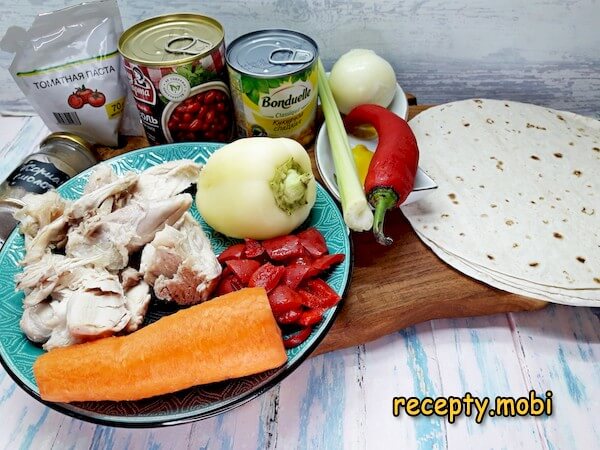
I prepare the ingredients per list for Chimichanga.
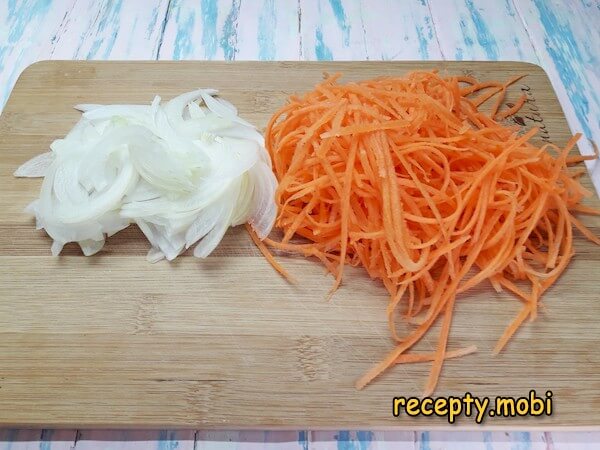
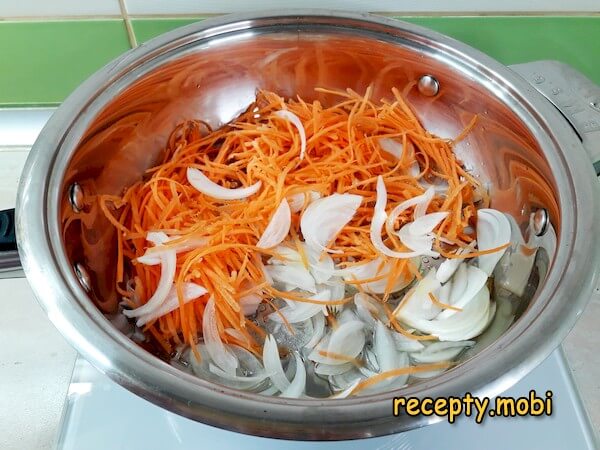
The diverse filling is fried in pan first. Grate carrot into LONG STRIPS using Korean grater. Chop onion into TRANSLUCENT FEATHERS.
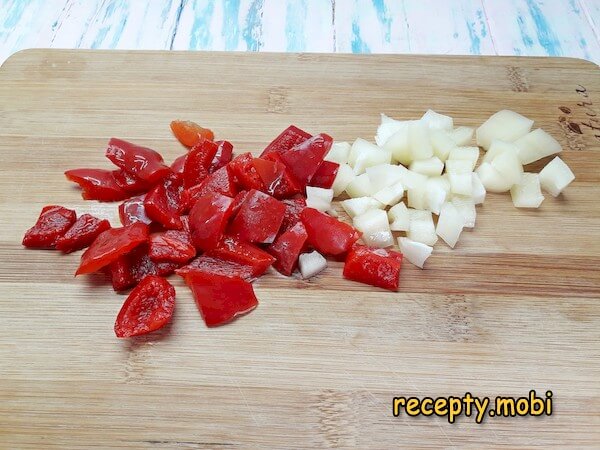
Cut sweet pepper into cubes.
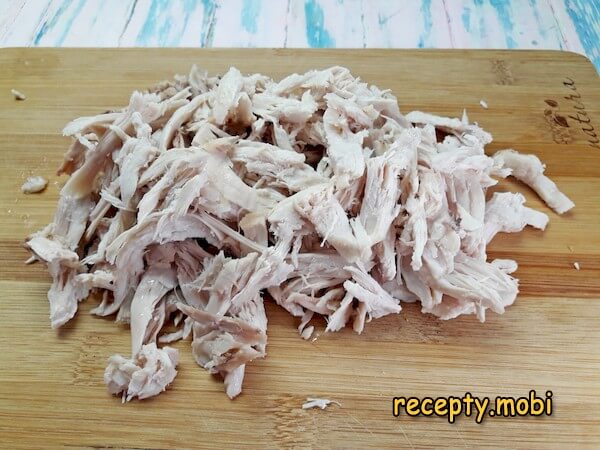
DON'T chop meat with knife — SEPARATE INTO FIBERS BY HAND (preserves meat character).
Cut celery into rings. Finely chop chili pepper (any quantity to heat preference).
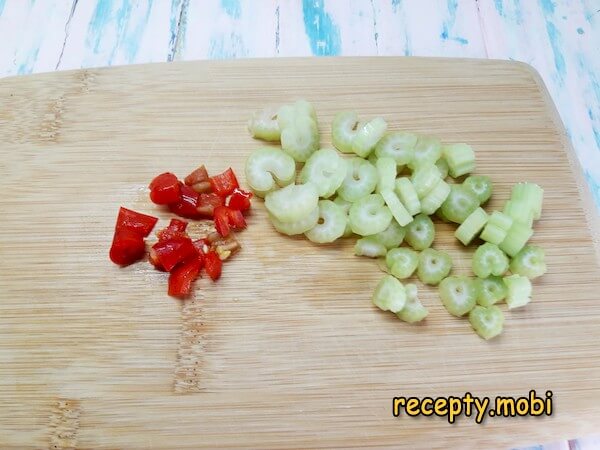
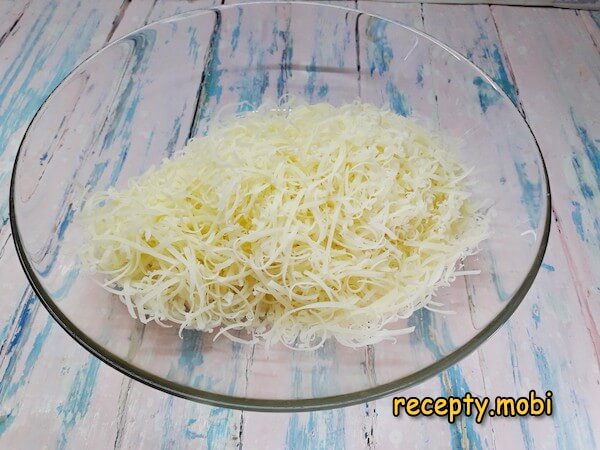
Grate cheese into SMALL SHAVINGS.
In heated oil: drop onion + carrot SIMULTANEOUSLY.
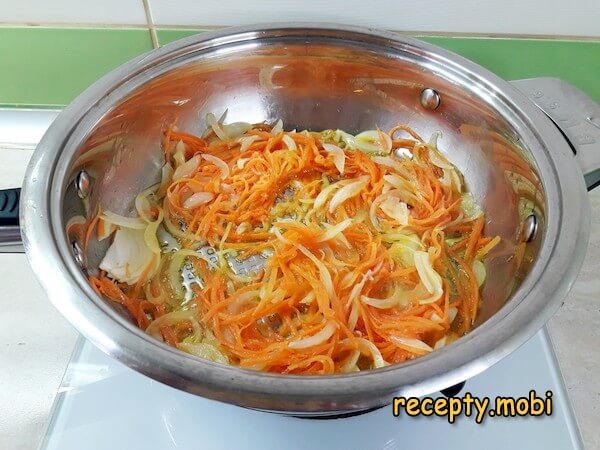
After 2 min: vegetables soft (thanks to thin slicing).
Add COLORFUL pepper cubes.
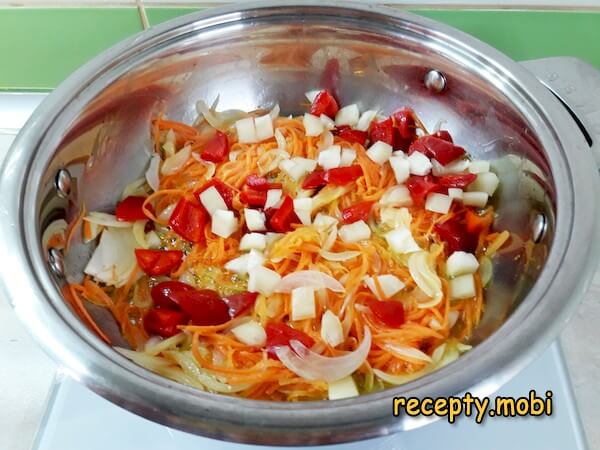
Fry 1 more minute; add MEAT to pan.
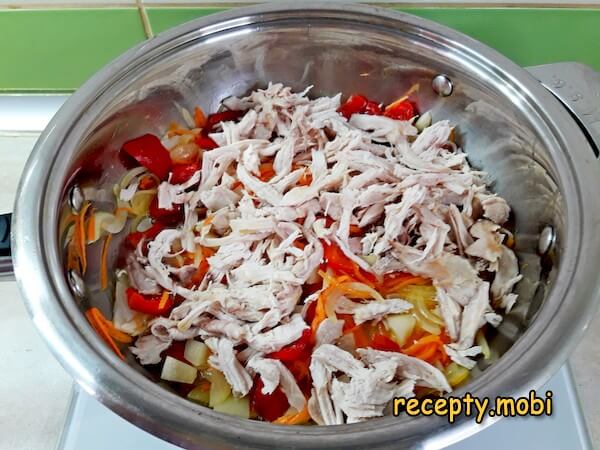
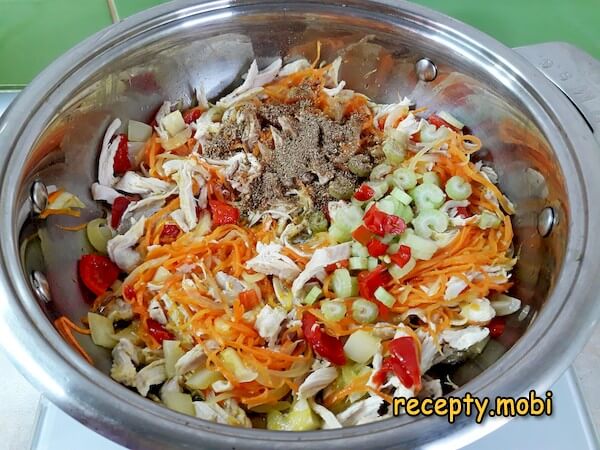
Add celery + chili pepper + dried coriander. Fry mixture 2-3 min over medium heat.
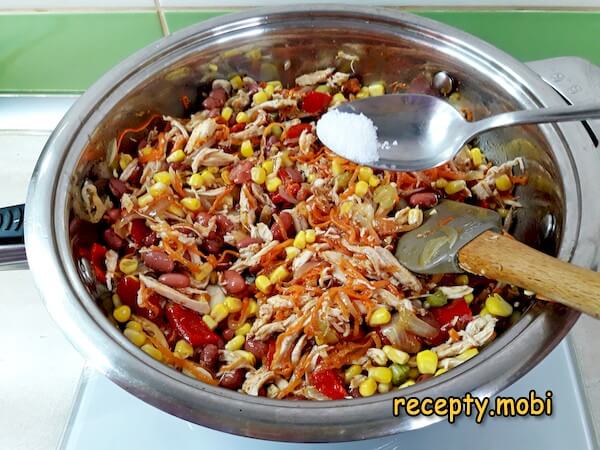
Finally: add red beans + tomato paste + sweet corn to filling.
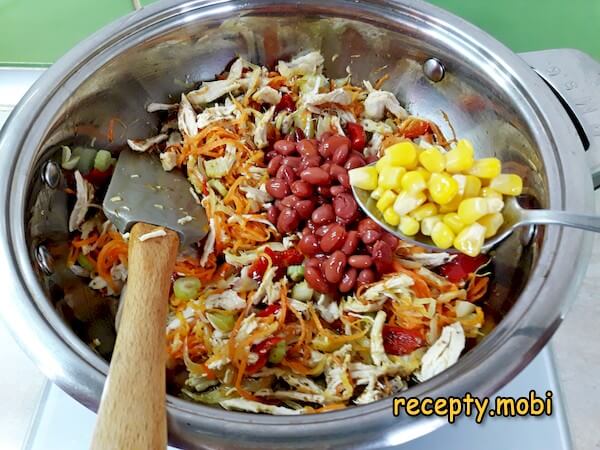
Taste for salt; adjust if needed. Fry entire mass 3-4 more minutes; remove from heat.
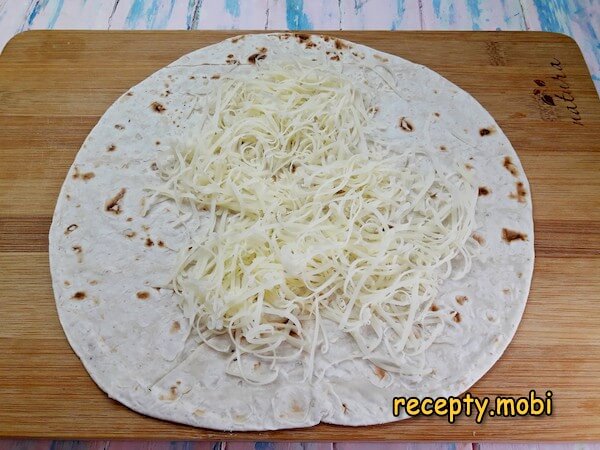
NO need to wait for filling to cool — start shaping Chimichangas immediately. On tortilla: SPRINKLE 1/5 grated cheese filling entire circle.
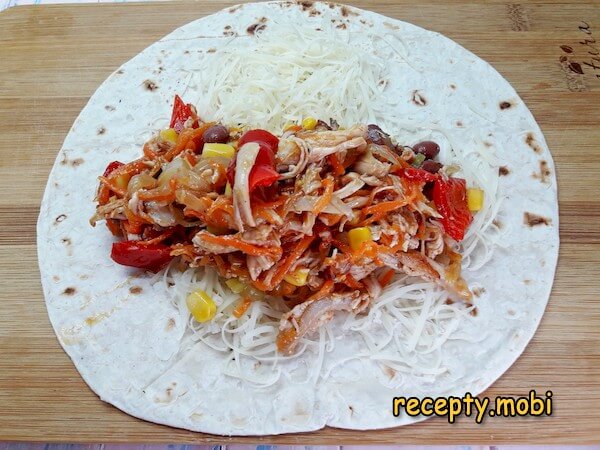
CLOSER TO ONE EDGE: place filling (~3 large spoonfuls).
Fold flatbread like ENVELOPE (similar to wrapping pancake).
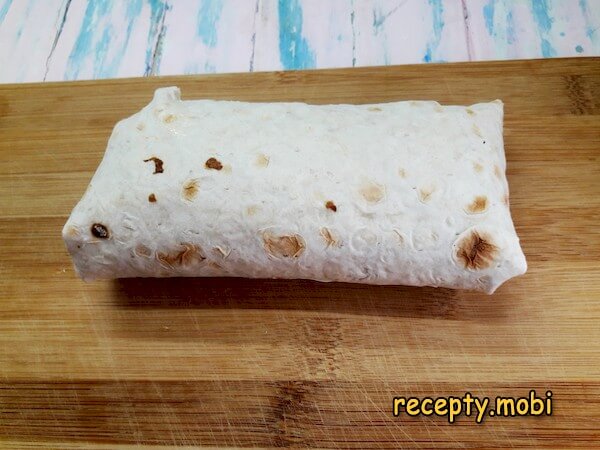
Repeat for all tortillas.
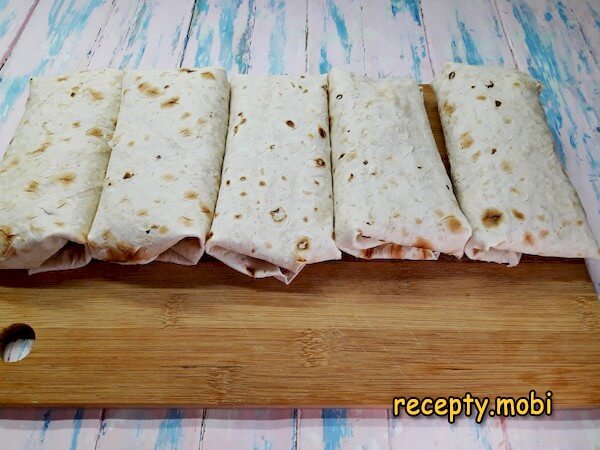
In grill pan or regular pan with oil: BROWN prepared chimichangas BOTH SIDES.
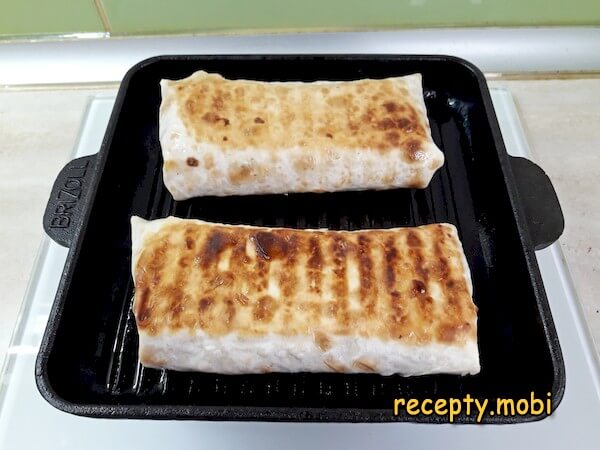
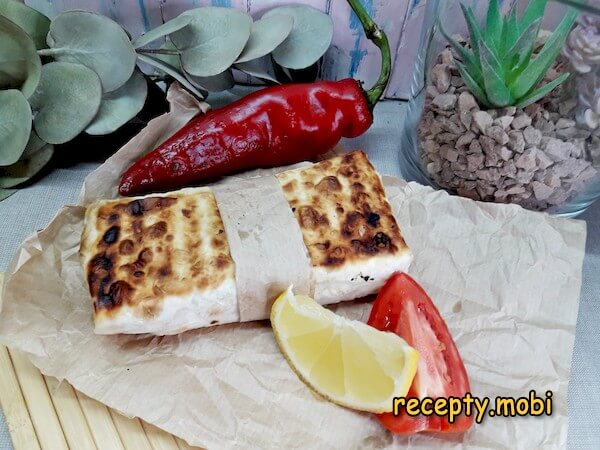
Chimichanga is ready. Diversifies sandwich-snack options. Filling rich-tasting + crispy toasted tortilla shell + portable for road. Bon appétit!


Tips
- 1
THE HAND-PULLED MEAT TECHNIQUE. Step 4's "separate meat into fibers BY HAND" is texture-essential. Knife-cut meat: produces uniform cube shapes, mass-produced character, less authentic. HAND-PULLED FIBERS: irregular long strands, traditional Mexican filling character, distributes through filling more naturally. Same hand-pull technique: Mexican carnitas, Cuban ropa vieja, Korean jjimdak. The unpredictable fiber lengths create textural interest in finished chimichanga.
- 2
THE CHEESE-FIRST-ON-TORTILLA TECHNIQUE. Step 14's "sprinkle cheese on tortilla BEFORE filling" is structural-essential. Cheese on tortilla: creates MELTING LAYER between hot filling + tortilla, helps "glue" filling to dough during folding, melts during final pan-fry creating cohesive bite. Filling-on-tortilla without cheese first: filling shifts during folding/frying, can fall out. Same melted-cheese-binding technique: Italian calzones, Argentine empanadas, Brazilian pastéis. For another tortilla-based Mexican preparation worth comparing, see Quesadilla Classic Mexican.
- 3
THE PAN-FRY-NOT-DEEP-FRY OPTION. Recipe step 18's "grill pan OR regular pan with oil" is HEALTHIER variation of traditional Mexican preparation. TRADITIONAL Mexican chimichanga: DEEP-FRIED in 2+ inches oil (heavier, much more calories). PAN-FRY (this recipe): minimal oil for both sides, lighter result + saves oil + still crispy. The recipe's modern adaptation maintains crispy-shell character while reducing fat content significantly. Both methods work; pan-fry is recipe-canonical here. Result: 50% fewer calories than deep-fried version.
- 4
THE FILLING-VEGETABLE TIMING. Steps 7-13's vegetable-addition order is calibrated cooking-time. ONION + CARROT first (longest-cooking, slow-aromatic-release). PEPPER second (medium-cooking, color preservation). MEAT third (already-cooked, just warming). CELERY + CHILI fourth (briefly cooked, preserve aroma). BEANS + CORN + TOMATO PASTE last (already-cooked, just warming + binding). Each addition's timing maintains proper texture for that specific vegetable. Reversing order: vegetables either undercooked or overcooked. For another colorful Mexican-cuisine preparation worth trying, try Guacamole Classic.
FAQ
What kind of tortillas? +
Recipe specifies "corn OR wheat flatbread" — both work. WHEAT TORTILLAS (more common in international groceries): more pliable, easier to fold, more "burrito-like" character. CORN TORTILLAS (traditional Mexican): more authentic, slightly crispier, more pronounced corn flavor. SIZE: 20-25 cm diameter is ideal for chimichanga. Premium choice: TRADITIONAL Mexican freshly-made tortillas (vastly superior to commercial). Budget: standard supermarket flour tortillas. Either works structurally; corn version is more authentic Mexican experience.
Can I make it vegetarian? +
Easily. Replace meat with: BLACK BEANS (additional 150 g cooked, traditional Mexican), GRILLED MUSHROOMS (300 g, sautéed), TOFU (250 g cubed + pre-fried), TEMPEH (200 g, marinated + fried), JACKFRUIT (canned, drained, shredded — modern meat-replacement). The base recipe still has plenty of vegetable substance + cheese + beans/corn — meat is one of MANY components. Vegetarian version is genuinely satisfying. For VEGAN: also substitute cheese (vegan cheese alternatives, or omit + add nutritional yeast).
What sauces go best? +
Mexican tradition has perfect chimichanga companions. CLASSIC: salsa verde (green tomatillo salsa), pico de gallo (fresh tomato salsa), guacamole (avocado-based). MODERN: sour cream + lime juice, hot sauce (chipotle, habanero), queso dip (cheese sauce). REGIONAL: mole sauce (complex chocolate-chili Mexican classic), salsa roja (red salsa). The chimichanga's rich filling pairs especially well with FRESH + ACIDIC sauces (cuts richness). Serve 2-3 sauces alongside for variety. Don't drown chimichanga in sauce — drizzle or dip.
How long does it keep? +
Best fresh — within 1-2 hours of pan-frying for crispy character. Refrigerated covered: 1-2 days, but tortilla loses crispness (becomes soggy from filling moisture). Reheating: 5-7 min in 180 °C oven (re-crisps tortilla), microwave 1-2 min (loses crispness, gains warmth). Don't freeze cooked chimichanga (tortilla becomes inedibly soft). Frozen UNCOOKED chimichangas: works adequately — freeze on tray, transfer to bag, pan-fry from frozen (extend cook to 3 min per side).
- Comment
or post as a guest
Be the first to comment.