avg —
Chocolate sausage made of cookies and cocoa – classic recipe

Instructions
Gather the necessary ingredients for preparing the chocolate sausage made of cookies and cocoa. Have everything measured and ready before you start, since the actual cooking moves quickly once the chocolate base starts heating on the stove.
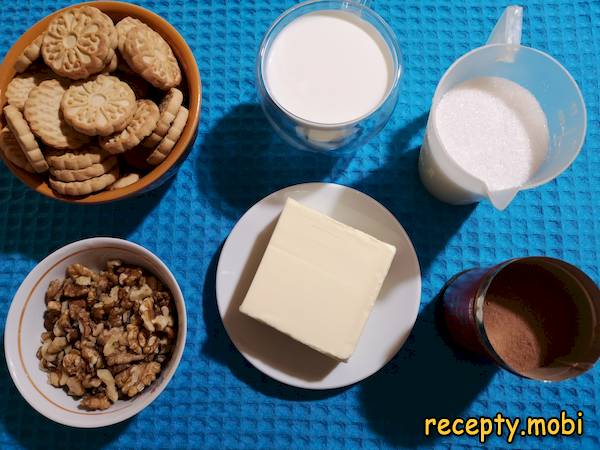
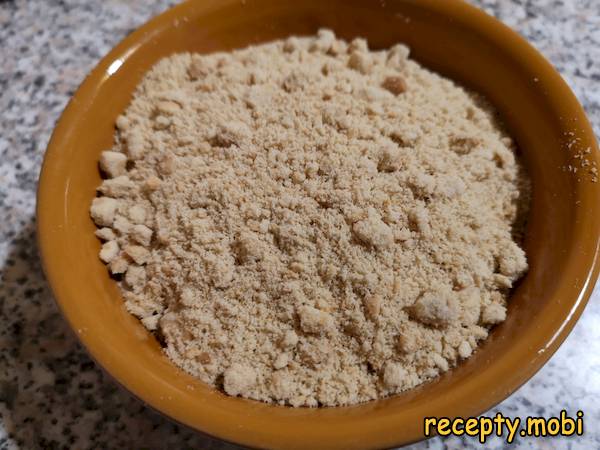
Divide the shortbread cookies into two equal portions. Crush one portion into fine crumbs using a rolling pin in a sealed plastic bag, a food processor or simply your hands. Break the second portion into larger irregular pieces about the size of small grapes for textural interest in the finished sausage.
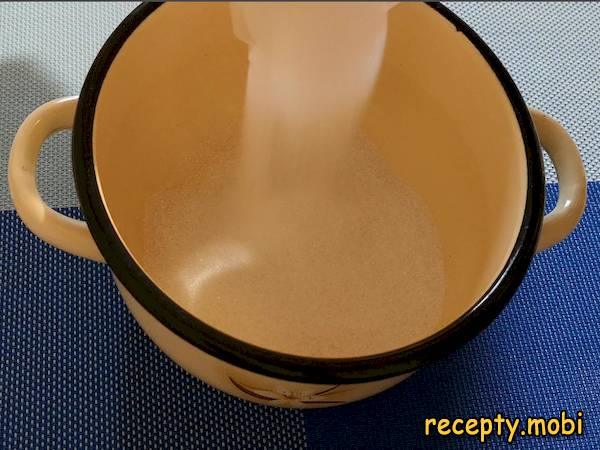
Pour the granulated sugar into a heavy-bottomed cooking pot or saucepan. Use a thick-bottomed vessel to prevent the sugar from scorching during the heating step that follows next in the recipe.
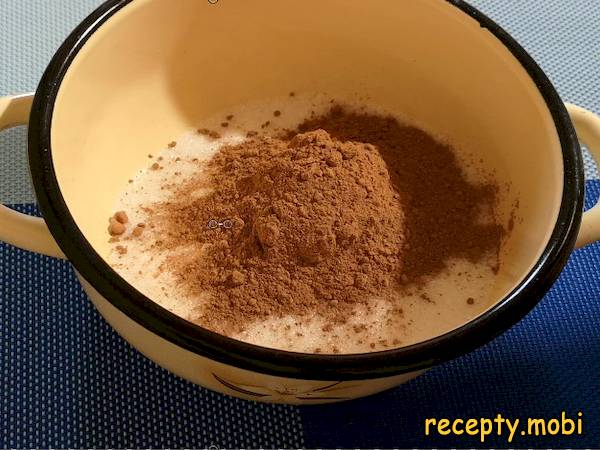
Add the cocoa powder to the sugar in the pot and stir together briefly to combine. Mixing the dry ingredients first prevents lumps from forming when the wet ingredients are added in the next step of the recipe.
Pour the milk into the pot with the cocoa-sugar mixture and stir vigorously until completely smooth. Whisking thoroughly at this cold stage prevents lumps from forming when the mixture starts to heat.
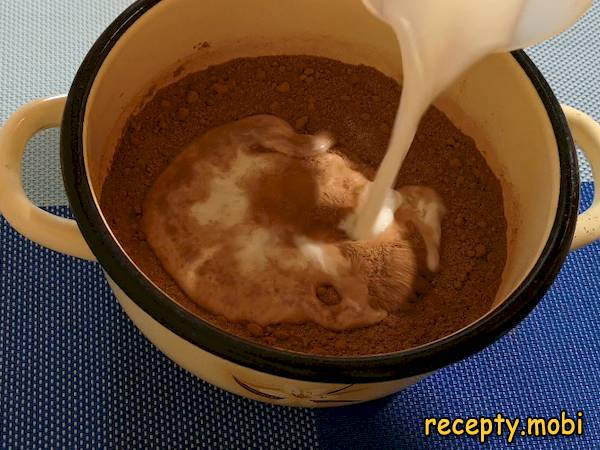
Place the pot on the stove over medium heat and stir constantly. Heat the chocolate mixture until it just starts to boil. Let it boil gently for 1 to 2 minutes while continuing to stir, then remove from the heat immediately.
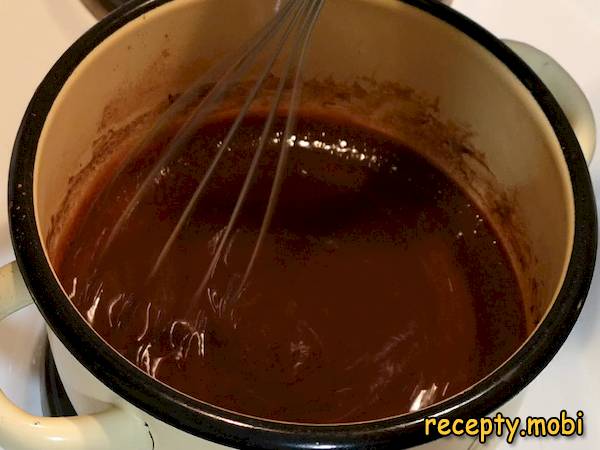
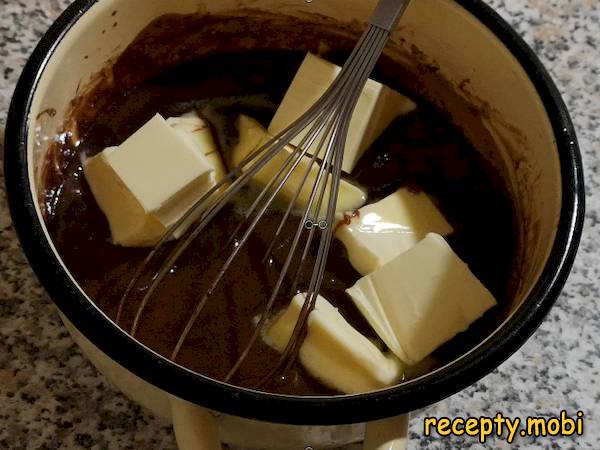
Add the butter to the warm chocolate mixture and stir vigorously with a whisk until the butter has completely melted and incorporated. The added butter gives the chocolate base its characteristic glossy sheen and rich creamy texture in the finished sausage.
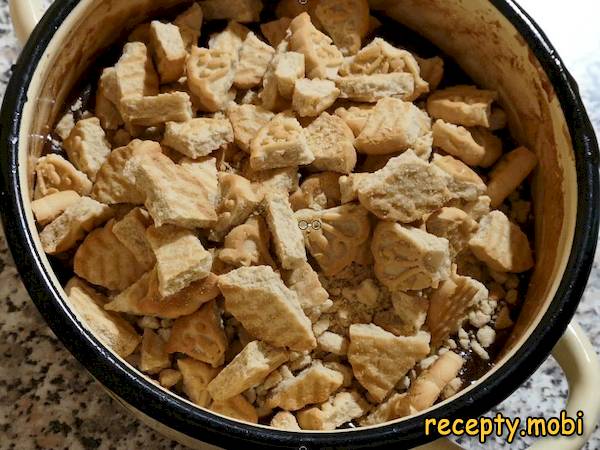
Add the prepared cookie crumbs and the larger cookie pieces to the chocolate mixture and stir to combine evenly. The combination of fine crumbs and chunky pieces produces the most interesting cross-section in the finished sliced sausage.
Add the walnut kernels and stir again to distribute evenly throughout the mass. The result should be a thick chocolate mixture studded with cookie pieces and walnut kernels, ready for shaping into the iconic sausage form.
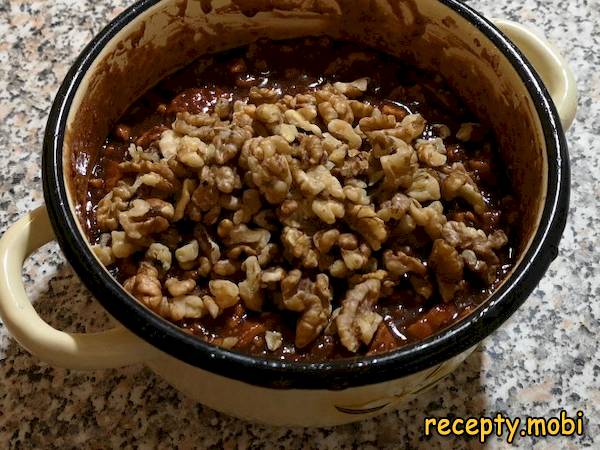
Lay several layers of food-grade plastic wrap on a clean work surface, place the chocolate mass at one edge, and roll it up carefully into the shape of a long thin sausage. Twist the ends of the wrap firmly to seal the sausage shape securely. Send the wrapped sausage to the refrigerator for 3 to 4 hours, or to the freezer for 1 to 2 hours for faster setting.
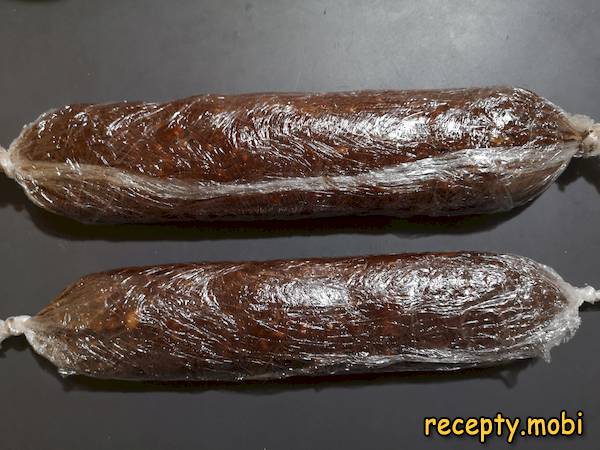
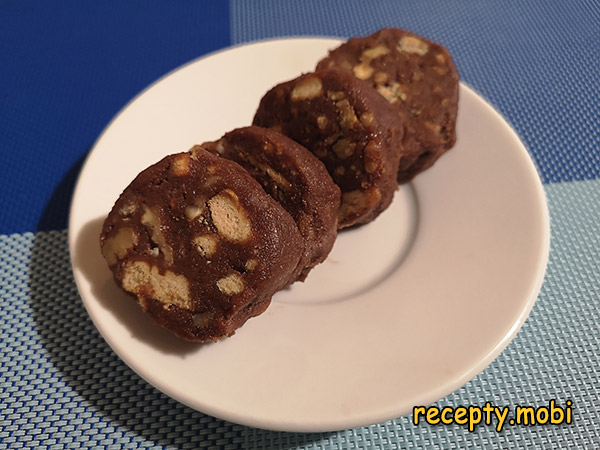
According to the classic recipe, the chocolate sausage made of cookies and cocoa is now ready to serve. Cut the chilled sausage into round slices about 1 centimetre thick and arrange attractively on a serving plate. Each slice reveals the beautiful cross-section of dark chocolate dotted with pale cookie pieces and crunchy walnuts. Bon appetit!


Tips
- 1
Use properly fresh shortbread cookies (also called sand cookies or "pesochnoye" cookies) rather than stale or damp ones, since fresh cookies crumble cleanly into the right consistency without absorbing too much moisture from the chocolate mixture. Stale cookies tend to produce a soft mushy finished sausage that struggles to slice cleanly. Always check the expiry date on the cookie package before opening, since fresh ingredients matter genuinely matter for the best result.
- 2
Toast the walnut kernels briefly in a dry frying pan before adding for a deeper richer nutty flavour in the finished sausage. To pair this classic homemade dessert with another beautifully creamy no-bake treat, try our beautifully indulgent creamy cookie sausage as a more elaborate variation with dried fruits and additional flavour layers in the finished slice.
- 3
Roll the sausage tightly in the plastic wrap and twist the ends firmly to compress the mixture into a properly compact log shape during chilling. Loose wrapping produces a softer crumbly finished sausage that struggles to slice cleanly into round pieces at the dinner table. The tighter the rolling, the cleaner and more attractive the cross-sectional appearance will be when sliced.
- 4
Slice the chilled sausage with a sharp knife dipped briefly in hot water and wiped completely dry between each cut for the cleanest professional-looking rounds on the serving plate. For another classic homemade dessert to add variety to your celebration menu, try our beautifully tender cookie fish cake with sour cream and bananas as a richer creamier no-bake alternative.
FAQ
Can I use other types of cookies in this recipe? +
Absolutely. Plain shortbread cookies are the most traditional choice, but digestive biscuits, oat biscuits, ginger nuts, and even broken-up plain butter cookies all work brilliantly as substitutes. Each type brings its own slightly different flavour profile to the finished sausage. Avoid heavily filled or chocolate-coated cookies, since these add too much extra sugar and disrupt the proper balance of the recipe. Mixing two or three different cookie types often produces particularly interesting results.
What can replace walnuts in this recipe? +
Pecans, hazelnuts, almonds, pistachios, macadamia nuts and even cashews all work brilliantly as substitutes for walnuts in this chocolate sausage. Each variety brings its own slightly different flavour profile and texture to the finished dessert. For guests with nut allergies, you can simply omit the nuts entirely and add an extra handful of dried fruit or cookie pieces to compensate. The basic technique stays exactly the same regardless of which nut variety you choose for the recipe.
How long does this dessert keep? +
Store the chilled sausage tightly wrapped in fresh plastic wrap in the refrigerator for up to a full week, or in the freezer for up to two months. The flavours actually improve slightly over the first few days as the cookie absorbs the chocolate mixture more fully. For longer storage, freeze the sausage and slice off rounds straight from frozen as needed, since each slice thaws within a few minutes at room temperature ready to serve with tea or coffee.
Can I make this dessert without milk? +
Yes, plant-based milks such as almond milk, oat milk, soy milk or coconut milk all work brilliantly as substitutes for cow's milk in this recipe. Each plant-based alternative brings its own slightly different flavour profile to the finished dessert. Coconut milk produces a particularly rich tropical version with a beautifully creamy texture. Whichever milk variety you choose, use the same total quantity as the recipe calls for and follow the same heating and mixing technique exactly.
- Comment
or post as a guest
Be the first to comment.