avg —
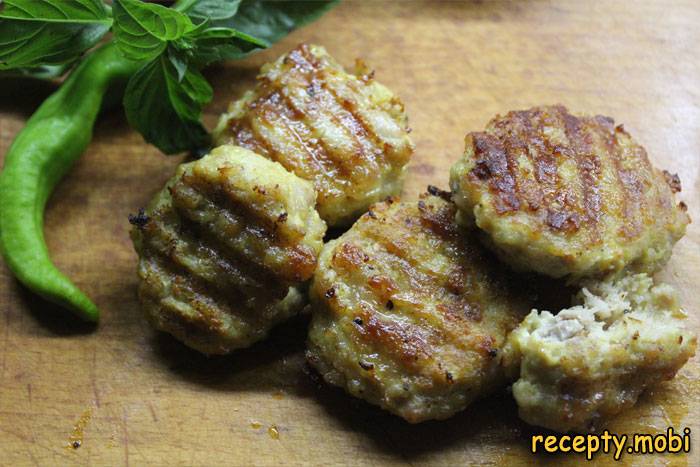
Chopped Pork Steak on a Grill Pan

Instructions
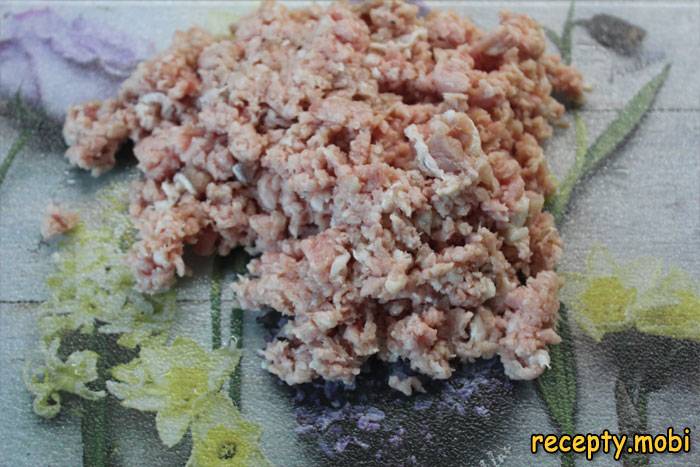
Chop the lightly fatty pork using a very sharp knife. The meat should be chopped, not minced in a meat grinder or blender. This way of chopping will make the patties very juicy and provides the signature bite-sized texture authentic to traditional preparations.
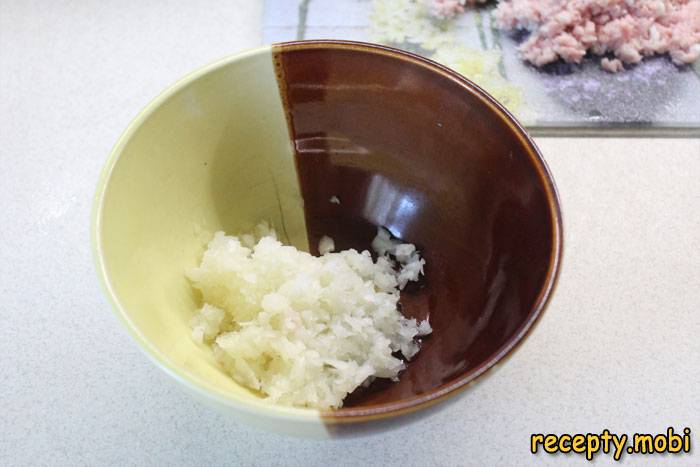
Blend the onion in a blender into a fine paste. The fine paste distributes onion flavor evenly throughout the meat without leaving distinct chunks.
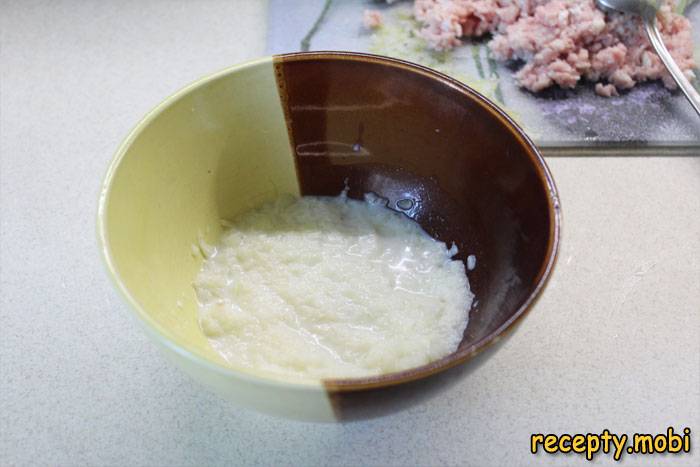
Pour the milk into the onion, mix the ingredients. The milk-onion combination provides moisture and tenderness essential to the proper finished patty texture.
Add spices to taste or a simple pepper mixture. Adjust seasonings to personal preference and intended cuisine inspiration.
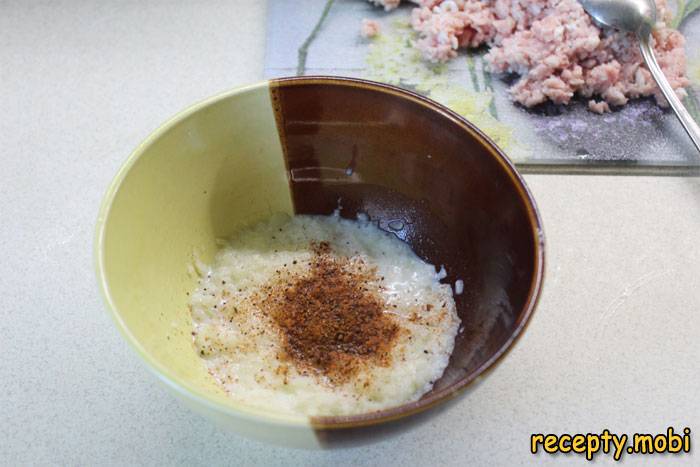
Beat a small egg into the mixture. The egg acts as binding agent that holds the chopped meat pieces together during the cooking process.
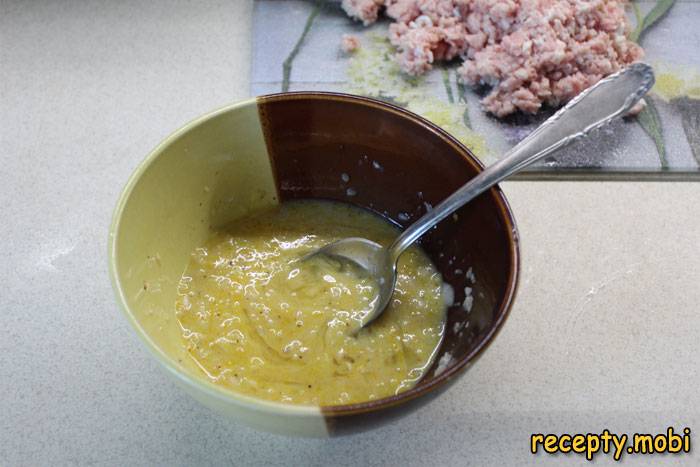
Combine the liquid mixture with the chopped meat. If the mixture becomes too runny due to the juiciness of the onion or the large size of the egg, you can add starch to the mince. Leave the meat mixture to infuse in the refrigerator for a quarter of an hour for proper flavor integration.
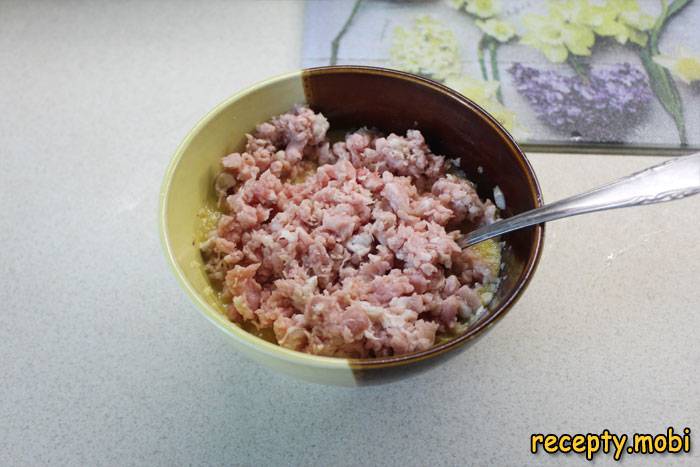
Form small round patties from the mince. Flour and other breading are not needed. Fry the patties over high heat (2 minutes on each side). Then, fry the chopped cutlets over low heat for another three minutes for proper finished doneness.
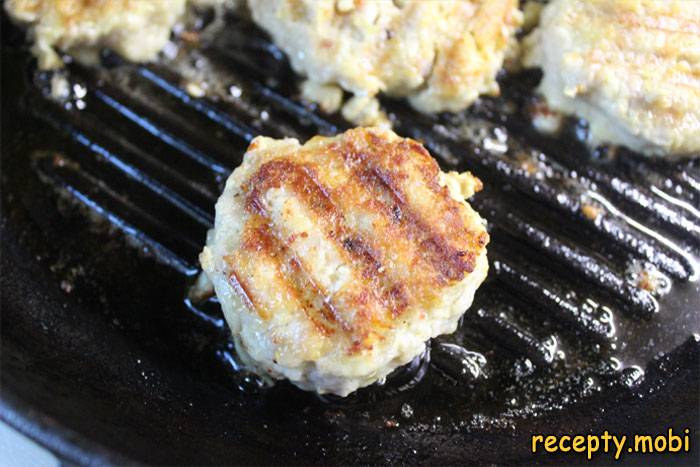
Place the cooked patties on a serving board. Juicy and tender cutlets are ready! Enjoy your meal!Chopped pork patty is an interesting alternative to favorite homemade cutlets on the grill. Traditionally, patties are made from fatty beef, but pork is also suitable. It will be not only more familiar for those who do not like beef but also juicier. Experiment with various types of meat and spices, and you will find the perfect patty option to your taste!


Tips
- 1
Use lightly fatty pork (15-20% fat content) for the juiciest finished patties. Lean pork produces dry tough patties; fatty pork produces juicy tender patties with proper finished mouthfeel and natural moisture retention. The fat content matters more than home cooks typically realize for finished patty quality and overall taste experience consistently across batches and various preparation methods. Pork shoulder or fresh ham trimmings are ideal cuts for proper fat balance throughout the patty.
- 2
Hand-chop with a very sharp knife rather than using a meat grinder for the best texture. Ground pork produces uniform pasty texture; hand-chopped pork shows distinct visible meat pieces with proper bite-sized character. The same hand-chop principle elevates many traditional patty preparations including other chopped meat steaks and similar Russian-style hand-prepared meat preparations across various cooking methods throughout the year.
- 3
Sear over high heat first, then finish over low heat for proper interior doneness. Constant high heat burns exteriors before interiors cook through; constant low heat produces pale gray patties without proper crust development. The two-stage cooking pays back significantly in finished patty quality consistently across batches. Use a heavy-bottomed grill pan for proper heat retention and authentic grill marks throughout the cooking process for proper restaurant-style results.
- 4
Serve hot with traditional Russian-style accompaniments for proper presentation. Cooled patties lose the juicy character that defines proper preparation; hot-from-the-pan patties show full juicy character at peak quality. Pair the hot patties with crusty homemade bread for traditional Russian dinner spreads, alongside mashed potatoes for substantial family meals, or with fresh garden salads for lighter summer meal presentations worth savoring at proper sit-down dinners.
FAQ
Can I substitute beef or chicken for pork? +
Yes, beef (preferably chuck or short rib) and chicken (preferably thigh meat) both work beautifully in this preparation. Beef produces the most traditional beefsteak character with substantial assertive flavor; chicken produces lighter milder finished results suitable for chicken-preferring eaters. Adjust cooking times based on protein choice for proper finished results across various meat preferences. The basic hand-chop technique stays identical regardless of meat choice for consistently excellent finished patty results across various family preferences.
How do I know when the patties are properly cooked? +
Properly cooked pork patties show internal temperature of at least 70 degrees Celsius (160 Fahrenheit) for food safety. Visual cues: clear juices when pierced (not pink), springy resistance when pressed (not soft), and proper golden-brown crust on both sides. Use a meat thermometer for foolproof doneness verification across batches. The pork must reach proper temperature to ensure food safety while maintaining the juicy character throughout the finished patty for proper restaurant-quality results.
Can I freeze the uncooked patties? +
Yes, formed uncooked patties freeze beautifully for up to 3 months. Place patties on parchment-lined trays, freeze until solid, then transfer to freezer bags for long-term storage. Cook from frozen by adding 5-7 extra minutes to the cooking time at lower heat for proper interior doneness. The make-ahead freezer option is excellent for batch cooking and quick weeknight meals throughout busy weeks consistently across various family meal preparations throughout the month ahead.
What spices work best with pork patties? +
Garlic, onion powder, smoked paprika, black pepper, thyme, rosemary, sage, marjoram, or pre-mixed Italian seasoning all work beautifully alongside the basic salt and pepper. Each spice produces distinct character: paprika adds smoky depth, thyme adds herbal complexity, sage adds traditional pork-pairing notes. Mix and match based on personal preference and intended cuisine inspiration for endless variations across various meal applications throughout the year for proper finished results.
- Comment
or post as a guest
Be the first to comment.