avg —
Chuchvara Uzbek style - a refined dish with Eastern flavor

Instructions
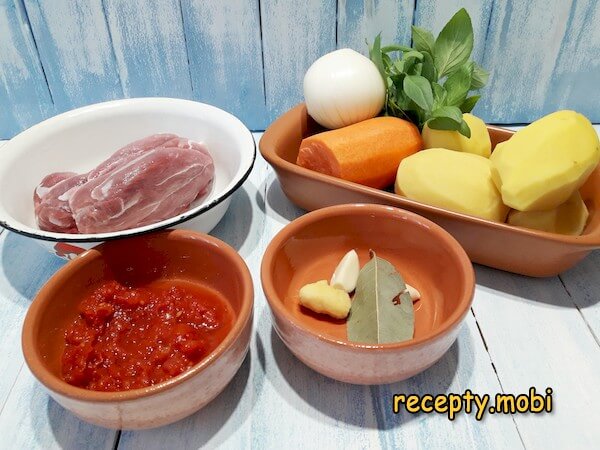
I prepare the broth ingredients. Meat should NOT be too lean — fatty pieces (with marbling) produce richer broth. The total water quantity (1350 ml) is calibrated for thick stew-soup consistency; deviate by no more than ±50 ml.
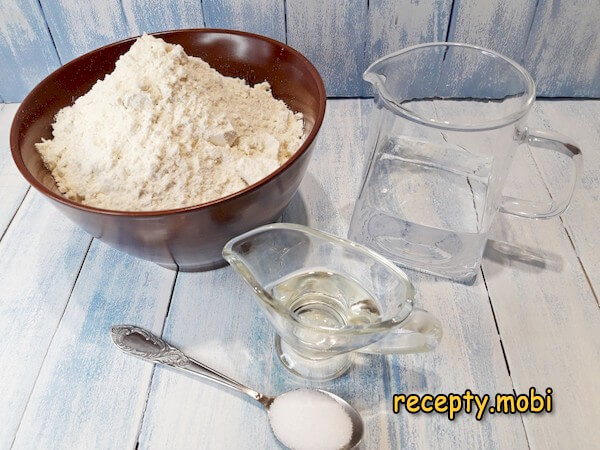
Gather dough ingredients. Water should be HOT (50-60 °C — finger-test should feel quite warm but not painful). Hot-water dough produces softer more elastic texture than cold-water dough. Sift flour beforehand for lighter result.
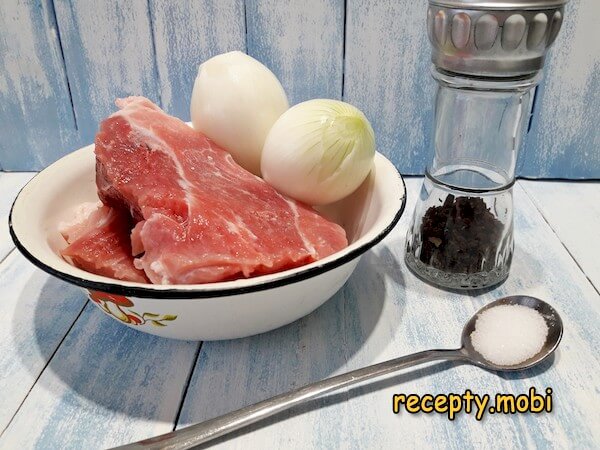
Prepare filling ingredients. If using lean meat, add 1/3 lamb fat or beef fat for proper juiciness. The 2 tbsp water in the filling is essential — it makes the cooked filling juicy rather than dry.
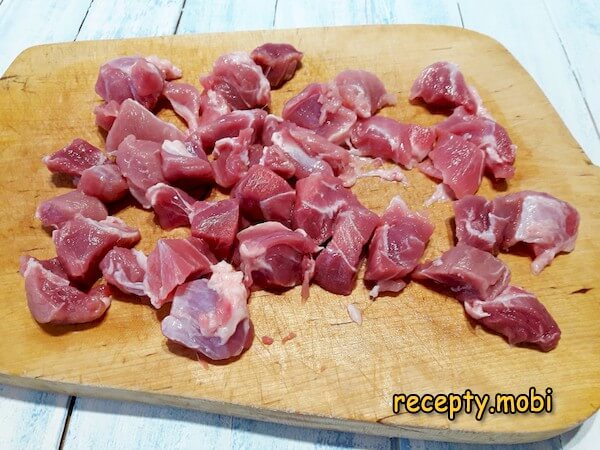
Start with broth meat preparation. Cut into small pieces (1.5-2 cm cubes — must fit alongside the dumplings in the final soup).
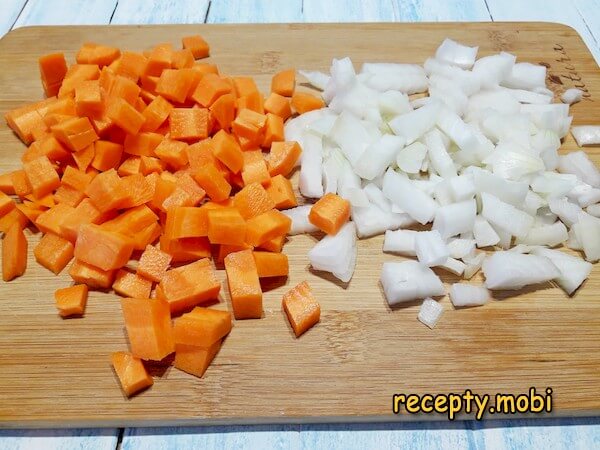
Cut broth onion and carrot into medium cubes (1 cm). Set aside.
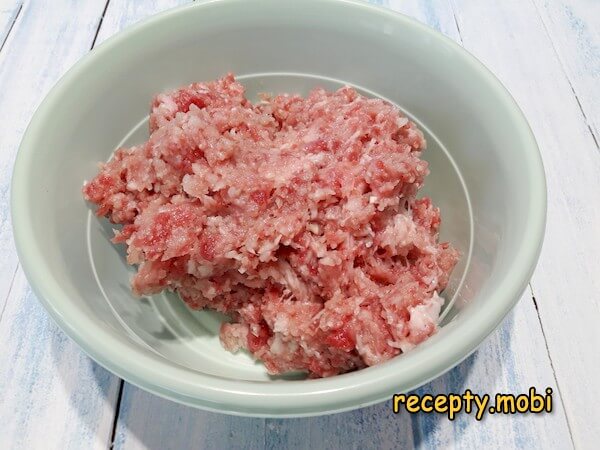
Grind the filling meat together with onion in a meat grinder (or food processor with chopping blade).
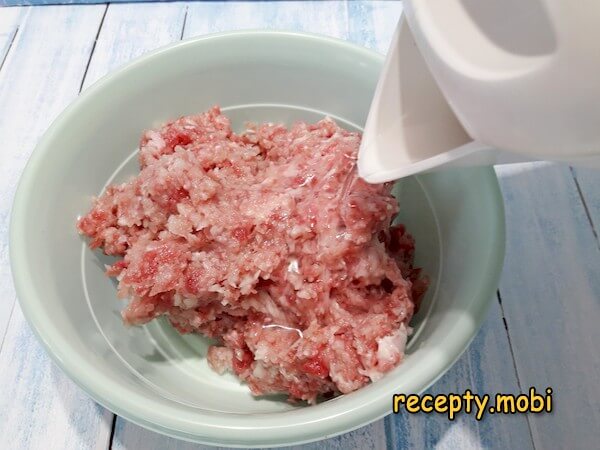
Add the 2 tbsp water to the filling. Knead with hands — the kneading distributes the water evenly through the meat and helps the protein develop structure.
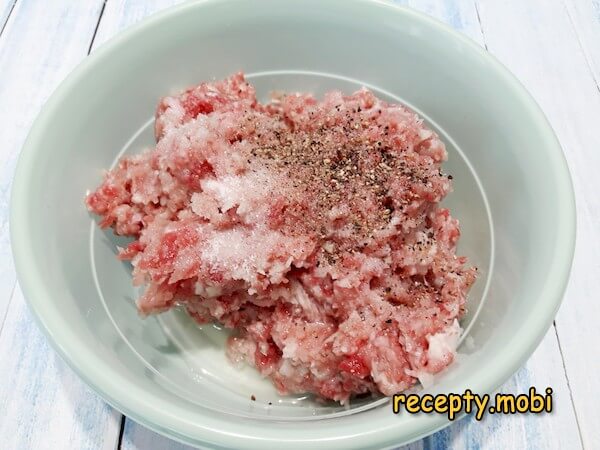
Add salt and black pepper to the filling. Knead again. Cover with plastic wrap; rest at room temperature while preparing other components.
Begin dough. Pour hot water into the bowl with sifted flour and salt.
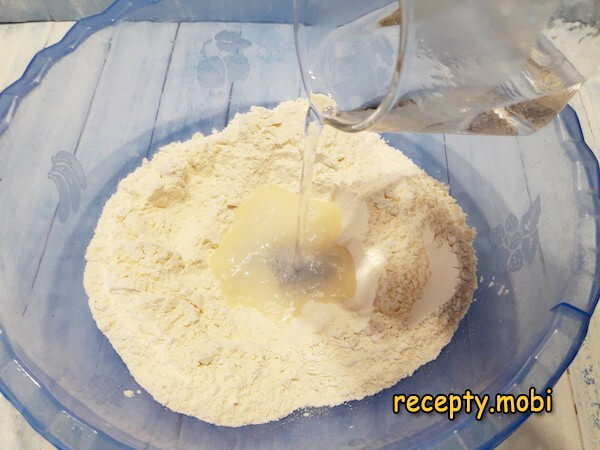
Stir with a spoon until rough mixture forms. Add the vegetable oil.
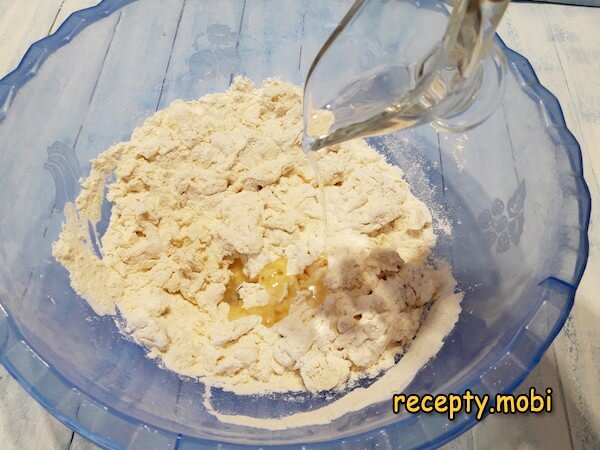
Knead by hand in the bowl until shaggy mass forms.
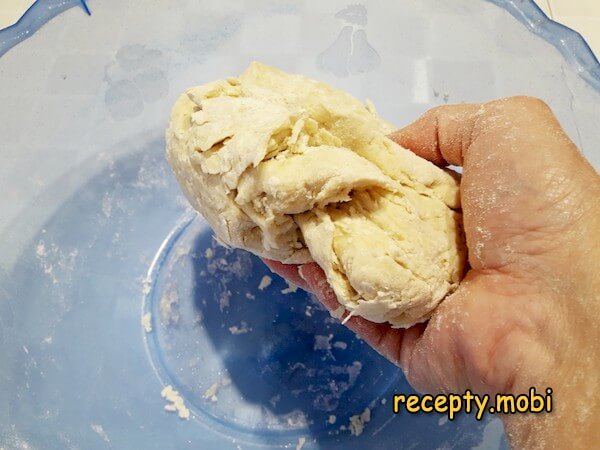
Continue kneading on a floured table for 5 minutes — develops the gluten that gives the dumplings their structure.
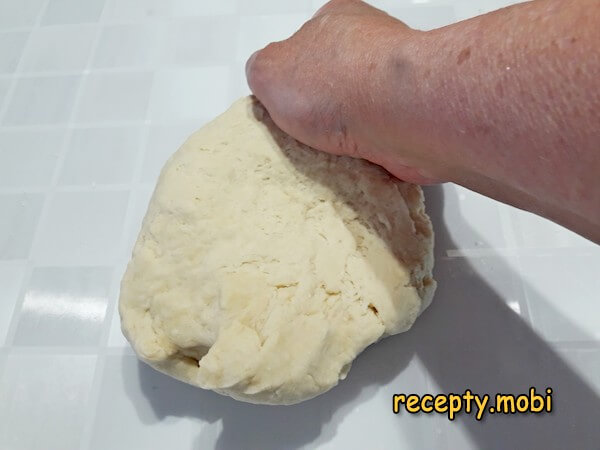
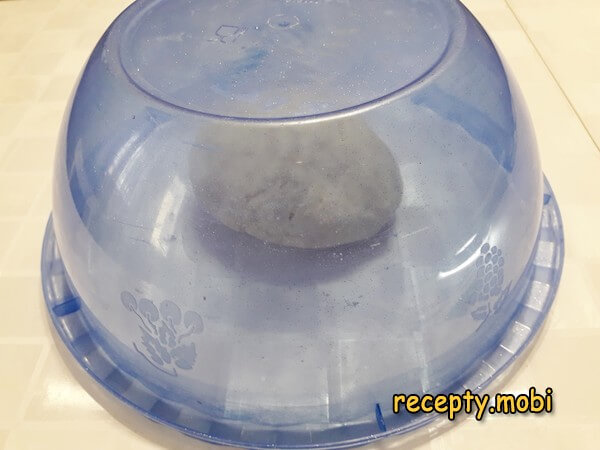
The dough becomes soft, smooth, and homogeneous. Cover with an inverted bowl; let rest while preparing the broth.
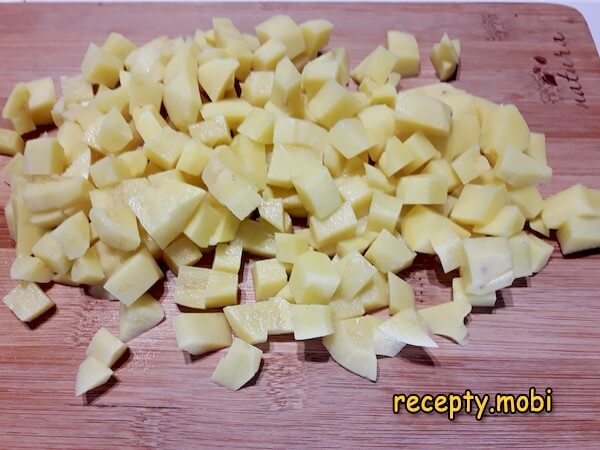
Continue broth vegetable prep. Dice potatoes finely (1 cm cubes — small enough to cook through in the time available).
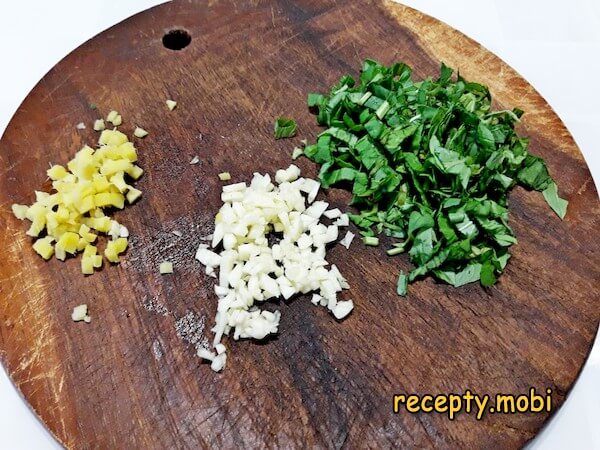
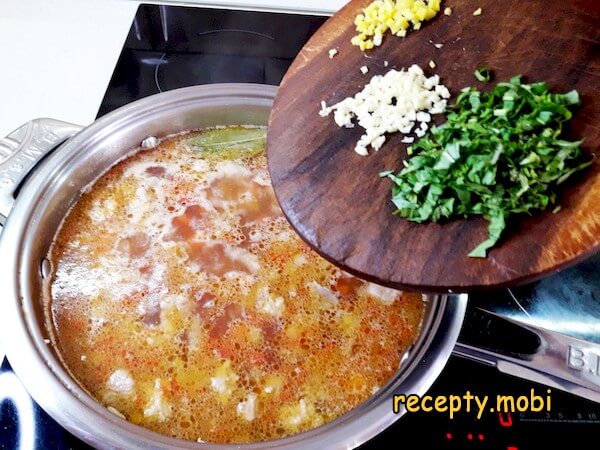
Mince garlic, ginger, and basil with a knife. The aromatic trio (garlic + ginger + basil) is the broth's flavour signature.
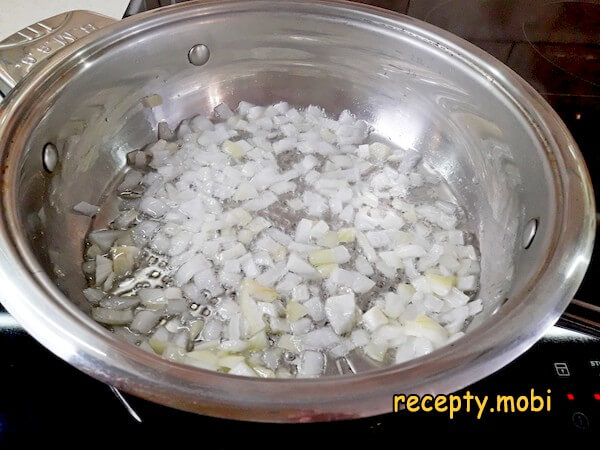
In a deep frying pan or wide pot, heat 20 ml vegetable oil. Sauté the broth onion until just softened (translucent, not browned).
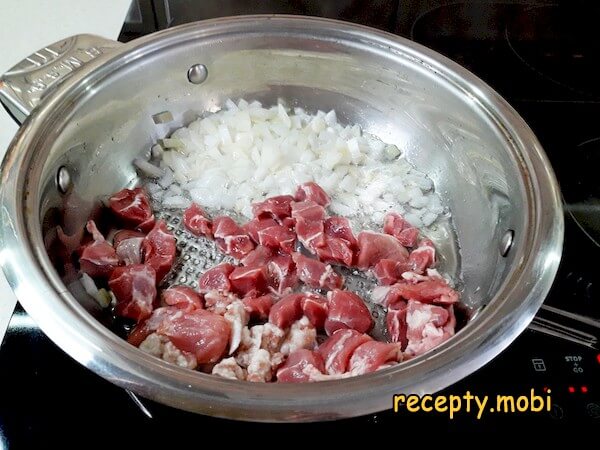
Push the onion to one side. Add the broth meat pieces to the empty space. Sauté on max heat 2 minutes for browning. Stir the onion side periodically to prevent burning.
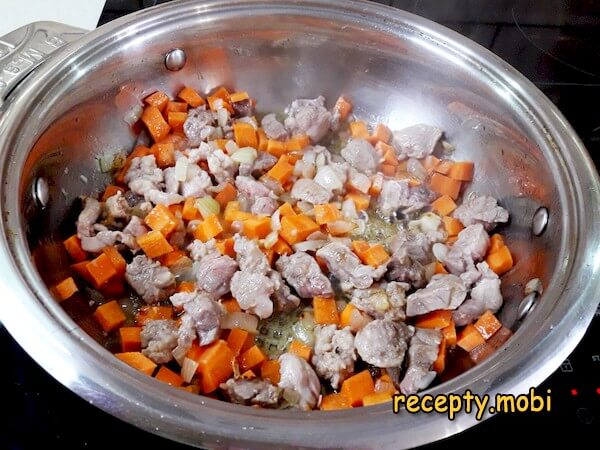
Add carrot cubes; mix everything; reduce heat to medium.
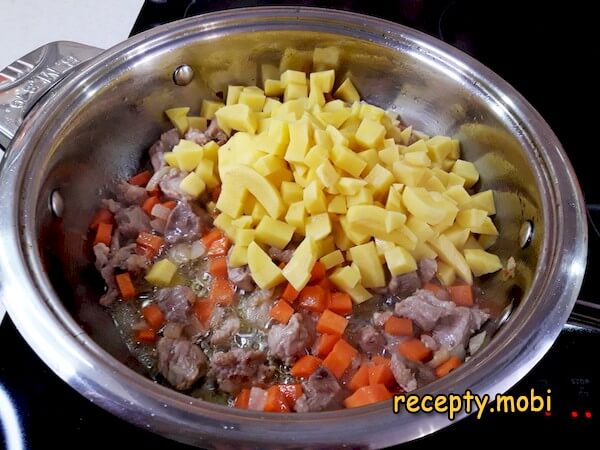
After 1 minute, add the diced potatoes.
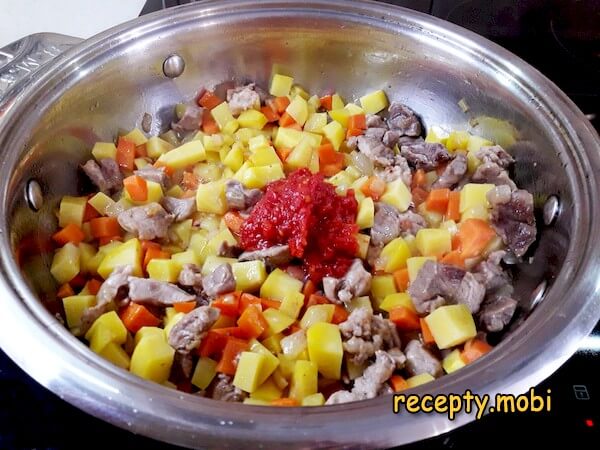
Add canned tomatoes (or tomato paste). Increase heat back to high; sauté 30 seconds — the tomato briefly fries with the vegetables, deepening the flavour.
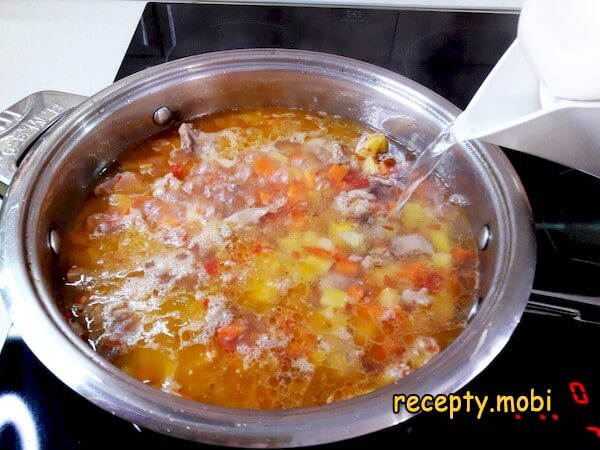
Pour in hot water (1350 ml).
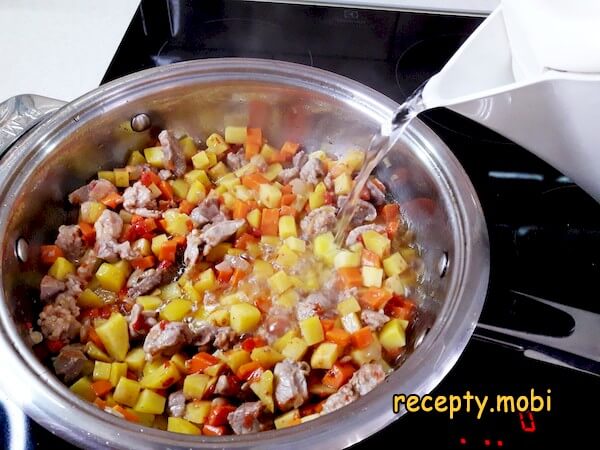
The soup should be thick (vegetables visible above liquid line in places) but with enough room for the dumplings to be added later.
Add the aromatic spices (garlic, ginger, basil, bay leaf) and salt.
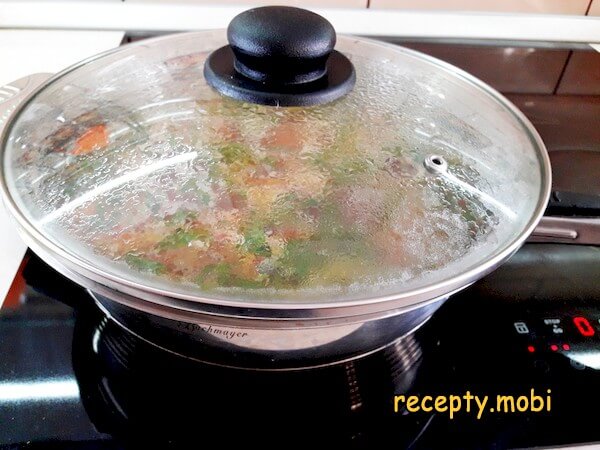
Bring to a boil. Reduce heat, cover with lid, simmer 40 minutes — meat tenderises, vegetables soften, broth deepens in flavour.
The 40 minutes is exactly the time needed to shape the dumplings. The rested dough is now elastic and smooth. Knead once more briefly.
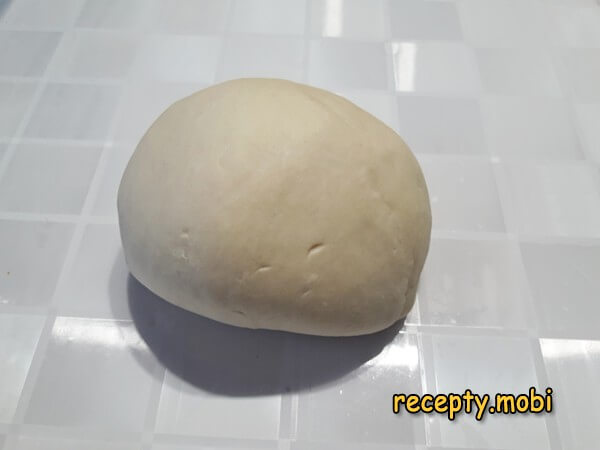
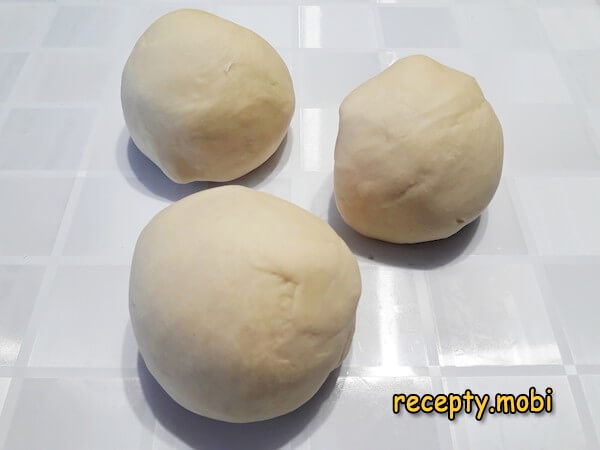
Divide the dough into 3 portions for easier handling (one large piece is awkward to roll out).
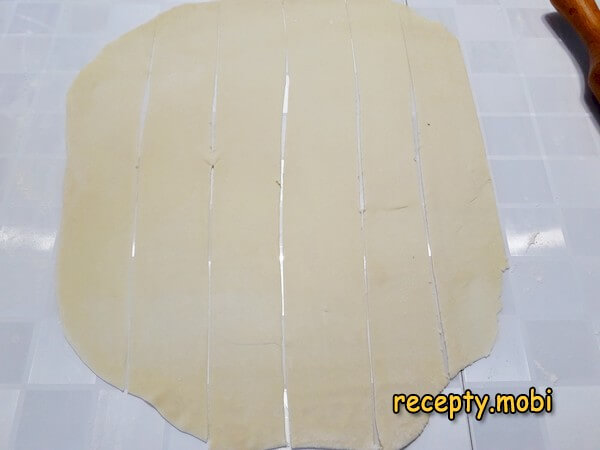
Roll one portion thin (2-3 mm). Cut into strips 5-6 cm wide. Cover other portions with cling film to prevent drying.
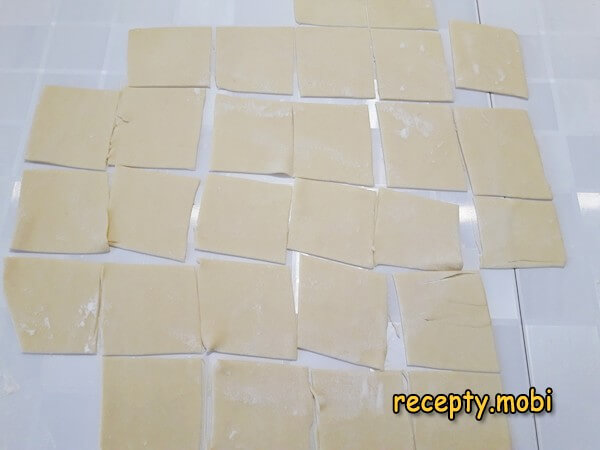
Cut strips into squares (5-6 cm × 5-6 cm). The square size is calibrated for proper triangle dumpling proportions.
Place a small ball of filling (1/2 tsp) in the center of each square. Don't overfill — too much filling prevents proper sealing.
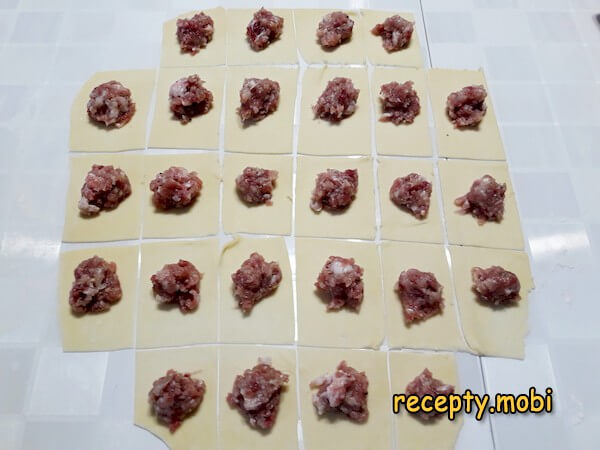
Fold each square diagonally, creating a triangle. Press the edges firmly to seal the filling inside.
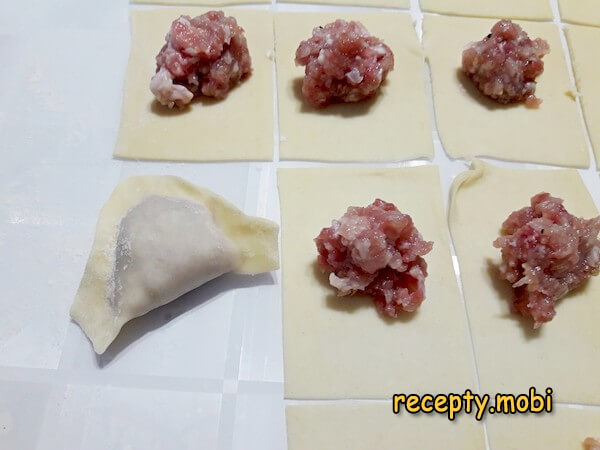
Bring the two ends of the wide part (base of the triangle) together, joining them — this creates the characteristic chuchvara shape (similar to Italian tortellini).
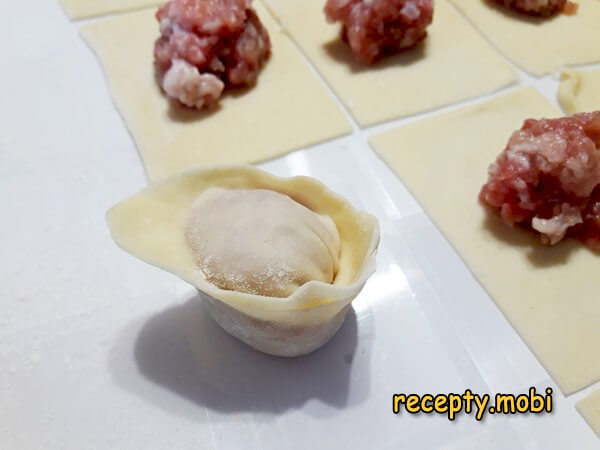
Transfer shaped dumplings to a flour-dusted board (prevents sticking together). Continue with remaining dough portions.
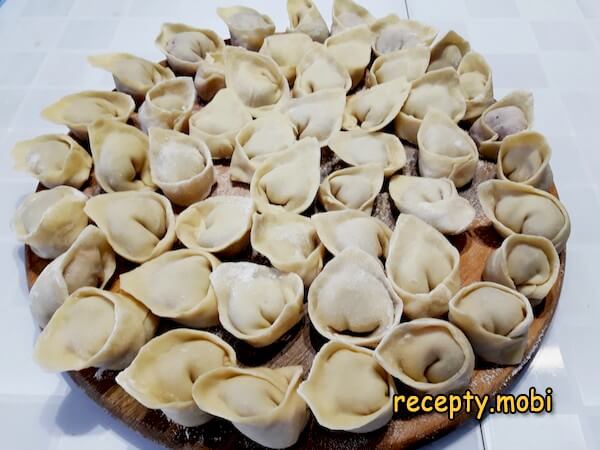
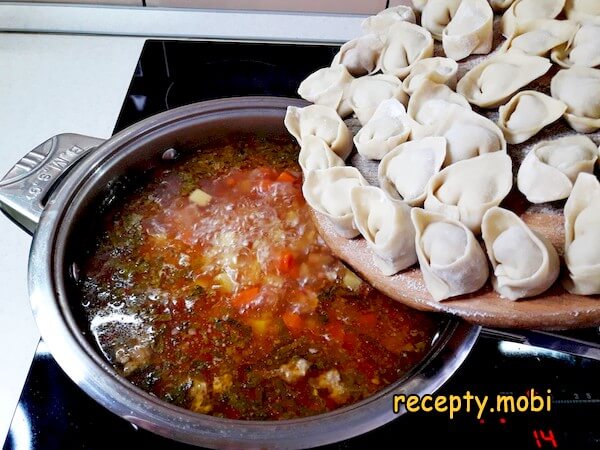
After the broth's 40 minutes, increase heat to high. Add ALL the dumplings to the soup. The mixture is thick — gently stir from the bottom up with a spatula to circulate the dumplings without crushing them.
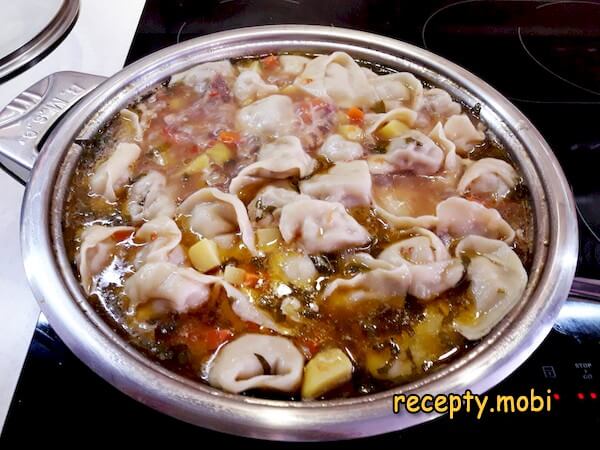
After the soup returns to boiling, cook 2 more minutes, then turn off heat and let stand covered 2 more minutes (gentle final cooking from residual heat). The Uzbek-style chuchvara is ready.Serve immediately — chuchvara is at its best fresh from the pot. Ladle into individual bowls; optional finish with fresh herbs (cilantro, parsley, dill). The aromatic, juicy, hearty dish is genuinely memorable; first-time eaters typically request it again. Pairs perfectly with flat Uzbek bread or naan for sopping up the broth.


Tips
- 1
THE TWO-MEAT-COMPONENTS IS DESIGN. The recipe uses meat in BOTH the broth (200 g) and the filling (300 g) — a deliberate flavour-layering technique. The broth meat contributes to the broth's richness; the filling meat creates juicy dumpling interiors. Using meat only in one component produces an unbalanced result. Don't shortcut by combining the meat into single-source — the dual-meat structure is what creates chuchvara's distinctive layered flavour profile. Total meat: 500 g serves 6 people (~83 g per portion, generous).
- 2
THE HOT-WATER DOUGH IS CRITICAL TEXTURE. Step 9's hot-water (50-60 °C) instruction directly determines dumpling quality. Hot-water doughs (also called "scalded" or "hot-water" dough) produce softer, more elastic texture that holds up better in soup without splitting. Cold-water doughs are tougher and more prone to splitting during the boil. The same technique appears in Chinese dumpling-making and other Central Asian dough traditions. For another Uzbek soup-stew dish to compare technique, see Makhshurda in Uzbek Style.
- 3
THE WATER-IN-FILLING IS JUICINESS HACK. Step 7's "2 tbsp water in the filling" instruction seems strange — why add water to meat that will be wrapped in dough and boiled in soup? The answer: the kneading distributes the water through the meat protein structure; during cooking, this water turns to steam INSIDE the sealed dumpling, creating the juicy explosion effect when bitten into. Without water: dry compact filling. With water: succulent juicy filling. Same technique works in soup dumplings (xiao long bao) and other juicy-dumpling traditions.
- 4
THE FINAL-2-MINUTE-REST IS GENTLE FINISHING. Step 34's "off-heat covered 2 minutes" instruction may seem optional — it's not. The residual heat continues cooking the dumplings to perfect doneness without the violent boiling that could split open under-sealed dumplings. The covered rest also lets the broth flavours integrate with the dumpling filling through gentle infusion. Skipping this step: dumplings either undercooked (premature serving) or splits-and-leaks (over-boiling). The 2-minute rest is the precision finish. For another Uzbek noodle-format dish worth trying, try Fried Lagman Uzbek Style.
FAQ
How is chuchvara different from regular dumplings? +
Chuchvara are smaller and triangular-shaped (rather than the typical half-moon pelmeni); they're served IN broth as a soup-dumpling combination (rather than separately as pelmeni or vareniki); and the broth is part of the dish (not just a cooking medium). The size difference is significant — chuchvara are tiny (suitable for single-bite eating), pelmeni and most Western dumplings are larger (multi-bite). The triangular shape is achieved by the diagonal-fold + base-joining technique. Cultural origin: chuchvara comes from Uzbek/Central Asian cuisine, while pelmeni is Russian, vareniki is Ukrainian, and pierogi is Polish.
What meat works best? +
Lamb is the most traditional and authentic choice for chuchvara — Central Asian cuisine relies heavily on lamb. Beef works very well as a substitute (more available in Western markets, similar flavour profile). Beef-lamb 50/50 mix is excellent (combines the qualities of both). Pork is used in some modern Uzbek-influenced restaurants (though not authentic to Muslim Uzbek tradition). Avoid: chicken (too lean for the filling, wrong flavour), turkey (similar problems), pure veal (too delicate). The traditional answer: 50% lamb (any cut) + 50% beef (chuck or shoulder) = perfect chuchvara filling.
Can I freeze the dumplings? +
Yes — and this is highly recommended for big-batch preparation. Method: shape the dumplings, place on a flour-dusted tray (single layer, not touching), freeze flat 1-2 hours, then transfer to bags. Frozen flat dumplings stay separate; bag-frozen-without-tray-step often clump together permanently. Storage life: 3 months in freezer. Cooking from frozen: add directly to boiling soup, cook 4-5 minutes (vs 2 minutes for fresh). The freezing step actually IMPROVES the dough texture slightly — freeze-thaw weakens the gluten just enough for tender bite. Freeze a triple-batch on a free afternoon, eat homemade chuchvara for weeks.
Why is the dough so important? +
Dumpling success depends 50% on filling quality and 50% on dough quality. Good dough: thin enough not to dominate, strong enough to hold the filling without splitting, soft enough for tender bite. Bad dough: thick chewy or thin and tearing. The hot-water + extended kneading + rest sequence in this recipe produces consistently good dough. The 2-3 mm thickness is the sweet spot — thinner risks tearing, thicker dominates the bite. Don't substitute store-bought wrappers (different formulation, often too thick); the homemade dough is genuinely necessary for proper chuchvara.
- Comment
or post as a guest
Be the first to comment.