avg —
Cinnamon Rolls from Yeast Dough

Instructions
First, prepare the dough starter. You need to combine sugar with yeast and thoroughly rub the components together. Pour in the warm water (temperature up to forty degrees). Let the starter rise for a quarter of an hour for proper yeast activation.
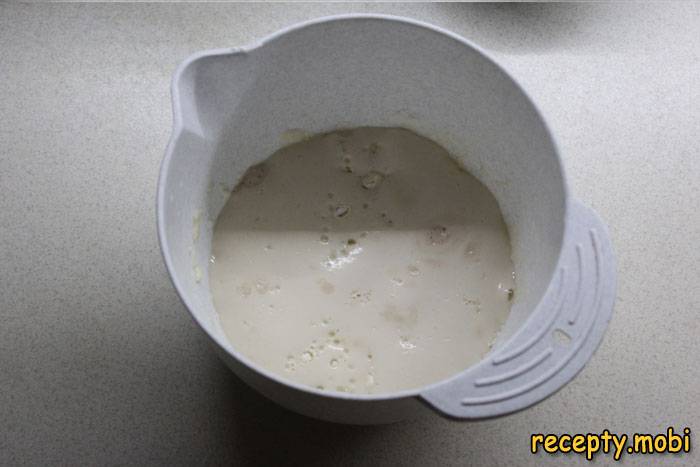
Pour odorless oil into the starter, add salt and flour. After that, knead a soft dough. The mass should not stick to your hands. Leave the dough in a warm place to rise. An hour should be enough, but you can also let the dough rise for less time - about forty minutes. It is important to focus on the size of the dough - it should double in size.
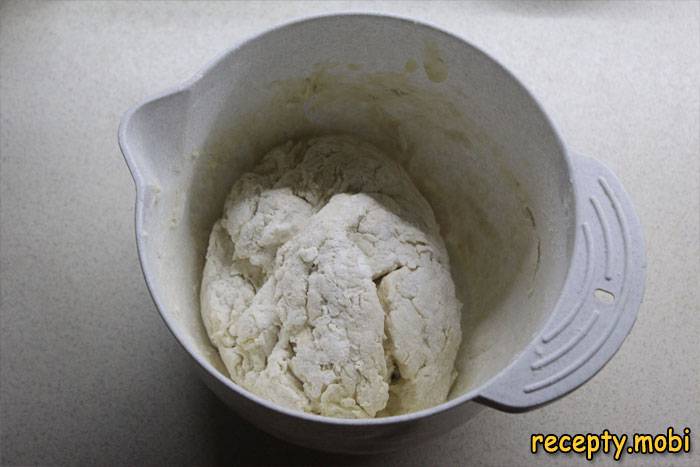
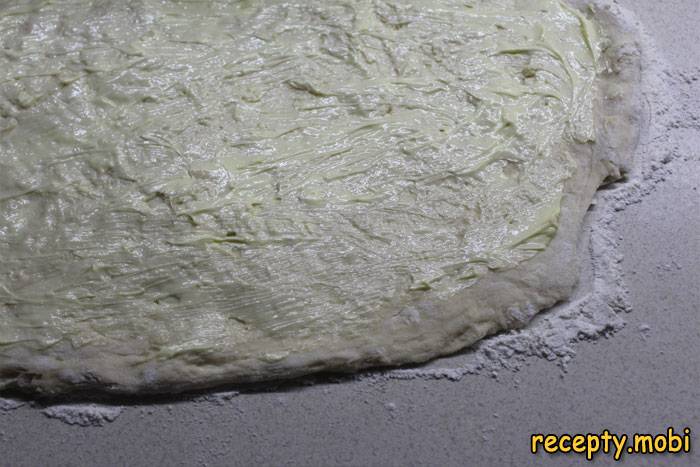
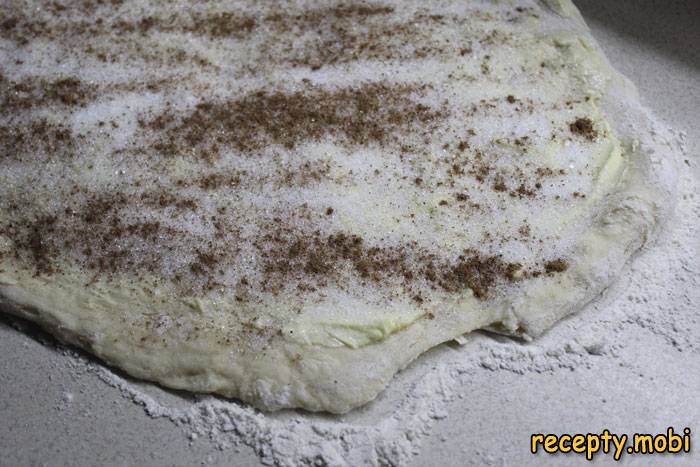
Roll out the risen dough into a thick layer. Generously grease the layer with softened butter for proper finished cinnamon swirl.
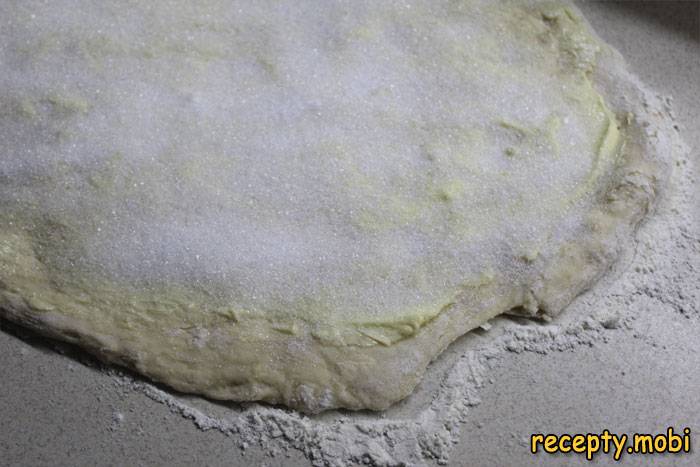
Liberally sprinkle the dough with sugar to taste for proper finished sweetness throughout.
Add cinnamon to taste. You can also add vanilla or ground nutmeg to the rolls for varied finished aromatic character.
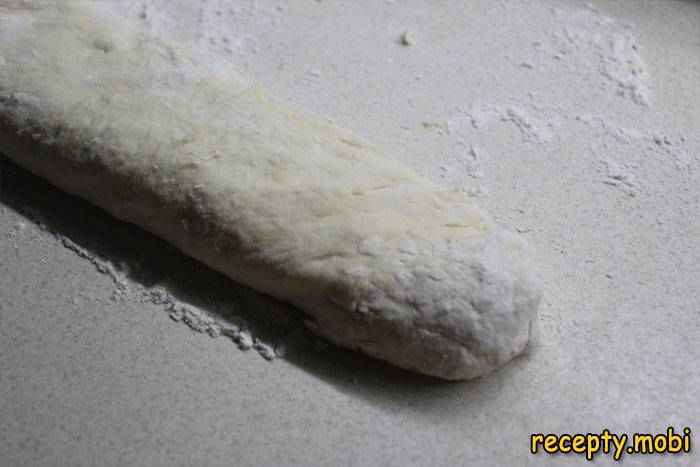
Roll the layer of dough into a neat roll for proper finished swirl pattern.
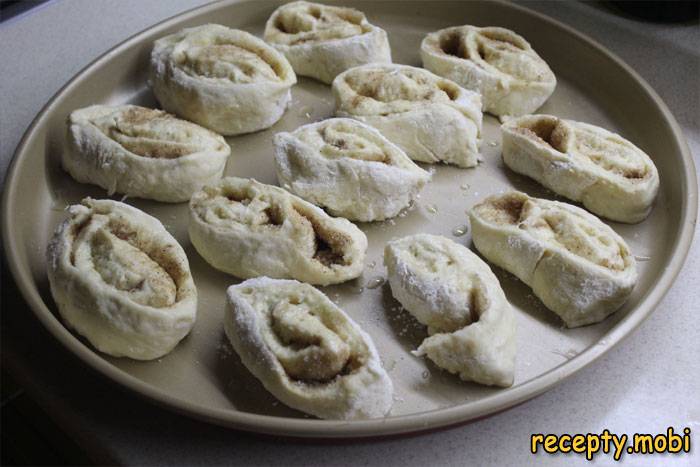
Cut the roll into small buns. Place the dough pieces on a baking sheet. Bake the buns at 220 degrees for about 20-30 minutes until golden brown for proper finished color development.
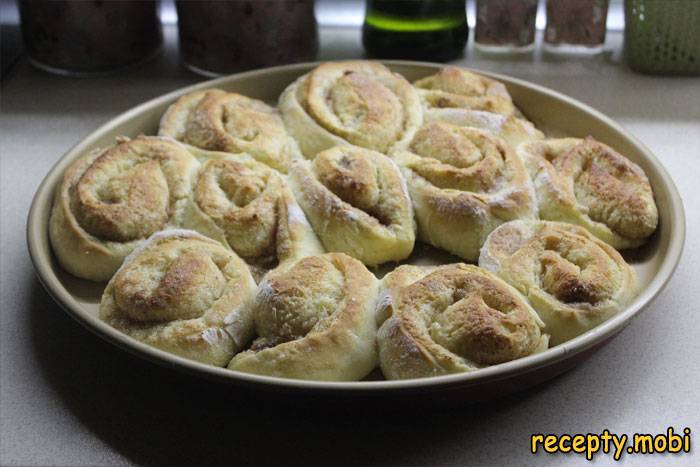
Fragrant, tasty, and soft sweets are ready! Now you can serve the treat to the table. Enjoy your meal!Cinnamon rolls made from yeast dough will be a great addition to a cup of tea or coffee. They are soft, moderately sweet, fluffy, and very aromatic. Cinnamon and butter give the pastry an interesting flavor.


Tips
- 1
Use Ceylon cinnamon (true cinnamon) for the most aromatic finished rolls. Cassia cinnamon (most common in stores) is acceptable but produces sharper less complex finished character; Ceylon cinnamon produces the proper warm sophisticated character authentic to traditional Scandinavian cinnamon-roll preparations. The cinnamon variety choice matters more than home cooks typically realize for finished roll quality and overall taste experience throughout family baking sessions consistently across batches and various preparation methods reliably.
- 2
Let the dough rise in a warm draft-free spot for proper finished texture. Cool drafty areas slow yeast activity producing dense disappointing finished rolls; warm consistent environments produce the proper fluffy character authentic to traditional yeast-dough preparations. The same warm-rise principle elevates many yeast preparations including rich yeast dough for pies and turnovers and similar enriched-dough preparations across various baking applications throughout the year.
- 3
Use softened butter (not melted) for proper finished cinnamon swirl. Melted butter runs off the dough surface unevenly producing inferior results; softened butter spreads evenly creating the proper distributed cinnamon-sugar layer authentic to bakery-quality rolls. The butter temperature matters significantly for finished roll quality consistently across batches and various cinnamon-roll preparations throughout the year for proper restaurant-style results worth showcasing at family weekend breakfast tables consistently.
- 4
Serve warm with traditional accompaniments for proper presentation. Cool rolls lose the magic that defines proper bakery-style service; warm-from-the-oven rolls show full aromatic character at peak quality. Pair the warm rolls with crusty homemade bread alternatives for substantial breakfast spreads, hot tea or coffee for traditional accompaniment, or with cream cheese frosting drizzle for elegant brunch presentations worth showcasing.
FAQ
Can I add icing to the rolls? +
Absolutely — cream cheese icing, simple sugar glaze, vanilla buttercream, or maple drizzle all work beautifully on top of the baked cinnamon rolls. Each option produces distinct character: cream cheese is most American-style classic, sugar glaze is most universally appealing, maple is most autumnal. Apply icing while rolls are still slightly warm for proper drizzle behavior; cool completely before applying frosting for proper finished presentation across various entertaining occasions throughout the year.
How long do the rolls keep? +
Stored covered at room temperature, the rolls keep for 2-3 days at peak quality. Refrigeration extends storage to 5 days but firms the texture noticeably; reheat in 180-degree oven for 5 minutes to restore softness. The rolls freeze well wrapped tightly for up to 2 months — thaw at room temperature for 1 hour before reheating for proper restored quality across multiple breakfast servings throughout the week ahead consistently across various entertaining occasions.
What other fillings work besides cinnamon-sugar? +
Chocolate-hazelnut spread, jam, dulce de leche, pecan-brown sugar, cardamom-sugar, lemon-poppy seed, or apple-cinnamon all work beautifully as alternative fillings. Each filling produces distinct character: Nutella is most modern, jam is most universally appealing, cardamom is most Scandinavian-style. Mix and match based on personal preference and seasonal inspiration for endless variations across various sweet-bun traditions throughout the year for proper personalized finished roll variations.
Can I use dry yeast instead of fresh? +
Yes, substitute 8g of active dry yeast or instant yeast for the 25g of fresh yeast in this recipe. Dissolve the dry yeast in the warm water with sugar, wait 10 minutes for activation bubbles to confirm freshness, then proceed with the recipe as written. Both yeast types produce equally excellent finished results across various roll applications. The fresh yeast is most traditional Scandinavian-style; the dry option is most convenient for modern home kitchens consistently throughout the year.
- Comment
or post as a guest
Be the first to comment.