avg —
Cottage Cheese Casserole with Blackcurrants in the Oven

Instructions
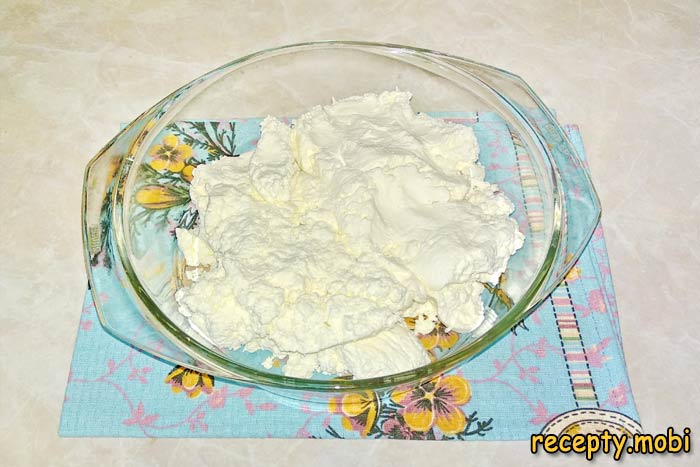
First choose tasty homemade or store-bought cottage cheese. The fat content is up to personal preference; any cottage cheese works for this casserole. Place the cottage cheese in a bowl ready for mixing.
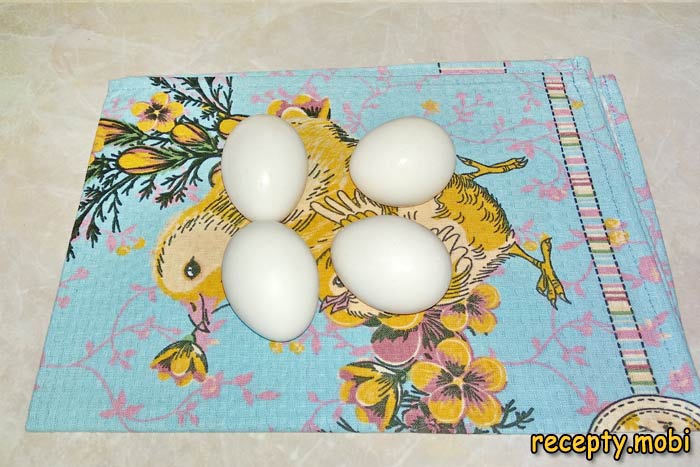
You will also need fresh chicken eggs. The eggs must be fresh; do not separate the eggs and beat them separately for this recipe — the whole eggs go in together.
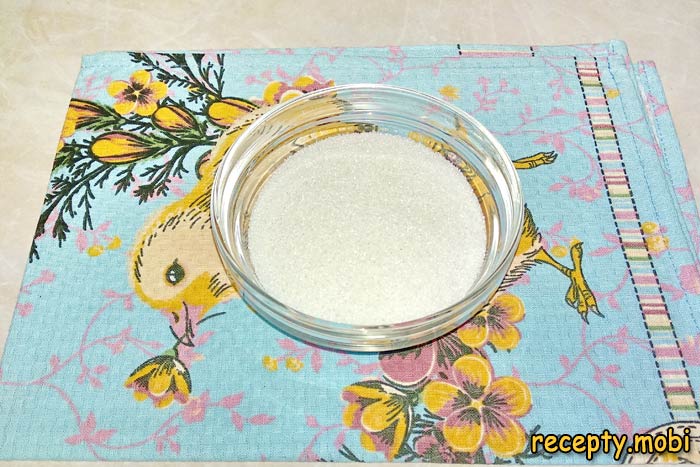
You will need sugar. Adjust the amount to recipe or personal taste — a little more for sweet tooths, a little less for those who prefer subtle desserts.
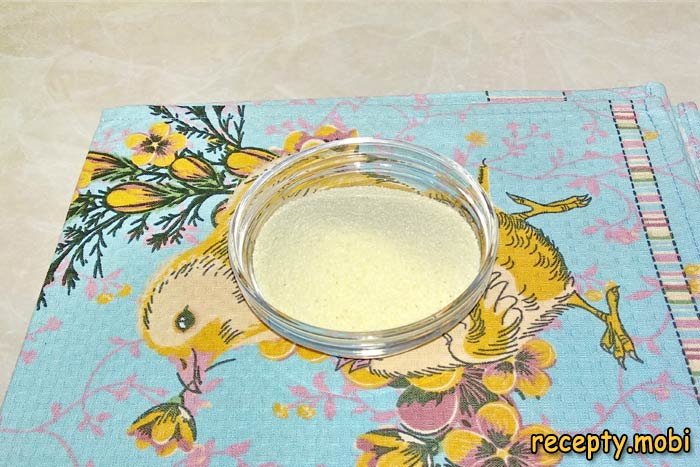
This cottage cheese casserole is made without flour, only with semolina. The amount of semolina can also be adjusted; more semolina produces firmer texture, less produces creamier results.
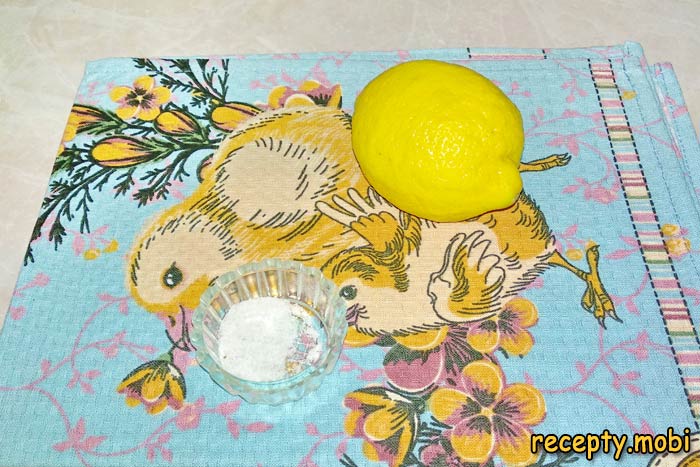
Add a pinch of salt to any dish, even sweet ones — salt sharpens the perception of sweetness without adding salty taste. The casserole becomes more aromatic with vanilla, but citrus pairs excellently with cottage cheese too. The zest of half a lemon and lemon juice add pleasant brightness to the dessert.
Add a little sour cream to the cottage cheese mixture. Any fat content of sour cream works; higher-fat versions produce richer casserole.
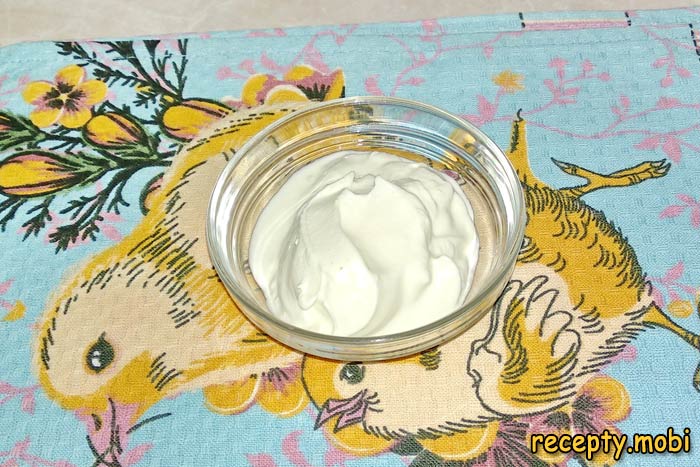
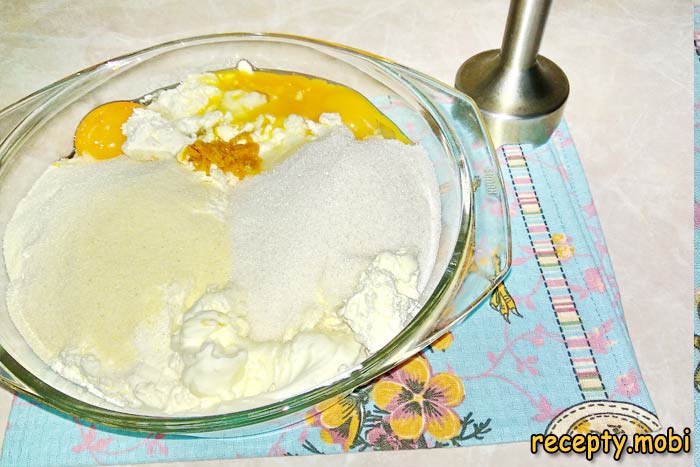
Add all the prepared ingredients to the bowl with cottage cheese. Have everything assembled before mixing for a smoother workflow.
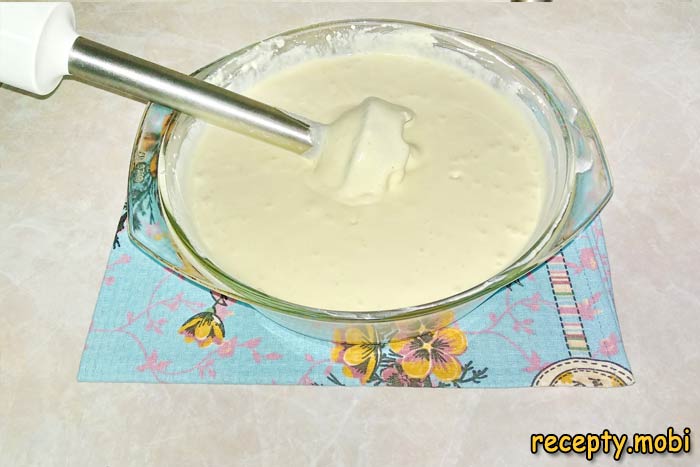
Using a blender, mix into a homogeneous mass. If you prefer the cottage cheese curds to remain visible, simply mix the mass with a fork instead. Both styles produce delicious casserole with slightly different textures.
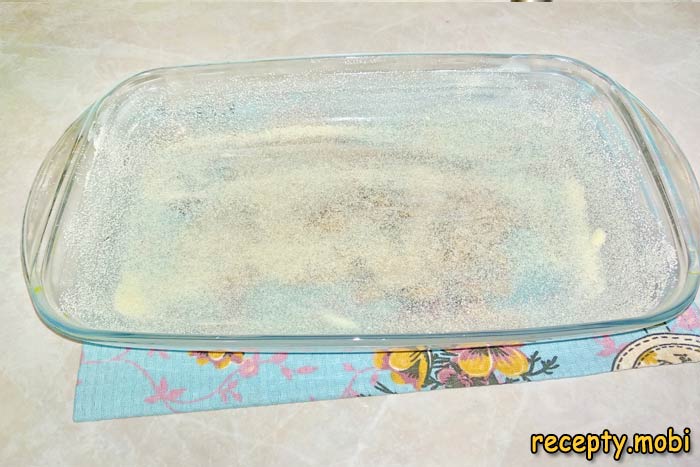
Grease a suitable baking dish with butter, using a small amount. Sprinkle the dish with semolina or breadcrumbs. Glass and ceramic dishes work well, as do cake pans and springform pans for biscuit. Springform pans should also be lined with parchment paper for easy release.
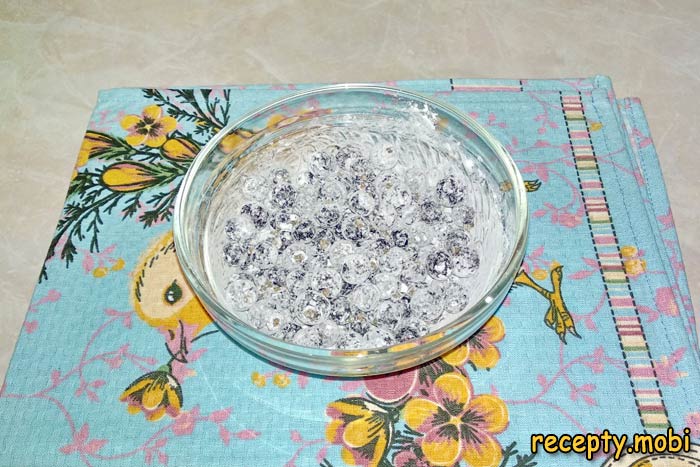
In a bowl with frozen currants, add starch and mix well so each berry is completely coated. The starch coating prevents the berries from sinking to the bottom and keeps the juices contained during baking.
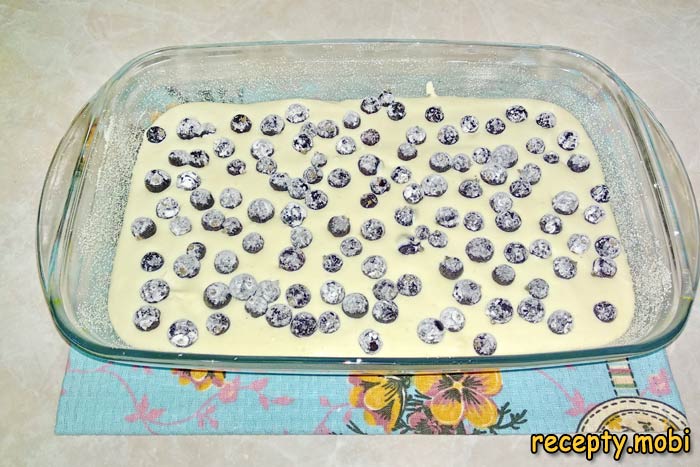
Pour half of the cottage cheese mass into the mold and level it with a silicone spatula. Evenly distribute the blackcurrants over the entire surface in a single layer.
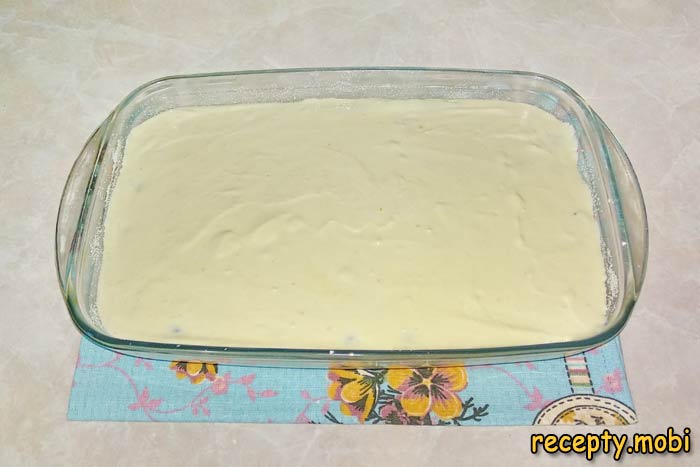
On top of the berries, lay the remaining cottage cheese mass. During baking, the cottage cheese mass rises significantly, so fill the mold just over half full to allow room for expansion.
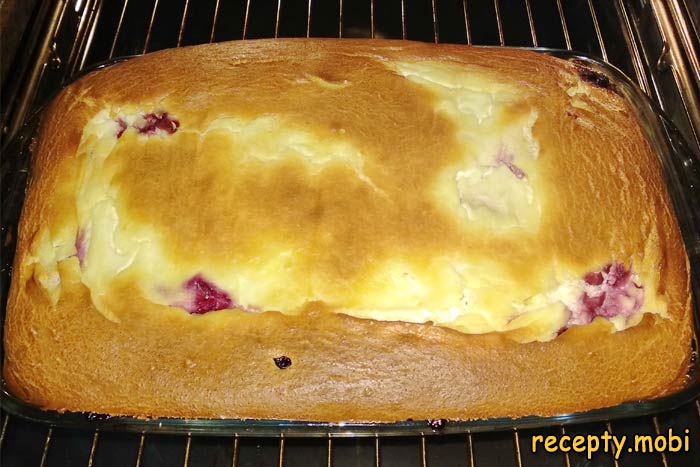
Preheat the oven to 180°C, upper-lower level, and bake for forty to fifty minutes. The exact cooking time depends on the oven’s capabilities. The casserole rises beautifully in the oven — first the sides and gradually the center. The casserole is ready when the center has risen and the dish is beautifully browned on top. If the edges brown too fast while the center is still rising, cover with foil or parchment to prevent the crust from burning.
After the casserole is ready, turn off the oven but do not rush to take out the dish. The casserole should rest for ten to fifteen minutes. During this time, the casserole slightly drops and tightens to its final structure. While still warm, sprinkle with powdered sugar, or wait for complete cooling before decorating.
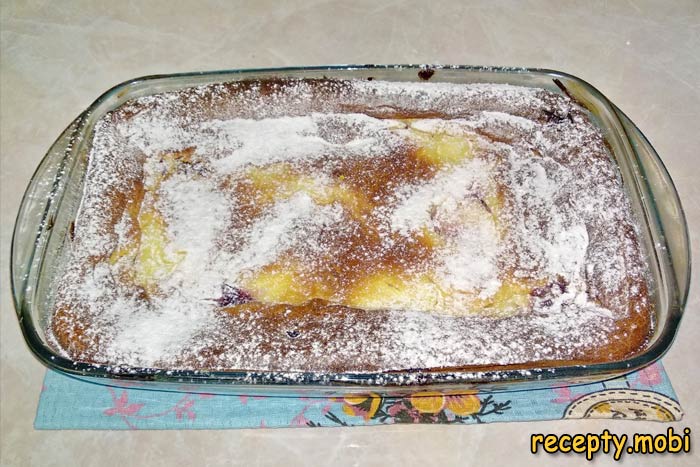
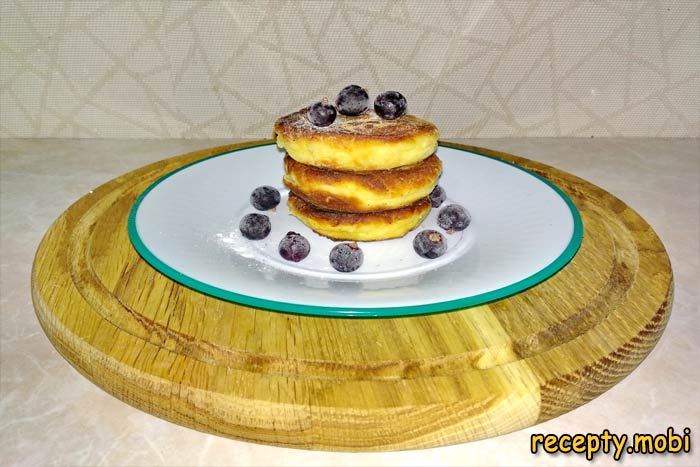
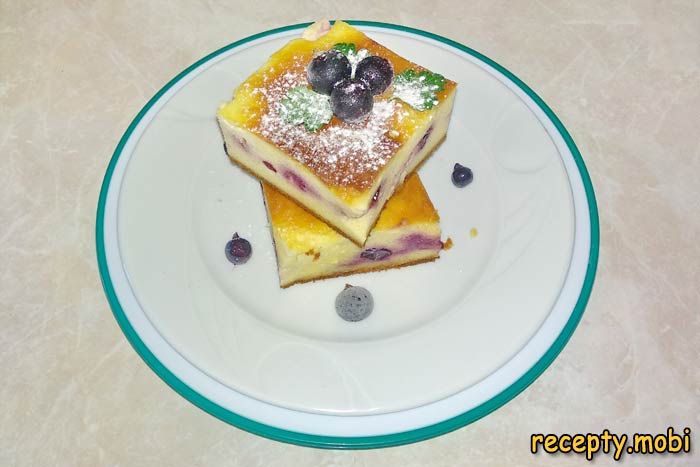
Cut the cottage cheese casserole with blackcurrants into pieces and serve at the table with morning tea or cocoa. Add berries or jam if desired. This breakfast pleases the little ones — they will surely ask for seconds. Experiment with the dish using different fruits and berries, jams, and pieces of chocolate. The basic recipe is highly adaptable, producing a new variation each time.


Tips
- 1
Use dry, fresh cottage cheese for the most successful casserole. Wet curd unbalances the moisture-to-egg ratio and produces wet, rubbery casserole that fails to rise properly. Drain very wet curd in cheesecloth for an hour before using. Russian-style farmer’s cheese (tvorog) is the gold standard. The dryness of the curd is the single most important quality factor in the recipe.
- 2
Toss frozen berries in starch before adding to the casserole. The starch coating absorbs the berry juices that release during baking, preventing the casserole from becoming purple-stained and mushy. The same starch-coating trick works for any frozen-fruit-in-baked-good situation. Pair with classic syrniki for a complete cottage cheese breakfast spread.
- 3
Do not skip the resting time after baking. The casserole continues setting from residual heat during the 15-minute rest. Cutting too soon releases steam that should be absorbed back into the casserole, leaving dry slices. The rest also allows the structure to firm up enough for clean slicing. Patience pays off in better appearance and texture.
- 4
Serve with sour cream, fresh berries, or jam on the side rather than mixed in. The contrast of cool topping against warm casserole adds dimension. Children love it with a swirl of strawberry jam; adults often prefer plain sour cream with fresh berries. Pair with hot tea or coffee and slices of homemade bread for a complete weekend breakfast spread.
FAQ
Can I use other berries instead of blackcurrants? +
Absolutely. Raspberries, blueberries, strawberries, cherries, blackberries, and cranberries all work beautifully. Each brings its own character — raspberries are softer, blueberries milder, strawberries sweeter. Frozen or fresh both work. The starch-coating step matters more for juicy frozen berries than for fresh berries; reduce starch slightly when using fresh fruit. The basic technique stays the same regardless of berry choice.
Why does my casserole sink in the middle after baking? +
Three usual causes: too much liquid in the cottage cheese, undermixing of eggs, or removing the casserole from the oven too soon. Use dry curd. Whisk the eggs into the mixture thoroughly so they incorporate enough air for proper rise. Bake until the center is set when gently pressed with a fingertip — if it still wobbles, give it 5 more minutes. The center should rise and stay risen during the cooling rest.
Can I make this casserole without semolina? +
Yes. Replace semolina with the same amount of all-purpose flour, ground oats, almond flour, or rice flour. Each substitute gives slightly different texture but works well. Semolina produces the most traditional cottage cheese casserole texture — slightly grainy, very tender. Flour produces smoother result; almond flour adds nutty richness. Choose based on dietary needs and taste preference.
How long does the casserole keep? +
Stored covered in the fridge, the casserole keeps for 4-5 days. The texture firms up after refrigeration but remains delicious. Reheat individual portions in the microwave for 30 seconds, or eat cold straight from the fridge — many people prefer it cold the next day. Freezing works for up to 2 months in portion-sized containers; thaw in the fridge overnight and gently reheat. The texture suffers slightly after freezing but the flavor stays excellent.
- Comment
or post as a guest
Be the first to comment.