avg —
Cottage Cheese Easter Cake

Instructions
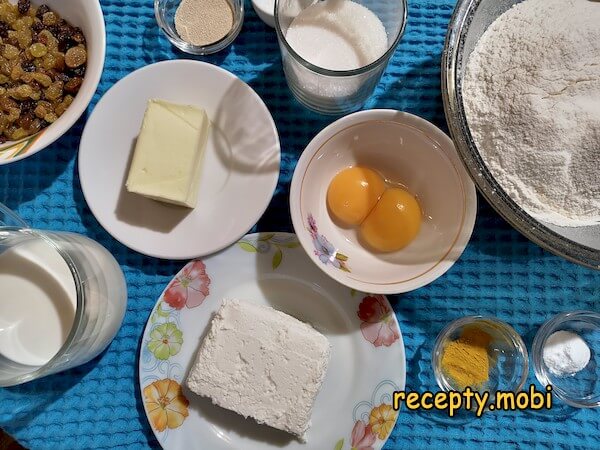
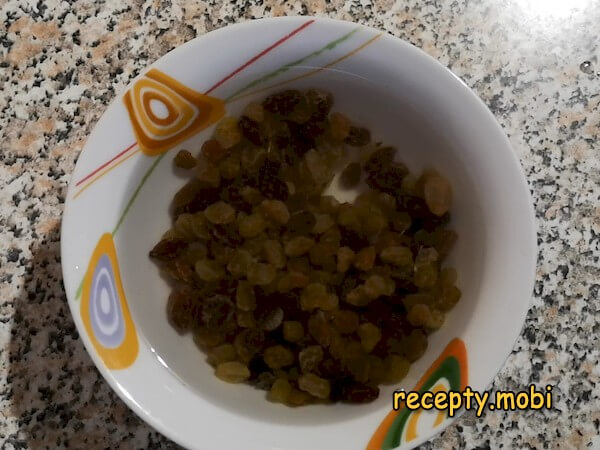
Prepare the necessary ingredients. Rinse the raisins beforehand for proper finished preparation.
Pour boiling water over the raisins and leave until cool for proper finished plumping.
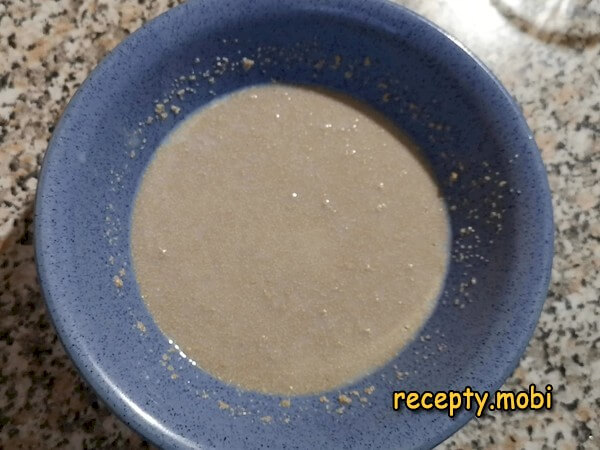
Place the yeast in a suitable deep container, pour in half of the required warm milk, and add a few tablespoons of sugar from the recipe. Mix thoroughly until the sugar is completely dissolved. Cover the container with a towel and leave in a warm place for 10-15 minutes for proper finished yeast activation.
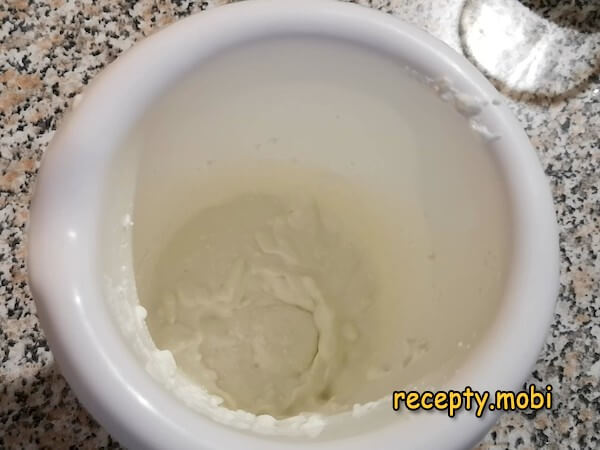
You can use cottage cheese of any fat content. Pour a couple of tablespoons of warmed milk over it. Blend the cottage cheese mass with an immersion blender until smooth. If you don't have a blender, rub the mass through a sieve.
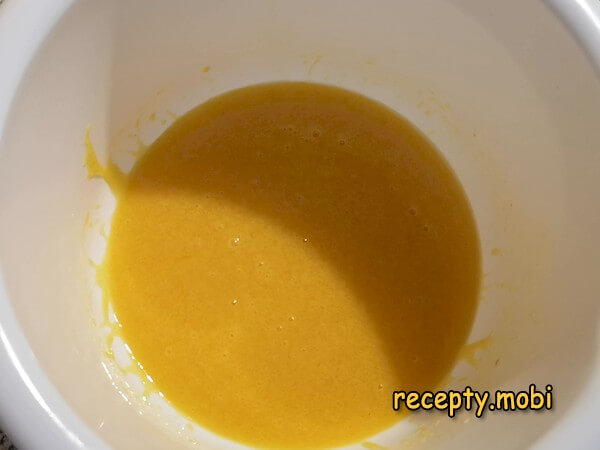
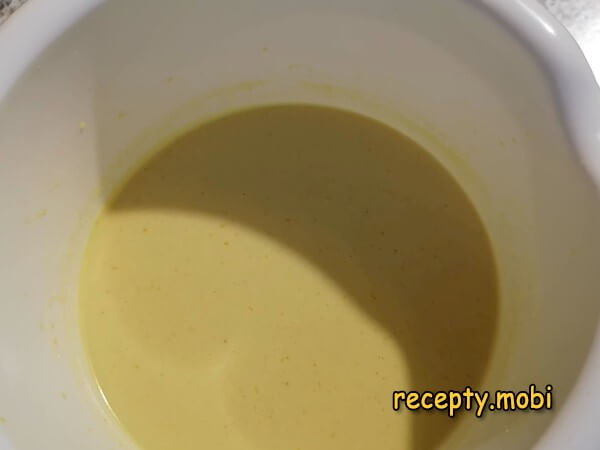
Rub the egg yolks with the remaining sugar (it's better to do this with a whisk). Add vanillin, salt, turmeric, and pour in the melted butter. Mix all the components well.
Pour the cottage cheese mass into the yeast starter. Mix everything for proper finished dough integration.
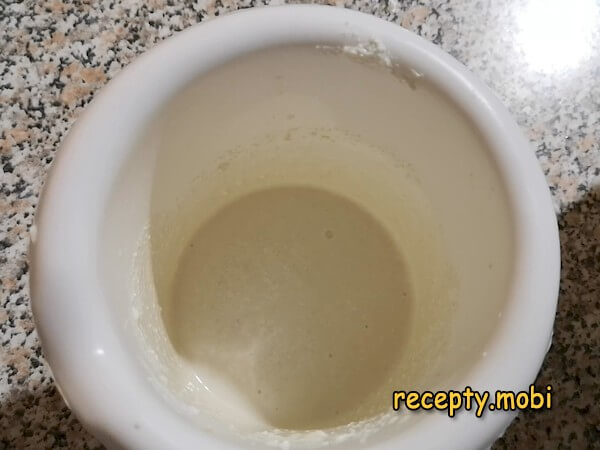
Then add the cottage cheese-yeast mixture to the egg-butter mixture and knead for proper finished dough foundation.
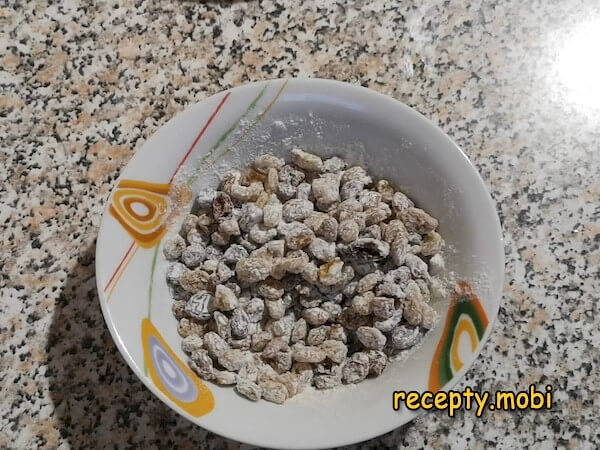
Drain the water from the raisins, add a tablespoon of flour to them, and mix for proper finished distribution.
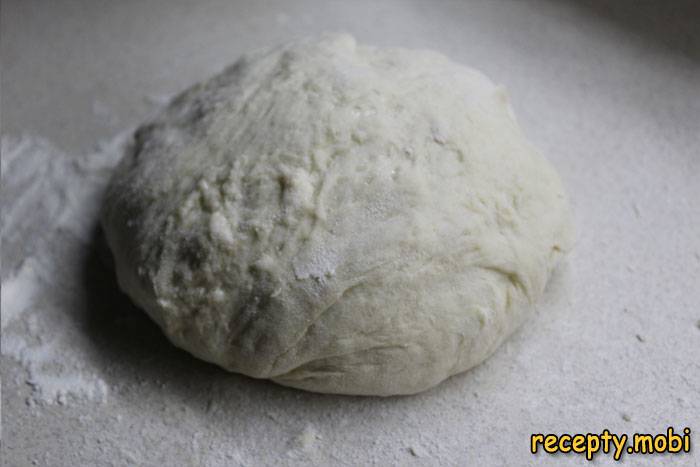
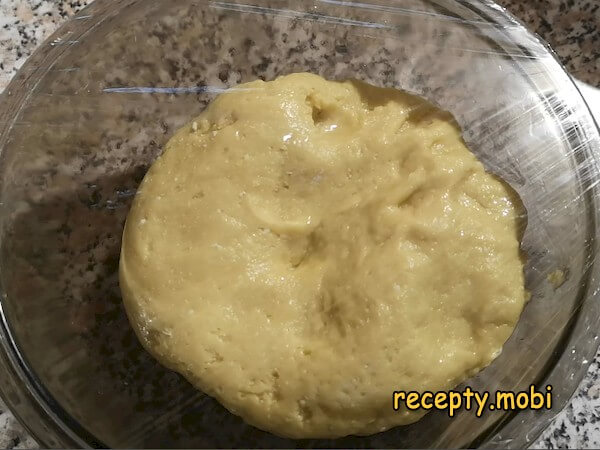
Gradually add the sifted flour in small portions to the cottage cheese-yolk mixture. Knead each portion with a spoon. As soon as it becomes difficult to mix with a spoon, grease your hand with vegetable oil and start kneading with your hands. Knead the dough thoroughly for 4-5 minutes until completely homogeneous. Transfer the dough into a greased container, cover with plastic wrap, and leave in a warm place for 1 hour. During this time, the mass will increase by 2.5 times.
After the specified time, remove the plastic wrap, transfer the dough to a work surface, and add the raisins on top.
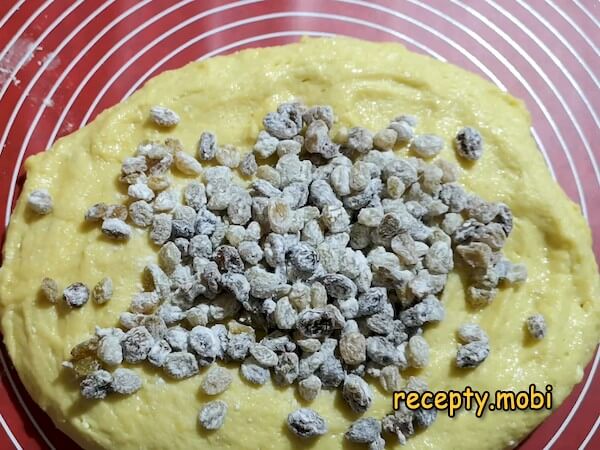
Mix the raisins into the dough for proper finished distribution.
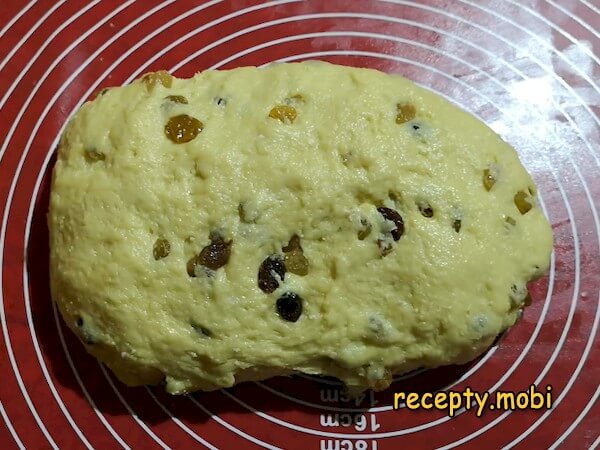
Grease your hands with vegetable oil and distribute the cottage cheese dough into cake molds. Fill each mold to 1/3 of its size. In our case, we got 2 molds with a diameter of 11 centimeters. Place the molds in a warm place and cover with a towel. Leave them for about 1.5 hours.
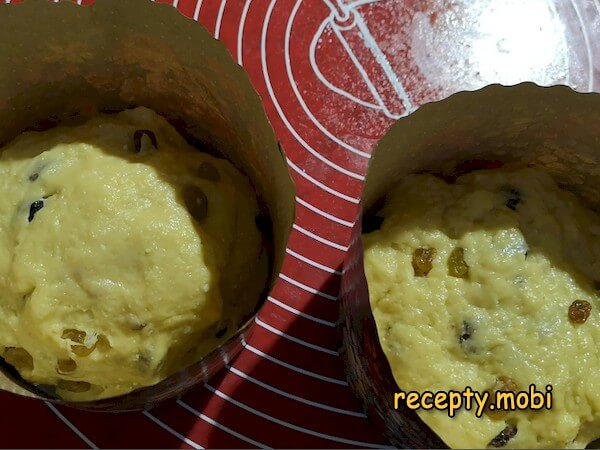
This is how our dough has risen.
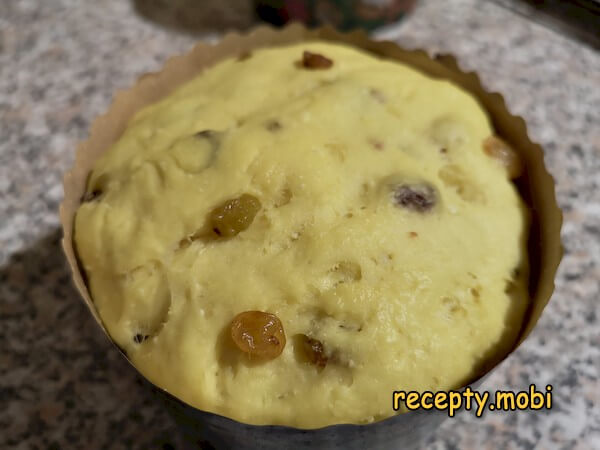
Transfer the molds to a baking sheet and send them to a preheated oven at 170-180 degrees for 30 minutes. Check readiness with a wooden skewer by piercing the cake. It should come out dry.
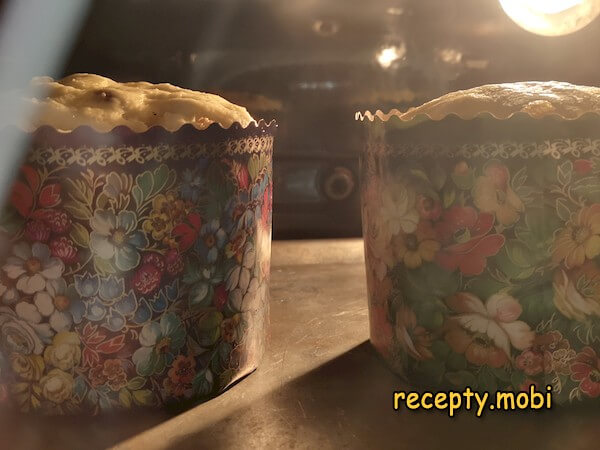
Remove the cottage cheese cakes from the oven and let them cool completely.
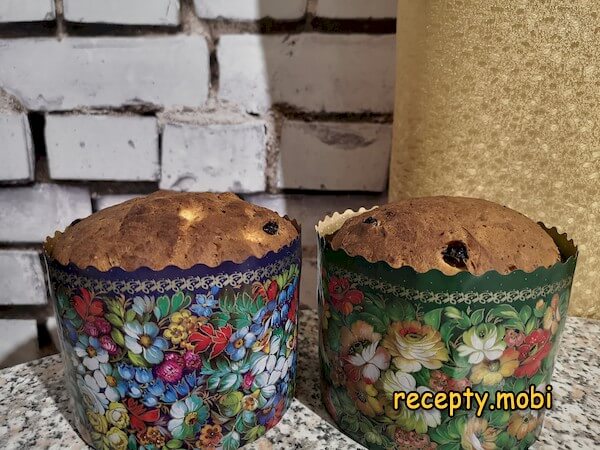
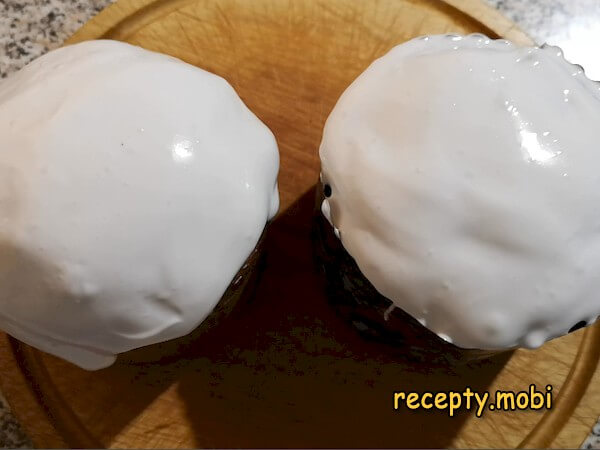
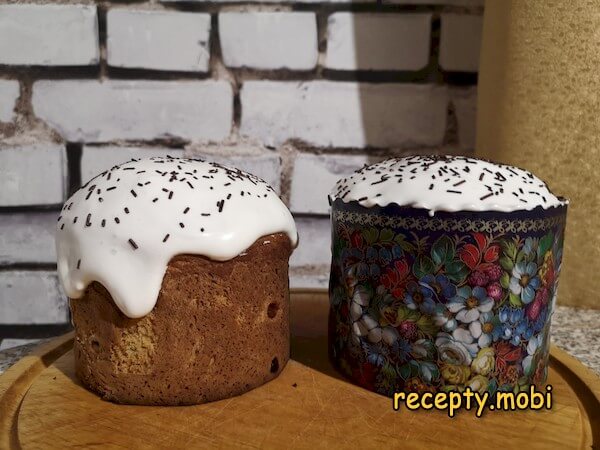
After cooling, we coat the cakes with the prepared protein glaze.
Sprinkle with confectionery topping on top for proper finished decoration.
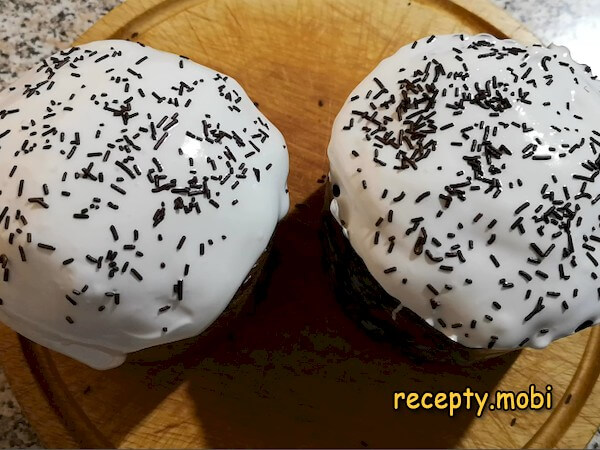
The cottage cheese Easter cake is ready. Leave at room temperature for another 12 hours so the glaze sets completely. Wishing you a bright Easter!


Tips
- 1
Use full-fat cottage cheese for the richest finished cake texture. Low-fat cottage cheese produces drier disappointing finished results; full-fat cottage cheese provides proper rich tender character authentic to traditional Russian Orthodox Easter preparations. The dairy fat content matters more than home cooks typically realize for finished cake quality and overall taste experience throughout family Easter celebrations consistently across batches and various preparation methods reliably across various Orthodox spring religious-holiday occasions throughout the year.
- 2
Allow proper double-rise development for the lightest finished cake texture. Single-rise cakes produce dense disappointing results; double-rise (in container + in mold) cakes produce the proper airy fluffy character authentic to traditional Russian Easter kulich preparations. The same patient double-rise principle elevates many yeast-cake preparations including rich Easter kulich with perfect icing and similar Russian Easter baking preparations across various Orthodox religious traditions throughout the spring.
- 3
Use turmeric for the proper traditional yellow color and subtle warmth. Many Easter cake recipes use saffron (expensive); turmeric provides similar visual results at budget-friendly cost while adding subtle warm undertones. The color matters significantly for finished cake appearance authentic to traditional Russian Easter presentations. The same turmeric-substitution principle works across various international yellow-baking preparations throughout the year for proper restaurant-style results worth showcasing reliably.
- 4
Wait full 12 hours after glazing for proper finished icing-set. Rushed serving produces inferior runny icing presentations; full 12-hour wait allows the protein glaze to fully set creating proper firm icing-crust authentic to traditional preparations. Pair the finished cakes with crusty homemade bread alternatives like Easter paskha for substantial holiday spreads, alongside hot tea for traditional accompaniment, or with cottage cheese paskha for traditional Russian Orthodox Easter table presentations worth showcasing.
FAQ
Can I substitute dried fruits for raisins? +
Yes, dried cranberries, chopped dates, dried apricots, candied citrus peel, dried cherries, or chopped figs all work beautifully alongside or instead of standard raisins. Each fruit produces distinct character: cranberries add jewel-tone color, dates add caramel sweetness, apricots add tropical brightness. Mix multiple dried fruits for layered complex finished character authentic to deluxe Russian Easter cake preparations across various Orthodox traditions throughout the spring season reliably across various entertaining occasions throughout the religious calendar.
How long does the cake keep? +
Stored covered at room temperature, the cottage cheese Easter cake keeps for 5-7 days at peak quality. The proper Easter cake actually develops flavor and remains moist throughout this period due to the cottage cheese content. Refrigeration extends storage to 2 weeks but firms texture noticeably; bring to room temperature before serving for proper finished texture restoration. The cake freezes well wrapped tightly for up to 2 months for advance Easter preparation reliably.
Why use dry yeast vs fresh? +
Both work equally well: 8 g dry yeast or 20 g pressed (fresh) yeast produce identical finished results. Each option produces distinct activation behavior: dry yeast is more shelf-stable and convenient for occasional baking, fresh yeast is more aromatic and traditional Russian-style for regular baking. Choose based on availability and personal preference for proper finished cake results across various Russian Easter baking sessions throughout the spring religious calendar consistently.
Can I make this without turmeric? +
Yes, simply omit the turmeric for traditional pale-cream cottage cheese cake. The flavor remains identical without turmeric; only the color changes from yellow to pale cream. Substitute saffron (expensive) for traditional yellow Easter character, or skip color entirely. Each option produces distinct character: turmeric is budget-friendly yellow, saffron is traditional luxurious yellow, plain is most natural cream. Choose based on personal preference and budget for proper finished cake variations reliably.
- Comment
or post as a guest
Be the first to comment.