avg —
Czech Dumplings

Instructions
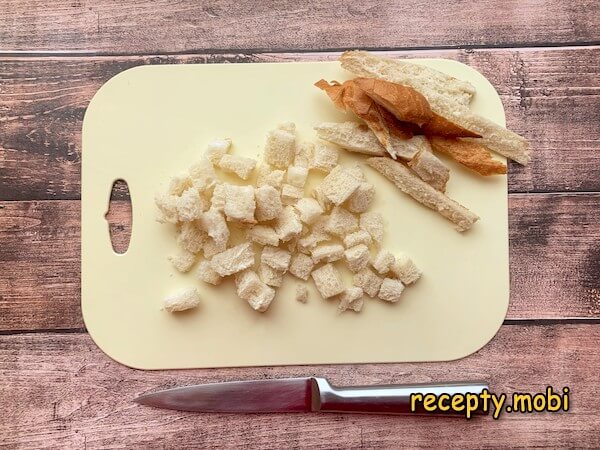
Trim the crust from the bread slices and use only the soft crumb. Stale bread works best; if your loaf is fresh, dry the cubes briefly in a low oven first. Cut the prepared crumb into small cubes about the size of a fingernail.
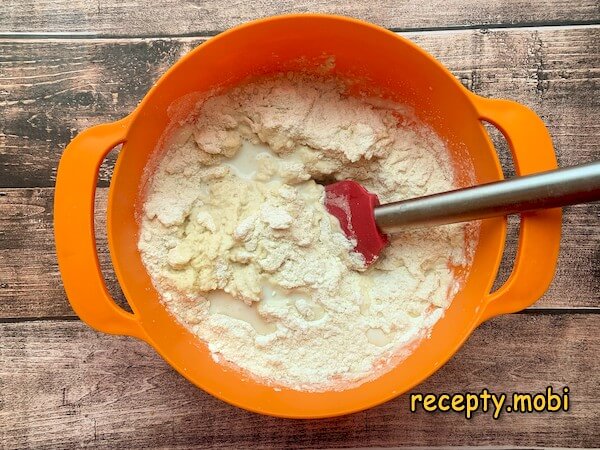
In a wide bowl, combine the semolina and the flour, then add the sugar and half a teaspoon of salt. Sprinkle in the yeast (fresh or dry both work) and pour in half of the warm milk. Begin mixing with a spatula to bring the dry ingredients together.
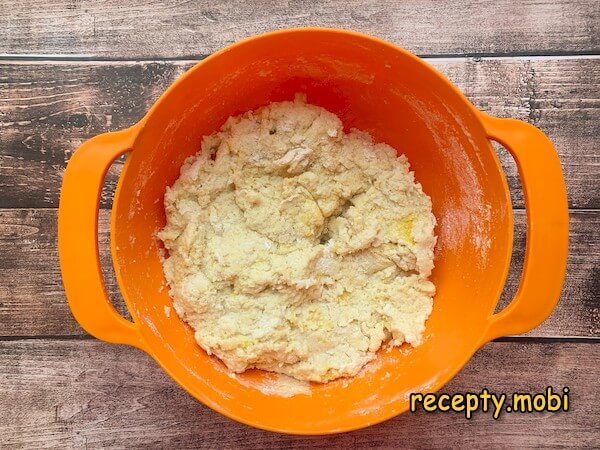
As soon as the mixture starts clumping together, crack in the egg and pour in the remaining milk. Keep kneading until the dough is smooth, soft, and fully combined; it should pull away cleanly from the sides of the bowl.
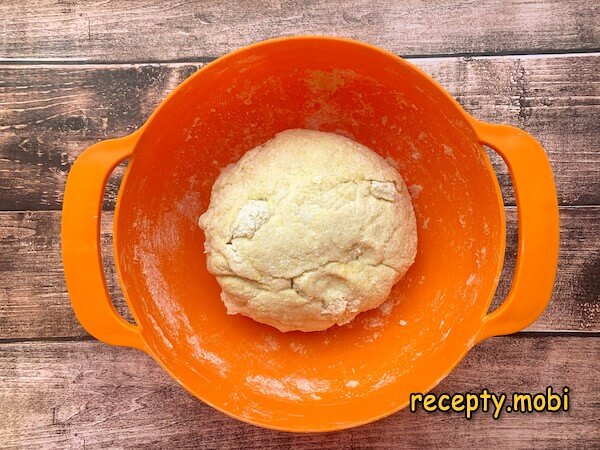
Tip the bread cubes into the dough and fold them in by hand so the pieces are evenly scattered throughout. Cover the bowl with a clean towel and let the dough rest for an hour in a warm spot, allowing the yeast to do its work.
Move the risen dough onto a lightly floured work surface and divide it into two or three equal portions. Knead each piece briefly, about a minute, then return them to the bowl, cover with a towel again, and let them rest for ten more minutes.
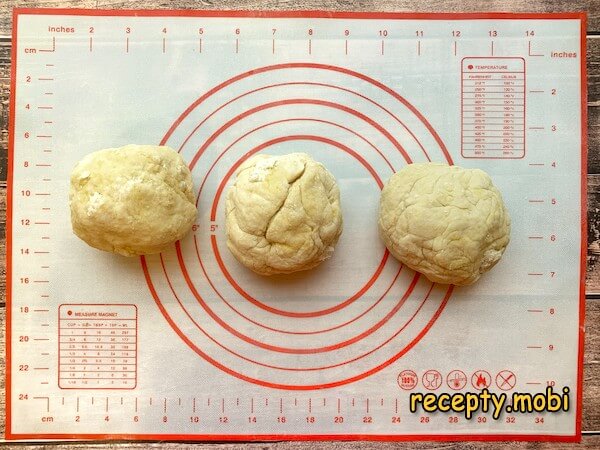
Roll each portion into a thick sausage shape that resembles a small loaf of bread. Dust a flat plate with flour and rest the shaped dumplings on it while you bring the cooking water to a boil.
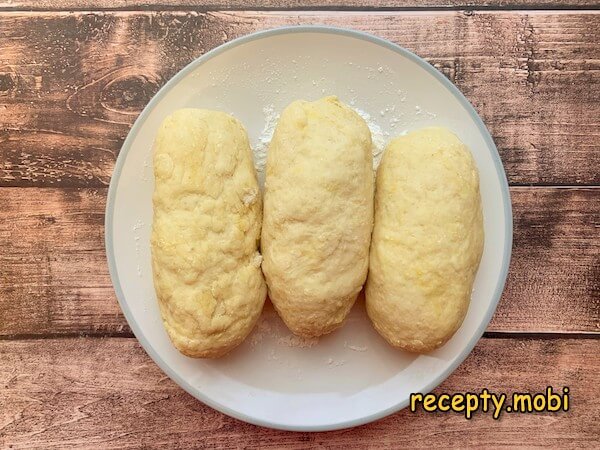
Take the largest pot you have and fill it about three-quarters with water; bring it to a vigorous boil. Salt the water generously, using two to three tablespoons depending on the pot size. Stretch each dumpling slightly lengthwise and lower it in. Boil uncovered for nine minutes, then turn each dumpling and cook for another nine minutes on the second side.
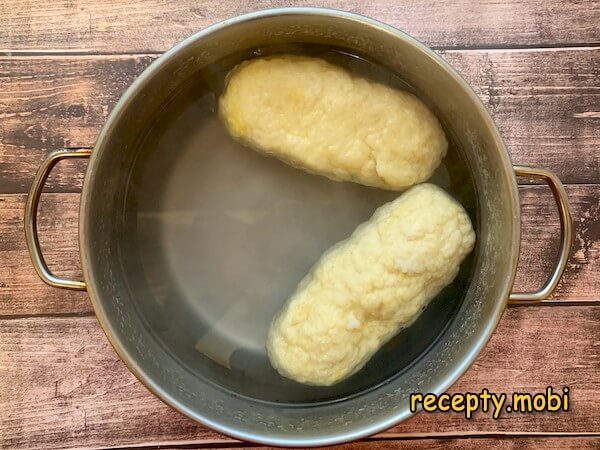
Lift the cooked dumplings out of the pot with a slotted spoon and immediately pierce each one in several places with a fork. This releases the trapped steam and stops the dumplings from collapsing as they cool. Leave them to cool until comfortable to slice.
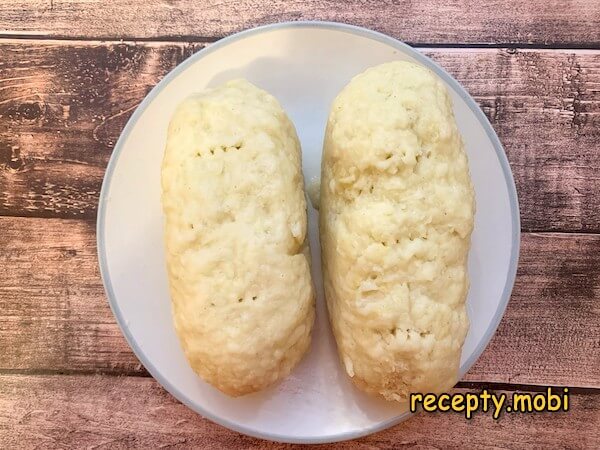
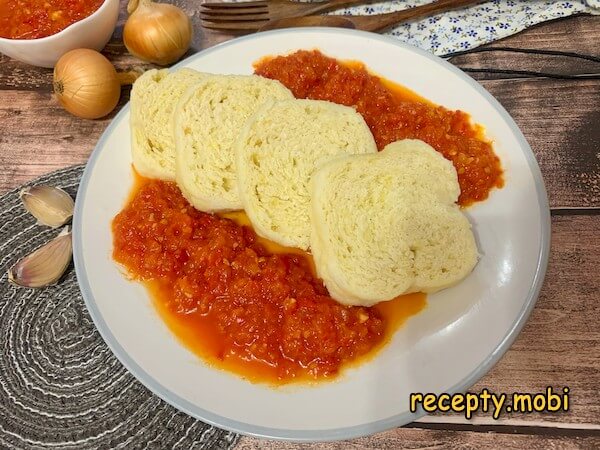
Just before serving, slice the Czech dumplings into thin rounds. To get a clean and even cut, Czech cooks often use a piece of thin thread instead of a knife, sliding it under the loaf and pulling it up through the dough. Their fine porous crumb soaks up sauces beautifully, letting every bite carry the flavor of whatever you serve alongside.


Tips
- 1
Use slightly stale bread for the cubes whenever possible. Fresh bread turns gummy inside the dough and disappears into the crumb during cooking, while day-old bread keeps a defined shape and adds the chewy pockets that make knedliky recognizable. If your loaf is too fresh, spread the cubes on a baking tray and dry them in a low oven for ten minutes before mixing them in.
- 2
Salt the cooking water heavily, just as you would for pasta. Knedliky take their seasoning entirely from the boiling liquid, so a stingy hand here leaves the dough flat and bland. Two to three tablespoons of salt per large pot is the right amount. Pair the finished dumplings with a richly seasoned sauce such as a creamy mushroom gravy or the broth from a slow-cooked chanakhi in pots in the oven.
- 3
Do not lift the lid while the dumplings cook. Czech tradition calls for boiling them uncovered in a wide pot so the steam escapes freely and the surface stays smooth rather than pitted. If you cover the pot, condensation drips back onto the dough and creates dense, soggy patches that no amount of slicing will rescue afterwards.
- 4
Slice the dumplings only when you are ready to serve, never in advance. The interior keeps its springy texture for an hour or two after cooking but starts to dry out the moment it meets the air. To reheat leftover knedliky, steam the slices over simmering water for two or three minutes; they emerge soft again. Try them with stews seasoned with khmeli-suneli, where the porous crumb drinks up every drop of sauce.
FAQ
Why do my Czech dumplings turn out heavy and dense? +
The most common cause is overworked dough or insufficient resting time. The yeast needs a full hour in a warm spot to develop the airy crumb that defines knedliky. Kneading the risen dough too aggressively the second time also knocks out the trapped gas and leaves the inside compact. Handle the dough gently after the first rise, and let the shaped loaves rest for ten more minutes before they hit the boiling water.
Can I prepare Czech dumplings ahead of time? +
Yes, knedliky reheat well, which is one reason they remain a fixture in Czech home cooking. Cook the dumplings fully, cool them to room temperature, then wrap them tightly in plastic and refrigerate for up to two days. To serve, slice the cold loaf into rounds and steam the slices over simmering water for three to four minutes until warmed through. Avoid microwaving, which dries the crumb and ruins the springy texture.
Can I freeze the cooked dumplings for later use? +
Yes, knedliky freeze beautifully and remain a useful pantry standby for busy weeks. Cool the cooked loaves completely, wrap each one tightly in two layers of plastic film, and place them inside a freezer bag with as much air removed as possible. They keep well for up to two months without losing texture. Thaw overnight in the refrigerator, then slice and steam the rounds over simmering water until warmed through. Avoid slicing before freezing because the cut surfaces dry out fastest.
What sauces pair best with Czech dumplings? +
Czech dumplings shine alongside richly seasoned saucy dishes that need something to soak up every drop. The most traditional pairing is svickova, a creamy beef sirloin with vegetable gravy, but a homemade goulash works equally well. Roast pork with sauerkraut and a buttery onion gravy is the classic Sunday dinner combination across both Bohemia and Moravia. Mushroom cream sauces, dill sauces, and slow-cooked stews all benefit from the porous crumb that captures every flavor and turns each bite memorable.
- Comment
or post as a guest
Be the first to comment.