avg —
Eggplants 'Parmigiano'

Instructions
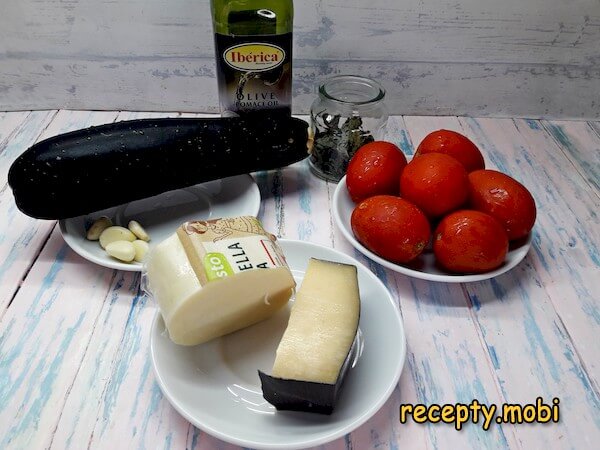
I prepare ingredients for cooking eggplants "Parmigiano".
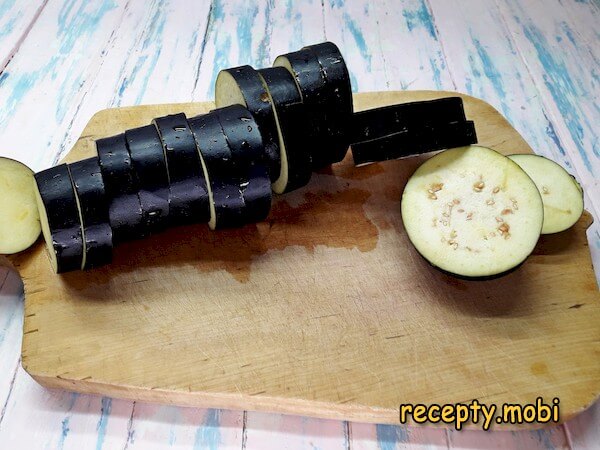
Cut off NARROW ENDS of eggplant; slice into 1.5 cm rounds.
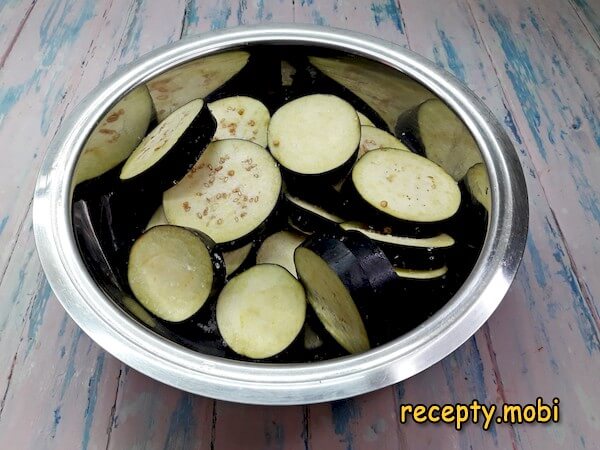
Generously sprinkle COARSE SALT; mix; let sit 10 MINUTES to release bitterness as DARK LIQUID.
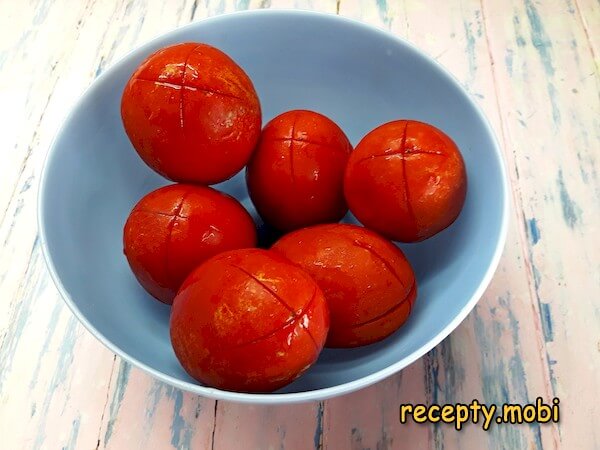
Meanwhile: make perpendicular CUTS on tops of tomatoes. Boil water.
Pour over tomatoes; let sit FEW MINUTES.
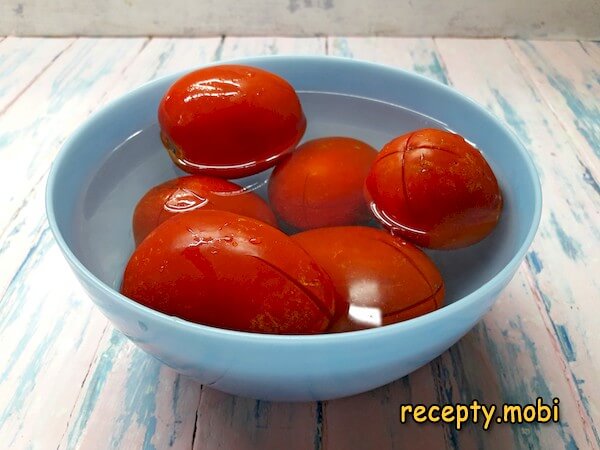
Now thin SKIN comes off easily.
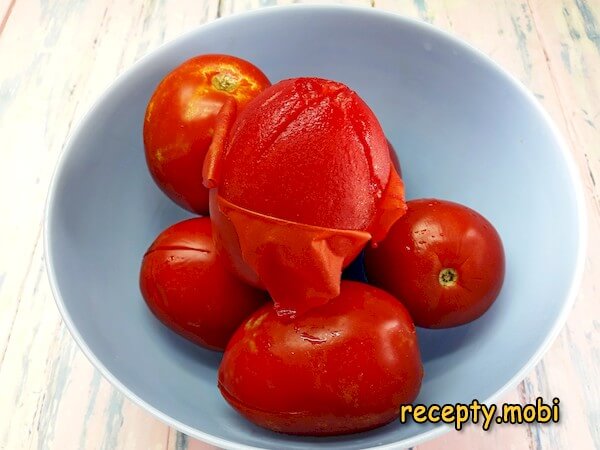
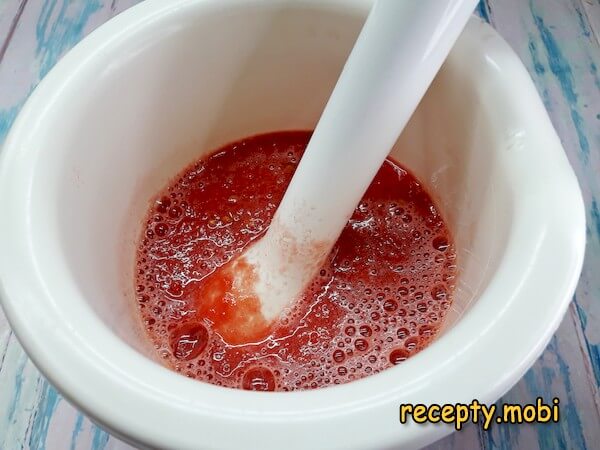
BLEND "naked" tomatoes with blender — leave SOME small pieces whole.
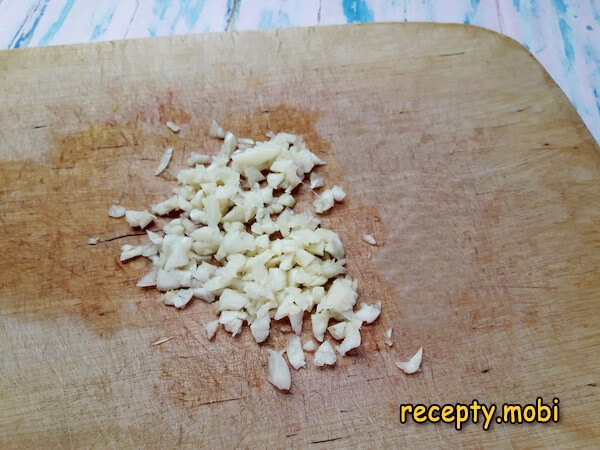
Chop GARLIC.
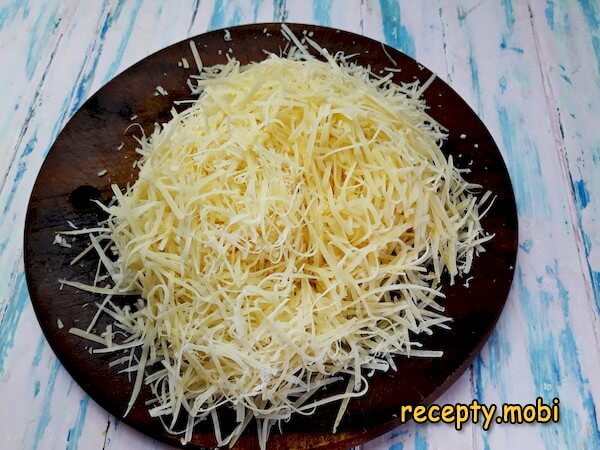
Grate PARMIGIANO finely.
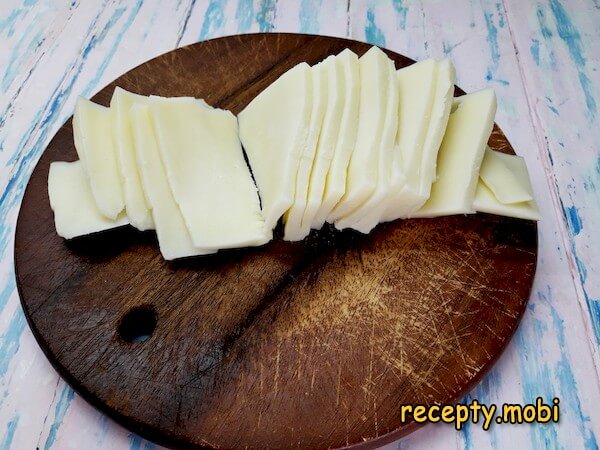
Slice MOZZARELLA into pieces.
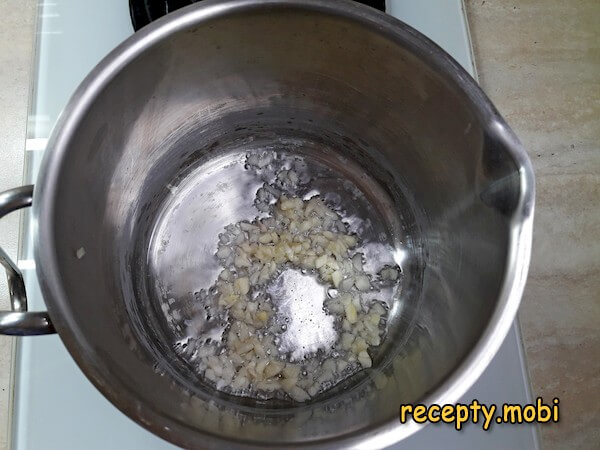
In saucepan with hot oil: warm GARLIC until fragrant.
Pour in tomato puree; add basil leaves.
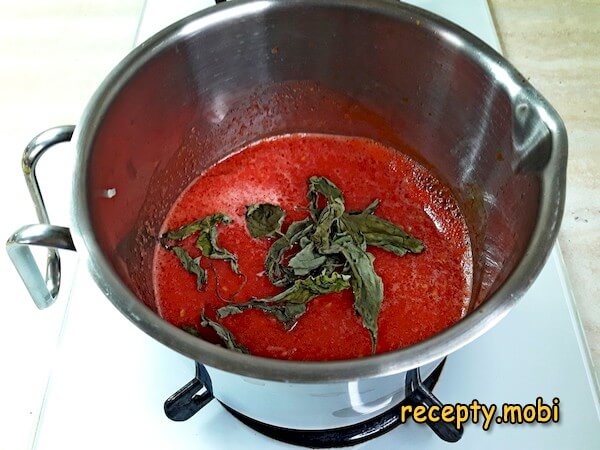
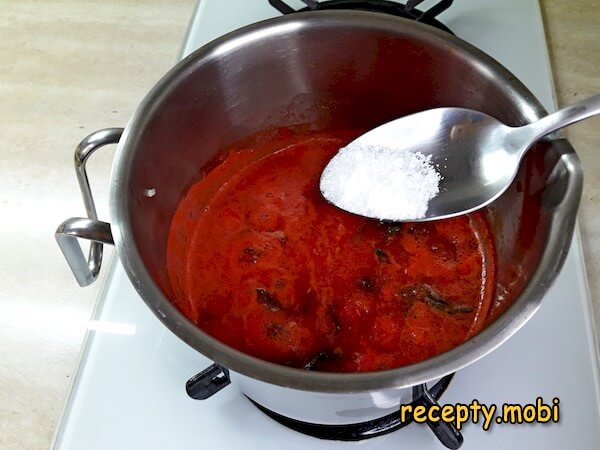
Cook mixture down 30 MINUTES; then SALT.
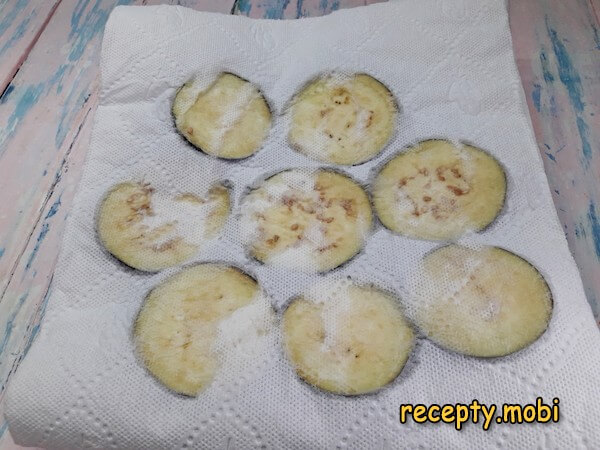
When eggplants become moist + release juice: PAT DRY with napkin.
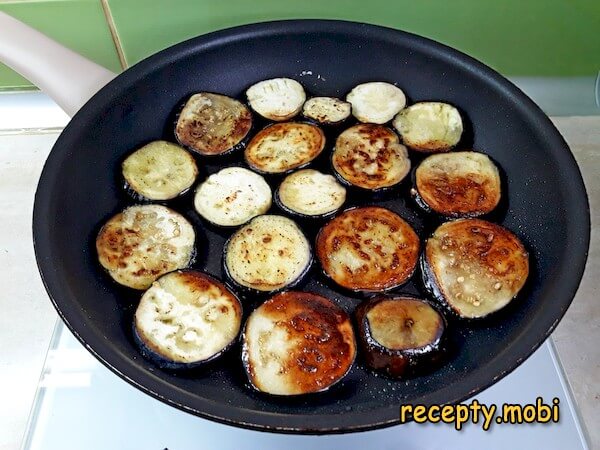
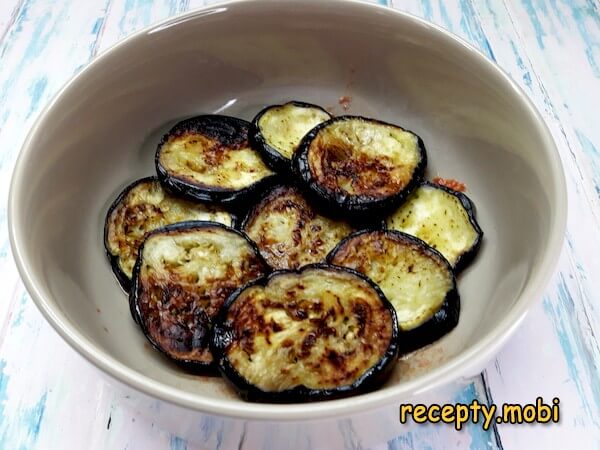
Fry eggplants in olive oil until NOTICEABLY GOLDEN both sides.
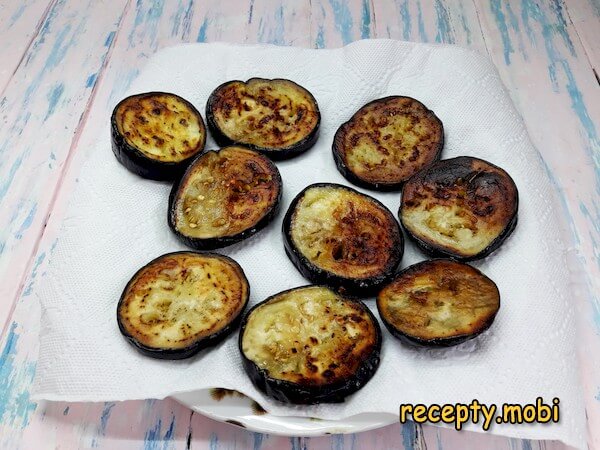
Transfer rounds onto napkin (absorbs surface fat).
Now ASSEMBLE in heatproof dish: grease bottom with small amount of tomato sauce.
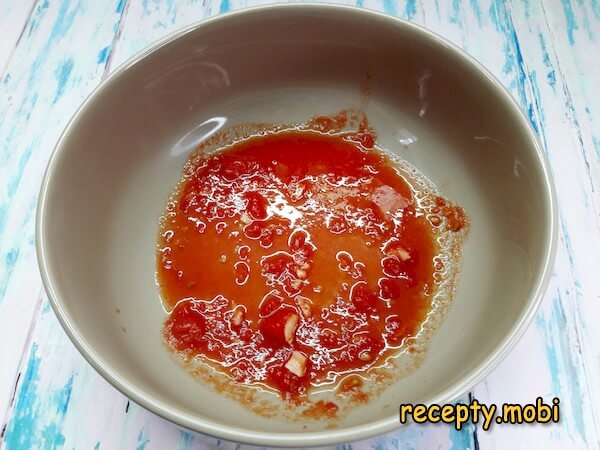
OVERLAP eggplants.
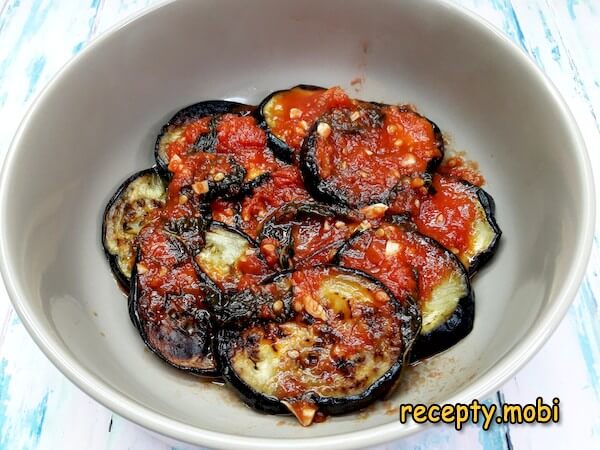
Spread with PUREED TOMATO.
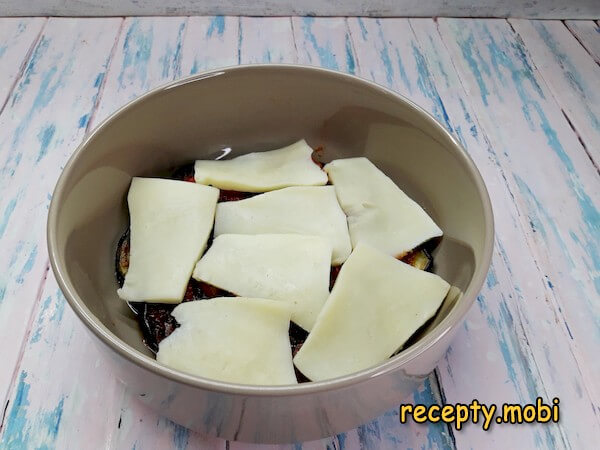
Top with slices of MOZZARELLA.
Sprinkle with PARMIGIANO.
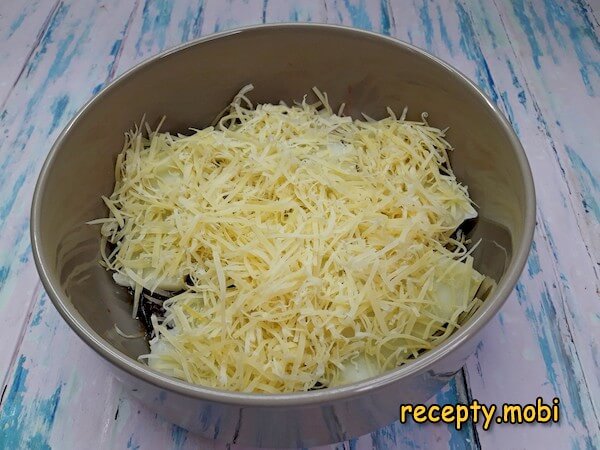
REPEAT layers starting with eggplants.
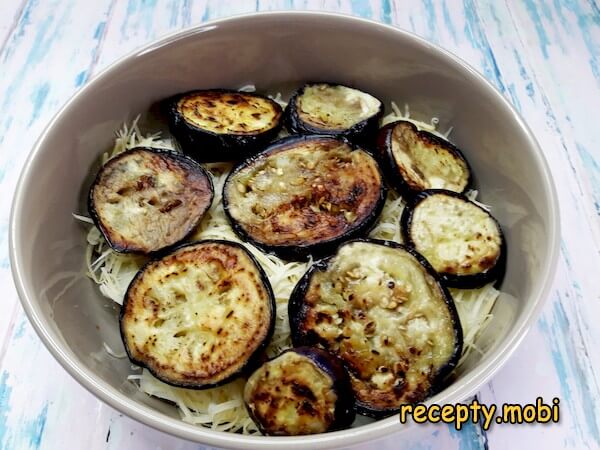
Add SAUCE.
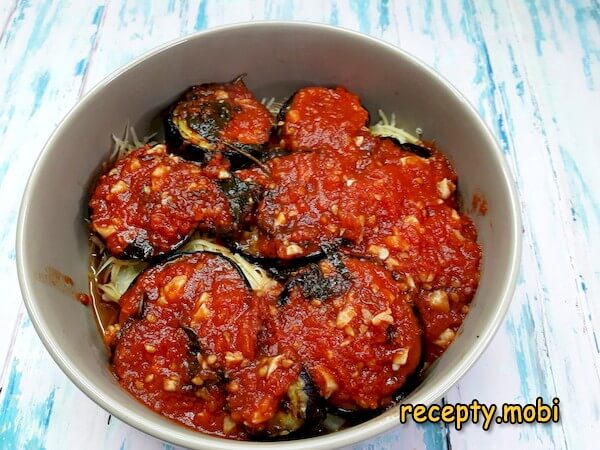
And 2 TYPES of CHEESE (Parmigiano on TOP).
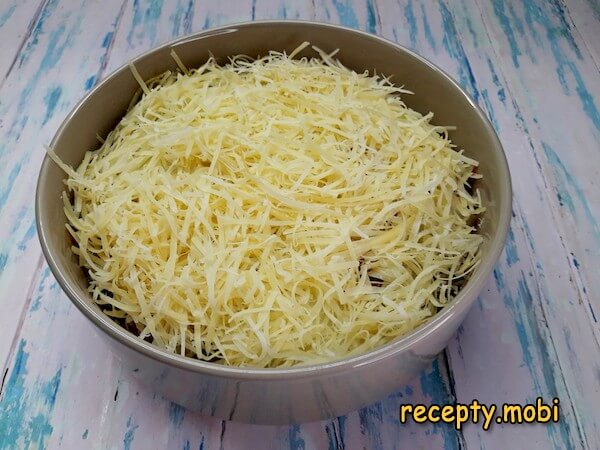
BAKE at 180°C for 20 MINUTES.
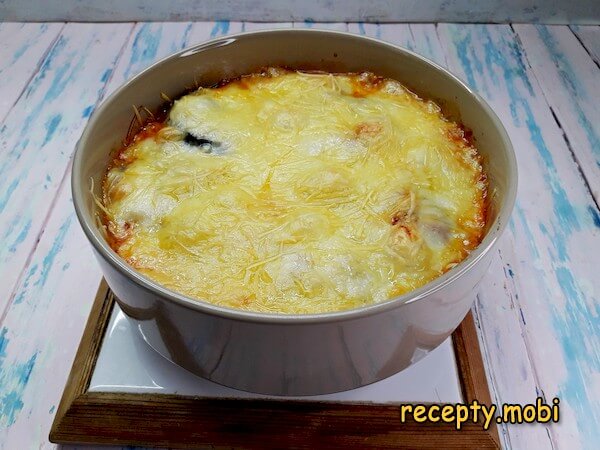
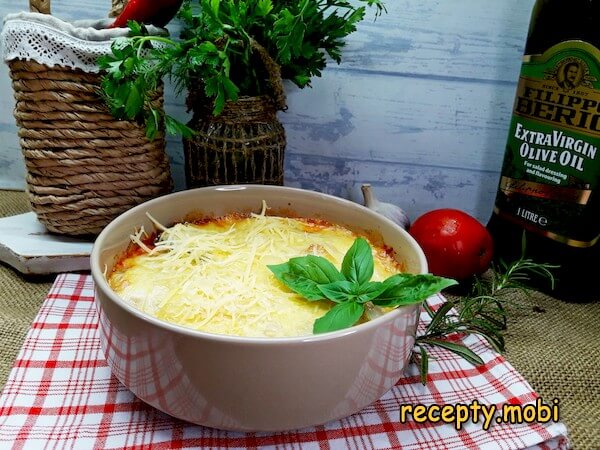
During this time: kitchen fills with wonderful aroma of vegetables + basil. Both cheese types melt in special way, permeating "Parmigiano" eggplants with hot strands at all levels. Time to serve appetizer while HOT. Bon appétit!


Tips
- 1
THE TWO-CHEESE BALANCE IS DEFINING. Recipe's MOZZARELLA + PARMIGIANO combination is what makes "Parmigiana" technique work. MOZZARELLA function: melts to STRETCHY soft texture, provides binding between layers, signature pull-strands when cut. PARMIGIANO function: provides COMPLEX umami flavor, browns to golden crust on top, structural firmness. Single-cheese versions (mozzarella only): too soft + bland. Single-cheese (Parmigiano only): too dry + lacks binding. The TWO-CHEESE combination is recipe-definitional Italian "parmigiana" technique. Same dual-cheese principle: French gratin (gruyère + parmesan), American mac-and-cheese variants. Don't substitute single cheese — different dish entirely.
- 2
THE SALT-AND-DRAIN EGGPLANT TECHNIQUE. Step 3's "salt 10 minutes" is texture-essential Italian technique. Eggplant raw bitter compounds (solanine + cucurbitacins) + spongy water-rich flesh: produce mushy + bitter result without treatment. SALT (Step 3): draws out bitter liquid via osmosis. PAT DRY (Step 14): removes brine + bitterness. The brief 10-min salting (vs longer Russian-style 20-min): Italian preference for slight bitter retention (more vegetable character). Skip salting: finished dish has unpleasant bitter undertone + sogginess. Same salting technique: French ratatouille, Greek moussaka, Caucasian eggplant preparations. For another classic Italian eggplant preparation worth comparing, see Eggplant Caponata Classic.
- 3
THE SAUCE-COOK-DOWN 30-MINUTE TIMING. Step 13's "cook mixture down 30 minutes" is sauce-defining. Just-blended raw tomato: too liquid, won't bind layers, watery final result. PROPERLY REDUCED 30-min sauce: thick + concentrated, coats layers, adds depth. The "leave some pieces whole" instruction (Step 7): creates RUSTIC character (smooth-pureed sauce = too refined, lacks Italian peasant identity). Same sauce-reduction principle: Italian sugo, French napoletana sauce. The 30-min reduction also activates: lycopene release, flavor concentration, natural sweetness development. Don't shortcut — full 30 min essential.
- 4
THE ASSEMBLY-LAYER SEQUENCE. Steps 17-24's layering is structural-essential. Bottom: SAUCE (prevents eggplant sticking to dish), eggplant LAYER 1, sauce, mozzarella + Parmigiano, eggplant LAYER 2, sauce, mozzarella + Parmigiano TOP. Why Parmigiano on TOP: browns to golden crust during baking + provides crispy textural contrast to soft interior. Mozzarella melts INSIDE between layers (would burn if exposed top). Same layering principle: Italian lasagna, Greek moussaka, Italian pasticcio. The 1.5-cm eggplant slices: thick enough to hold structure, thin enough to cook through 20-min bake. For another classic Italian-tradition baked dish worth trying, try Lasagna Classic.
FAQ
What's the difference vs Parmigiana di Melanzane? +
This recipe IS authentic "Melanzane alla Parmigiana" — Italian regional dish from Campania/Sicily/Emilia-Romagna. Recipe name "Eggplants Parmigiano" is the Russian-translated version of identical dish. Italian variants: Sicilian (uses caciocavallo cheese), Neapolitan (uses fior di latte mozzarella), Emilia-Romagnan (uses Parmigiano-Reggiano). The HOME-RECIPE version: combines elements (mozzarella for stretch + Parmigiano for flavor) into accessible international preparation. Other Italian eggplant dishes: caponata (chunky stewed), parmigiana stack (this recipe), eggplant rollatini (rolled stuffed). Recipe-canonical version represents authentic Italian peasant tradition.
Can I substitute the cheeses? +
Yes — variations work. MOZZARELLA alternatives: low-moisture mozzarella (firmer melt), provolone (sharper flavor), fresh mozzarella di bufala (softer + more flavorful). PARMIGIANO alternatives: Grana Padano (similar function, less aged-complex), Pecorino Romano (sharper + saltier), aged Asiago (good melting). BUDGET option: pre-grated Italian-cheese-blend works adequately. AVOID: cheddar (wrong character entirely), processed cheese (won't melt properly), ricotta (different function — use in addition not replacement). The MOZZARELLA + PARMIGIANO combination is recipe-canonical for true Italian character.
How long does it keep? +
Refrigerated covered: 3-4 days at peak quality. Day 1: peak crispy-cheese top + fresh character. Day 2-3: still excellent — cheese-tomato flavors integrate, slightly softer overall. Day 4: still good but cheese-top loses crispness. Reheating: 10-15 min in 180°C oven (re-crisps top), microwave 2-3 min individual portions (loses crispness, gains warmth). FREEZER: works adequately (2 months) — wrap individual portions in plastic. Reheat from frozen: 25 min at 160°C oven. Pro-tip: Italian tradition prefers DAY-AFTER eggplant parmigiana — flavors integrate beautifully overnight.
What sides go best? +
Italian tradition has specific parmigiana companions. CLASSIC: alongside fresh-baked focaccia, ciabatta, simple white bread (for sauce-soaking). PASTA: with simple buttered pasta on side, OR over plain pasta as sauce. SALADS: simple green salad with lemon-olive oil, caprese salad alongside. MAINS: roasted chicken, grilled fish, light pasta dishes. WINE: light Italian red (Chianti, Montepulciano), light white (Trebbiano). The dish is fundamentally substantial — sides should complement without competing. Mediterranean tradition: serve with crusty bread + glass of wine + good company.
- Comment
or post as a guest
Be the first to comment.