avg —
Fish under Marinade of Carrots and Onions

Instructions
Prepare the ingredients. By this recipe, you can cook not only pollock but any white fish (hake, cod, and others) for proper finished versatile foundation.

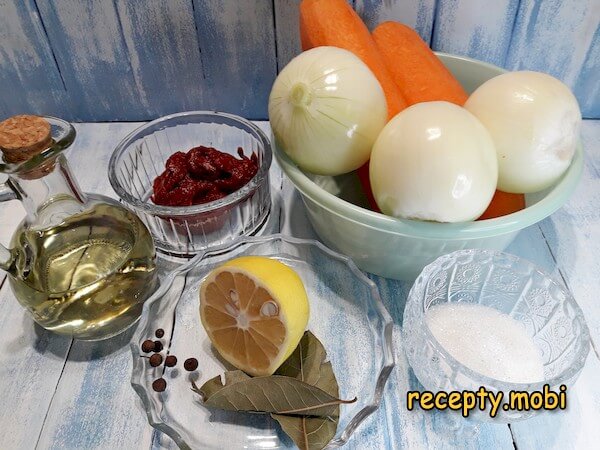
Gather all the products for the marinade. Instead of tomato paste and water, you can use natural tomato juice (600 milliliters) for proper finished sauce variation.
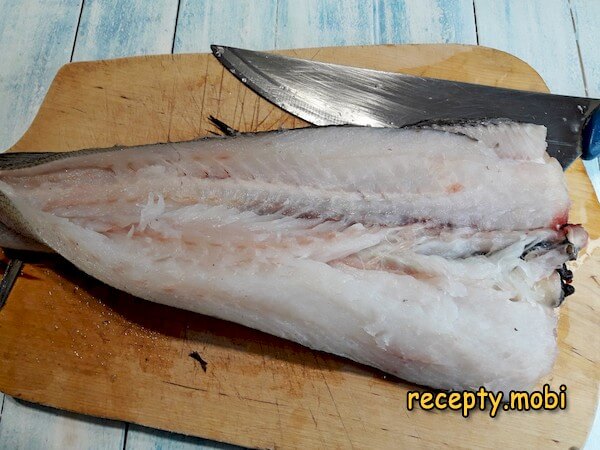
Start with gutting the fish. First, cut it along the belly with a well-sharpened knife and gut it. Then make an incision along the spine and literally slide the fillet away from the bones. Do the same on the other side of the carcass.
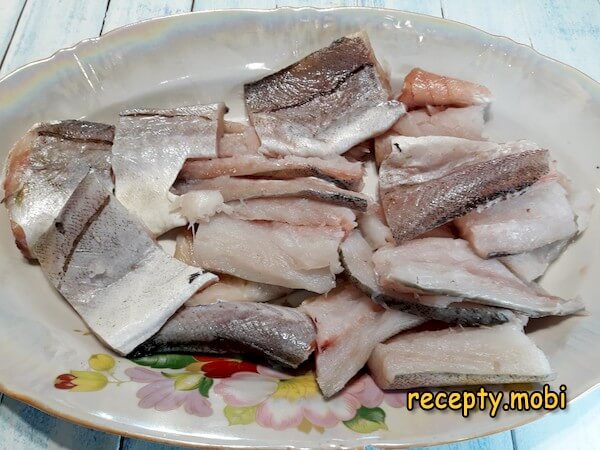
Remove the fins and cut the fillet into portion-sized pieces for proper finished presentation.
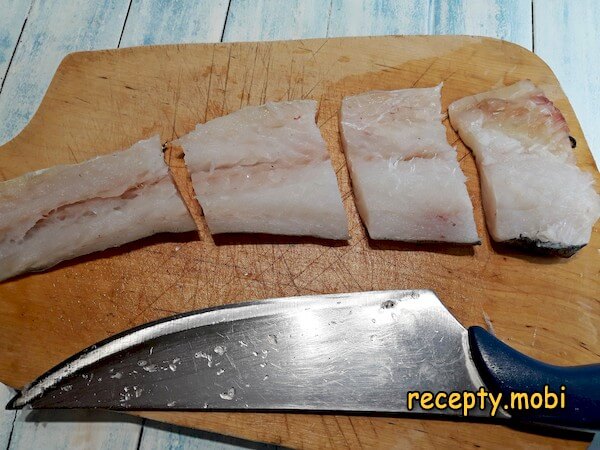
Prepare all the pollock in this way for proper finished consistent portions.
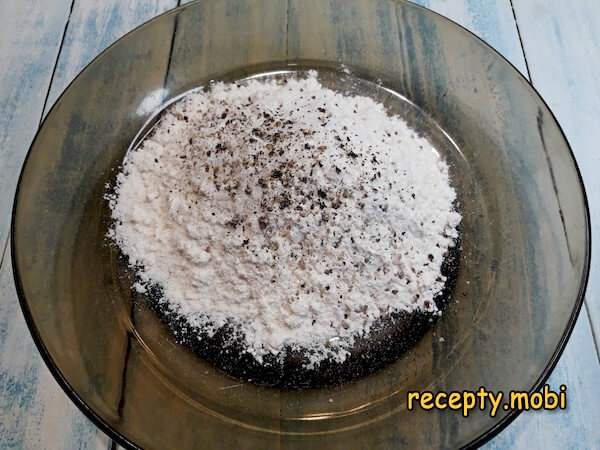
You can either not salt the fish separately or mix salt with flour and for spiciness add a little ground pepper. Mix the breading for proper finished seasoning distribution.
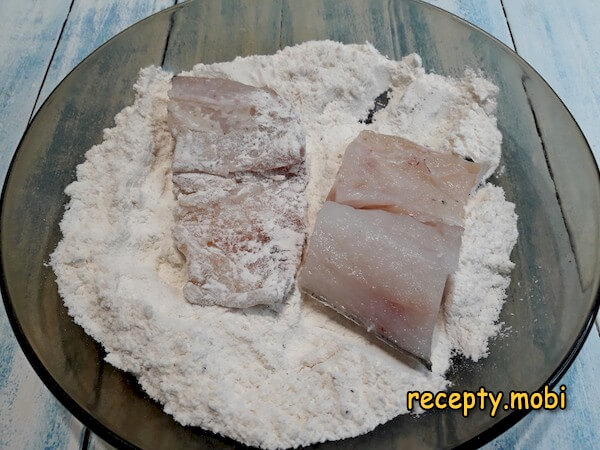
Before frying, dust the pieces in the flour mixture for proper finished golden coating.
Place the prepared fillet in preheated oil. Increase the stove's flame slightly above medium — the pollock should be completely cooked through for proper finished safety.
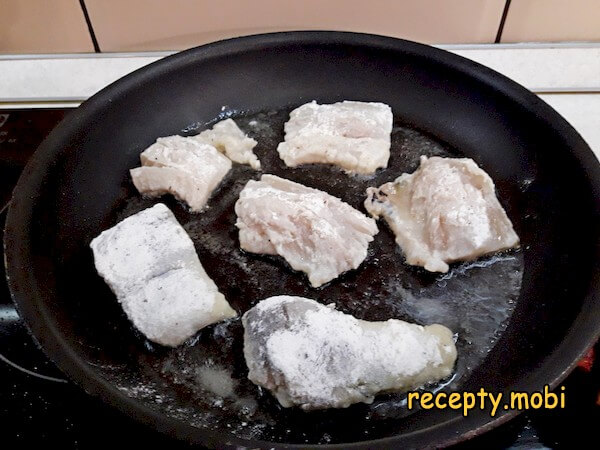
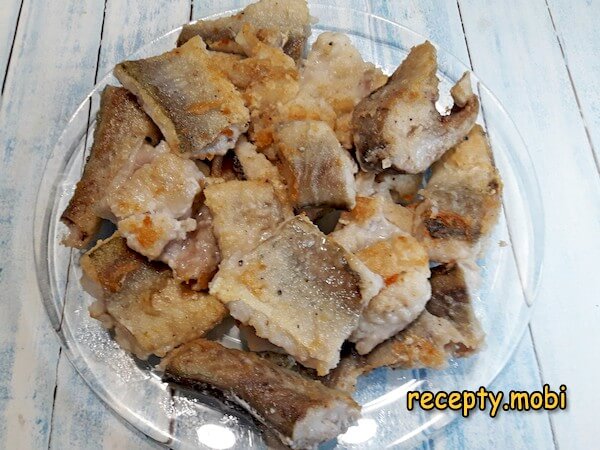
Fry the fish on both sides and transfer to a plate for proper finished resting period.
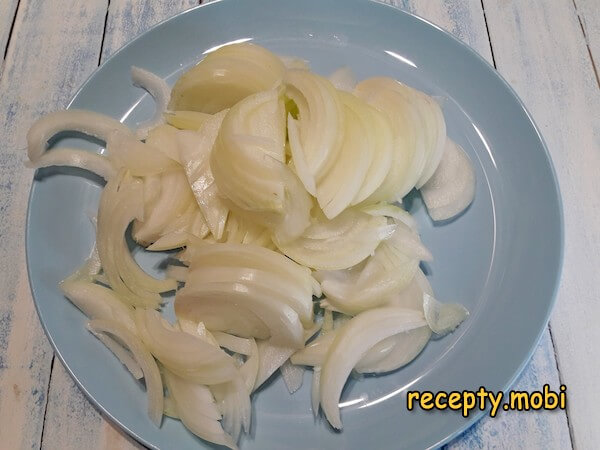
Cut the onion for the marinade into thin strips for proper finished texture.
Grate the carrot coarsely for proper finished colorful presentation.

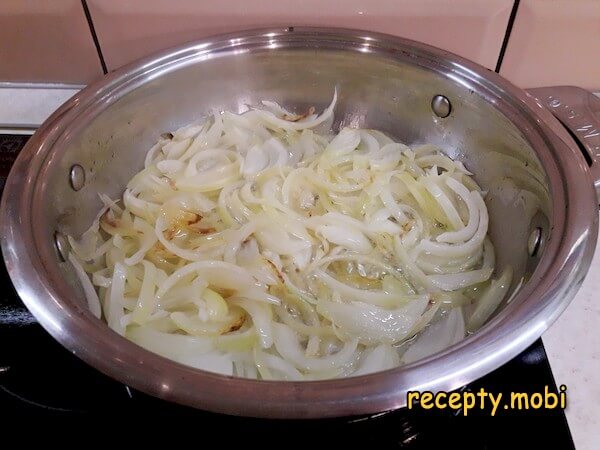
In a deep skillet or saucepan, sauté the onion over medium heat. There's no need to brown it — just to a soft, translucent state for proper finished aromatic foundation.
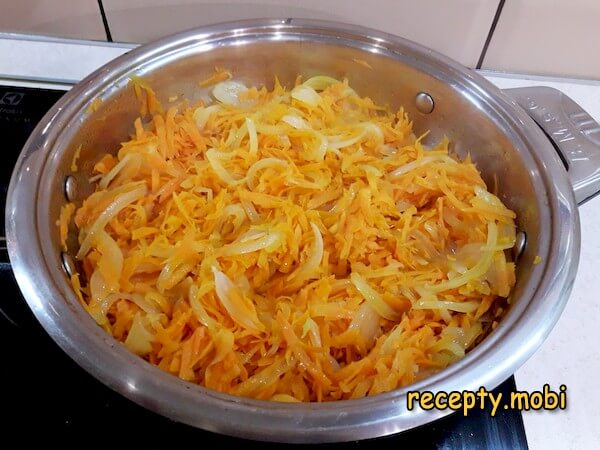
Add the grated carrot. Sauté everything for about 3-4 minutes for proper finished vegetable softening.
Next, combine the vegetables with the tomato paste for proper finished sauce richness.
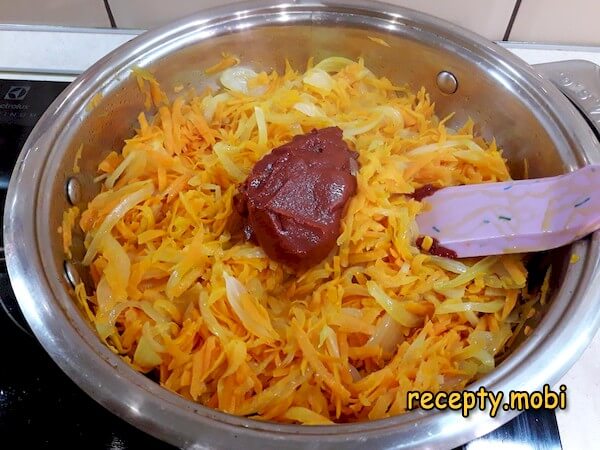
Dilute it with warm water, mix well for proper finished smooth consistency.

Immediately add salt, bay leaves, pepper, and balance the flavor with sugar for proper finished sweet-savory balance.

Add acidity to the marinade by squeezing the juice of half a lemon for proper finished bright character.
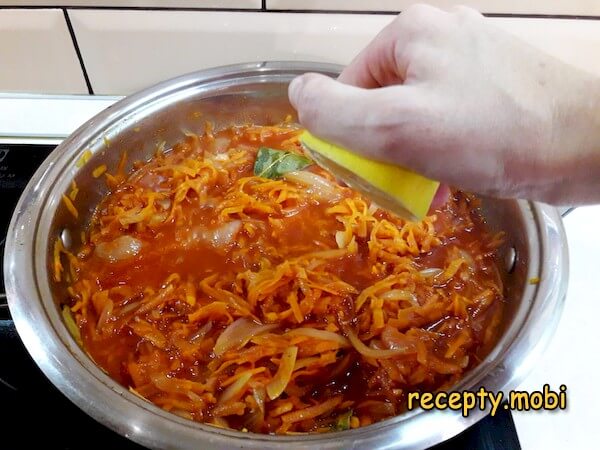
Add the empty lemon peel to the vegetables as well — let the citrus infuse the vegetable sauce with its aroma. Simmer the marinade for about 10 minutes, tasting it — it should be sweet and sour and moderately salty. Remove the peel at the end.

Line the bottom of an appropriately sized dish with a thin layer of the vegetable base for proper finished layered foundation.

Spread part of the fish fillet on top for proper finished layered structure.
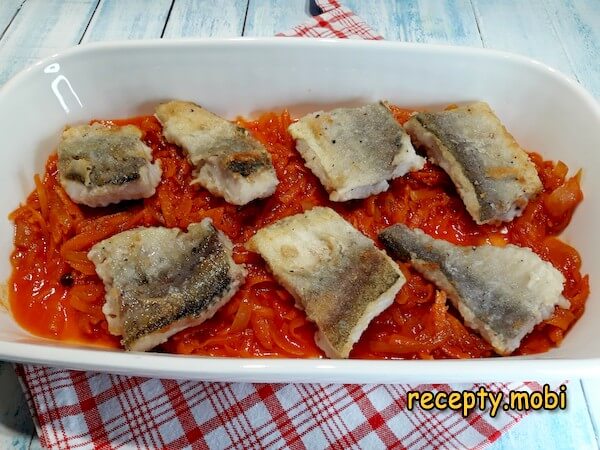
Cover them with the carrot-onion marinade, reserving half for the next layer. On top — the remaining pollock.
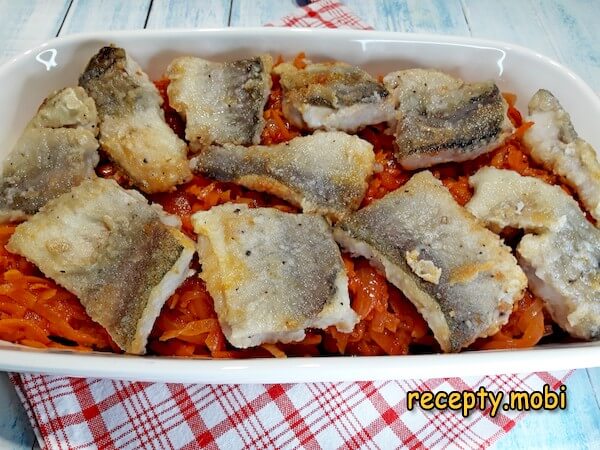
Cover everything with the vegetable sauce. Seal the dish with plastic wrap and refrigerate (for at least half an hour) for proper finished marinated quality.This fish under a marinade of carrots and onions is delicious both hot and cold, although it is usually served as a cold appetizer. Portion plates are filled with pieces of fillet along with the marinade and garnished with fresh herbs. It is a standalone dish but goes very well with boiled potatoes — give it a try. Enjoy your meal!



Tips
- 1
Use thick-bottomed pot for the long marinade-simmer process. Thin-bottomed pots cause burning and uneven reduction; heavy-bottomed pots maintain proper steady heat distribution throughout the entire marinade-cooking process. The pot quality matters more than home cooks typically realize for finished sauce quality and overall family-meal success consistently across batches and various preparation methods reliably across various Russian cooking sessions throughout the year for proper traditional finished results worth showcasing.
- 2
Choose firm white fish (pollock, hake, cod) for proper finished texture. Soft fish disintegrates during the marinade-soaking process; firm white fish maintains shape and absorbs marinade flavor beautifully throughout the cooking and refrigeration period. The same firm-fish principle elevates many marinated-fish preparations including pollock stewed with carrots and onions in tomato and similar Russian-style fish preparations across various traditional Slavic culinary occasions throughout the year reliably.
- 3
Allow full overnight refrigeration for finished maximum flavor development. Short 30-minute refrigeration produces under-flavored insufficient results; full overnight 8-12 hour marination produces the proper signature deeply-flavored character authentic to traditional Russian fish-under-marinade preparations. The patient overnight-refrigeration principle pays back significantly in finished fish-quality consistently across batches and various Russian cold-appetizer preparations throughout the year for proper traditional results worth showcasing reliably across various Slavic entertaining occasions.
- 4
Pair the finished fish with traditional Russian accompaniments for proper presentation. Garnish with fresh dill or parsley sprigs, alongside boiled potatoes, or as appetizer with rye bread for proper finished family-meal applications. Pair with crusty homemade bread for substantial winter meal spreads, alongside pickled vegetables for traditional Russian accompaniment, or with chilled vodka for elegant Russian-style holiday presentations worth showcasing.
FAQ
Can I use other fish besides pollock? +
Yes, hake, cod, haddock, perch, or any firm white fish work as substitutes producing equally delicious results. Each fish produces distinct character: pollock is most economical, cod is most flavorful, hake is most tender, perch is most upscale. Choose based on personal preference, budget, and seasonal availability for proper finished fish-quality variations consistently across various Russian-style cold-appetizer occasions throughout the year reliably.
How long does the marinated fish keep? +
Stored covered in the refrigerator, the marinated fish keeps for 3-4 days at peak quality. The flavor improves significantly over the first 24 hours as components meld together beautifully throughout the marination period. Keep submerged in marinade for proper preservation. Beyond 4 days, fish texture softens and flavors muddy. Best consumed within 2-3 days for the brightest most appealing finished results across multiple meal applications throughout entertaining occasions.
Can I use fresh tomatoes instead of tomato paste? +
Yes, fresh tomatoes work as substitutes producing brighter fresher results. Use 600 g of peeled chopped fresh tomatoes, eliminating the additional water from the recipe. Cook tomatoes slightly longer with vegetables to reduce excess moisture. Each option produces distinct character: tomato paste is most traditional Russian-style and concentrated, fresh tomatoes are brightest and most summer-appropriate. Choose based on season and pantry availability for proper finished variations consistently throughout the year.
Why is my marinade too sour or too sweet? +
Too sour results from excess lemon juice or vinegar in the marinade. Too sweet results from excess sugar. Address proper balance by tasting during simmering and adjusting incrementally — add lemon for acidity, sugar for sweetness. The proper Russian-style sweet-sour balance produces dramatic finished marinade-quality reliably across various preparation occasions throughout the year for proper traditional fish-under-marinade results consistently across various Slavic culinary traditions.
- Comment
or post as a guest
Be the first to comment.