avg —
Gyoza (Japanese Fried Dumplings)

Instructions
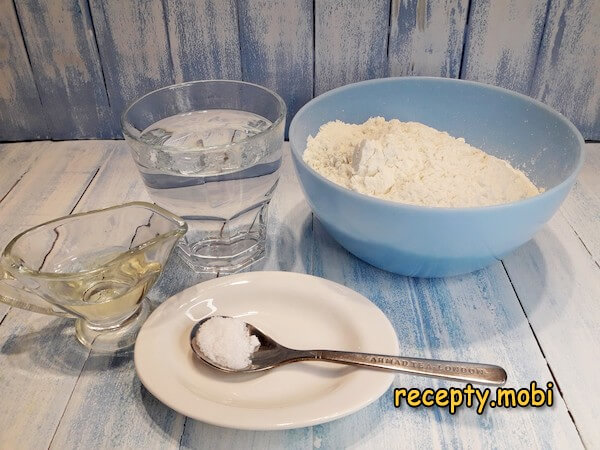
I prepare the dough ingredients. Hot water is essential — produces pliable elastic dough that won't tear during shaping or cooking. Cold water gives stiff brittle dough.
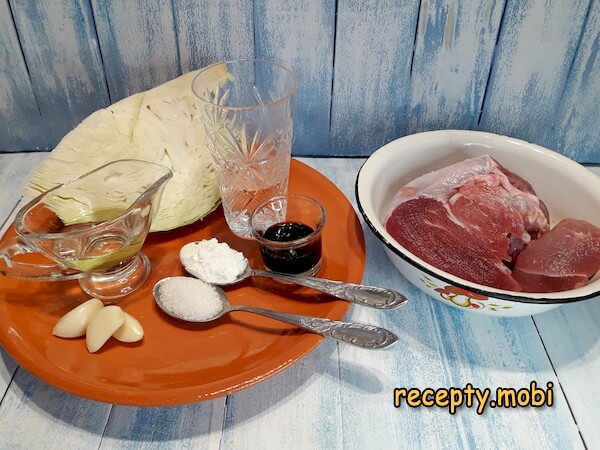
Filling ingredients gather. Pork can be replaced with any meat (beef, chicken, lamb). Both white cabbage and napa cabbage work. Sesame oil instead of regular vegetable oil gives more authentic Japanese flavour.
Sift flour into a large bowl. Make a well in the centre, add salt, oil, then hot water.

Initially stir with a spoon — the water is too hot for hands.
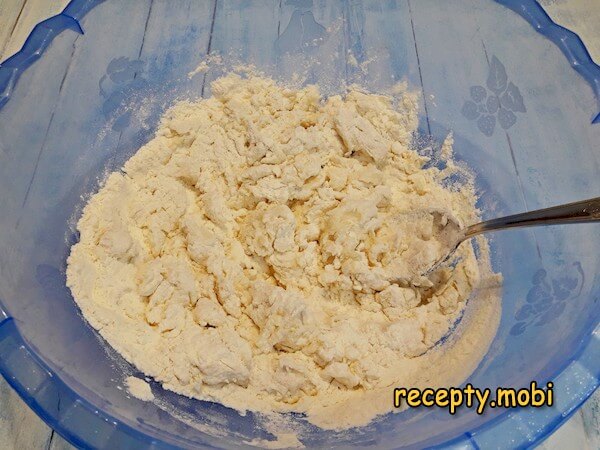
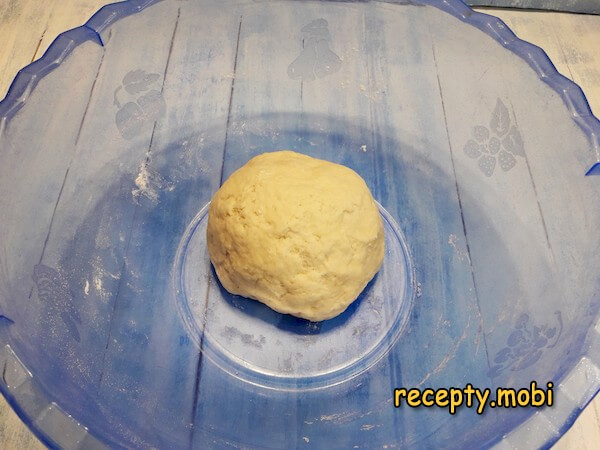
As mixture cools, switch to hand-kneading. The dough is warm, pliable, easy to work with. Form into ball, bag, refrigerate while making filling.
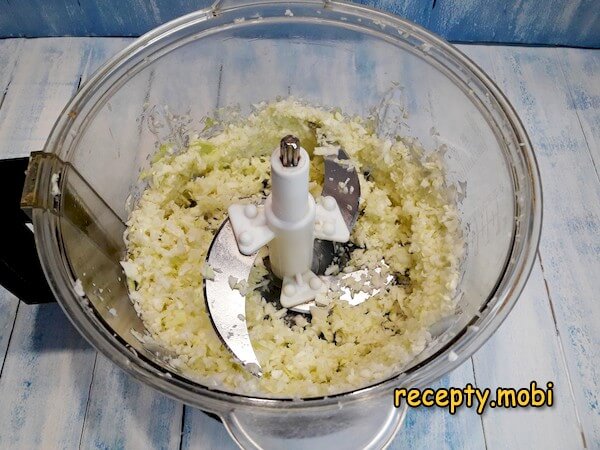
Cabbage: trim core and tough outer leaves. Finely chop — pieces shouldn't be visible in finished filling. Food processor with sharp blades is the practical tool; knife works for small batches.
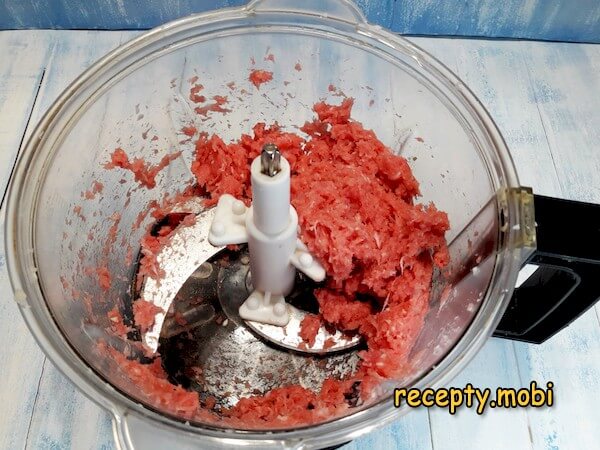
Pork grinds in a meat grinder or food processor.
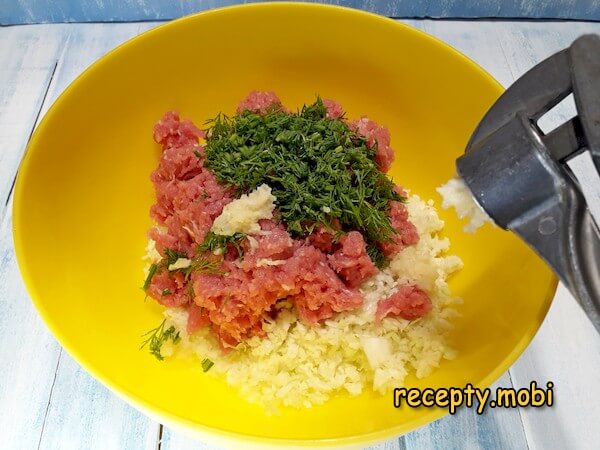
In one bowl, combine ground pork + chopped cabbage + finely chopped fresh herbs + crushed garlic.
Soy sauce adds in.
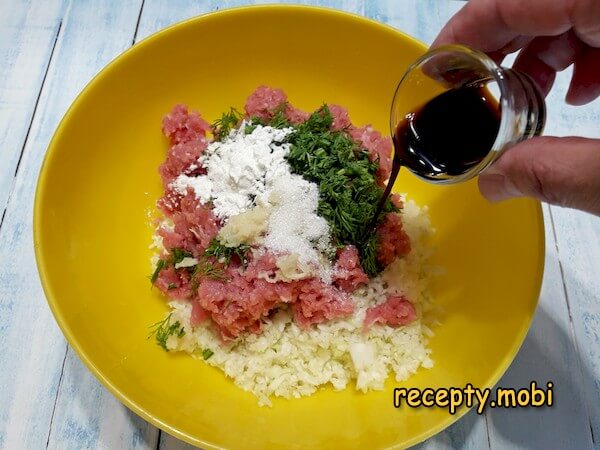
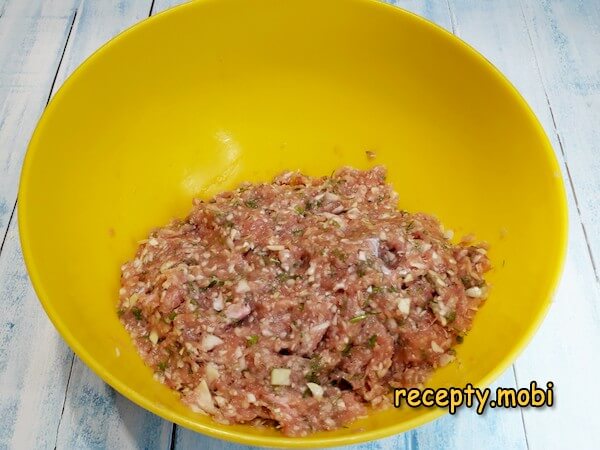
Mix thoroughly, adding remaining ingredients (starch, sugar, vegetable oil, water, salt).
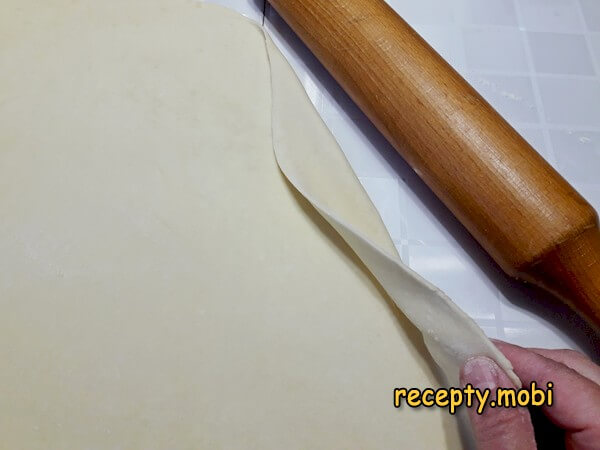
Take dough from fridge. Floured surface, roll thin sheet about 2 mm thick.
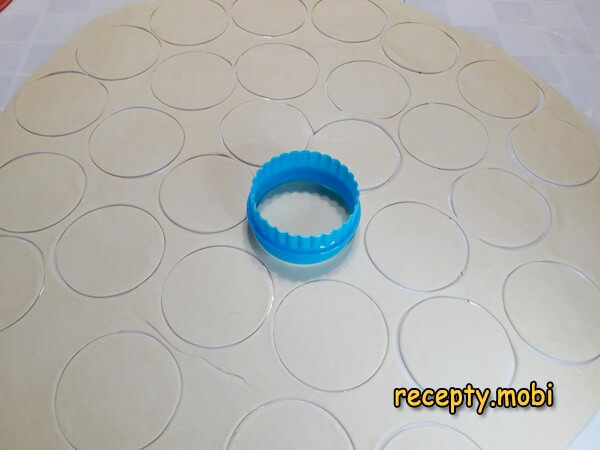
Round 7.5 cm cookie cutter cuts circles. Gather scraps and re-roll for more circles.
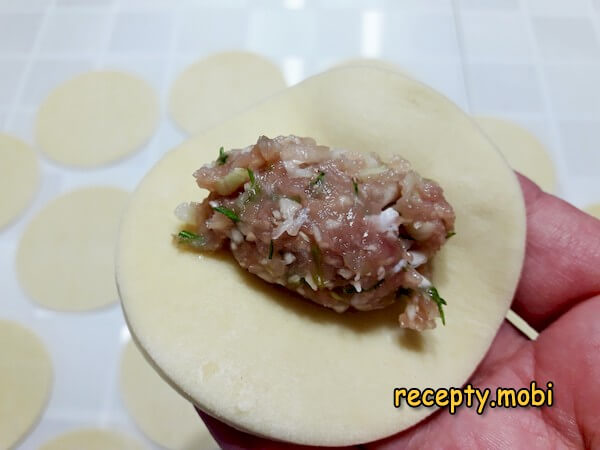
Shape gyoza: 1 tablespoon filling in centre of each circle.
Pinch the centre of the wrapper together with one initial fold.
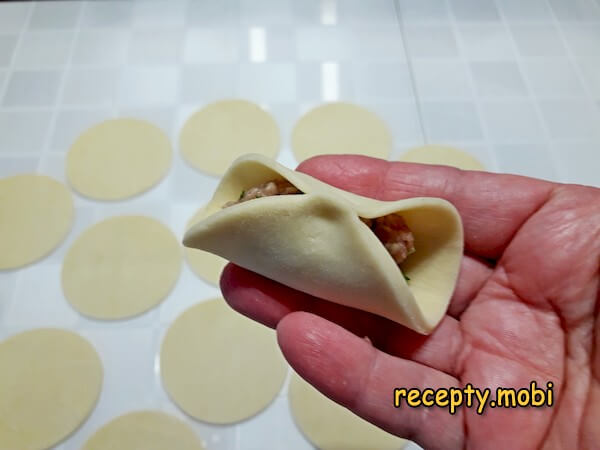
Fold the right side toward centre, making pleats ONLY on the front side. The back stays flat (defining gyoza characteristic).

Pinch left side similarly with front-only pleats. Go over all pinches once more for secure seal.
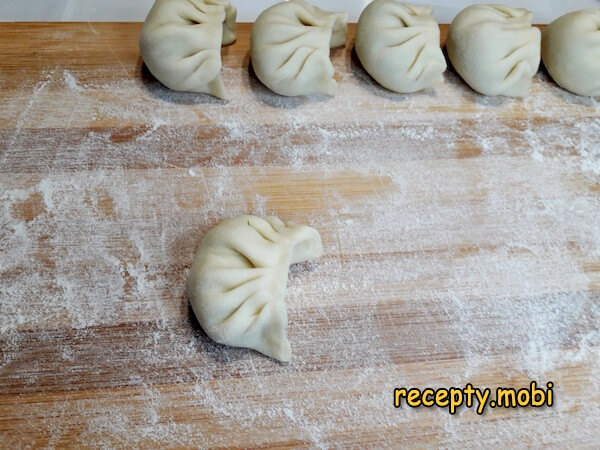
Finished gyoza rest on a floured board with space between them.
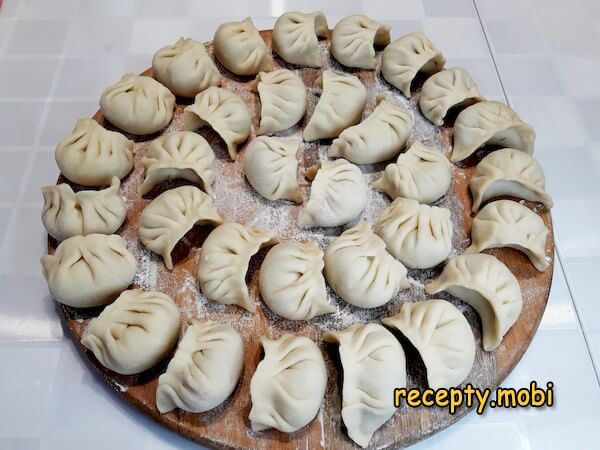
Make-ahead option: freeze raw gyoza on the board first (single layer, no contact). After freezing solid, they can touch without sticking.
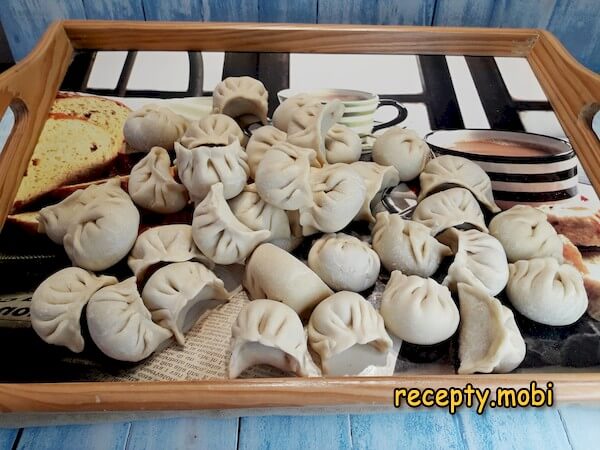
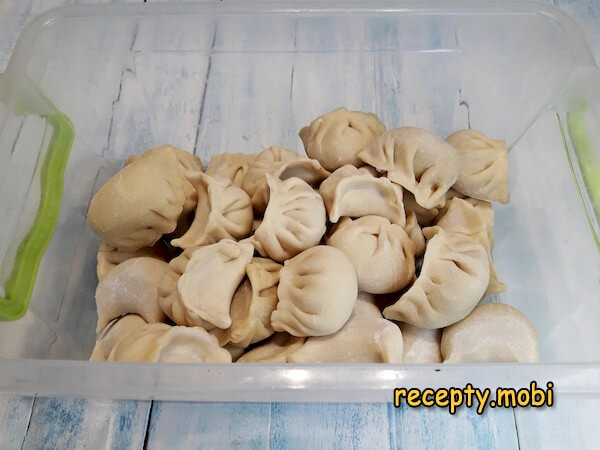
Frozen gyoza transfer to lidded container or zip bag. Freezer storage 2 months. Cook directly from frozen — no thawing needed.
To cook: heat oil in skillet. Place gyoza flat-side-down. Fry only the bottoms until crispy-golden.
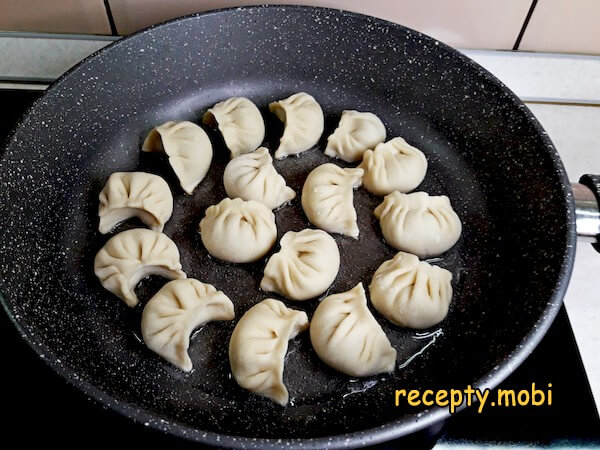
When bottoms are well-browned, lower heat. Add hot water to skillet — about 1/3 height of the dumplings.
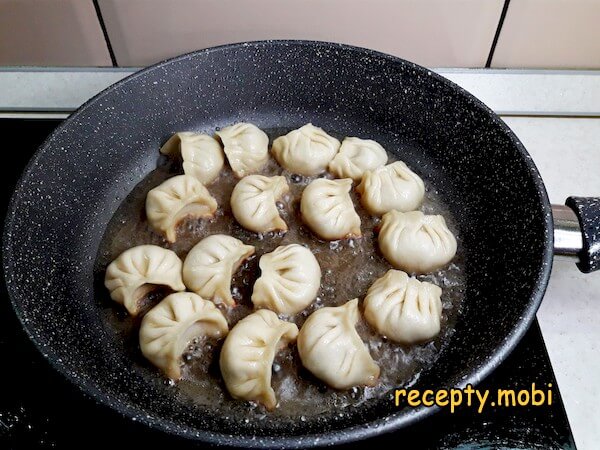
Immediately cover with lid. Steam over low heat 7 minutes.
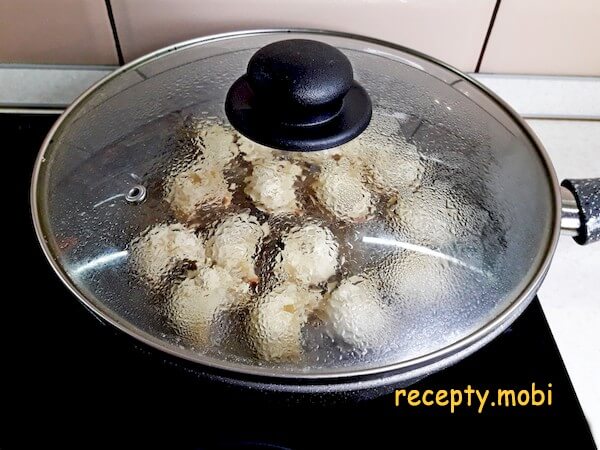
Lid off. Continue heating until all moisture evaporates. Gyoza are now fully cooked.Serve gyoza hot with Japanese dipping sauce (soy sauce + rice vinegar + chili oil mix is classic). The contrast — delicate steamed top, crispy golden bottom, juicy fragrant filling — is what makes gyoza a Japanese restaurant standard. Try it, enjoy your meal!


Tips
- 1
THE FRY-THEN-STEAM IS THE CHARACTERISTIC TECHNIQUE. Steps 20-23's two-stage cooking is what defines gyoza vs other dumplings. The fry creates crispy bottom; the steam cooks through the filling without drying out the dough top. Skipping the fry = boiled dumplings (no crisp). Skipping the steam = burnt-bottom raw-centre disaster. Both stages are essential. The water-then-lid sequence is precise — water in first, lid immediately after to trap steam.
- 2
THE FRONT-PLEATS-ONLY SHAPE IS THE GYOZA SIGNATURE. Steps 15-16's "pleats on front, flat on back" technique creates the classic gyoza half-moon with one decorative pleated edge. The flat back makes the gyoza sit naturally for proper bottom-frying. All-around pleats (like Chinese jiaozi) don't work for gyoza technique because the dumpling can't sit flat. Practice the pleat-fold on a few dumplings first; the rhythm clicks after 5-6 attempts. For another stuffed-dough variation worth comparing, see Dumplings on Custard Dough Without Eggs.
- 3
THE HOT-WATER DOUGH IS THE TEXTURE SECRET. Step 1's hot-water requirement isn't optional. Hot water partially gelatinises the flour starch, producing a more elastic, less-prone-to-tearing dough. The same principle creates Chinese hot-water dough wrappers. Cold water gives stiff dumpling skins that tear during the steam phase. The 80-95 °C water temperature is the sweet spot — boiling water can scald and create lumps; merely-warm water doesn't gelatinise enough.
- 4
THE FREEZER MAKE-AHEAD IS A LIFE-HACK. Step 18-19's freezer technique transforms gyoza from a project to a 15-minute weeknight meal. Make 64 dumplings on Sunday, freeze 60 of them, eat 4 immediately. Through the week, pull 8-12 from the freezer for any meal — cook from frozen with the same steps (add 2 minutes to the steam time for frozen). The 2-month freezer life means a single make-ahead session covers 6-8 quick dinners. For another pork-and-beef cutlet variation worth trying, try Pork and Beef Cutlets in a Skillet with Fried Onions.
FAQ
Gyoza vs jiaozi vs pelmeni — what's the difference? +
All are stuffed dumplings but with key distinctions. Chinese jiaozi: thick boiled dumplings, all-around pleats, often boiled in soup or steamed. Japanese gyoza: thinner skins, half-moon with front-pleats only, fried+steamed combination. Russian/Slavic pelmeni: smaller dumplings, no pleats (sealed seam), boiled in salted water, served with butter or sour cream. The Japanese gyoza technique was actually borrowed from Chinese jiaozi after WWII and adapted with the distinctive fry-then-steam method. Gyoza wrappers are typically thinner than jiaozi wrappers; this recipe's 2 mm target is gyoza-thin.
What sauce should I serve with gyoza? +
The classic gyoza dipping sauce: 2 tbsp soy sauce + 1 tbsp rice vinegar + 1 tsp chili oil (la-yu) + 1 grated garlic clove. Mix and serve in small individual dishes. Variations: add 1 tsp sesame oil for nuttiness, add fresh ginger grated, add green onion slices for fresh-bite, or use ponzu sauce (citrus-soy mix) for lighter flavour. Some Japanese restaurants serve gyoza with thick "gyoza sauce" (a slightly sweet thicker dipping sauce). The simple soy-vinegar-chili formula is the most authentic.
Can I make these vegetarian? +
Yes — the technique works for vegetarian fillings. Replace pork with: firm tofu (drained, crumbled, 300 g), reconstituted shiitake mushrooms (200 g), TVP (textured vegetable protein, 100 g), or finely chopped mushroom mix (champignon + shiitake + oyster, 300 g total). Increase the cabbage slightly (300 g) for more substance. The soy sauce, garlic, herbs, and other seasonings stay identical. Vegetarian gyoza are an excellent dinner-party option that even meat-eaters enjoy.
Why does my filling taste flat? +
Common causes. First, insufficient soy sauce — the 15 g amount is the minimum; some prefer 20-25 g. Second, missing fresh herbs (parsley, cilantro, green onion) — these brighten everything. Third, raw garlic skipped — gyoza filling needs raw garlic punch (cooked garlic is too mellow). Fourth, salt forgotten — taste the raw filling and adjust salt before assembly. Fifth, low-quality soy sauce — use Japanese-style "shoyu" (Kikkoman or similar). The savoury depth of gyoza comes from layered seasonings, not from any single ingredient.
- Comment
or post as a guest
Be the first to comment.