avg —
Hashlama of beef with potatoes

Instructions
I prepare the ingredients. Clean bell pepper; rinse off seeds; cut into LARGE cubes. Choose NON-MUSHY potato varieties (Yukon Gold, russet — hold shape during long stewing). Cut tomatoes into wedges.
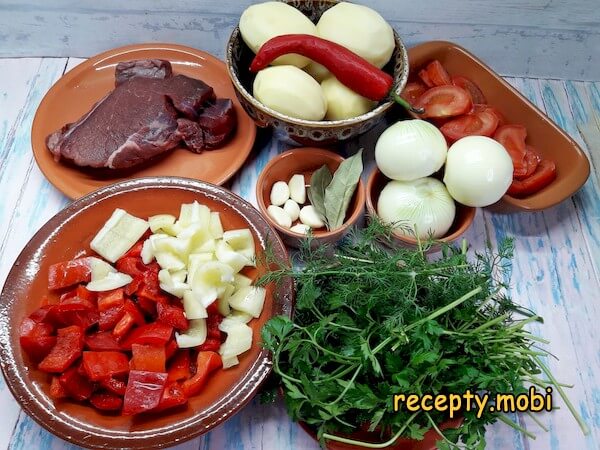
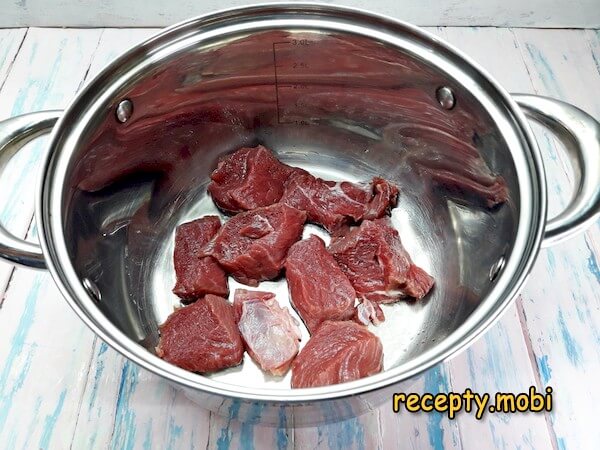
Cut beef into SIZABLE pieces. Small membranes can stay (soften beautifully during 3-hour stew, dissolve into mass).
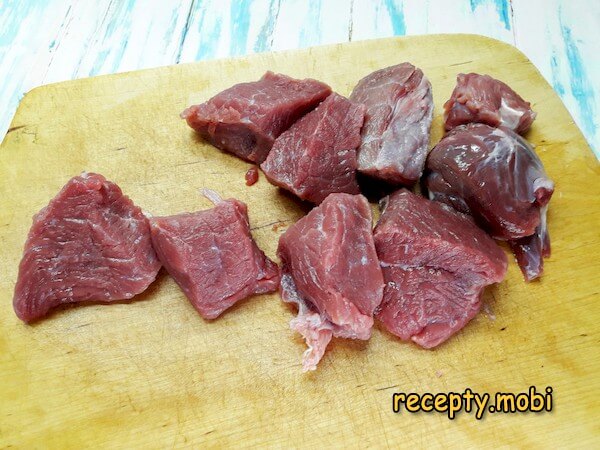
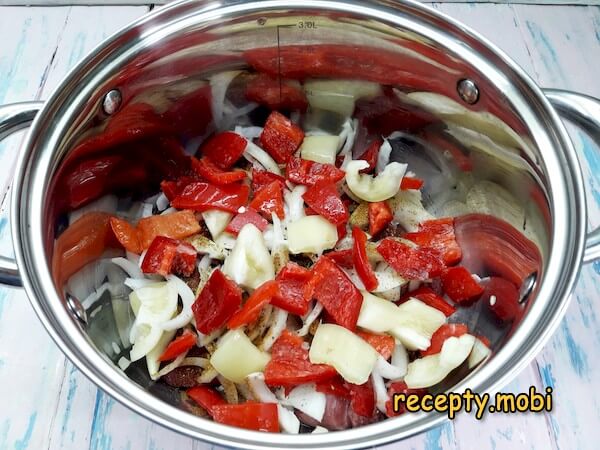
Grease pot bottom slightly with oil (butter or vegetable, no pronounced odor). Lay HALF the meat chunks (LAYER 1 begins).
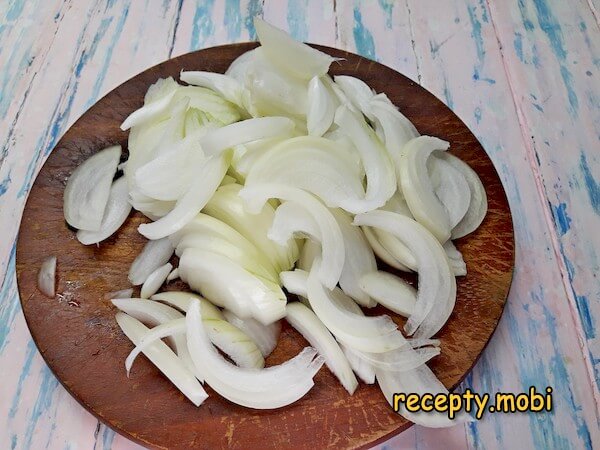
Chop onion into half-ring strips.
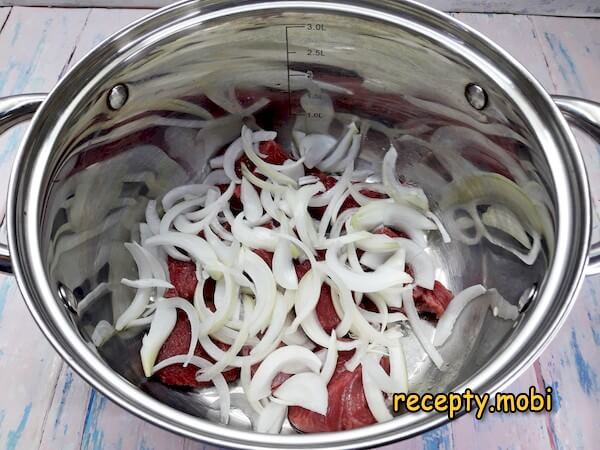
Sprinkle HALF the chopped onion over beef.
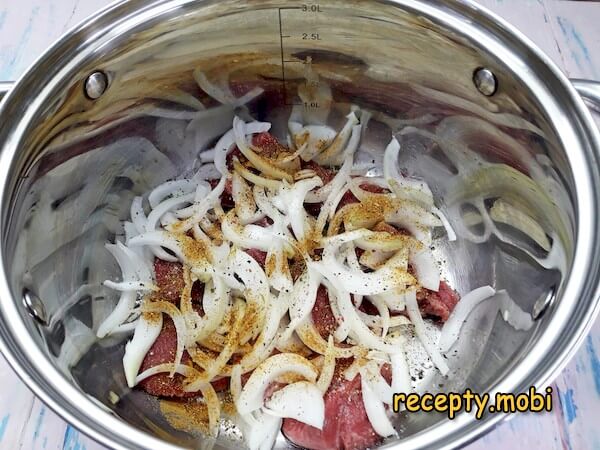
Sprinkle this layer with salt + pepper + khmeli-suneli.
Place PART of bell pepper on top.
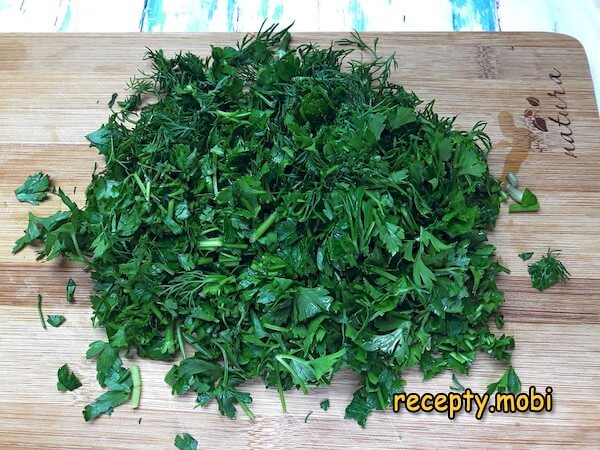
Chop greens NOT TOO finely (preserve aromatic oils).
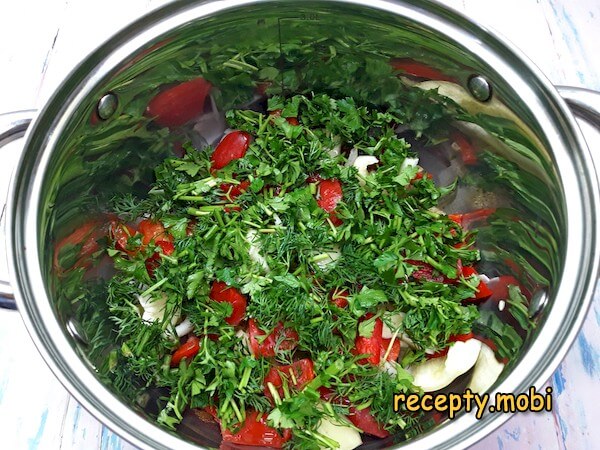
Add greens as next layer in pot.
Cut potatoes into LARGE segments (will stew with meat — should remain whole in finished dish).
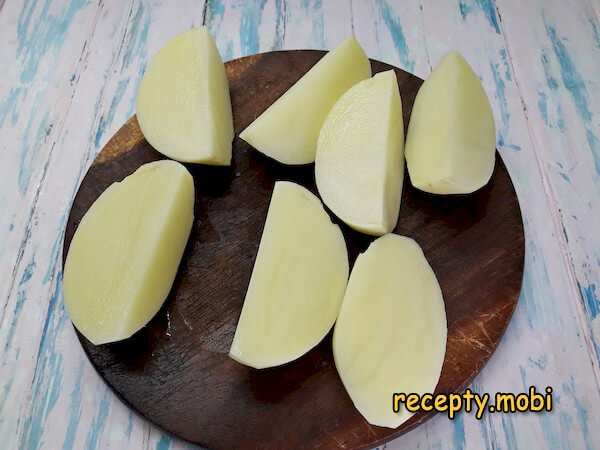
Lay HALF the chopped potatoes on the parsley-dill layer.
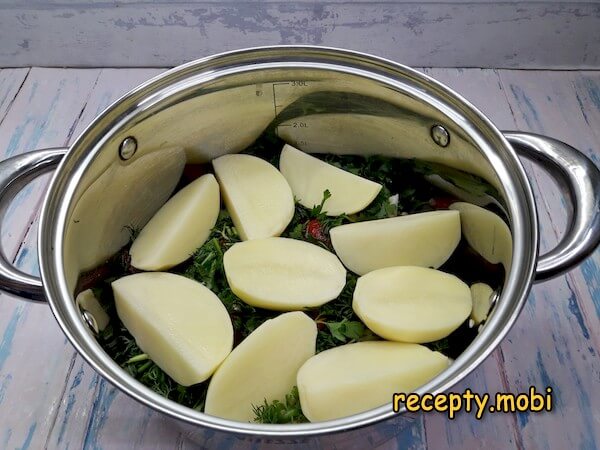
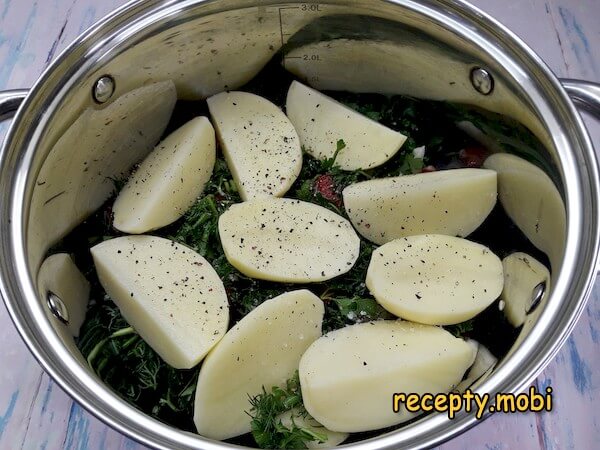
Sprinkle this layer with spices.
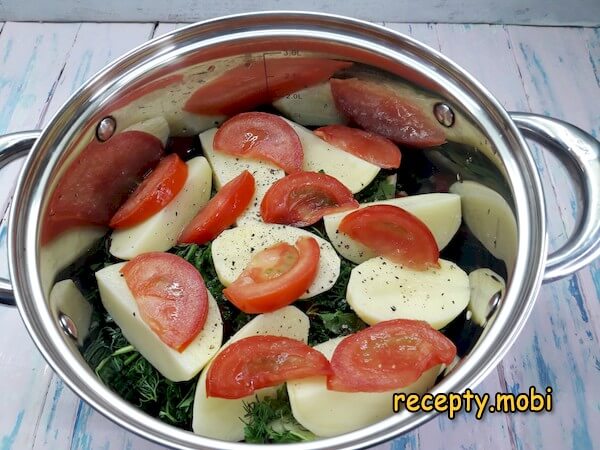
Add tomatoes — but only PART of them (rest goes higher).
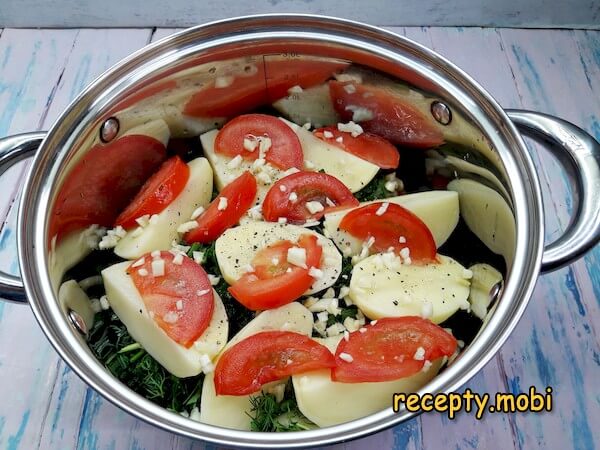
Sprinkle CHOPPED garlic on top.
Place remaining MEAT next. Layers REPEAT (meat-onion-spice-pepper-greens-potato-spice-tomato-garlic).
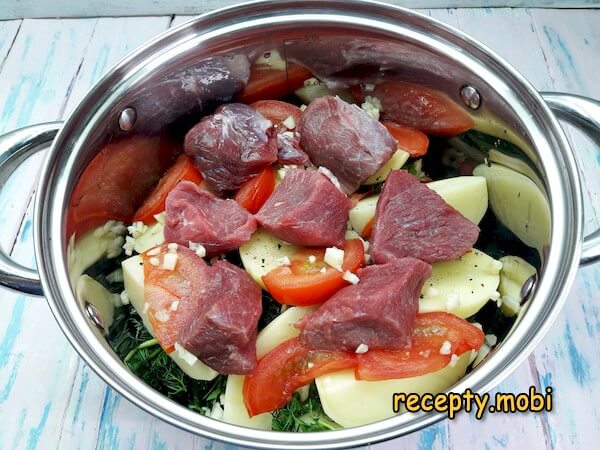
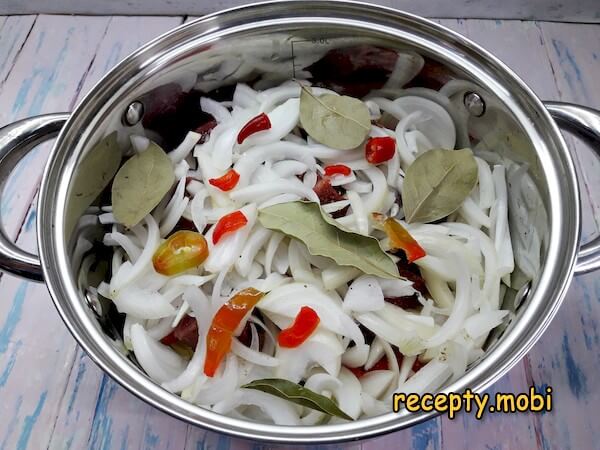
AFTER second onion layer (middle of filled pot): add bay leaves + small chili pepper pieces.
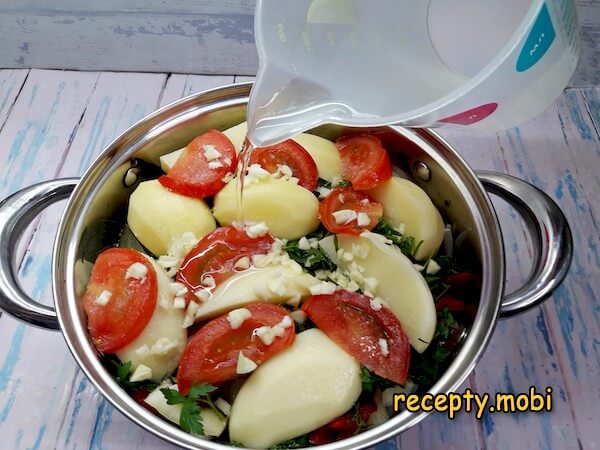
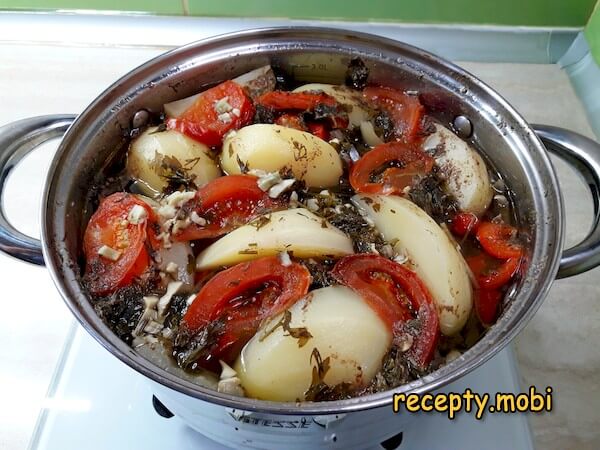
Once all components layered: pour in 700 ml water. Should be ~2 cm BELOW edge of vegetables. For more liquid hashlama: increase water.
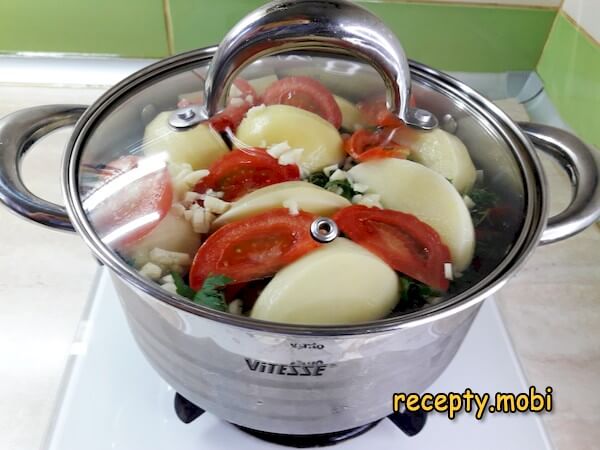
SIMMER covered on LOW heat ~3 hours. Young veal: 2 hours sufficient.
The beef hashlama with potatoes is ready. Meat melts in mouth; potatoes remain whole. Serve HOT with fresh lavash + fresh herbs alongside.


Tips
- 1
THE LAYERING-NOT-MIXING TECHNIQUE. The recipe's distinctive feature: components LAYERED in pot, NOT mixed. Why critical: each layer maintains identity during 3-hour cook, juices migrate naturally between layers, vegetables retain shape. Mixing-then-stewing: produces uniform stew (different dish entirely — closer to Russian "rassolnik" than Caucasian hashlama). The layering creates the dish's structural identity. Same layered-stewing principle: Persian polo-style, Greek pastitsio, Italian lasagna — but for stew rather than baked dish.
- 2
THE NON-MUSHY POTATO RULE. Step 1's "non-mushy varieties" specification preserves dish aesthetic. Mushy varieties (russet, baking potato in some climates): disintegrate during 3-hour stew, become potato-puree, ruin "whole potato" look. Non-mushy varieties (red potato, fingerling, Yukon Gold, Charlotte): hold shape through extended cooking, become tender-but-whole. The recipe's promise: "potatoes remain whole" requires proper variety. For another Caucasian-tradition layered preparation worth comparing, see Dumlyama Uzbek Style.
- 3
THE 3-HOUR LOW-AND-SLOW IS NON-NEGOTIABLE. Step 18's "3 hours on LOW heat" is calibration. Higher heat: vegetables disintegrate before meat softens (mushy result with tough meat). Lower-heat shorter time: meat doesn't reach proper tenderness, vegetables retain too much firmness. The 3-hour low simmer: collagen converts to gelatin (silky meat), vegetables tenderize without disintegrating, flavors fully integrate. For YOUNG VEAL: 2 hours sufficient (less collagen, faster cooking). For OLDER beef: may need 3.5 hours. Same low-and-slow principle: French daube, Italian osso buco, Indian dum biryani.
- 4
THE NO-WATER-ADDITION DURING COOK. Once water added (step 17), DON'T add more during 3-hour cook. Vegetables release water; meat releases water; the pot's water-content is calibrated for final consistency. Adding mid-cook water: dilutes broth, weakens flavor concentration. If pot starts looking dry: ensure lid is tight (steam circulation cooks dish, no actual water needed). Same closed-system cooking principle: tagine, dutch-oven cooking, traditional Caucasian cookware. For another classic Caucasian stew worth trying, try Chashushuli Georgian Style.
FAQ
Can I use other meats? +
Yes — equally traditional variations. LAMB (Caucasian-most-traditional): more pronounced flavor character, recipe-canonical for some regions. PORK (Russian/Belarusian variation): different flavor, equally hearty. CHICKEN (modern adaptation): cooks faster (90 min total), lighter dish. GAME MEATS (rabbit, venison): traditional in some Caucasian regions, exotic. The 500 g meat works with any. Lamb produces strongest "Caucasian" character; beef is most universal; chicken is family-friendly. AVOID: very lean meats without fat (dish needs fat for proper flavor).
Can I make it in slow cooker? +
Yes — perfect slow-cooker dish. Method: layer ingredients per recipe (steps 3-16), add water (step 17), set slow cooker to LOW for 6-8 hours OR HIGH for 4 hours. Slow cooker's gentle even heat is ideal for hashlama character. Layering works the same as stovetop. Result: equivalent or BETTER than stovetop (hands-off, no monitoring). Pressure cooker variation: layer + cook on HIGH PRESSURE for 35 minutes (very fast version, slightly different texture). Stovetop tradition is canonical; modern appliances produce excellent results.
How do I serve it? +
Caucasian tradition has specific approach. CLASSIC: serve in deep individual bowls with broth + chunks of meat + vegetables. ACCOMPANIMENTS: fresh lavash bread, fresh greens platter (cilantro, dill, parsley, basil), pickled vegetables, fresh tomato + cucumber salad. WINE: Georgian semi-sweet red (Kindzmarauli, Khvanchkara) traditional pairing. CONDIMENTS: adjika (spicy paste), tkemali (sour-plum sauce), traditional Caucasian sauces. The dish IS substantial main course; minimal sides needed.
How long does it keep? +
Refrigerated covered: 4-5 days at peak quality. Day 2-3: PEAK FLAVOR — vegetables fully integrated, meat dissolved into rich gravy, broth concentrated. Reheating: gentle stovetop simmer 15 min, OR microwave individual servings 3-4 min. FREEZER: works very well (3 months freezer life), thaw overnight + reheat. The dish is genuinely make-ahead-friendly + improves overnight. For meal-prep: cook large batch Sunday for week's lunches. Some Caucasian families specifically make hashlama 1 day before special meal (improves overnight).
- Comment
or post as a guest
Be the first to comment.