avg —
Homemade Pork Aspic

Instructions
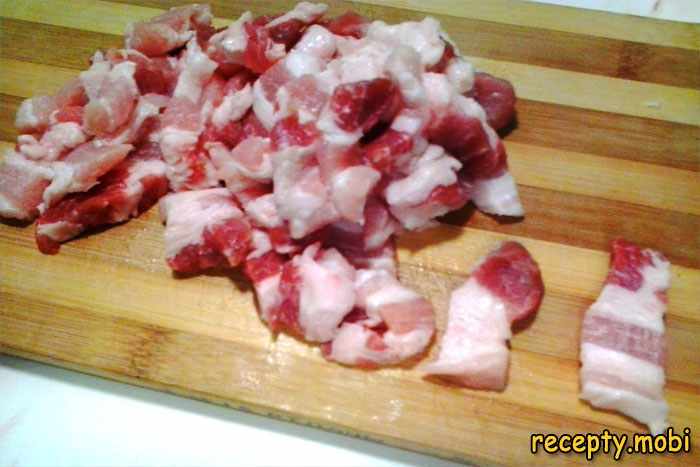
First, rinse, dry, cool the meat and fat, or better, slightly freeze them. Cut the meat into thin strips (3x2 cm or 4x2 cm) with a sharp knife for proper finished slicing-friendly portion sizing.
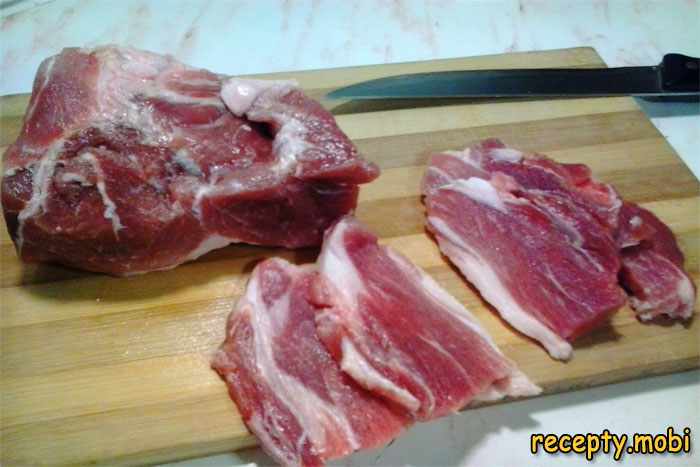
Remove the skin from the piece of fat, cut the meat into slices similar to the meat for proper finished texture distribution.
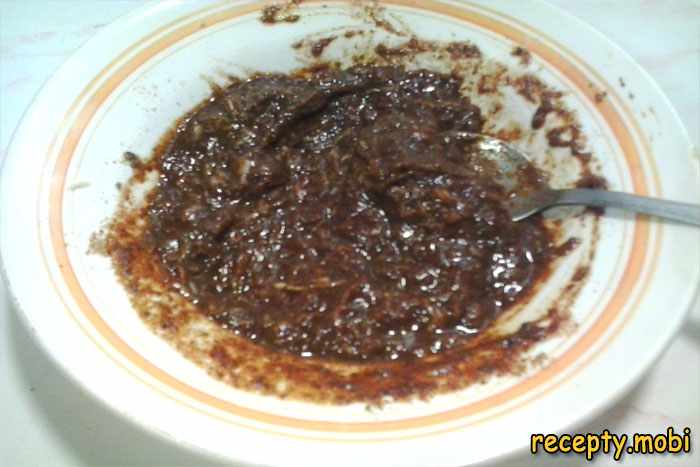
Place grated garlic, salt, sugar, spices, mustard, and vermouth (if desired) in a separate plate, and mix well for proper finished marinade foundation.
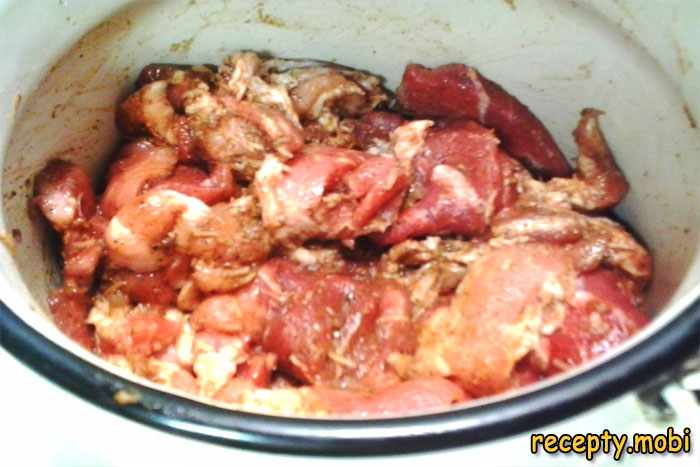
Pour the meat with the prepared spicy marinade, knead well with your hands so that the meat absorbs the salt and the bouquet of spices for proper finished flavor penetration.
Pound the meat and fat with a special mallet for 10 minutes. To keep the table and kitchen clean, place the products in a plastic bag beforehand. Pound with the flat side of the mallet (without any notches) to avoid tearing the bag.
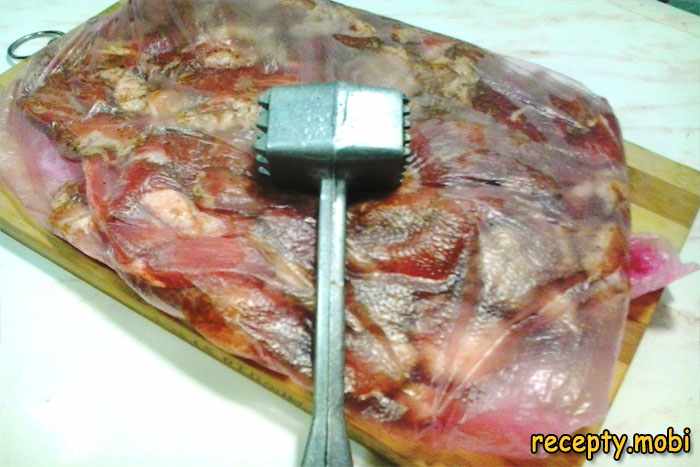
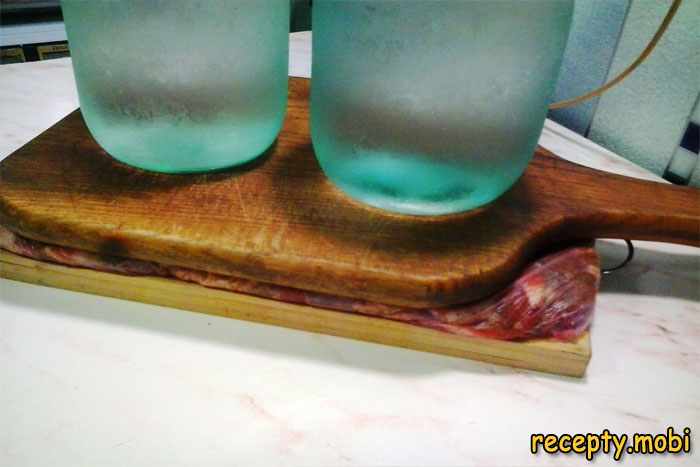
Distribute the meat in the bag, lay it on a cutting board, cover it with another one. Place a weight on top (for example, several cans of water). Put this structure in the refrigerator for 3-4 hours (better overnight) for proper finished marinade absorption.
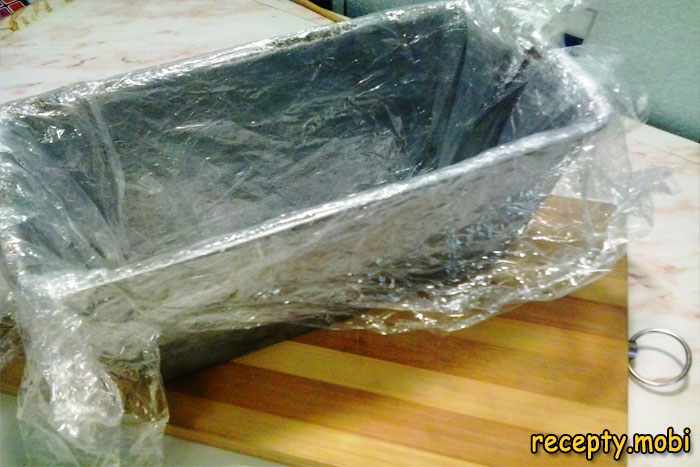
Prepare the mold for the future aspic. Line it with plastic wrap folded in several layers for proper finished unmolding preparation.
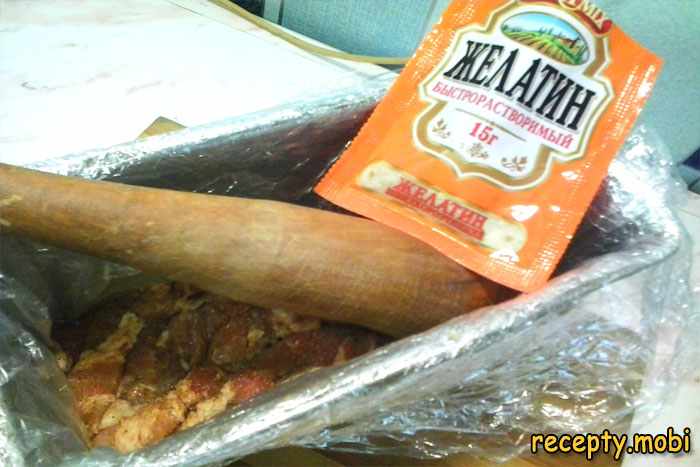
Fill the mold with marinated meat, layering it and sprinkling gelatin between layers. Compress the layers tightly using a mallet or pestle. Cover the meat with plastic wrap, place a weight in the form of cans with water on top.
Place the resulting structure in a suitable pot, pour in cold water so that the meat in the mold is at the water level for proper finished water-bath cooking environment.
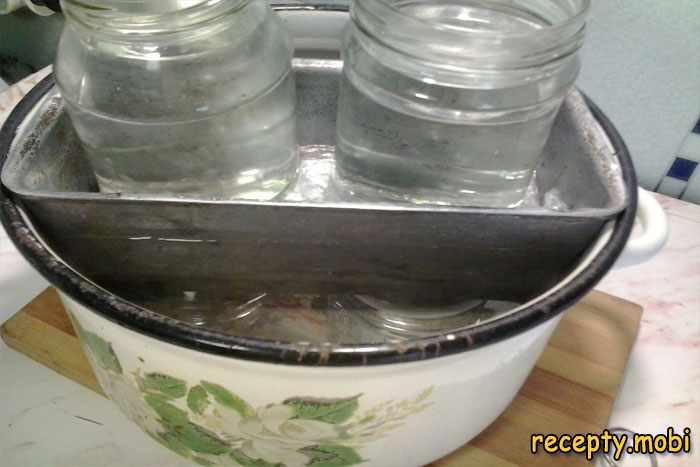
Bring the contents of the pot to a boil, cook for 3-3.5 hours over medium heat. Keep the lid closed whenever possible. Periodically add hot water to the necessary level for proper finished consistent cooking.
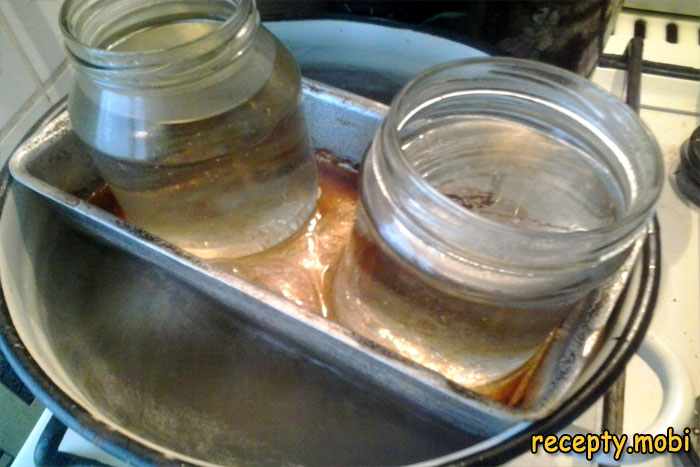
Once the aspic is ready, remove it to a cool place and let it cool. Take the bag out of the mold and cool in the refrigerator for several hours. Collect the broth with fat that formed during cooking with a knife or spoon (use it for reheating second courses).
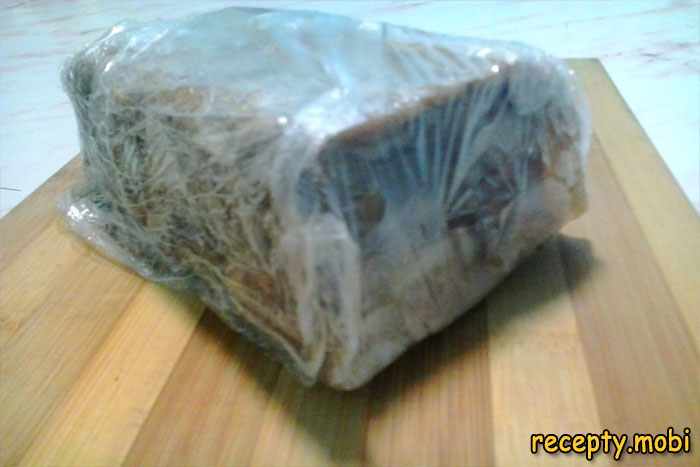
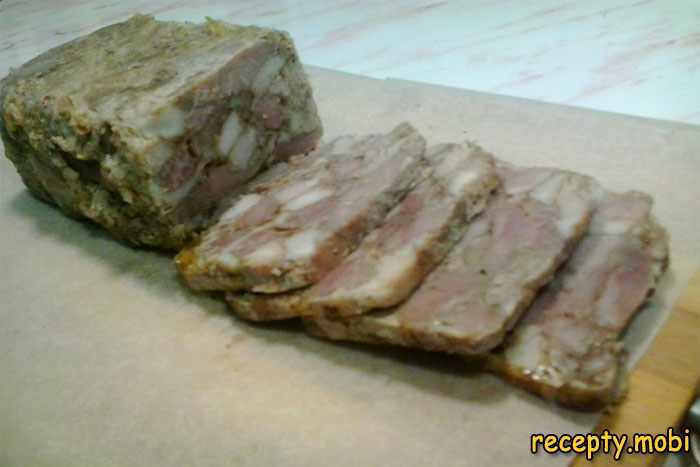
Cut the aspic into thin slices and serve it on the table. Enjoy your meal!


Tips
- 1
Use slightly frozen meat and fat for the cleanest finished slicing results. Room-temperature meat tears during cutting producing inferior uneven strips; slightly frozen meat (15-30 minutes in freezer) cuts cleanly producing proper finished uniform strips authentic to traditional preparations. The temperature management matters more than home cooks typically realize for finished aspic quality and overall presentation throughout family entertaining occasions consistently across batches and various preparation methods reliably.
- 2
Use the proper plastic-bag pounding technique for clean kitchen results. Direct mallet-pounding splatters meat juices and marinade everywhere; bag-pounding contains the mess for clean countertops and proper finished even meat texture. The same bag-protection principle elevates many marinated-meat preparations including chebureks with cream pastry and similar pounded-meat preparations across various traditional Slavic cooking traditions throughout the year.
- 3
Cook for the full 3-3.5 hours in water bath for proper finished tender character and food safety. Insufficient cooking produces tough disappointing aspic with food-safety risks; full proper cooking time produces the proper tender melts-in-mouth character authentic to traditional preparations while ensuring proper safety. The cooking time matters significantly for finished aspic quality consistently across batches and various charcuterie preparations throughout the year for proper restaurant-style results worth showcasing reliably.
- 4
Pair the finished aspic with traditional Russian-style accompaniments for proper presentation. Serve as cold cuts for sandwiches, sliced thin on charcuterie boards, or as zakuski with vodka. Pair with crusty homemade bread for traditional Russian zakuski spreads, alongside hot mustard and horseradish for proper accompanying condiments, or with chilled vodka for traditional Russian holiday entertaining presentations worth showcasing.
FAQ
How long does the aspic keep? +
Stored covered in the refrigerator, the aspic keeps for 7-10 days at peak quality. Wrap tightly in plastic wrap or airtight container to prevent moisture loss and odor absorption. The aspic does not freeze well — the gelatin becomes watery and the meat texture changes substantially. Best consumed within 5-7 days for the brightest most appealing finished texture across multiple servings throughout entertaining occasions consistently.
Can I substitute beef for pork? +
Yes, beef brisket or chuck (with attached fat) work as substitutes producing distinctly different finished character. Beef aspic is more substantial and assertive; pork is most traditional and universally appealing. Mixed beef-pork combinations are especially elegant. Adjust cooking time slightly based on protein choice (beef may need additional 30 minutes) for proper finished tenderness. The basic technique stays identical regardless of meat choice for consistently excellent finished aspic results across various meat preferences throughout the year.
What other spices work in aspic? +
Bay leaves (most traditional addition), juniper berries (most German-style), thyme, marjoram, savory, allspice, smoked paprika, or grated horseradish all work beautifully alongside the standard spice blend. Each addition produces distinct character: bay leaves are most universal, juniper adds gin-like depth, smoked paprika adds Spanish flair. Mix and match based on personal preference and intended cuisine inspiration for endless variations across various charcuterie traditions throughout the year for proper personalized finished aspic results.
Can I make this without alcohol? +
Yes, simply omit the vermouth/cognac/wine or substitute with apple juice, broth, or vinegar for similar finished moisture without alcohol content. Each non-alcoholic option produces distinct character: apple juice is sweetest, broth is most universal, vinegar is most assertive tangy. Choose based on dietary preferences and intended audience for proper finished results across various dietary applications throughout the year. The alcohol-free version is suitable for child-friendly preparations and pregnancy-conscious meals consistently across various entertaining occasions.
- Comment
or post as a guest
Be the first to comment.