avg —
Homemade Smelt Canned Food

Instructions
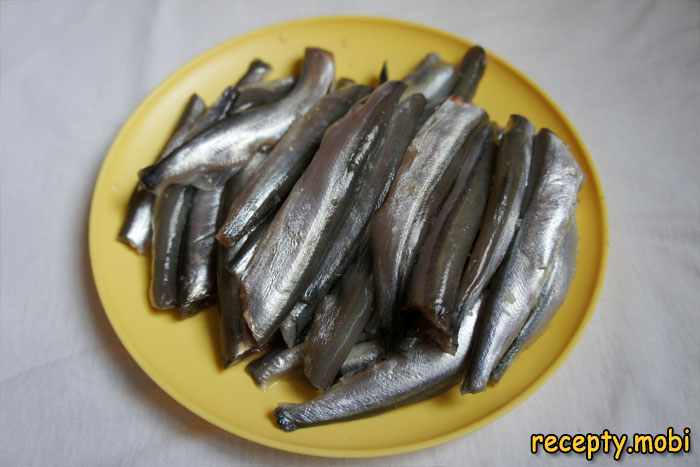
For making canned fish, buy large smelt. Try to buy whole, undamaged fish. Thaw the smelt in the air. After thawing, remove the head, the tip of the tail, and the innards from each fish. When removing the innards, scrape off the black skin from the inside of the belly, which can give the finished fish an unpleasant bitterness in the canned food. This dark film is very easy to remove under a stream of cold water. After rinsing the cleaned smelt under running water, place the fish on a plate to let the excess water drain off.
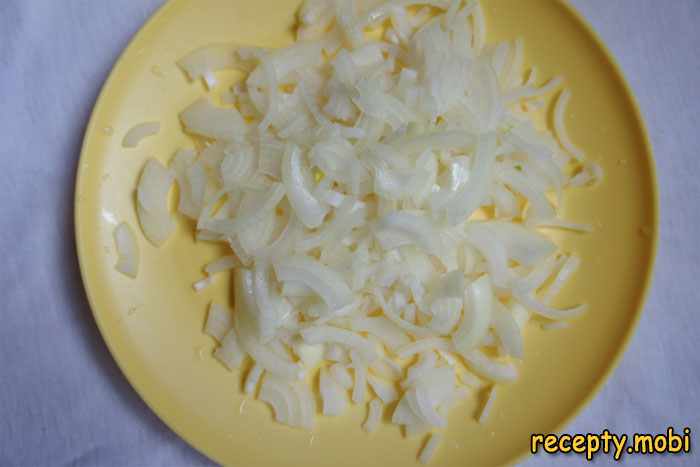
Now take 2 medium-sized onions. Peel the onions, then cut them into quarters. Slice each quarter of the onion crosswise into strips. Send the onion to a pan with vegetable oil to lightly brown it for proper finished aromatic foundation.
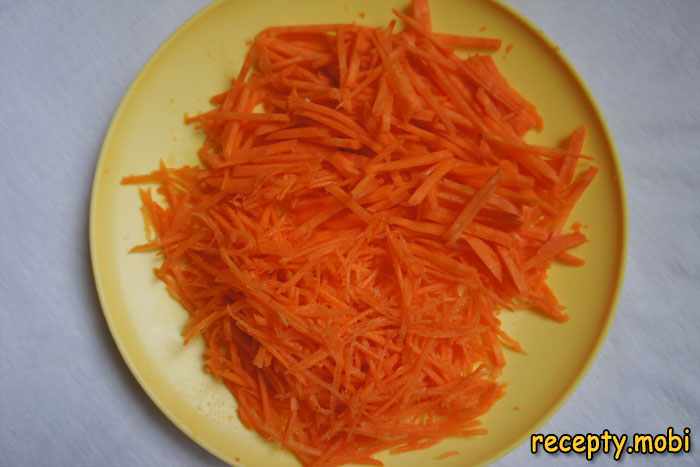
Meanwhile, prepare the carrot for the sauce. The sauce in the canned food will be tastier if it contains a lot of carrots, which will give the sauce a nice color and sweetness. Therefore, take a large root vegetable. After peeling it, rinse it under running water. Then shred the carrot into strips for proper finished colorful sauce base.
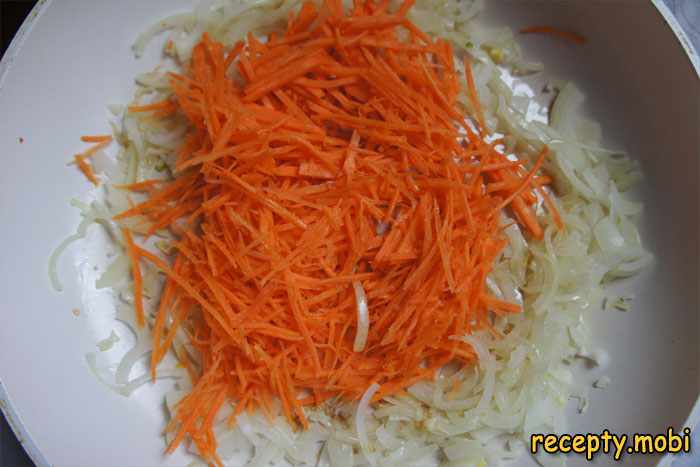
Pour the shredded carrot into the pan with the onion. Do not fry the vegetables too much, but just sauté them lightly until soft for proper finished tender foundation.
When the vegetables are ready, proceed to make the sauce. You will need homemade tomato juice, ground pepper, sugar, and salt. Also add flour to the sauce for thickness for proper finished consistency.
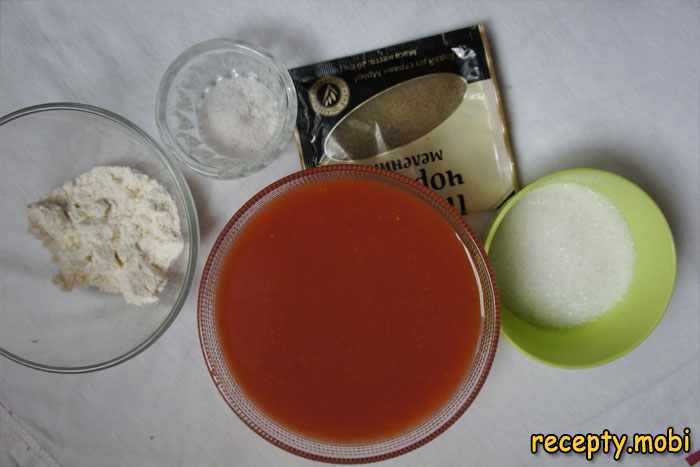
Thoroughly mix the tomato with the flour so that there are no flour lumps left. For this purpose, use a whisk that is usually used to break up lumps in pancake batter.
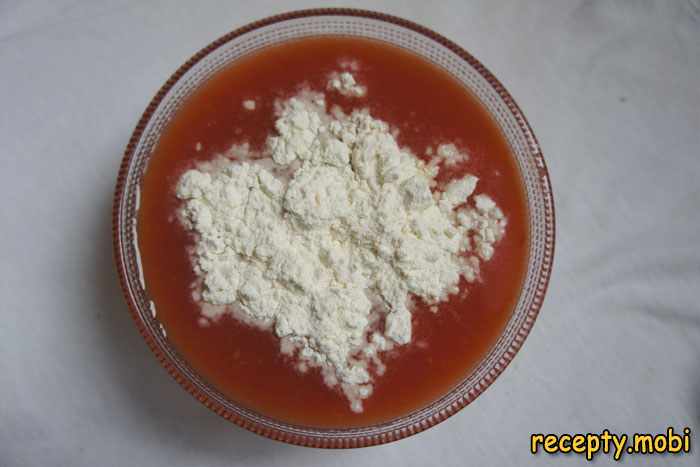
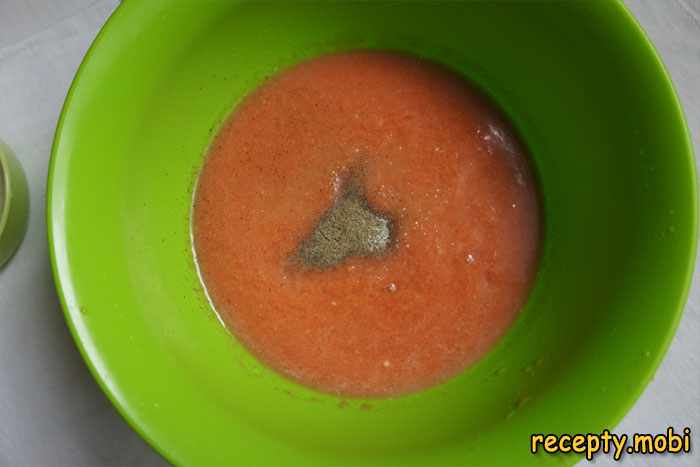
Add salt and ground pepper to the tomato according to the recipe, and mix for proper finished seasoning balance.
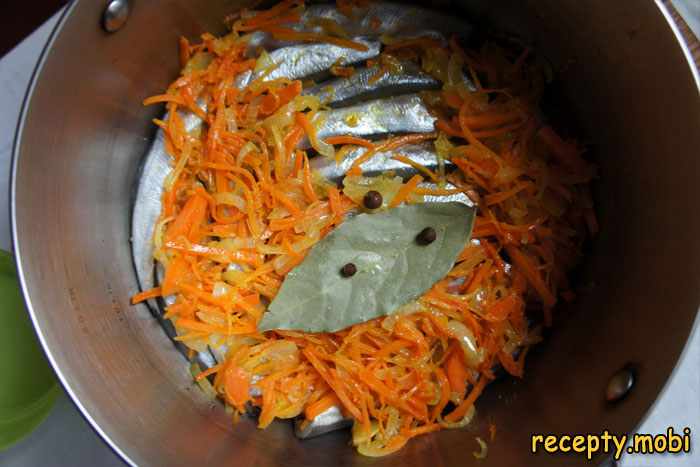
Now lay a layer of sautéed vegetables on the bottom of the cooking pot. Next, place the prepared smelt in a dense layer for proper finished layered foundation.
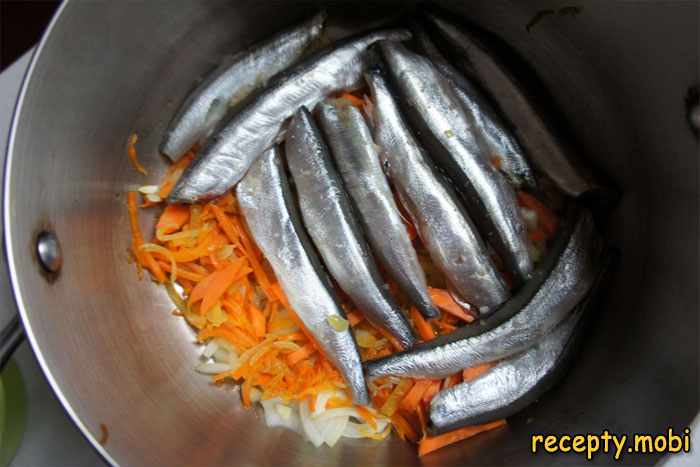
Cover the layer of smelt with sautéed onions and carrots. Then add another layer of fish for proper finished alternating layering.
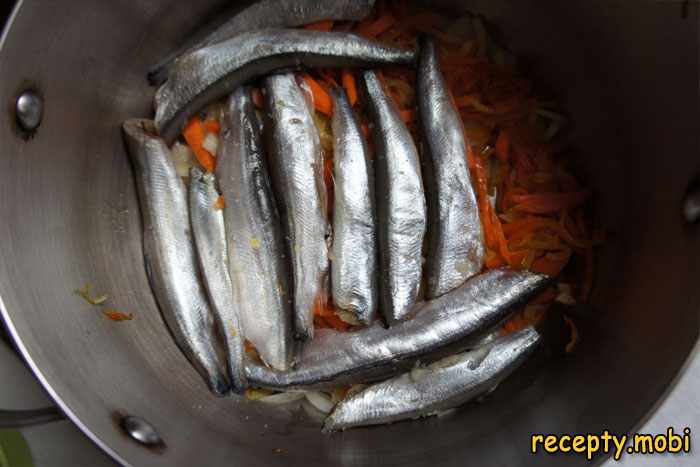
Cover the layer of smelt again with vegetables. The top layer must be vegetable. No matter how many layers we have, the top layer must definitely have vegetables. Between the layers, place bay leaves and peppercorns.
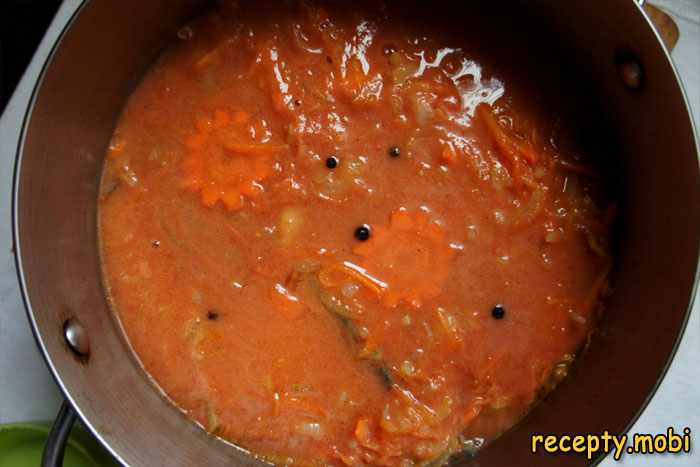
Pour the smelt, carrots, and onions with the prepared tomato sauce. Put it on the stove. After boiling, reduce the heat to minimum. Tightly close the lid of the cooking pot and stew the canned food for about 60 minutes. The canned food literally simmers. Sometimes you can cook a little longer, but then the canned food will be very soft.
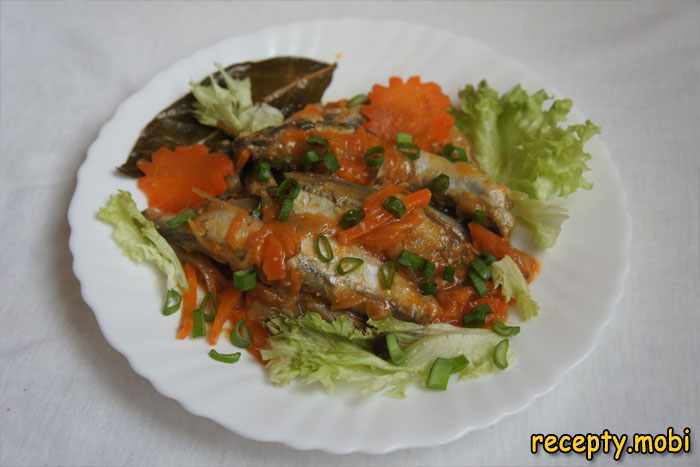
Check the canned food for readiness. As soon as the carrots are soft enough, turn off the heat. Carefully place the cooled canned food on a plate to not mash the soft fish, along with the stewed carrots and onions. Making canned food takes a lot of time, but the result is pleasing.


Tips
- 1
Use fresh quality smelt for the best finished tender results. Frozen-and-refrozen smelt produces mushy off-flavored inferior results; fresh or properly-frozen-once smelt produces the proper signature tender clean character authentic to traditional Russian home-canned preparations. Test smelt quality by gentle pressure — fresh fish springs back without indentation, has clear eyes, and smells fresh-sea. The smelt quality matters more than home cooks typically realize for finished canned-food quality and overall pantry-stocking success consistently across batches reliably throughout the year.
- 2
Remove all dark inner membrane to eliminate bitterness in finished canned food. Skipping this step produces bitter inferior results; thorough membrane removal produces the proper signature clean tender character authentic to traditional Russian home-canned smelt preparations. The same membrane-removal principle elevates many home-preserved fish preparations including pollock stewed with carrots and onions in tomato and similar Russian-style fish preparations across various traditional Slavic preservation occasions throughout the year reliably.
- 3
Allow full 60-minute slow simmering for finished proper tender canned-food texture. Insufficient simmering produces tough fish results; full 60-minute slow simmer produces the proper signature tender melt-in-mouth character authentic to traditional Russian home-canned smelt preparations. The patient simmering principle pays back significantly in finished smelt-quality consistently across batches and various Russian home-canning preparations throughout the year for proper traditional results worth showcasing reliably across various Slavic family-meal occasions throughout the year.
- 4
Pair the finished smelt canned food with traditional Russian accompaniments for proper presentation. Garnish with fresh dill or parsley sprigs, alongside boiled potatoes, or with rye bread for proper finished family-meal applications. Pair with crusty homemade bread for substantial winter meal spreads, alongside pickled vegetables for traditional Russian accompaniment, or with chilled beer for elegant Russian-style appetizer presentations worth showcasing.
FAQ
Can I use other small fish? +
Yes, sprats, herring, anchovies, or sardines all work beautifully as substitutes producing equally delicious results. Each fish produces distinct character: smelt is most traditional and mild, sprats are richest, herring is most flavorful, sardines are most upscale. Choose based on personal preference, budget, and seasonal availability for proper finished home-canned variations consistently across various Russian-style preservation occasions throughout the year reliably for proper personalized finished results.
How long does homemade canned smelt keep? +
Stored covered in the refrigerator, the canned smelt keeps for 5-7 days at peak quality. The flavors actually improve significantly over the first 24-48 hours as components meld together beautifully throughout the storage period. For shelf-stable storage up to 6 months, process in sterilized jars with proper canning technique. Best consumed within 5 days for the brightest most appealing finished results across multiple meal applications throughout the year reliably.
Can I make this in a pressure cooker? +
Yes, pressure cooking reduces simmering time to 20-30 minutes producing equally tender results. Use the same layered assembly, add tomato sauce, and pressure cook at high pressure for 20-30 minutes followed by natural pressure release for proper safety. Each method produces distinct character: traditional stove-top is most traditional and gentle, pressure cooker is fastest and modern. Choose based on time availability for proper finished smelt variations consistently throughout the year reliably.
Why is my canned fish mushy? +
Three usual causes: simmering too long (60 minutes maximum), heat too high (low simmer only), or fish too small or thin (use larger smelt). Address all three factors for consistently firm tender results. The combination of proper timing, gentle heat, and quality fish produces dramatic texture-quality reliably across various Russian home-canning preparation sessions throughout the year for proper traditional canned-food results consistently across various Slavic culinary traditions.
- Comment
or post as a guest
Be the first to comment.