avg —
How to Freeze Herbs for Winter

Instructions
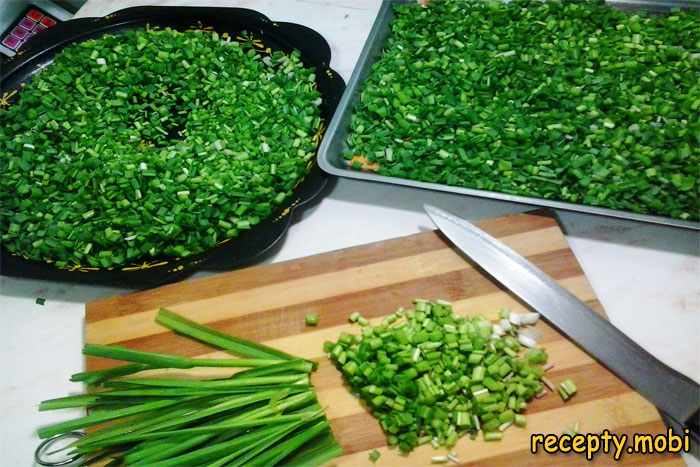
Thoroughly wash the herbs, let the water drain, and remove damaged and spoiled branches. Chop the herbs in portions. When freezing wet products, ice forms on the surface, to avoid this, spread the chopped mass on wide trays, towels, or plates to evaporate the excess moisture. If available, you can use special electric dryers for proper finished moisture management.
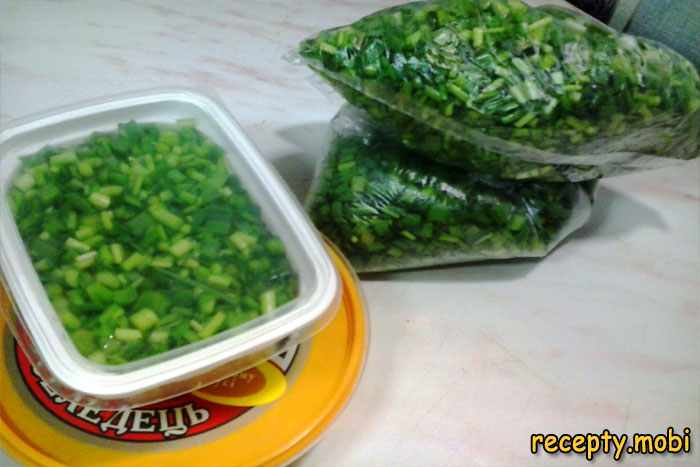
Pack the prepared herbs in clean and dry plastic containers, tightly close with a lid. Fill the plastic bags about halfway, expel as much air as possible, and tie. Place the filled containers in the freezer. If your refrigerator has a quick freeze function turn it on for 1.5-2 hours. This way, the herbs come out crumbly, not in a solid lump (dry freezing). This seasoning is convenient to cook with and add to dishes.Enjoy your meal!


Tips
- 1
Place herbs in the freezer in small batches (up to 1 kg) so that the products freeze evenly. Large batches freeze unevenly producing partial freezing that allows partial spoilage during subsequent storage; small batches freeze rapidly throughout for proper preservation. The batch-size matters significantly for finished frozen-herb quality consistently across multiple preservation sessions and various herb varieties throughout the year. Use multiple small containers rather than one large container for proper finished freezing reliability across various seasonal preservations.
- 2
Avoid thawing and refreezing herbs as this leads to partial loss of flavor and beneficial properties. Each thaw-freeze cycle damages cell walls reducing nutrient content significantly; portion herbs into single-use sizes for proper finished quality preservation. The same single-use principle elevates many freezing preservations including dried tea rose and similar herbal preservation traditions across various seasonal preparation methods throughout the year for proper artisan home preservation results.
- 3
This freezing method works equally well for green salad leaves, sorrel, and spinach. Each leafy green produces distinct character: salad leaves are most delicate, sorrel is most acidic, spinach is most substantial. Adjust portion sizes based on intended cooking application for proper finished frozen-greens results. The basic technique stays identical regardless of leafy green choice for consistently excellent finished freezing results across various herb and greens preservations throughout the year reliably.
- 4
Pair the finished frozen herbs with traditional cooking applications for proper presentation. Add directly to soups, stews, sauces, omelets, or potato dishes without thawing for proper finished aromatic contribution. Pair with crusty homemade bread as the perfect base for herb-butter spreads, alongside winter soups for fresh garden flavor, or with roasted meats for proper finishing aromatic touches worth showcasing throughout cold-weather cooking sessions.
FAQ
How long do frozen herbs keep? +
Stored in airtight containers in the freezer at consistent temperature, the herbs keep for 8-12 months at peak quality. The flavor compounds gradually fade after 6 months even with proper storage; herbs remain visually appealing longer than they remain aromatically potent throughout long-term storage. Best consumed within 4-6 months for the brightest most appealing finished aromatic results across multiple cooking applications consistently across various seasonal cooking sessions throughout the entire winter cooking year.
Which herbs work best for freezing? +
Hardy herbs like parsley, dill, chives, basil, mint, oregano, thyme, rosemary, sage, cilantro, tarragon, and green onions all freeze beautifully. Each herb produces distinct character: parsley is most universally appealing, basil is most aromatic, oregano is most Italian-style, cilantro is most assertive. Avoid freezing very delicate herbs like chervil which lose character significantly upon freezing. Mix multiple herbs for layered complex flavor profiles authentic to international cuisine traditions throughout the year for proper personalized finished results.
Can I freeze herbs in oil or butter? +
Absolutely — ice cube trays filled with chopped herbs and topped with olive oil or melted butter create excellent flavor cubes for soups and sautés. Herb-butter logs wrapped in parchment paper freeze well for compound butter applications. Each method produces distinct character: oil-cubes are most universal, butter-logs are most upscale, plain-frozen is most economical. Choose based on intended cooking applications across various cuisine traditions throughout the year for proper finished preservation versatility.
Should I blanch herbs before freezing? +
The blanch-freeze method preserves brightest color but reduces some delicate aromatic compounds; the no-blanch method preserves maximum aromatic punch but allows slight color darkening over time. Each method produces distinct character: blanched is most color-vibrant, unblanched is most aromatic. For most home applications, the unblanched method described above produces excellent finished frozen-herb results without the extra blanching step required for proper restaurant-style preservation reliably.
- Comment
or post as a guest
Be the first to comment.